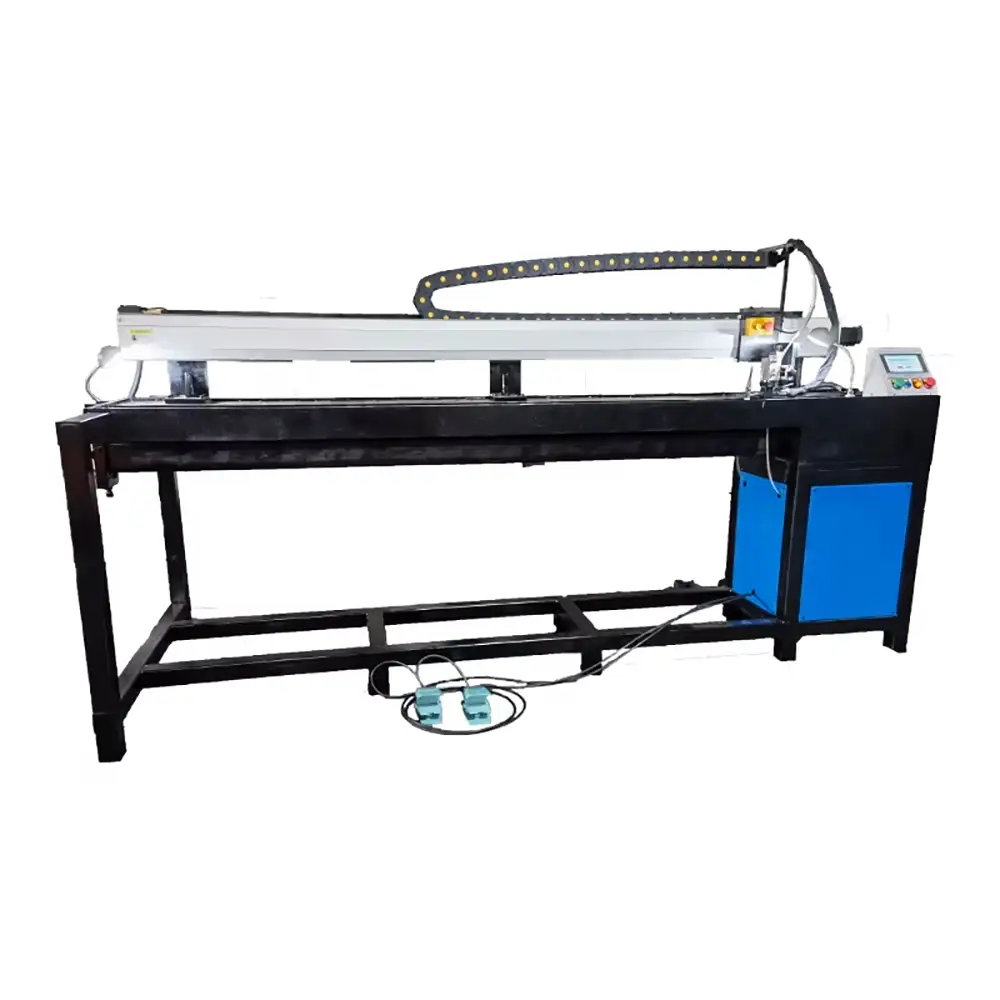
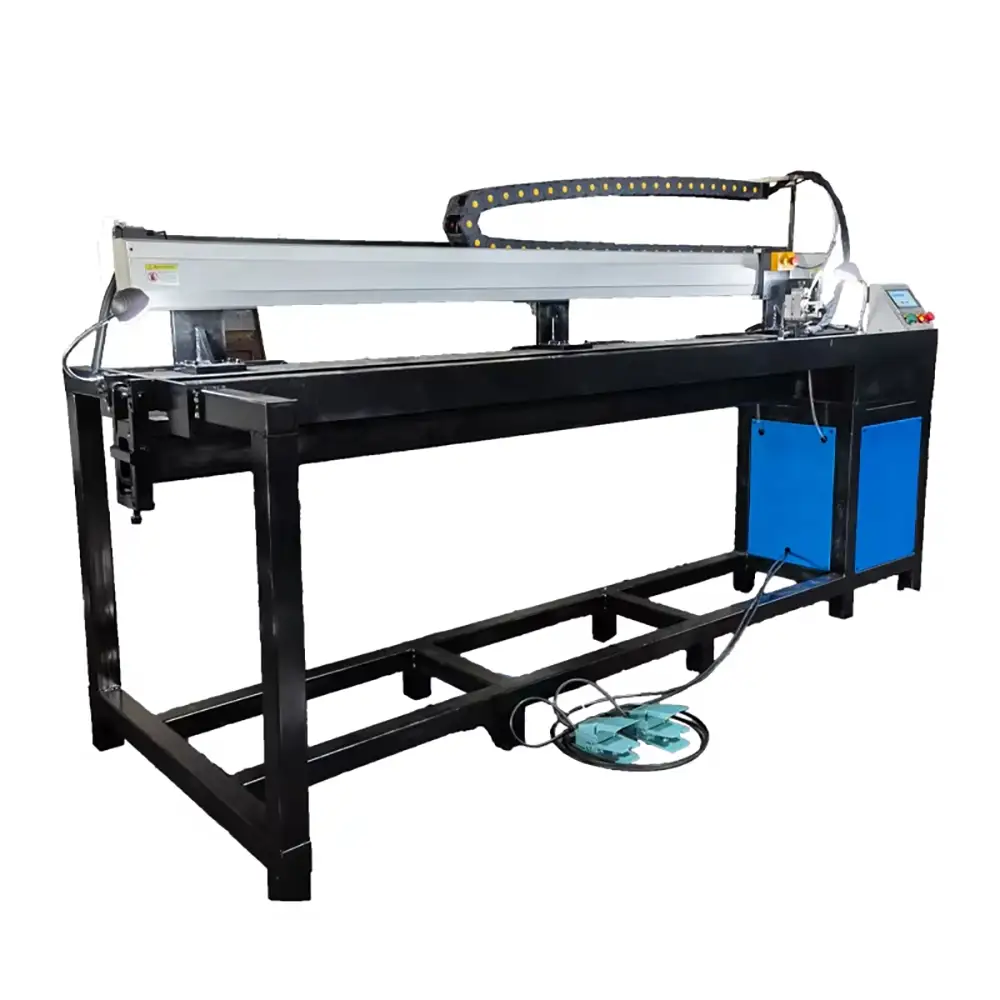
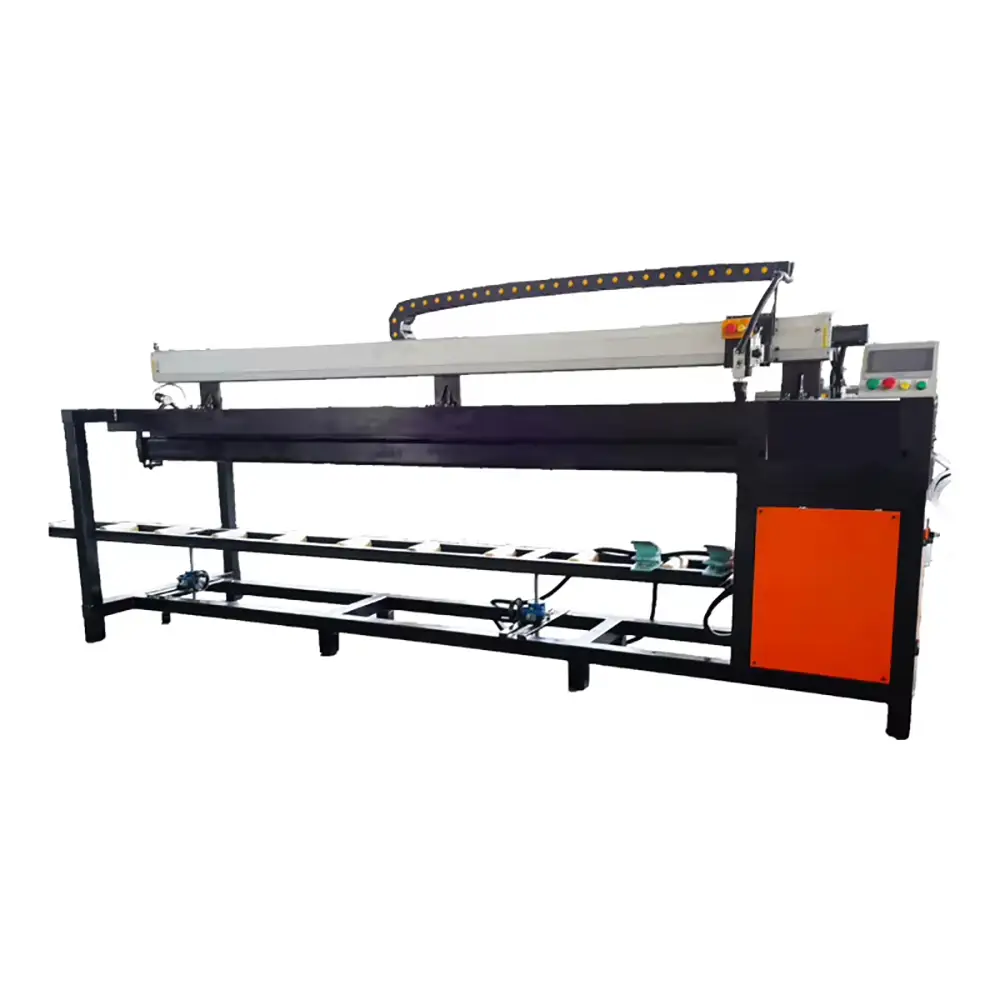
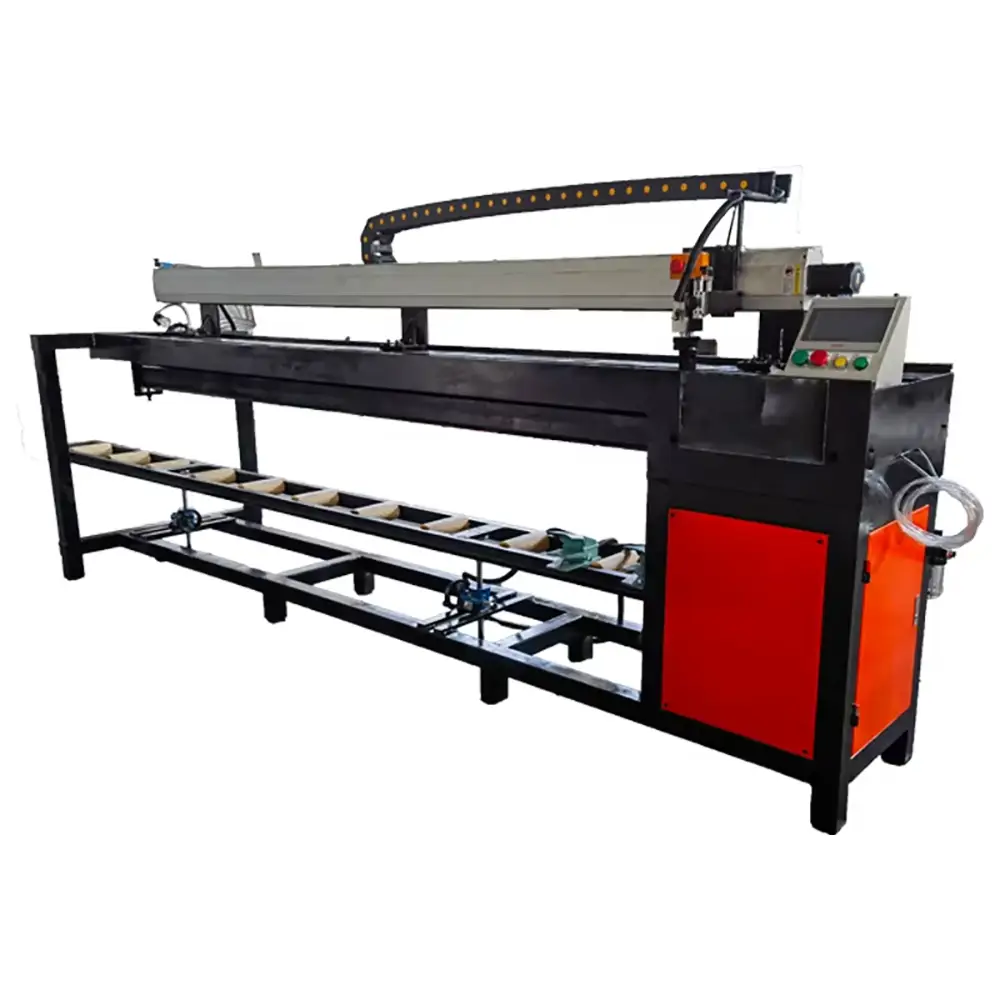
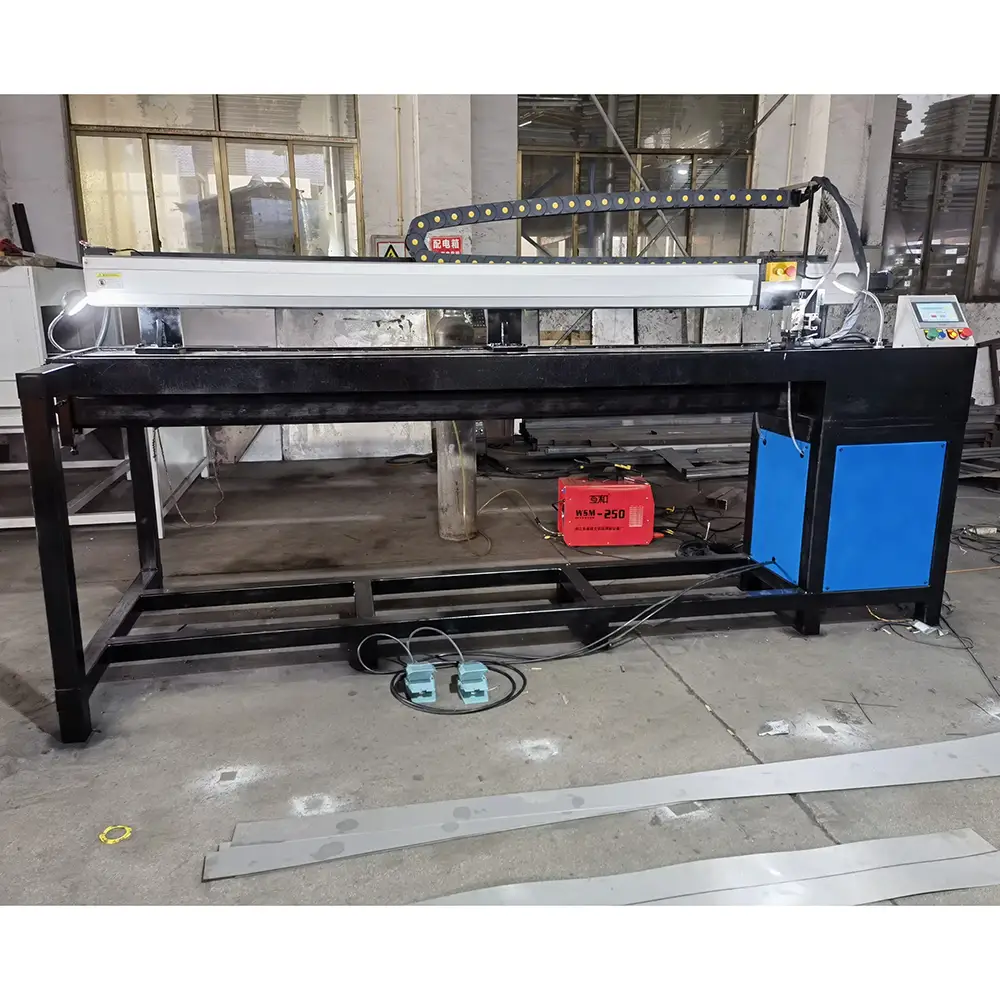
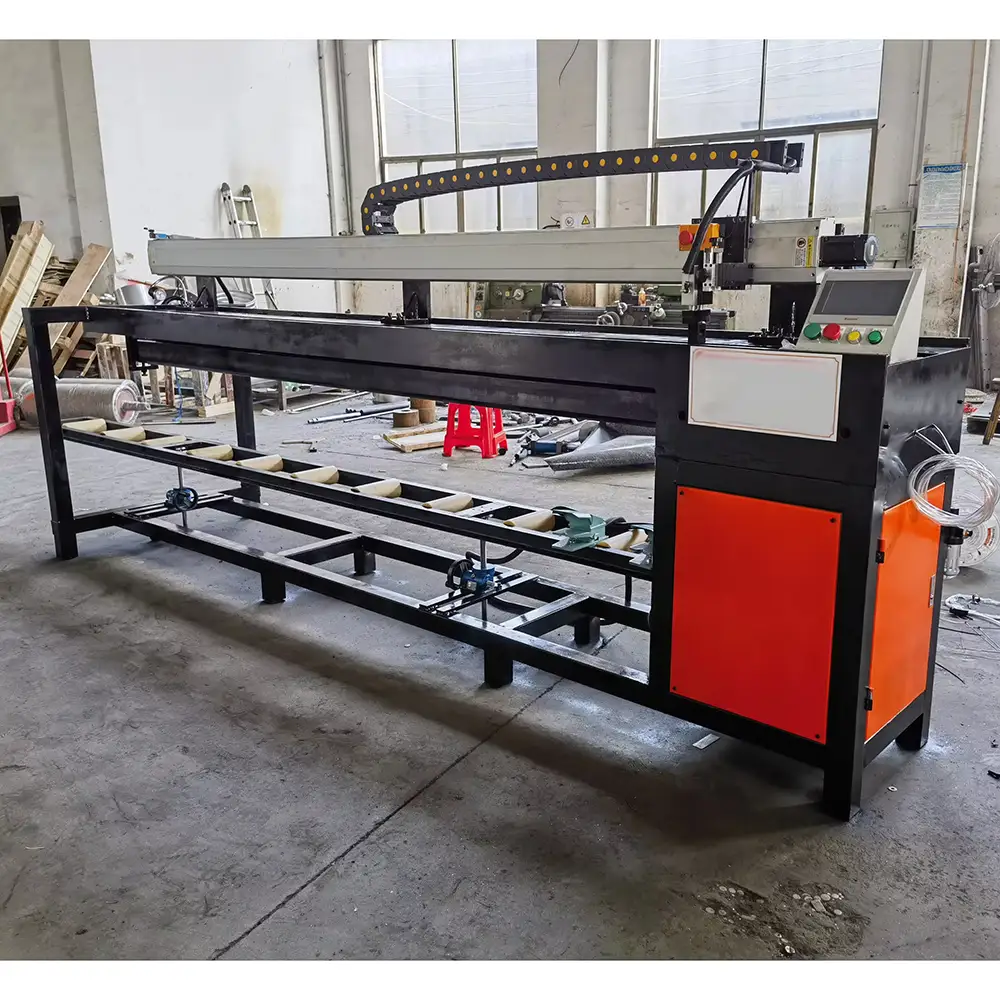
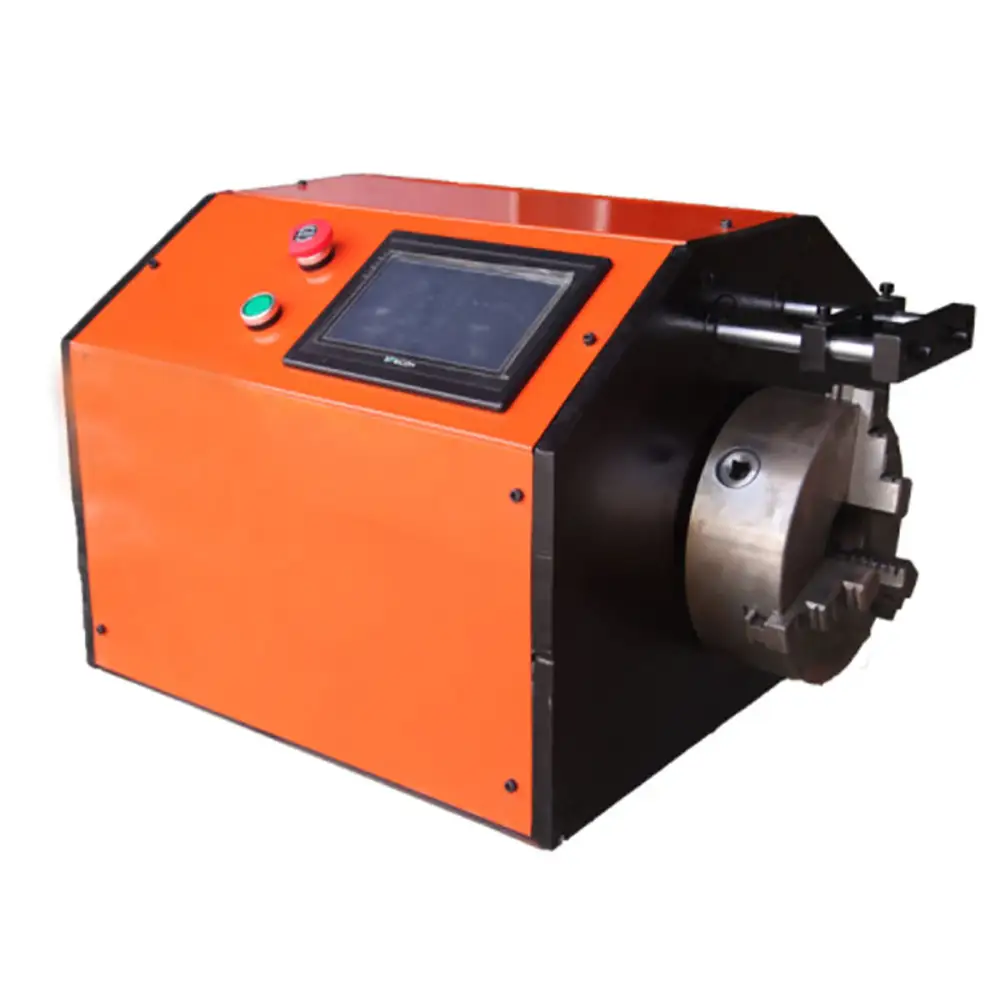
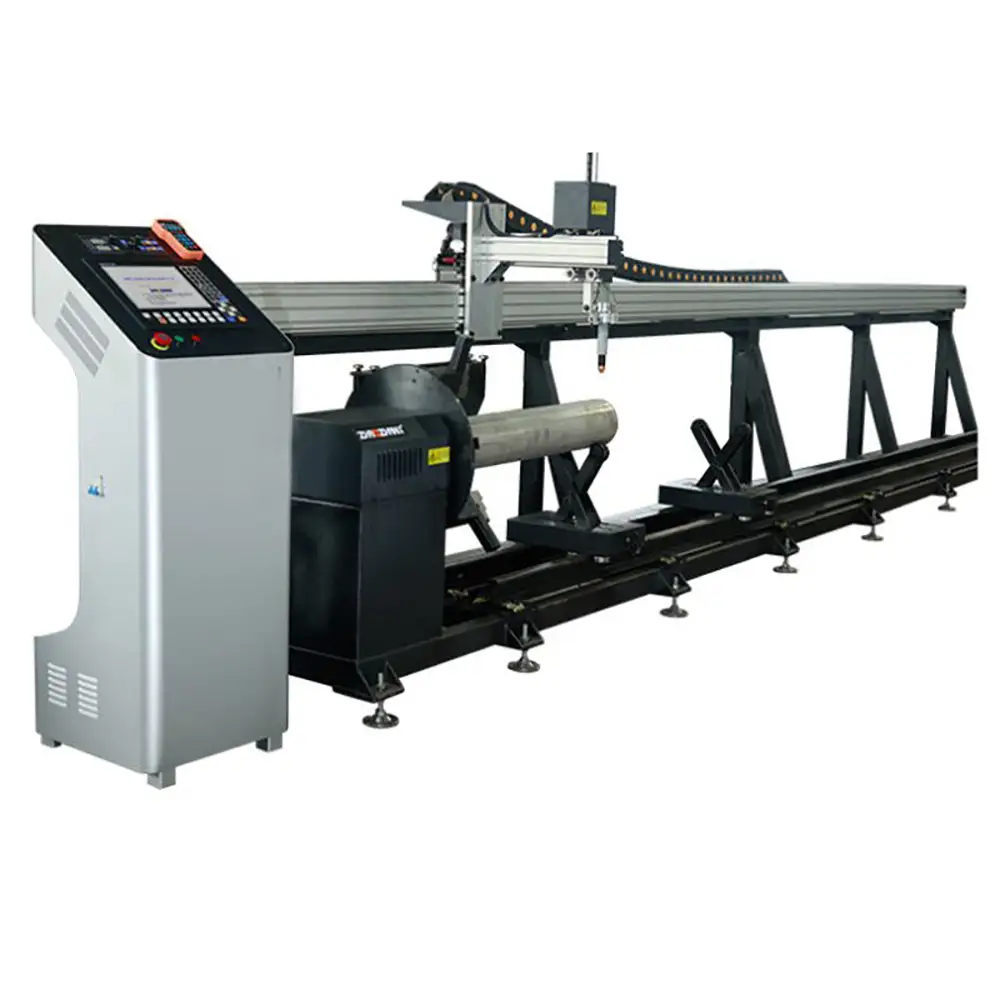
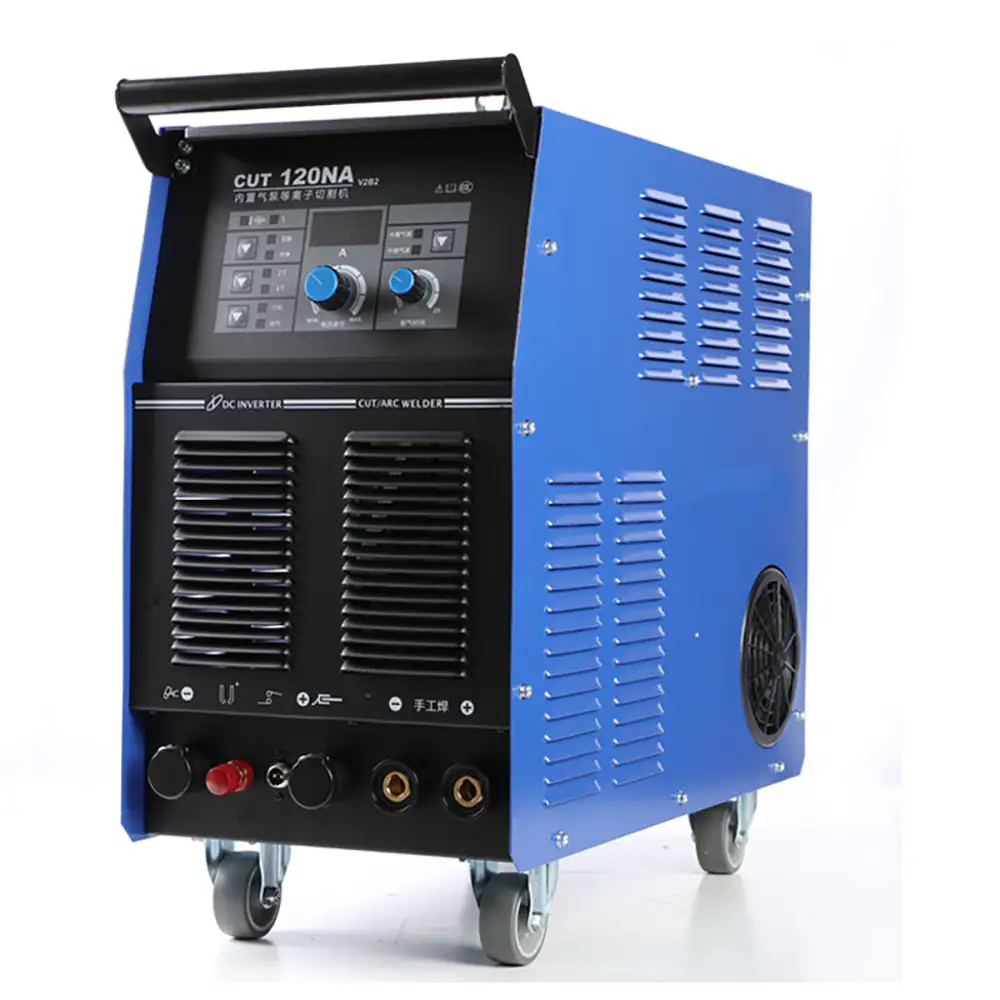
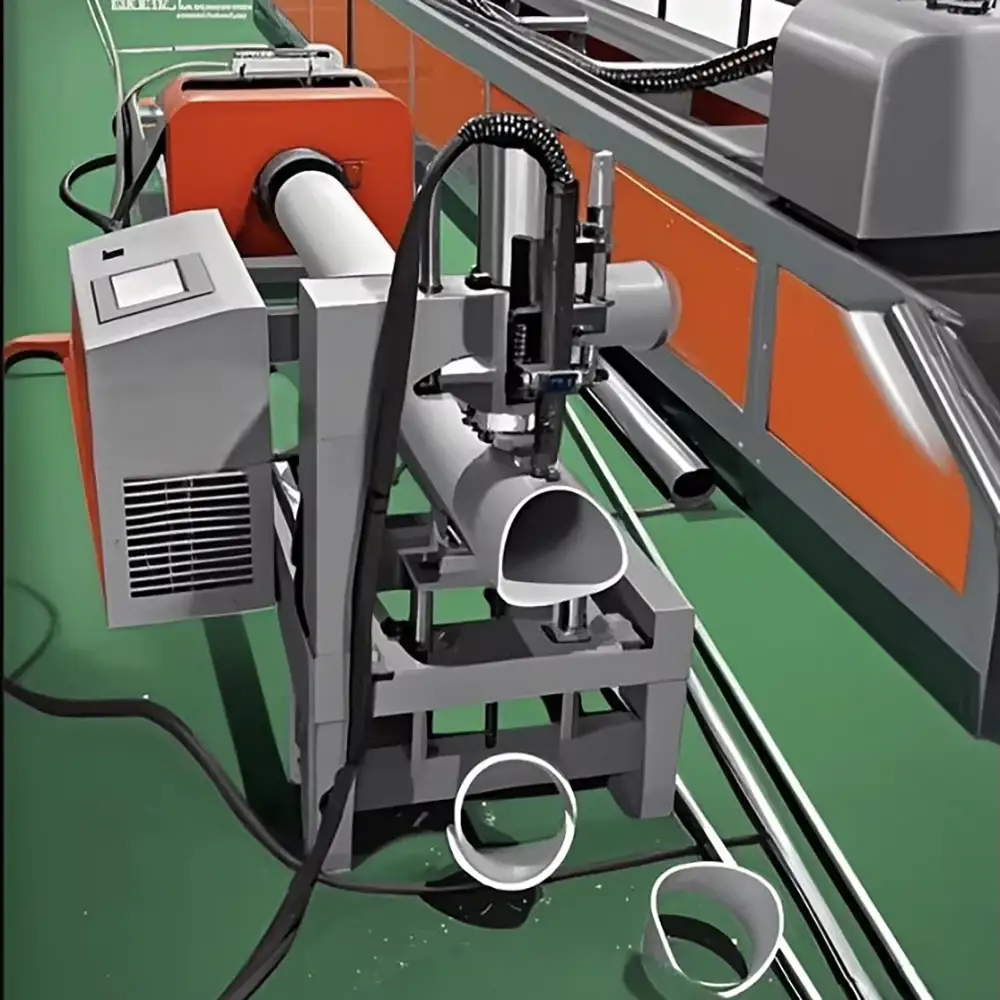
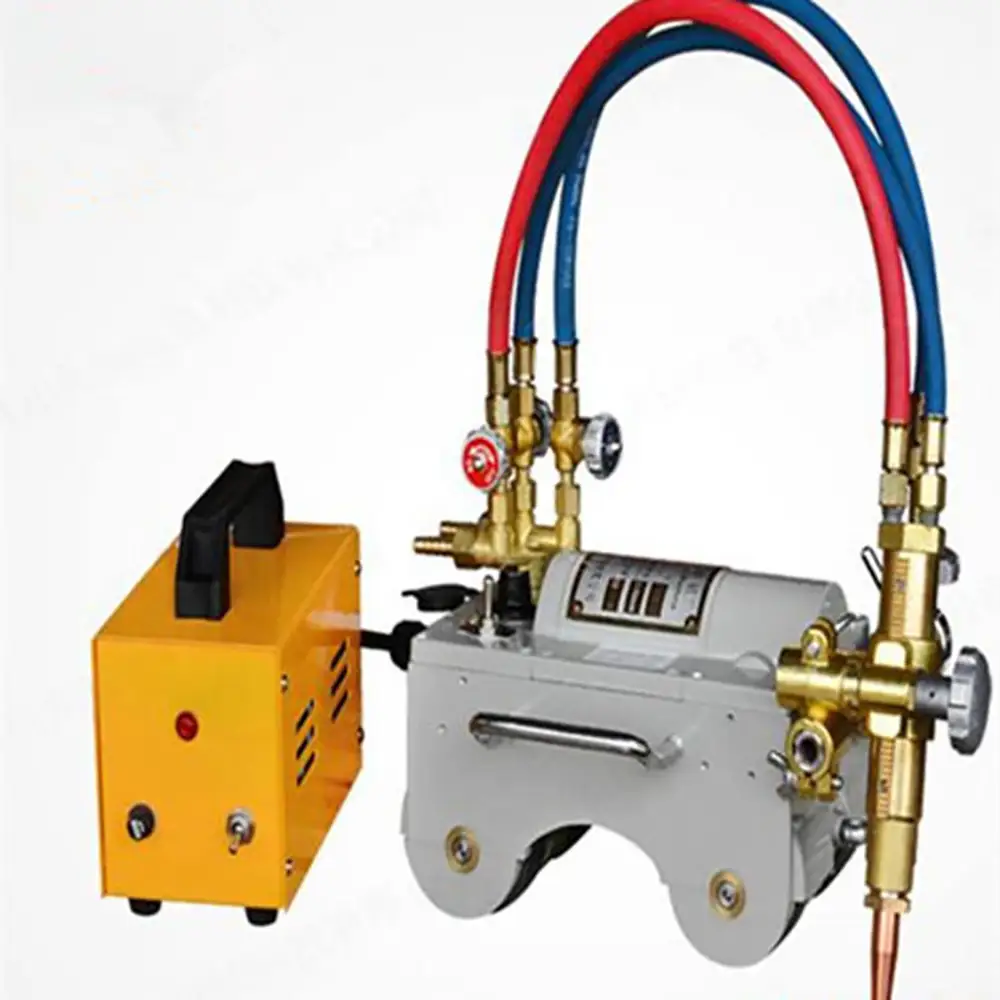
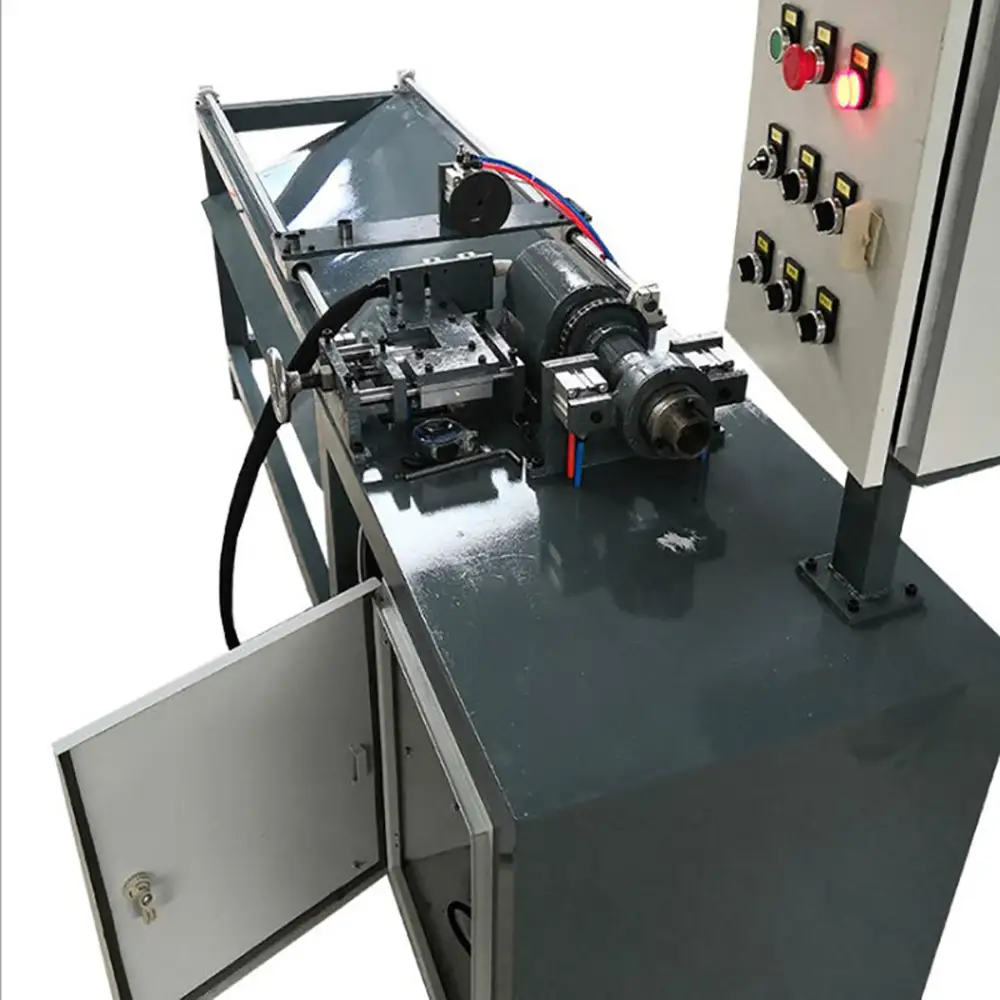
Built-in workpiece lifting frame with adjustable lifting height; water-cooled copper beam for faster heat dissipation; welding speed, welding position and welding process can be adjusted through the system; one-button operation in automatic state.
|
Name |
Straight Seam Welding Machine |
|
Model |
Z1600 |
|
Welding length |
1600mm |
|
Welding diameter |
180-600mm |
|
Welding thickness |
1.0-3.0mm |
|
Working type |
Automatic butt welding |
|
Drive form |
Servo motor |
|
Total power |
1800W |
|
Dimension |
2300*850*1650mm |
|
Weight |
1200kg
|
Cylinder Tank Longitudinal Resistance Straight Seam Welder Welding Machine
A Cylinder Tank Longitudinal Resistance Straight Seam Welder Welding Machine is designed for efficient and consistent welding of longitudinal straight seams on cylindrical tanks, metal cylinders, vessels, drums and other formed sheet metal components. Using resistance welding technology, the machine creates a controlled welded joint along the length of a cylindrical workpiece while reducing the need for conventional filler-metal welding processes.
Longitudinal seam welding is an important operation in the manufacturing of cylindrical metal products. After a sheet or plate is rolled into a cylindrical shape, the open longitudinal joint must be securely joined to create the finished cylinder or tank body. A dedicated longitudinal seam welding machine provides controlled electrode pressure, welding current and travel movement, helping manufacturers achieve stable weld quality and repeatable production results.
This type of equipment is suitable for manufacturers producing cylindrical tanks, pressure-related components, metal drums, storage containers, stainless steel vessels, exhaust components, industrial containers and fabricated sheet metal products. Depending on the machine configuration, workpieces can be positioned and clamped for different diameters, lengths, materials and production requirements.
What Is Longitudinal Resistance Seam Welding?
Longitudinal resistance welding joins two prepared edges of a rolled metal sheet along a straight line. Electrical resistance generates heat at the joint while controlled mechanical pressure holds the material together.
Compared with conventional arc welding, resistance welding can provide a highly repeatable process when the material, thickness, electrode configuration and welding parameters are properly matched.
The longitudinal seam welding process generally includes:
Preparing and rolling the sheet into a cylindrical shape.
Aligning the two longitudinal edges.
Positioning the cylinder in the welding machine.
Clamping and aligning the seam.
Applying controlled electrode pressure.
Supplying welding current through the electrode system.
Moving the welding head or workpiece along the seam.
Producing a continuous or controlled resistance-welded joint.
The exact welding sequence depends on the machine configuration, material and production requirements.
Designed for Cylinder and Tank Fabrication
The machine is particularly suitable for cylindrical workpieces where a straight longitudinal seam needs to be welded accurately.
Typical applications include:
Cylindrical Tanks
Stainless Steel Tanks
Metal Cylinders
Industrial Containers
Storage Tanks
Metal Drums
Pressure Vessel Components
Water Tank Components
Chemical Container Components
Exhaust Components
HVAC Components
Sheet Metal Cylinders
Metal Pipes and Tubular Components
Fabricated Steel Containers
For manufacturers producing large quantities of similar cylindrical products, a dedicated longitudinal seam welder can improve process consistency compared with manual welding.
Resistance Welding for Consistent Production
One of the main advantages of resistance welding is process repeatability. Welding current, electrode pressure, welding speed and other parameters can be controlled according to the application.
A properly configured longitudinal resistance welding machine can help reduce variations between individual workpieces. This is especially valuable for manufacturers supplying industrial customers where dimensional consistency and weld appearance are important.
The welding parameters should be selected according to material type, material thickness, cylinder diameter, seam design and required weld characteristics.
Materials may include various electrically conductive metals, depending on the machine configuration and welding system. Common applications can involve carbon steel, stainless steel and other suitable sheet metals.
Straight Seam Welding Machine Structure
A typical cylinder longitudinal seam welding machine may include a rigid machine frame, welding electrodes, workpiece positioning components, clamping mechanisms, welding transformer, electrical control system, cooling system and drive mechanism.
The workpiece support and clamping system are important because accurate seam alignment directly affects welding quality.
For different cylinder sizes, the machine can be configured with suitable electrode arrangements, workpiece supports and adjustment mechanisms.
Depending on production requirements, manufacturers can also consider automatic or semi-automatic feeding, programmable welding parameters, adjustable welding speed and other production-oriented features.
Automatic and Semi-Automatic Operation
Different production environments require different levels of automation.
A semi-automatic cylinder seam welding machine may be suitable for manufacturers producing several product sizes or relatively small production batches. Operators can load, align and clamp the cylinder before initiating the welding cycle.
For high-volume production, an automatic longitudinal seam welding system can integrate controlled clamping, welding movement and parameter management to reduce operator involvement.
Automation can help improve:
Production Consistency
Welding Repeatability
Cycle Time
Operator Efficiency
Product Quality
Production Capacity
Process Control
The appropriate automation level should be selected according to annual production volume, product dimensions, product variety and available factory space.
Longitudinal Seam Welding for Stainless Steel Tanks
Stainless steel is commonly used in applications requiring corrosion resistance, clean surfaces or attractive finished products. Stainless steel tanks and containers may require controlled welding processes to maintain consistent seam quality.
A resistance welding system can be configured for suitable stainless steel applications when the material thickness, electrical characteristics and welding parameters are properly matched.
Typical applications may include stainless steel containers, kitchen equipment components, industrial tanks, food-processing equipment components and fabricated metal vessels.
Advantages for Industrial Manufacturers
A dedicated cylinder tank welding machine offers several potential benefits for industrial production.
Consistent Welding
Controlled welding parameters help create repeatable seam joints across production batches.
Improved Productivity
A dedicated machine can perform longitudinal seam welding more efficiently than manual welding for repetitive cylindrical products.
Reduced Manual Welding
Automated or semi-automatic operation can reduce dependence on continuous manual welding.
Accurate Seam Positioning
Dedicated clamping and positioning mechanisms help maintain alignment during the welding cycle.
Suitable for Mass Production
The machine can be integrated into production processes where the same or similar cylinder products are manufactured repeatedly.
Flexible Configuration
Machine dimensions, electrode systems, workpiece supports, control systems and automation levels can be selected according to production requirements.
Applications
The Cylinder Tank Longitudinal Resistance Straight Seam Welder can be used in various metal fabrication industries, including:
Tank Manufacturing
Metal Container Manufacturing
Stainless Steel Fabrication
Industrial Vessel Production
Sheet Metal Fabrication
Automotive Components
HVAC Manufacturing
Kitchen Equipment
Chemical Equipment
Water Storage Equipment
Industrial Equipment Manufacturing
General Metalworking
For specialized applications, the machine configuration should be evaluated based on workpiece material, thickness, diameter, length and required production rate.
How to Choose a Cylinder Longitudinal Seam Welder
Before purchasing a longitudinal resistance welding machine, buyers should provide detailed workpiece information.
Important factors include:
Material: Identify the material and its electrical and mechanical characteristics.
Material Thickness: Welding current, electrode design and machine capacity should match the sheet thickness.
Cylinder Diameter: The minimum and maximum workpiece diameter determine the required machine structure and tooling.
Cylinder Length: The longitudinal welding stroke should accommodate the required seam length.
Production Volume: High-volume manufacturing may justify a higher level of automation.
Seam Requirements: Determine whether the application requires continuous, intermittent or specially controlled welding.
Cooling Requirements: Resistance welding generates heat, so suitable electrode and system cooling may be required depending on the application.
Control System: Production requirements may determine whether basic controls or programmable welding parameters are preferred.
Providing these details to the machine manufacturer helps ensure the welding system is properly configured for the intended application.
Why Choose Us
We focus on providing industrial welding equipment designed around actual manufacturing requirements rather than offering a one-size-fits-all machine.
Customized Machine Configuration
We can evaluate cylinder diameter, length, material and thickness to recommend an appropriate machine configuration.
Industrial Production Design
The equipment is developed for repetitive manufacturing applications where stable welding performance and production efficiency are important.
Flexible Automation
Semi-automatic and automatic configurations can be considered according to production volume and labor requirements.
Application-Based Engineering
Machine selection can be based on the customer's actual workpieces and welding requirements.
OEM & Custom Solutions
For special cylinder sizes, welding lengths, electrode arrangements or production processes, customized equipment solutions can be discussed.
B2B Export Support
We support industrial buyers, distributors, manufacturers and OEM customers with product information, technical communication and equipment configuration.
FAQS
1. What is a cylinder longitudinal seam welding machine?
It is a specialized welding machine designed to weld the straight longitudinal seam of a cylindrical metal workpiece after sheet metal has been rolled into a cylinder.
2. What is resistance seam welding?
Resistance seam welding uses electrical resistance heating combined with controlled electrode pressure to join metal components.
3. What products can be welded?
Typical applications include cylindrical tanks, metal drums, containers, vessels, stainless steel cylinders and other formed sheet metal products.
4. Can it weld stainless steel?
Yes, suitable stainless steel applications can be supported when the machine and welding parameters are properly configured for the material.
5. Can it weld carbon steel?
Yes, carbon and mild steel can be considered for suitable resistance welding applications depending on material thickness and machine configuration.
6. Can the machine weld different cylinder diameters?
The available diameter range depends on the machine structure, tooling and workpiece support configuration.
7. Can cylinder length be customized?
Yes. Welding stroke and machine dimensions can be configured according to the required longitudinal seam length.
8. Is the machine automatic?
Depending on the configuration, the equipment can be supplied as a semi-automatic or more highly automated system.
9. What information is needed for a quotation?
The most useful information includes material, thickness, cylinder diameter, cylinder length, seam type and expected production volume.
10. Is water cooling required?
Cooling requirements depend on welding current, material, thickness, duty cycle and electrode configuration.
11. Can the machine be used for mass production?
Yes. Dedicated longitudinal seam welding equipment is particularly useful for repetitive production of similar cylindrical products.
12. Can the welding parameters be adjusted?
Depending on the control system, welding current, welding time, pressure, speed and other process parameters can be configured or adjusted.
13. Can you provide a customized cylinder tank welding machine?
Yes. Custom solutions can be considered for special workpiece dimensions, production requirements, tooling, automation and welding configurations.
Prev:
80A100A120A Built-in air Pump Plasma Welding Machine and Plasma Cutting Machine
Next:
Numerical Control Stepper Motor Circular Tube Intersection Line Plasma Cutting Machine
TAG:
Stainless Steel Seam Welding Machine,
Automatic Seam Welding Machine,
Longitudinal Seam Welding Machine,
Longitudinal Seam Welding Equipment,
Cylinder Seam Welding Machine,
Longitudinal Welding Equipment,
Metal Cylinder Welding Machine,
Resistance Welding Machine,
Automatic Cylinder Welding Machine,
Sheet Metal Seam Welding Machine,
Cylinder Welding Machine,
Seam Welding Machine,
Longitudinal Seam Welder,
Seam Welding Equipment,
Industrial Container Welding Machine,
Tank Fabrication Welding Machine,
Cylinder Fabrication Welding Machine,
Automatic Seam Welder,
Automatic Longitudinal Welder,
Tank Seam Welding Equipment,
Cylinder Seam Welding Equipment,
Metal Tank Seam Welder,
Metal Cylinder Seam Welder,
Cylinder Tank Longitudinal Resistance Welder,
Cylinder Tank Welding Machine,
Straight Seam Welding Machine,
Resistance Seam Welding Machine,
Cylinder Seam Welder,
Tank Seam Welding Machine,
Longitudinal Seam Resistance Welding Machine,
Related Category:
Cylinder Tank Longitudinal Resistance Welder,Cylinder Tank Welding Machine,Longitudinal Seam Welding Machine China, suppliers, manufacturers, factory, customized, wholesale, quotation, made in China