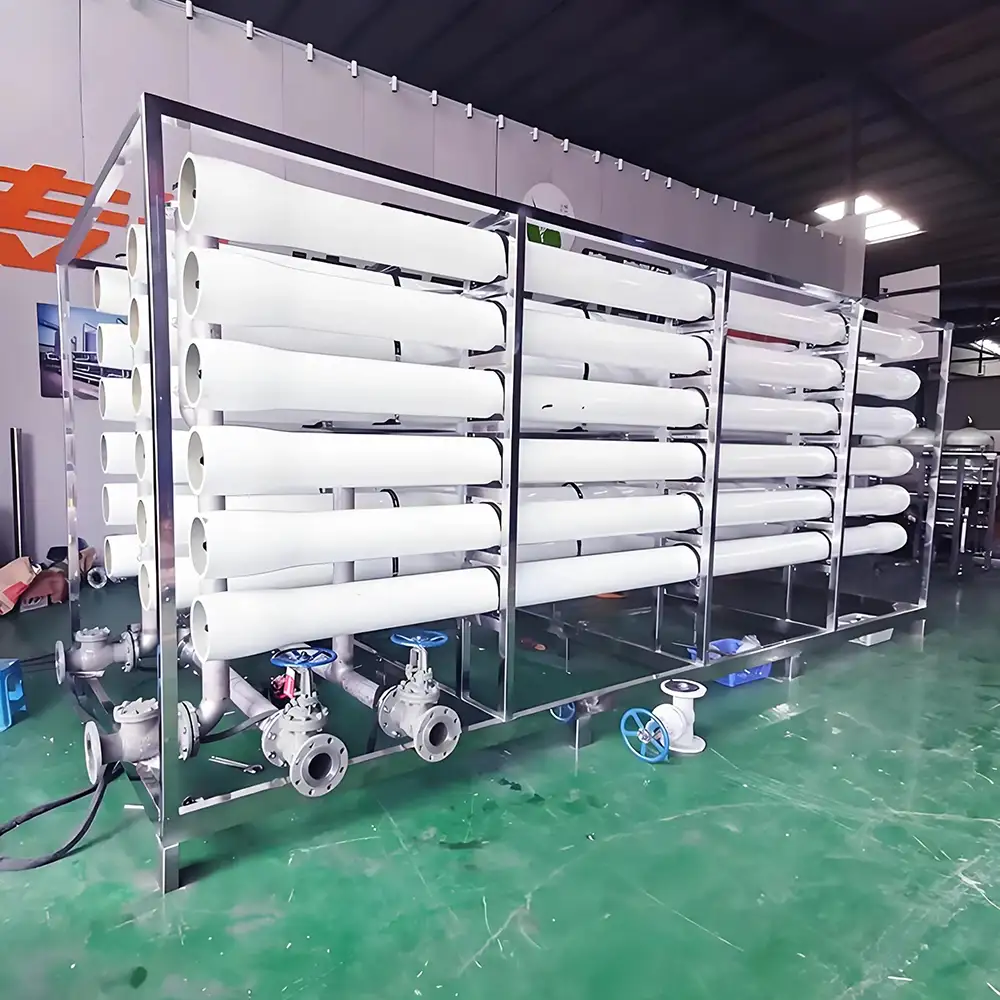
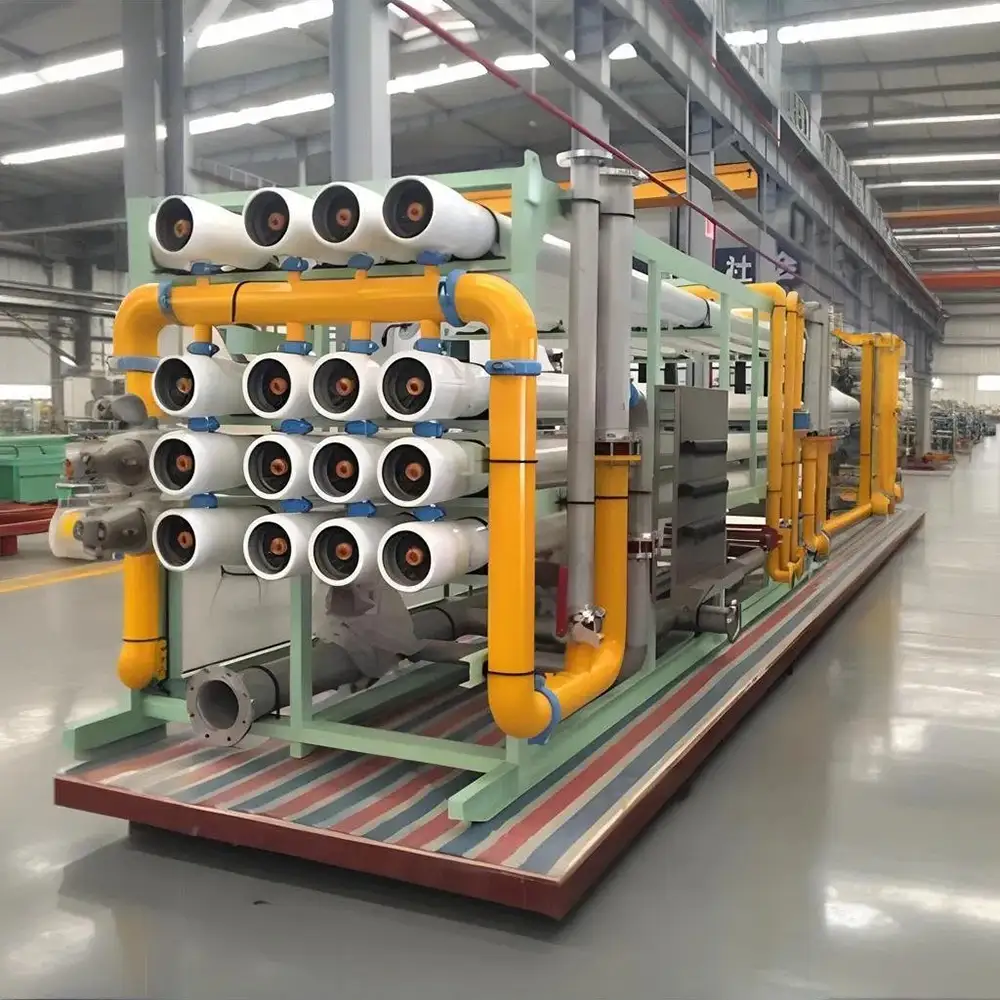
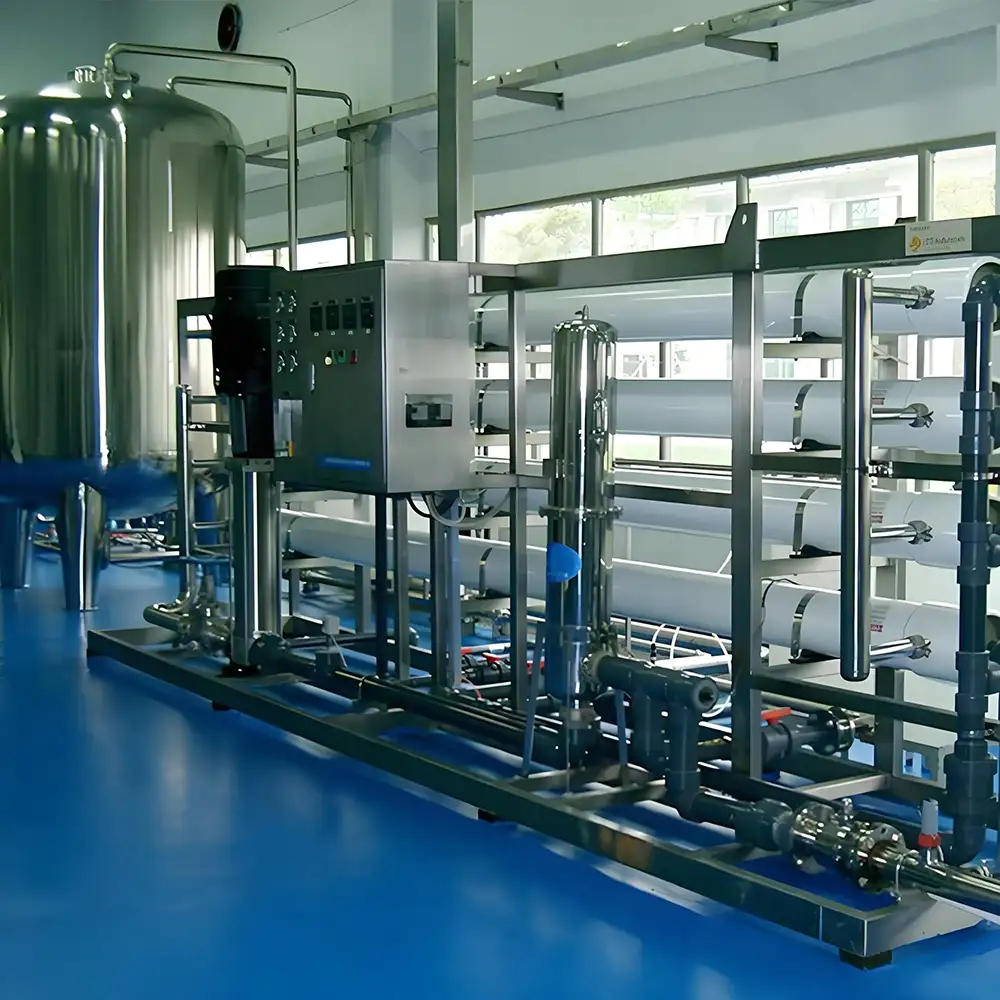
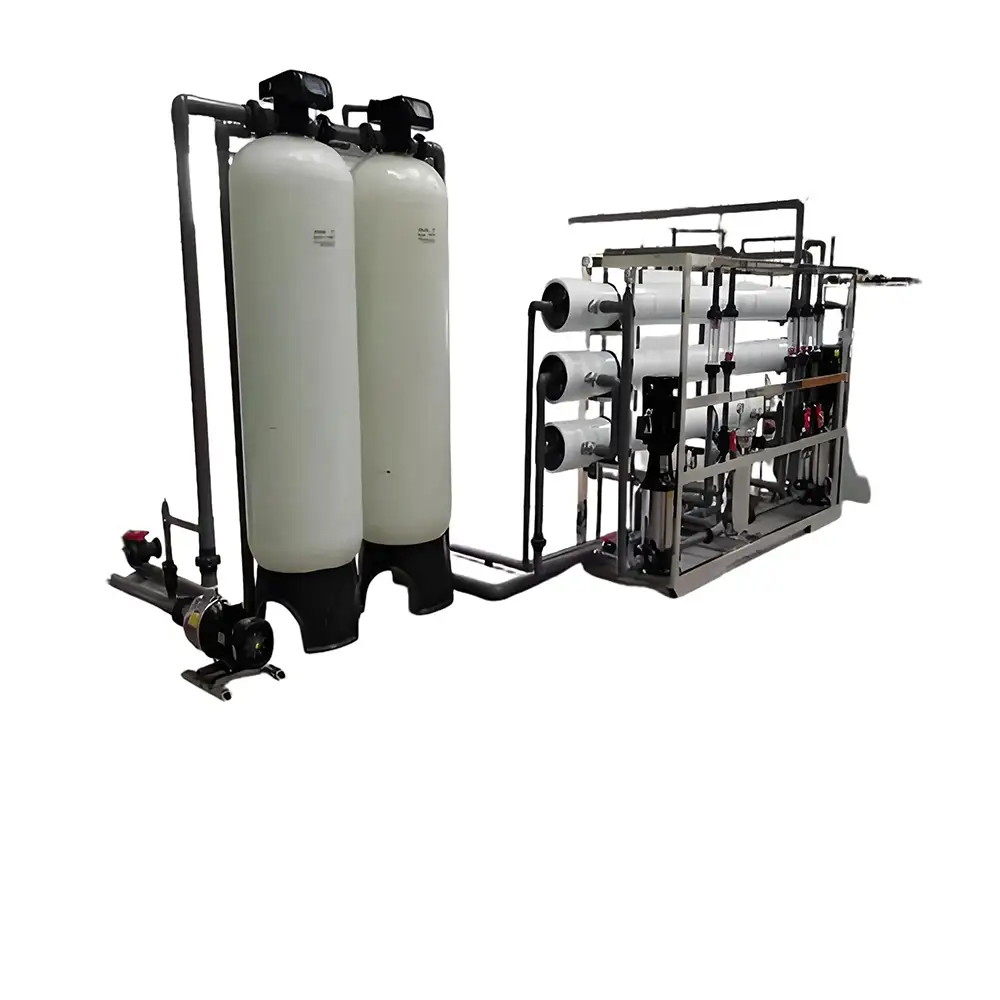
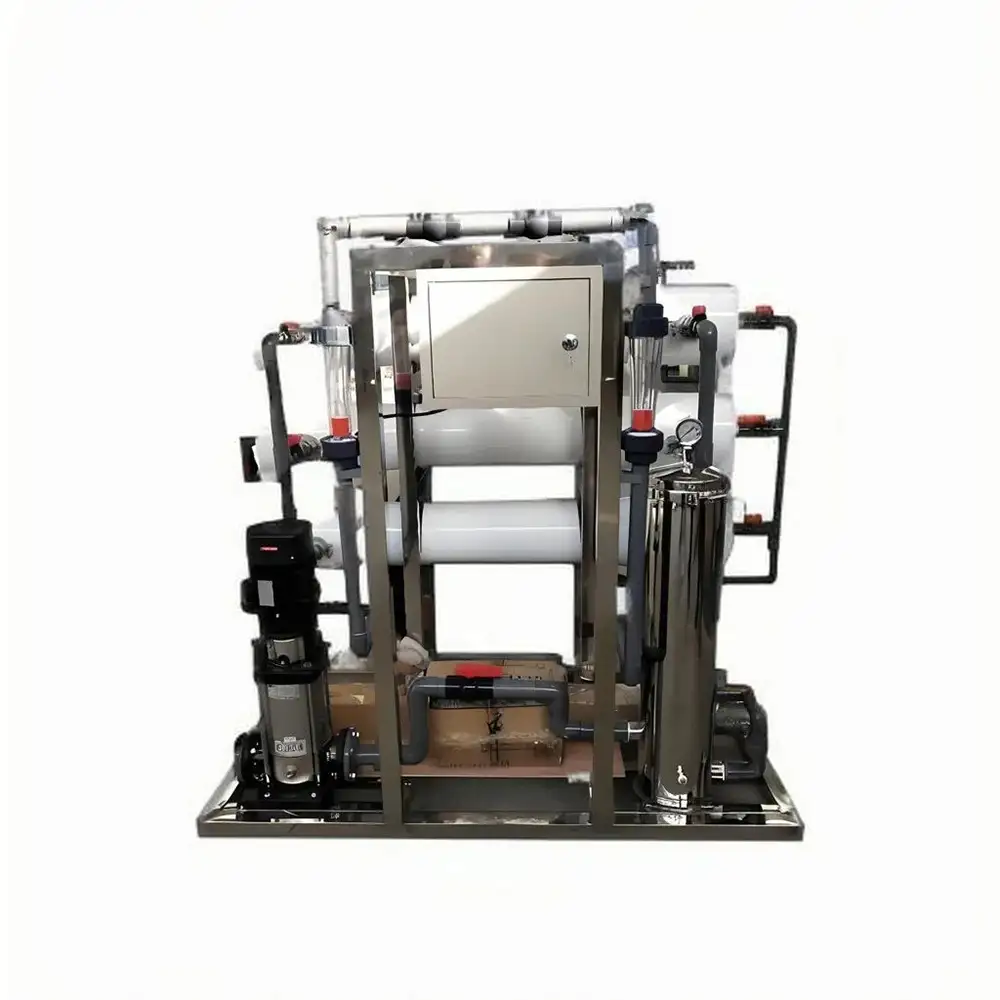
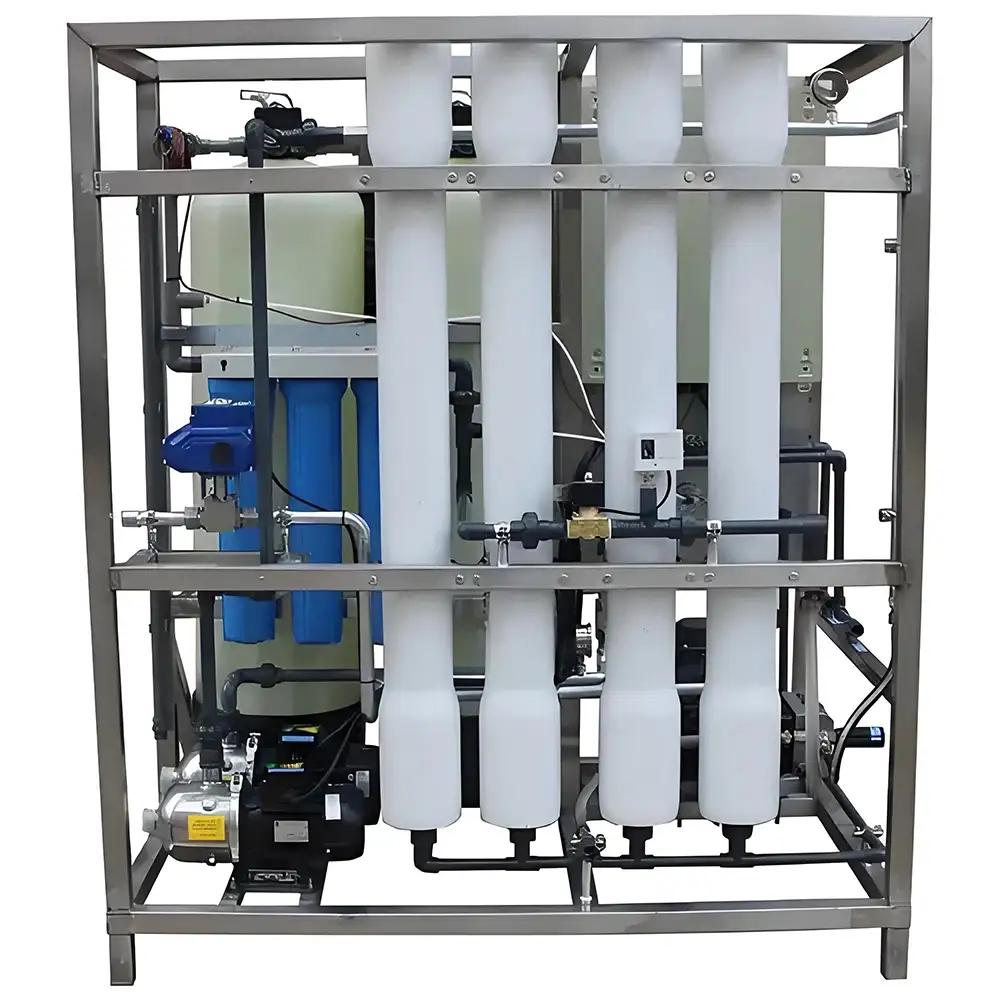
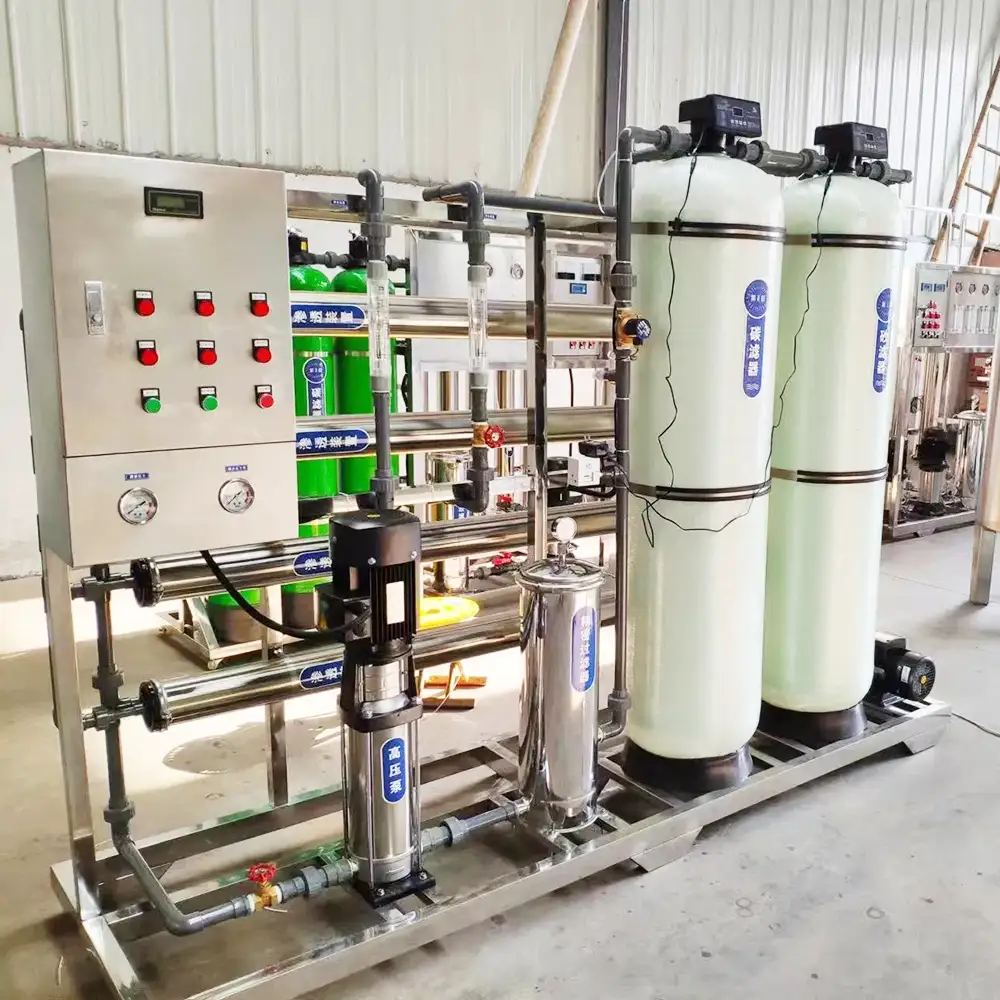
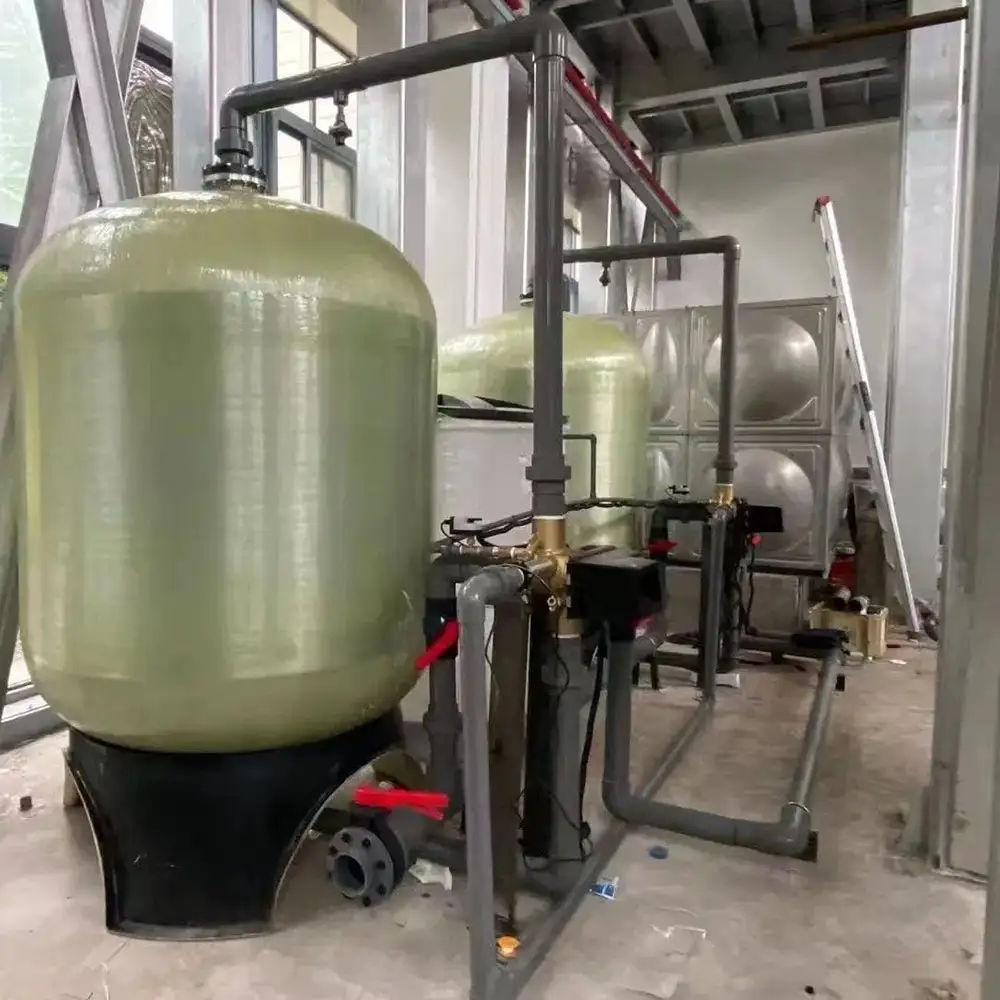
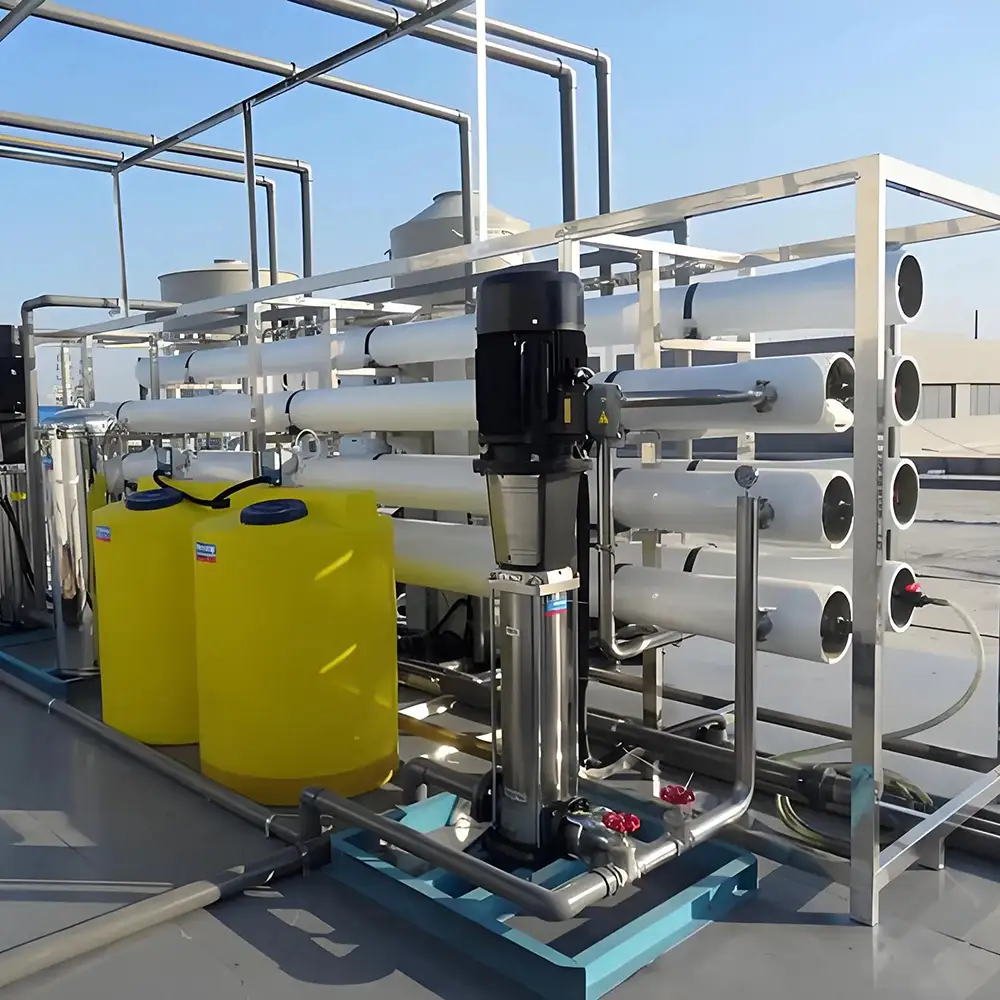
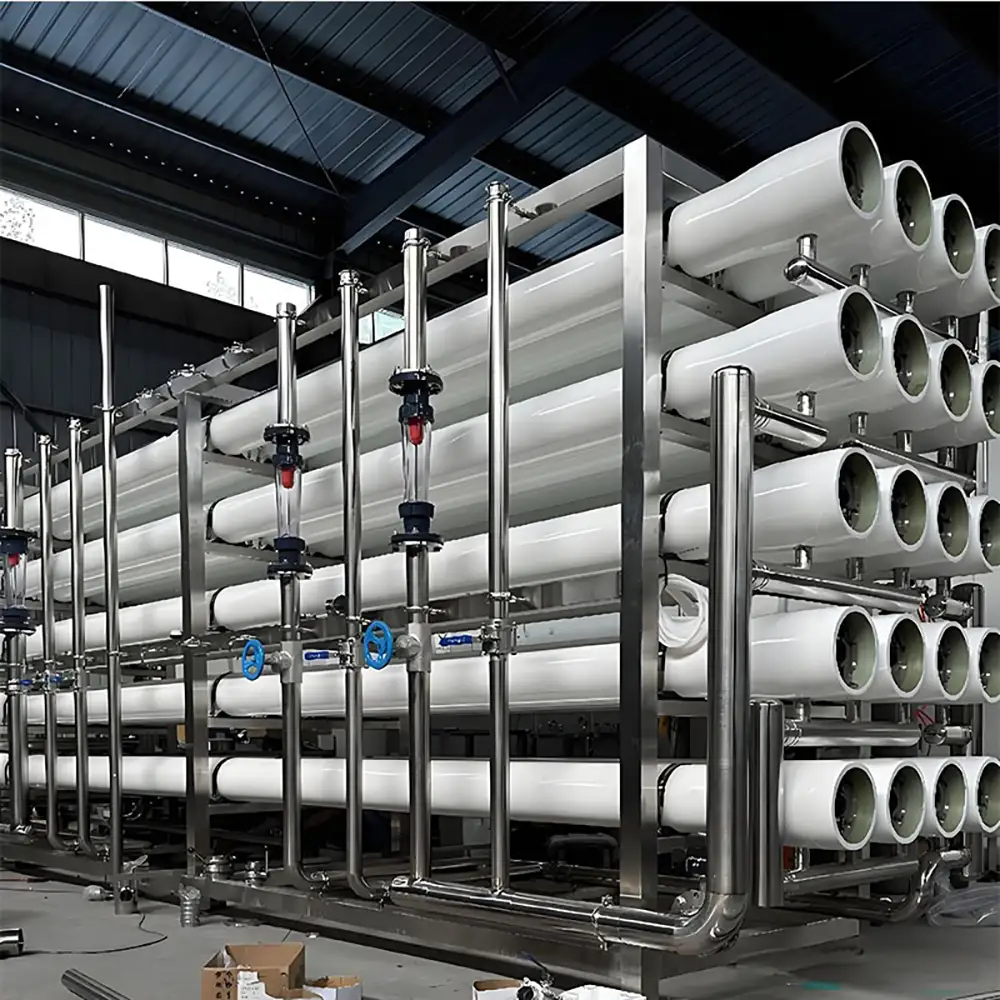
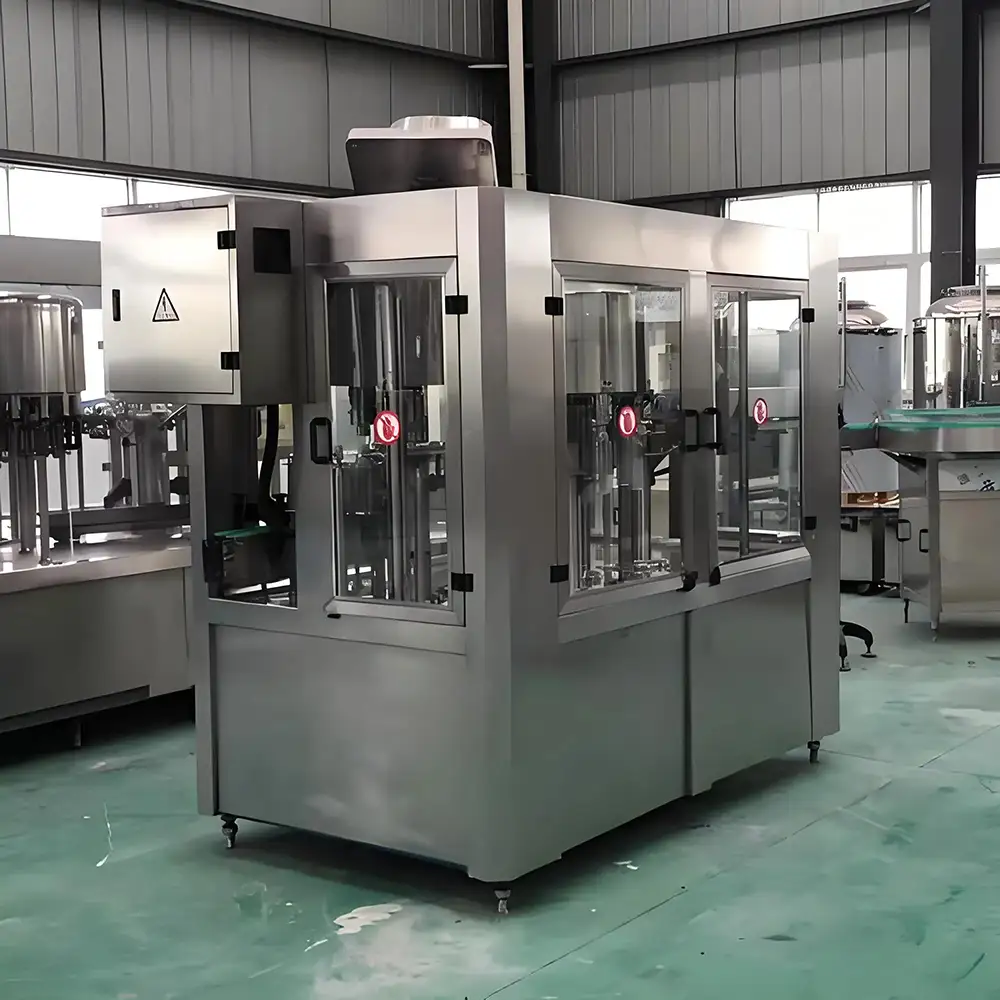
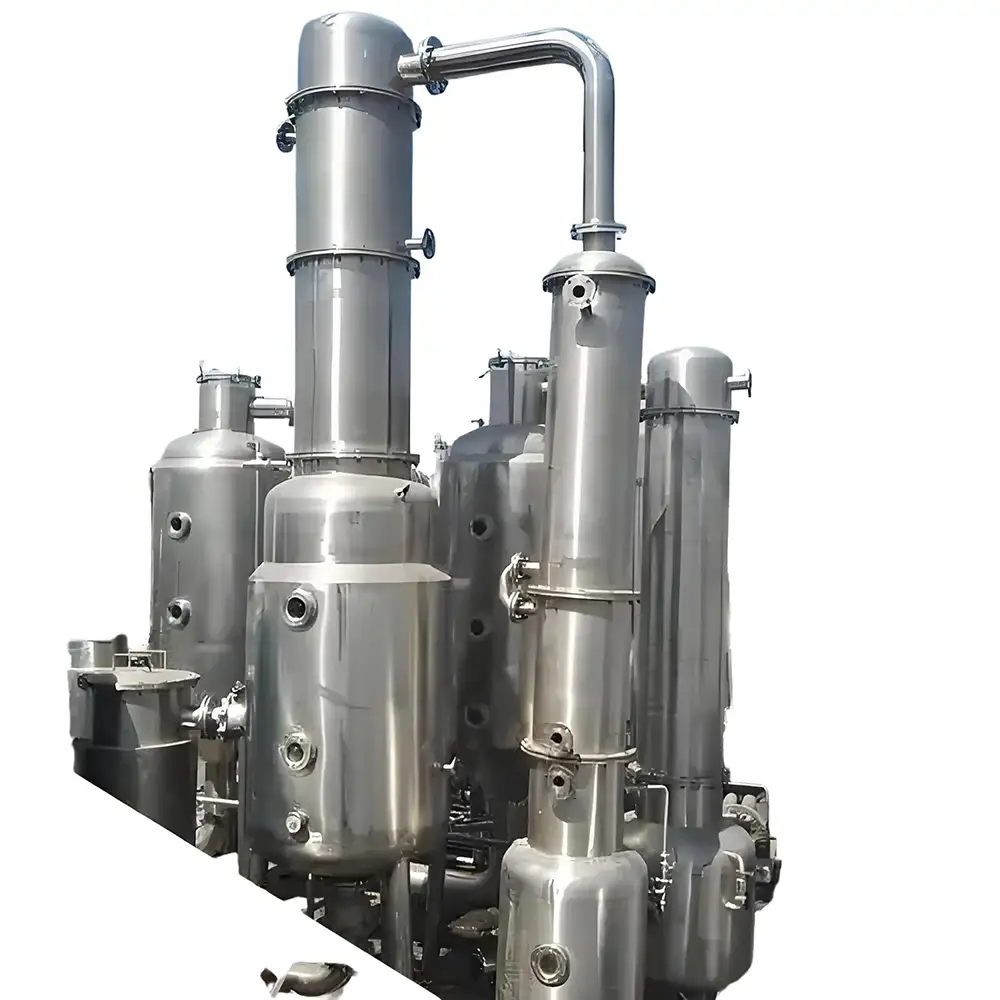
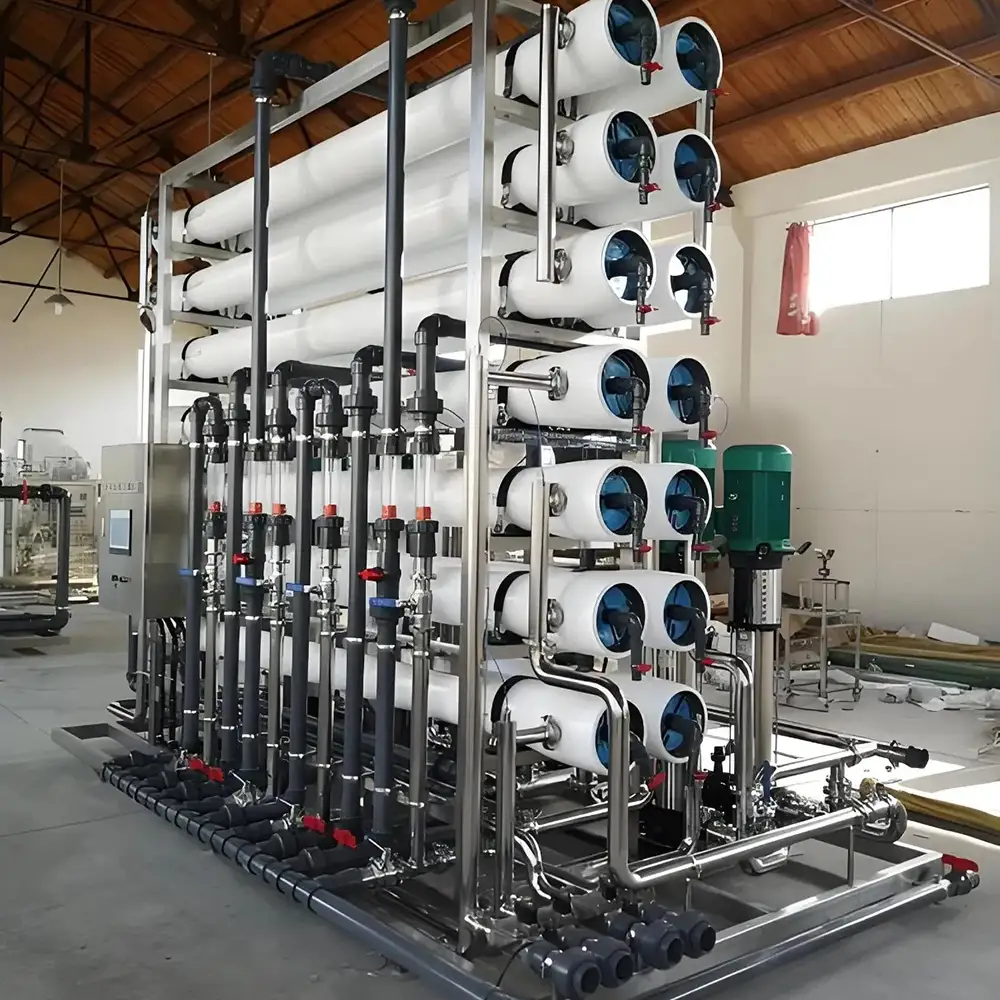
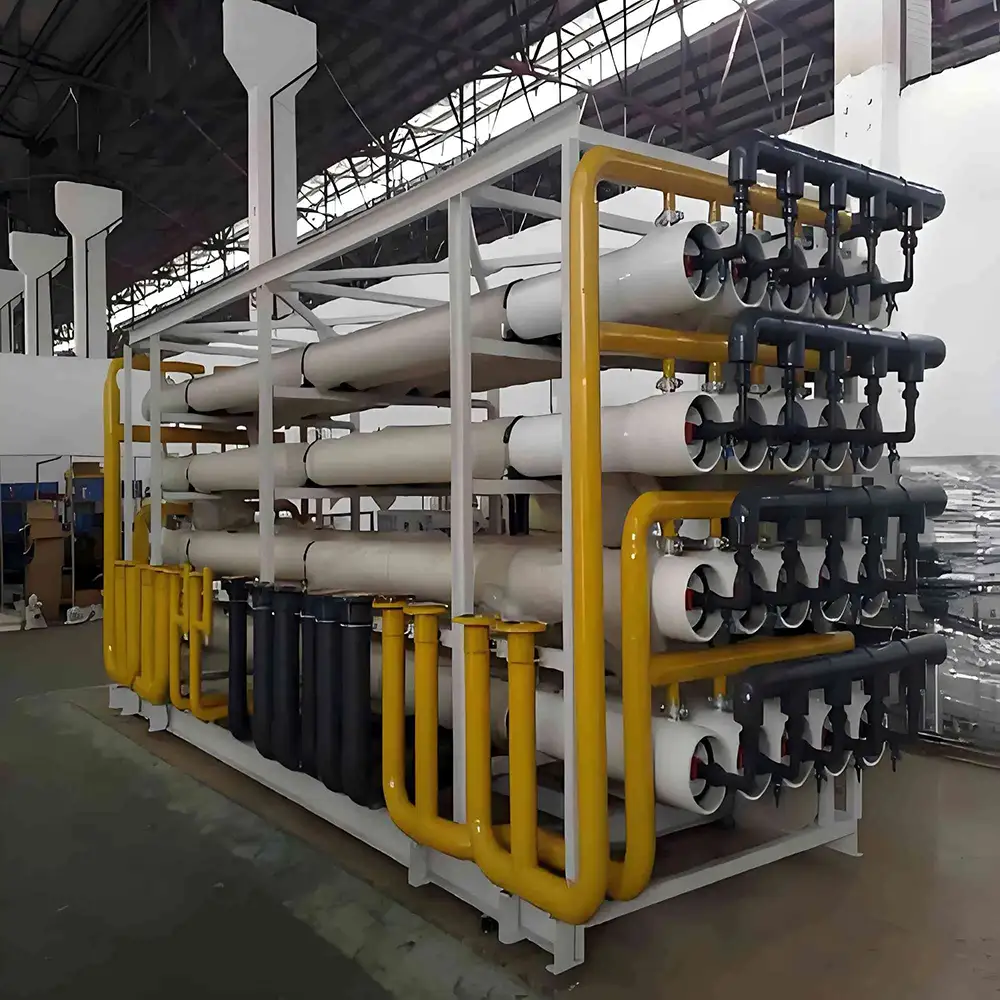
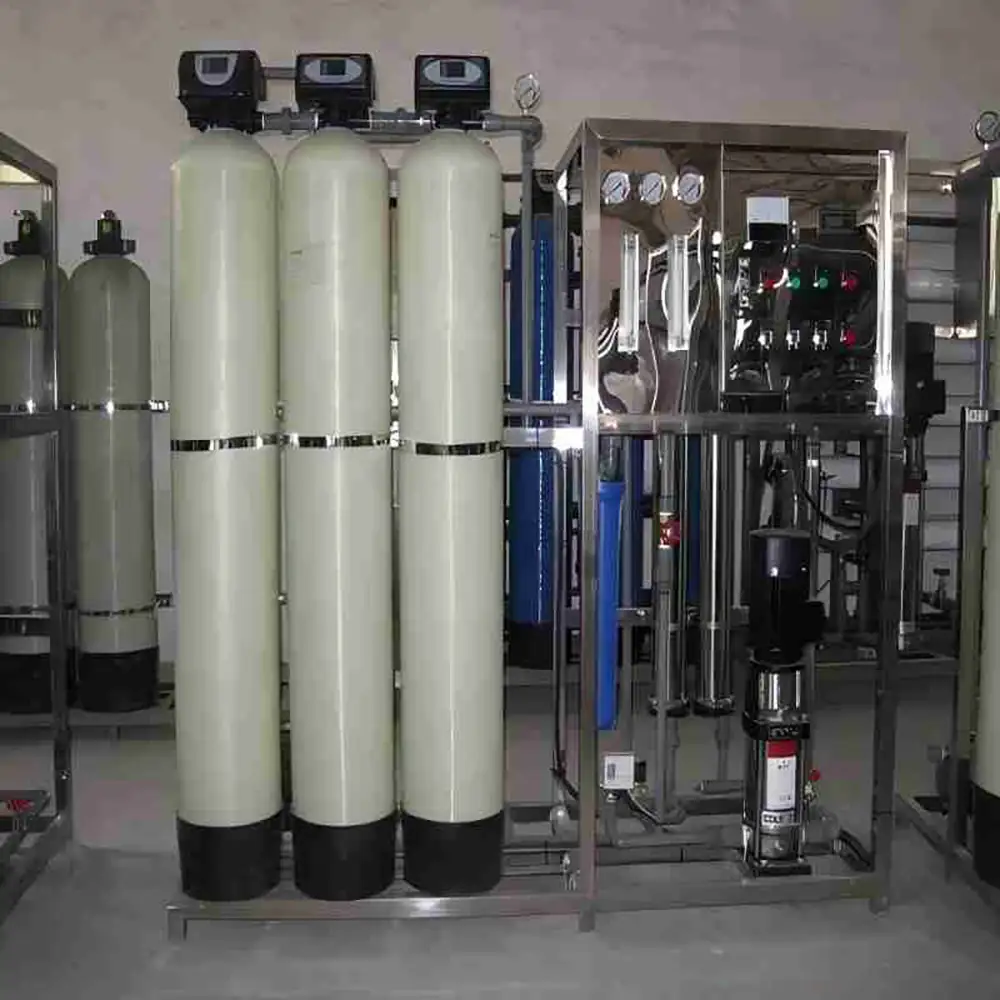
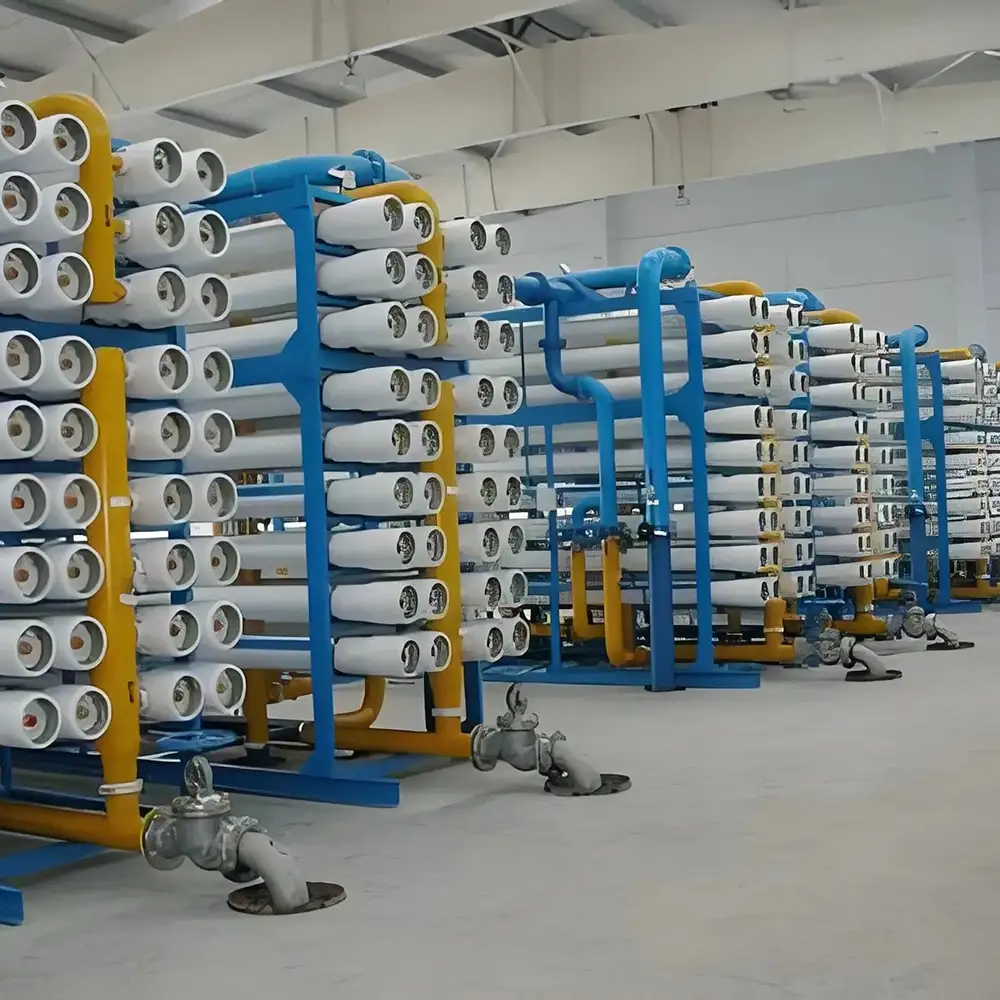
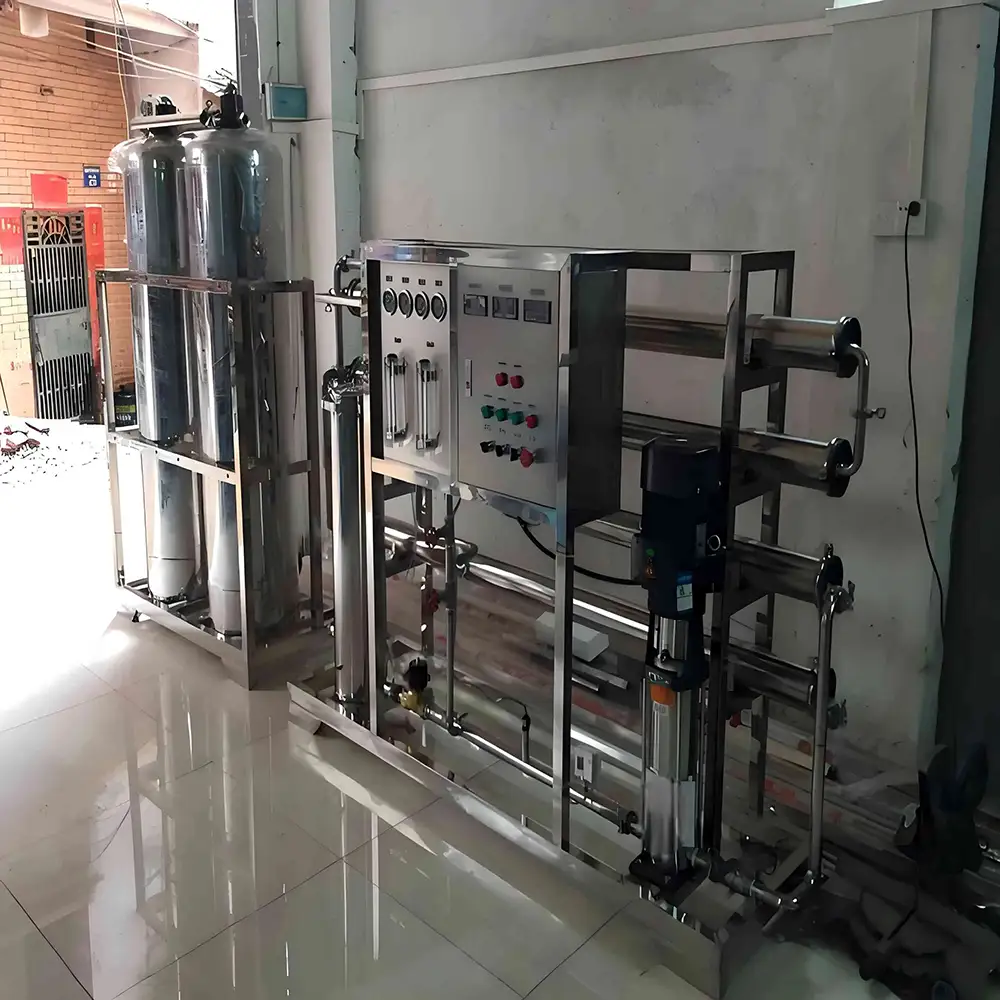
Water purification equipment is widely used in many fields, and the configurations of different scenarios are also different:
1. Household water purification equipment, application scenarios: kitchen, bathroom, water dispenser.
Recommended configuration: Reverse osmosis water purifier (removes bacteria, heavy metals and other impurities)
Ultrafiltration water purifier (retains minerals, suitable for daily drinking)
Pre-filter (used to protect pipes and reduce scale)
2. Industrial water purification, application scenarios: food processing, chemical companies, laboratories
Recommended configuration: EDI ultrapure water system (for precision processing, high-purity water for laboratories)
Soft water system (reduces scale and extends equipment life)
Large RO membrane water purification equipment (for large-scale production and processing)
Water Purification Equipment with Chlorine Removal, Silt Removal and RO Reverse Osmosis Filtration
The Water Purification Equipment with Chlorine Removal, Silt Removal, Sewage Treatment, RO Reverse Osmosis and Filtration is a multifunctional water treatment solution designed for applications requiring staged removal of suspended particles, chlorine, dissolved solids and other water contaminants.
By combining pretreatment, filtration, activated carbon adsorption, reverse osmosis and optional wastewater treatment processes, the system can be configured for different water sources and final-water requirements. Typical applications include industrial process water, commercial water purification, municipal and decentralized wastewater treatment, water reuse, boiler feedwater pretreatment, food processing and general industrial water treatment.
A complete system does not necessarily require every treatment stage. Water analysis and the intended use of treated water should determine the appropriate treatment train.
Multi-Stage Water Purification Equipment
Different water contaminants require different treatment technologies. Physical filtration can remove particulate matter, while activated carbon can adsorb selected contaminants such as chlorine and certain organic compounds. RO uses pressure and a semipermeable membrane to reduce many dissolved contaminants.
EPA guidance explains that filtration and activated carbon address different treatment objectives, while RO is a membrane separation process that can reduce dissolved solids and a wide range of inorganic and synthetic organic contaminants.
A typical multifunctional treatment sequence may include:
Raw Water → Silt Filter → Activated Carbon Filter → Softener → Cartridge Filter → RO System → UV/Final Treatment
For wastewater applications, additional treatment stages may be required before or after the RO system.
Silt and Sediment Removal
Silt, sand, rust particles and other suspended solids can enter water from wells, surface-water sources, industrial processes and aging pipelines.
A sediment or multimedia filter can provide the first stage of physical filtration.
The purpose of this stage is to reduce:
Silt
Sand
Rust
Suspended Solids
Particulate Matter
Turbidity
Larger Sediment
Removing these materials before fine filtration and RO can help reduce the particulate loading placed on downstream equipment.
EPA documentation describing multi-stage RO treatment shows sediment filtration being used to remove particulate matter such as rust and silt before activated carbon filtration and the RO membrane.
Chlorine Removal with Activated Carbon
Chlorine removal is an important pretreatment function in many RO systems.
Activated carbon filters can be installed upstream of the RO membrane to reduce chlorine and selected organic contaminants. This can be particularly important where chlorine-containing municipal water is used as the RO feed.
A typical configuration is:
Water Source → Sediment Filter → Activated Carbon Filter → RO
The activated carbon stage provides adsorption, while the RO membrane provides pressure-driven membrane separation.
EPA describes granular activated carbon as a porous adsorption medium with a very high internal surface area.
For a complete system, carbon capacity and replacement intervals should be selected according to chlorine concentration, flow rate, contact time and operating conditions.
RO Reverse Osmosis System
The RO reverse osmosis system is the main advanced purification stage.
During operation, a high-pressure pump sends feed water toward the semipermeable membrane.
The process can be represented as:
Feed Water → High-Pressure Pump → RO Membrane → Permeate + Concentrate
The permeate is the treated-water stream, while the concentrate contains a higher concentration of substances rejected by the membrane.
RO can reduce many dissolved solids, salts, inorganic contaminants and selected synthetic organic chemicals. It is also used for desalination of brackish and seawater when an appropriate system and membrane configuration are selected.
The actual removal performance depends on membrane type, feed-water chemistry, pressure, temperature, recovery and system design.
Water Filtration System
A multi-stage water filtration system can combine several filtration technologies.
Depending on the application, equipment may include:
Quartz Sand Filter
Multimedia Filter
Activated Carbon Filter
Cartridge Filter
Bag Filter
Ultrafiltration
RO Membrane
UV Disinfection
Ion Exchange
Water Softener
Each stage performs a different function.
For example, a sand filter may target suspended solids, activated carbon can provide adsorption and chlorine reduction, while RO targets dissolved contaminants.
This staged approach allows the system to be engineered around the actual characteristics of the source water.
Sewage Treatment Plant Integration
The equipment can also be integrated into a broader sewage treatment plant where treated wastewater requires advanced polishing or water reuse.
A typical wastewater treatment sequence may include:
Screening → Grit Removal → Biological Treatment → Clarification → Filtration → RO → Disinfection
Not every sewage treatment plant needs RO.
RO is generally considered an advanced treatment technology when dissolved solids and other contaminants require additional removal after conventional wastewater treatment.
EPA water-reuse guidance identifies filtration, UF/MF, NF and RO as advanced processes for suspended-solids and dissolved-contaminant treatment, depending on the treatment objective.
Industrial Wastewater Treatment and Reuse
For industrial wastewater, treatment requirements can vary significantly between industries.
Potential applications include:
Food Processing Wastewater
Textile Wastewater
Chemical Wastewater
Pharmaceutical Wastewater
Electronics Wastewater
Metal Processing Wastewater
Power Plant Wastewater
Manufacturing Wastewater
Industrial Park Wastewater
The wastewater may first require equalization, pH adjustment, coagulation, biological treatment, oil separation or other pretreatment.
RO can then be considered as an advanced polishing stage when dissolved solids or specific contaminants remain at levels requiring further treatment.
Pure Water Production
For applications requiring purified or process water, the system can combine pretreatment and RO into a complete water purification plant.
Potential applications include:
Process Water
Boiler Feedwater
Cooling Makeup Water
Food Processing Water
Beverage Processing
Laboratory Water
Electronics Manufacturing
Pharmaceutical Processing
Commercial Water Supply
Industrial Water Reuse
The required treatment level depends on the end use.
For example, general process water may require RO alone, while higher-purity applications may require RO followed by UV, EDI, deionization or other polishing technologies.
Automatic Water Treatment System
The water purification equipment can be equipped with automatic controls for simplified operation.
Depending on system design, the control panel may monitor:
Feed Pressure
RO Pressure
Product Flow
Concentrate Flow
Conductivity
Tank Level
Pump Status
Filter Differential Pressure
Water Quality
System Alarms
Automatic valves can control flushing, filtration and treatment sequences.
A PLC-based control system can also coordinate pumps, valves, sensors and alarms.
For commercial and industrial installations, automated operation can reduce manual intervention and provide more consistent process control.
Pretreatment Protects RO Membranes
RO membrane protection is one of the most important functions of the pretreatment system.
Suspended solids, chlorine, hardness, iron, manganese, organic matter and other feed-water characteristics can affect membrane performance.
A suitable pretreatment process may therefore include:
Sediment Removal → Carbon Filtration → Softening → Fine Filtration → RO
The actual sequence depends on the source-water analysis.
EPA notes that RO/NF systems frequently require pretreatment to reduce fouling and plugging of membranes.
Water Quality Monitoring
Monitoring allows operators to identify changes in system performance.
Common measurements include:
Feed Conductivity
Product Conductivity
TDS
Feed Pressure
Permeate Pressure
Flow Rate
Recovery
Temperature
Filter Differential Pressure
Product conductivity is particularly useful for monitoring RO performance.
An increase in permeate conductivity may indicate membrane fouling, scaling, aging, seal problems or other operating changes and should be investigated.
RO Concentrate Management
An RO system produces both treated permeate and concentrate.
The concentrate contains a higher concentration of rejected substances and therefore requires appropriate management.
Depending on the project, concentrate may be:
Discharged According to Applicable Requirements
Sent to Further Treatment
Collected for Disposal
Reused in Suitable Applications
Managed Through a Dedicated Concentrate System
System recovery should be determined based on membrane scaling potential, feed-water chemistry and the required operating conditions rather than maximizing recovery without analysis.
EPA identifies concentrate or reject water as an inherent stream of the RO process.
Maintenance and Filter Replacement
Regular maintenance is important for stable water treatment performance.
Recommended maintenance includes:
Inspect sediment filters.
Replace cartridge filters when required.
Monitor activated carbon performance.
Check chlorine breakthrough where applicable.
Monitor RO feed pressure.
Check permeate conductivity.
Inspect pumps and valves.
Flush RO membranes according to operating requirements.
Perform membrane cleaning when indicated.
Check electrical controls and sensors.
Filter and membrane service intervals depend on feed-water quality and operating conditions.
Compact and Modular Configuration
The system can be designed as a skid-mounted or modular treatment unit.
A factory-assembled system can integrate:
Pumps
Filter Vessels
Carbon Filters
RO Membranes
Control Cabinet
Flow Meters
Pressure Gauges
Valves
Piping
Monitoring Instruments
A modular arrangement can simplify transportation, installation and commissioning.
Capacity can also be expanded by adding additional membrane vessels, pumps or treatment modules when the project requires higher production.
Why Choose Us
The Water Purification Equipment with Chlorine Removal, Silt Removal, Sewage Treatment, RO Reverse Osmosis and Filtration provides a flexible platform for designing multi-stage water treatment systems.
Key advantages include:
Multi-Stage Filtration: Combines sediment, carbon, fine filtration and RO technologies according to application requirements.
Silt Removal: Pretreatment can reduce sand, silt, rust and suspended particulate matter.
Chlorine Reduction: Activated carbon can be incorporated for chlorine reduction and selected adsorption applications.
RO Purification: Reverse osmosis provides advanced reduction of dissolved solids and many dissolved contaminants.
Wastewater Integration: RO and filtration can be incorporated into advanced sewage and industrial wastewater treatment systems.
Industrial Applications: Suitable for process water, manufacturing, food processing and industrial reuse.
Automatic Control: PLC and instrumentation options can support automated operation and monitoring.
Modular Design: Skid-mounted configurations simplify installation and system integration.
Flexible Treatment Process: Components can be selected according to raw-water quality and treatment objectives.
Complete System Engineering: Pretreatment, filtration, RO and optional post-treatment can be designed as one coordinated process.
FAQs
1. What Is This Water Purification System Used For?
It can be configured for industrial water purification, commercial water treatment, process water, advanced wastewater treatment and water reuse applications.
2. Does the System Remove Silt?
Yes. Sediment filters, sand filters or multimedia filters can be used to reduce silt, sand, rust and other suspended particles.
3. How Is Chlorine Removed?
Activated carbon filtration is commonly used for chlorine reduction. The carbon stage can also provide adsorption of certain organic compounds.
4. What Does the RO Membrane Remove?
RO can reduce many dissolved solids, salts, inorganic contaminants and selected synthetic organic chemicals. Performance depends on the membrane and feed-water conditions.
5. Can This Equipment Be Used in a Sewage Treatment Plant?
Yes. RO and advanced filtration can be integrated after conventional wastewater treatment when additional dissolved-contaminant or water-reuse treatment is required.
6. Does Every RO System Need a Sediment Filter?
Pretreatment is commonly used because suspended particles can contribute to membrane fouling and plugging. The exact filtration arrangement depends on feed-water quality.
7. Can Activated Carbon Be Installed Before RO?
Yes. Activated carbon can be used upstream of RO for chlorine reduction and adsorption of selected contaminants.
8. Can the System Treat Industrial Wastewater?
Yes, but industrial wastewater normally requires application-specific pretreatment. Equalization, biological treatment, coagulation, oil separation or other processes may be required before RO.
9. Can the System Produce Pure Water?
It can produce highly treated water with substantially reduced dissolved solids. The final water quality depends on the feed water, RO configuration and any additional polishing stages.
10. What Is RO Concentrate?
RO concentrate is the portion of feed water rejected by the membrane. It contains a higher concentration of substances removed from the permeate stream.
11. Can UV Disinfection Be Added?
Yes. UV, ozone, chlorine or other disinfection technologies can be incorporated when required by the intended application and water-quality objectives.
12. What Information Is Needed for System Selection?
Important information includes water source, water analysis, TDS, conductivity, hardness, chlorine level, turbidity, required flow rate, target water quality, operating hours and concentrate-disposal conditions.
Prev:Sorry, no information
Next:
Multifunctional RO Reverse Osmosis Pure Water Treatment System
TAG:
Industrial Water Purification System,
Water Disinfection System,
UV Water Treatment System,
Industrial Water Treatment System,
Industrial Wastewater Treatment,
Sewage Treatment Plant,
Industrial Wastewater Treatment Plant,
Water Purification Equipment,
Wastewater Treatment Equipment,
Integrated Water Treatment System,
Wastewater Treatment Plant,
Reverse Osmosis Water Treatment,
RO Water Purification System,
Pure Water Treatment System,
Industrial Pure Water System,
Wastewater Treatment System,
Industrial Water Treatment Equipment,
Process Water Purification,
Water Filtration Equipment,
Water Filtration System,
Water Treatment Plant,
Water Treatment Equipment,
Industrial Desalination System,
Industrial Water Purification,
Water Purification System,
Industrial RO Water Treatment,
RO Water Treatment Plant,
Brackish Water RO System,
Industrial Reverse Osmosis System,
Industrial RO System,
Related Category:
Water Purification Equipment,Water Purification System,Chlorine Removal System,Silt Removal Water Treatment,Silt Removal China, suppliers, manufacturers, factory, customized, wholesale, quotation, made in China