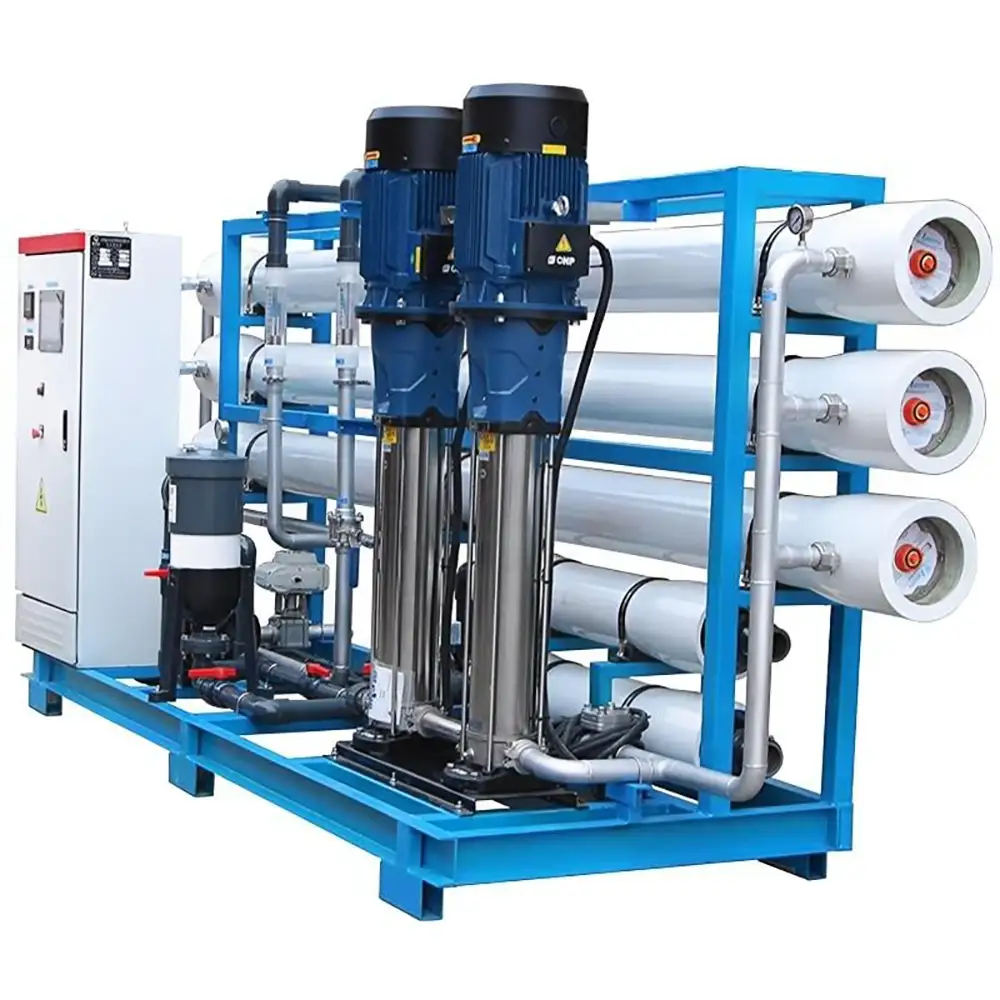
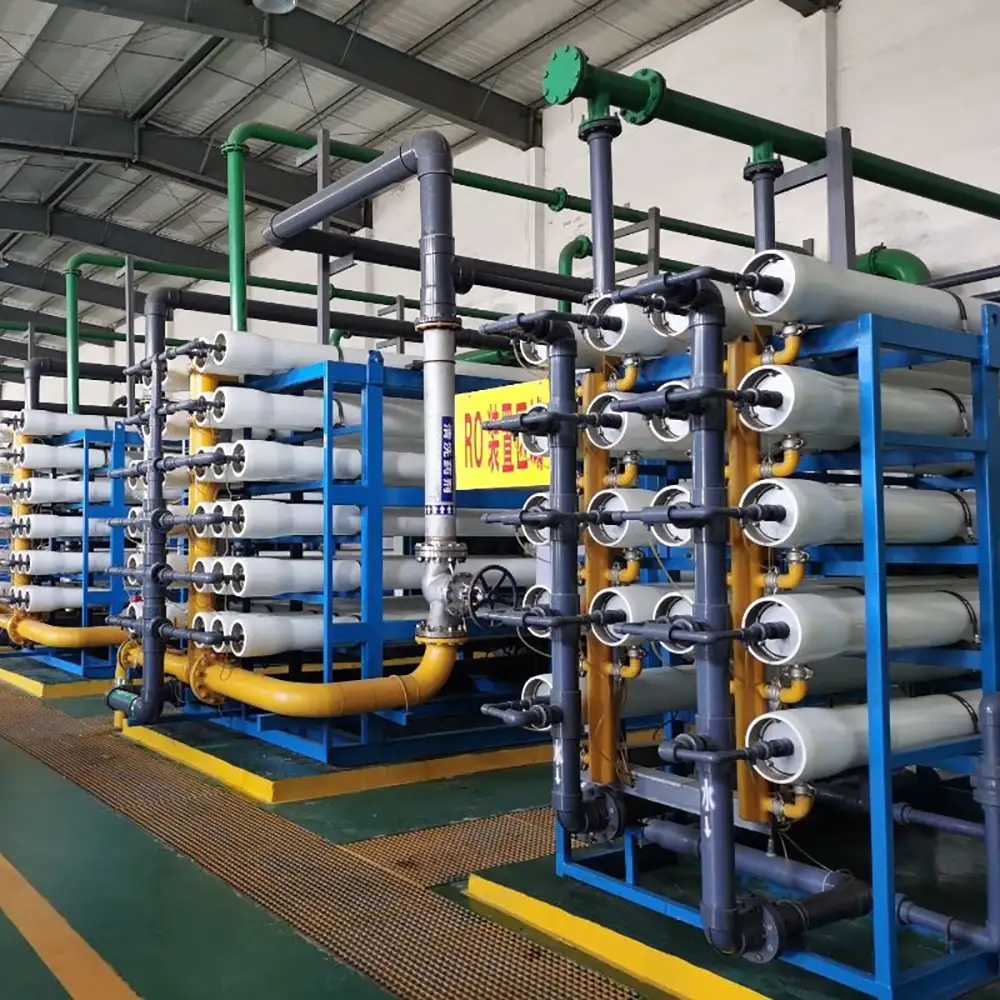
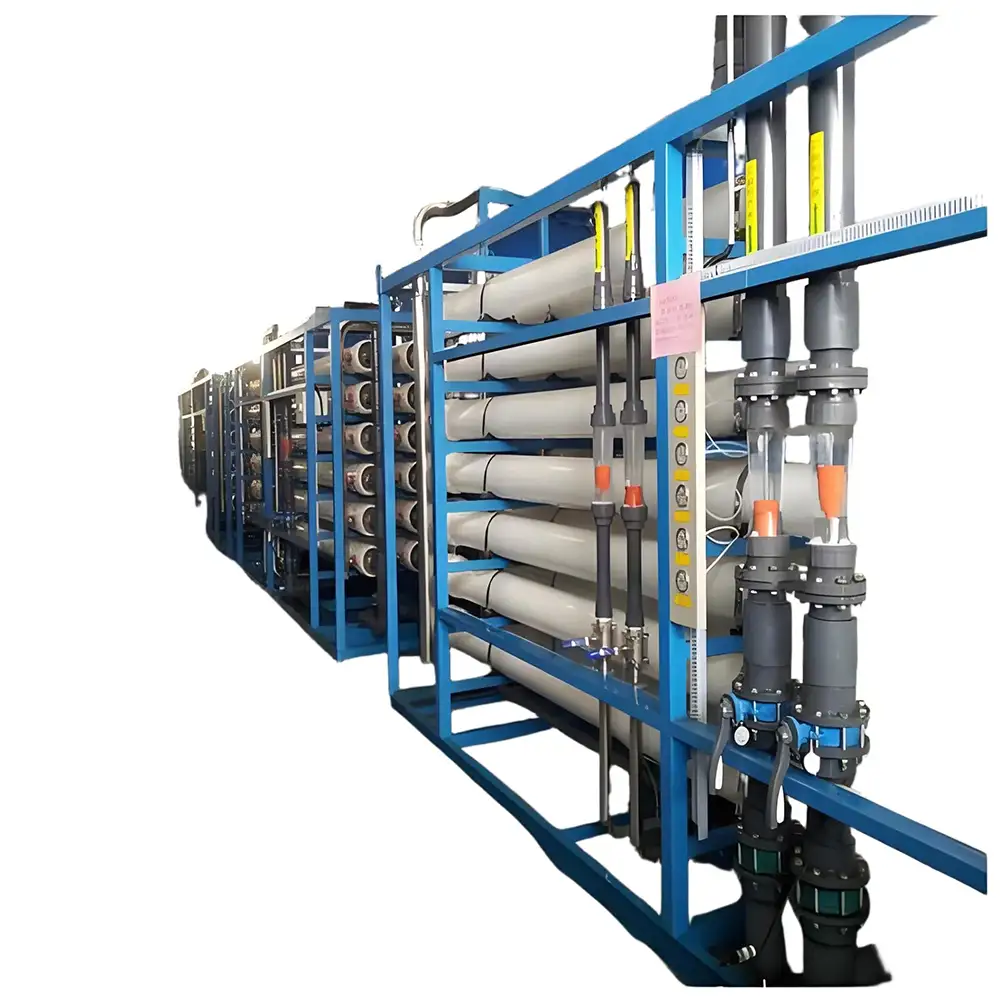
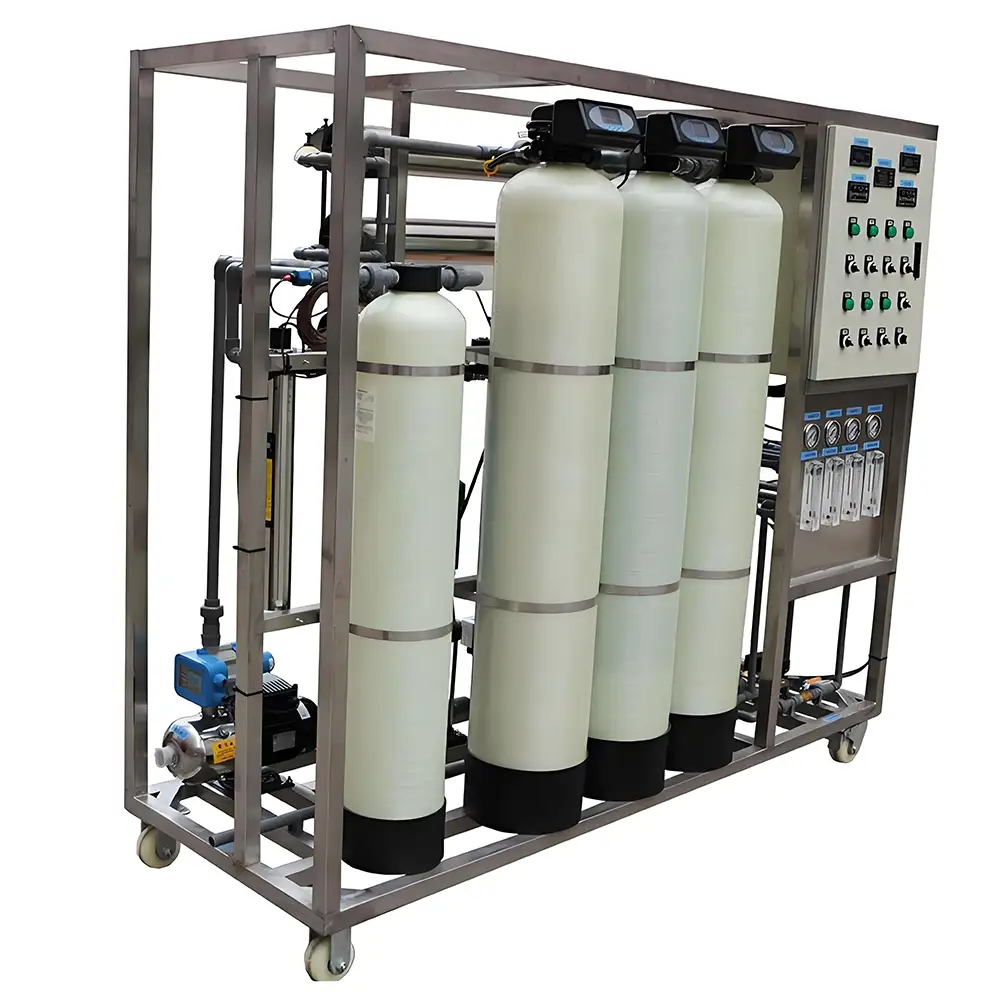
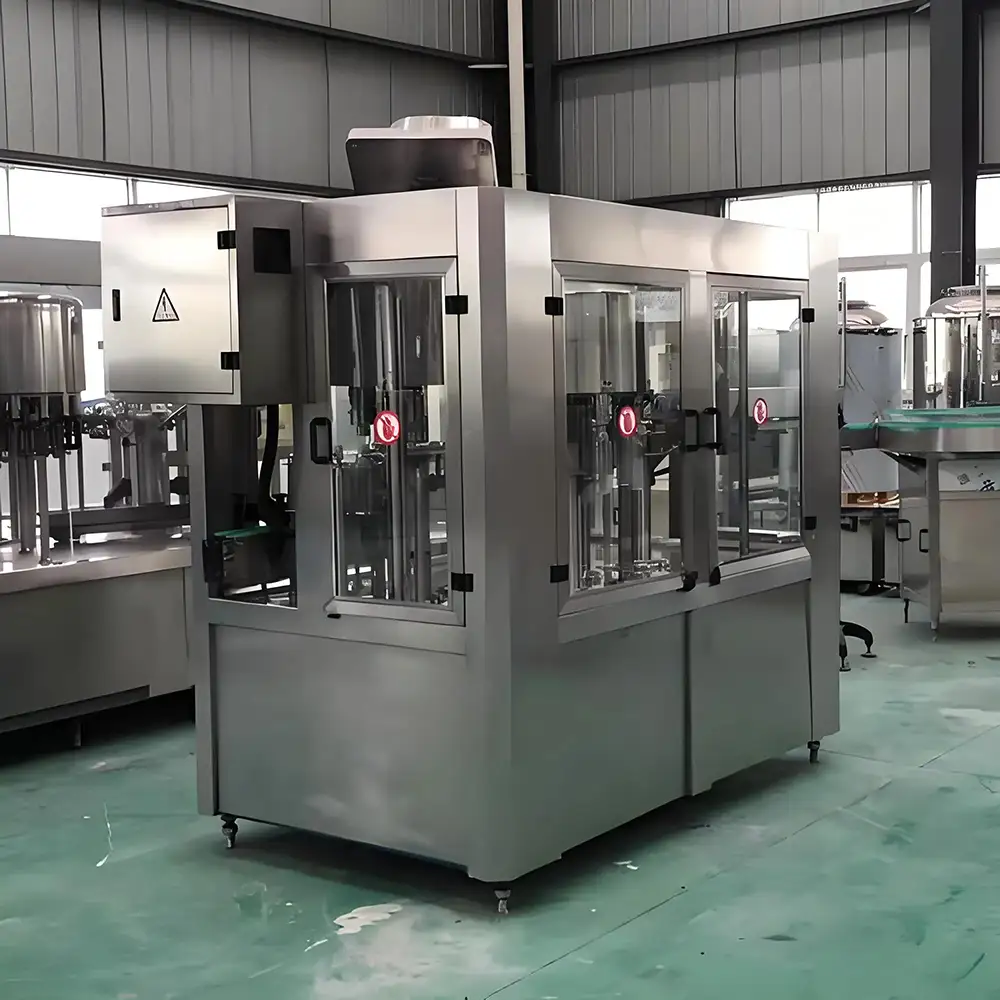
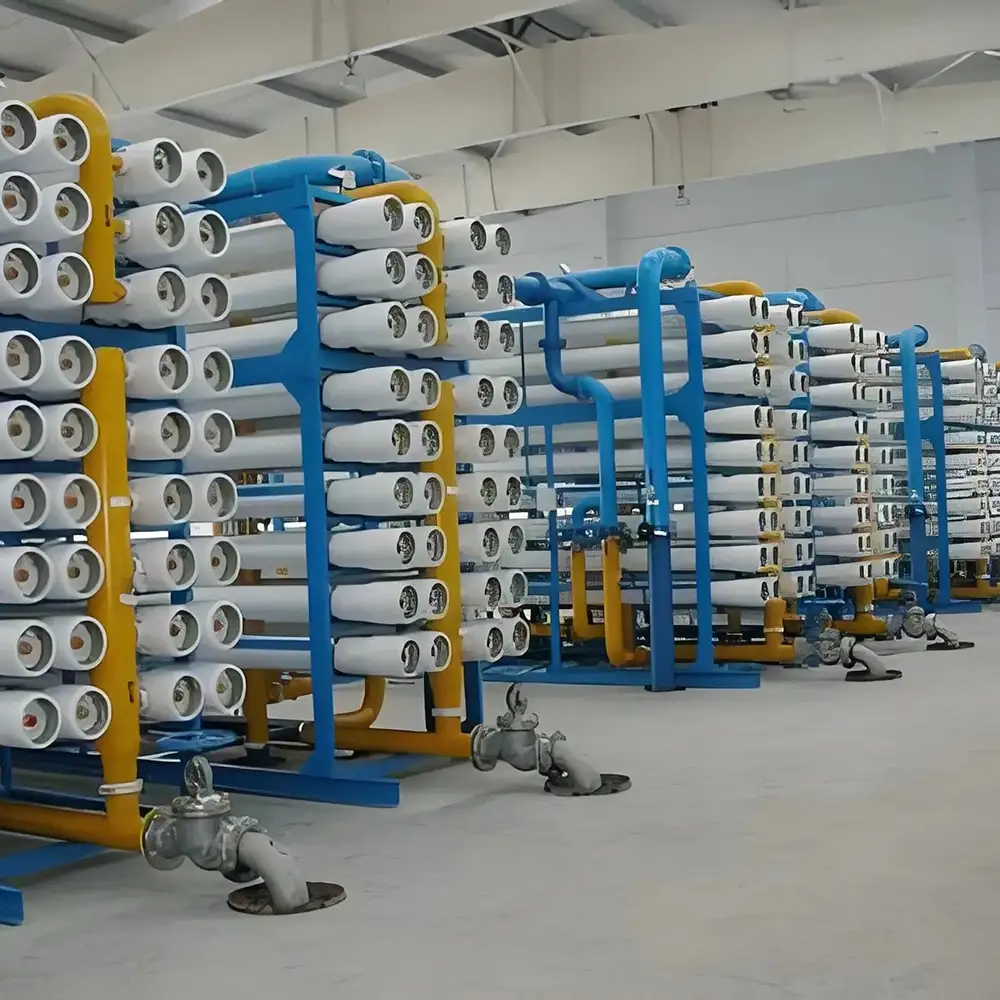
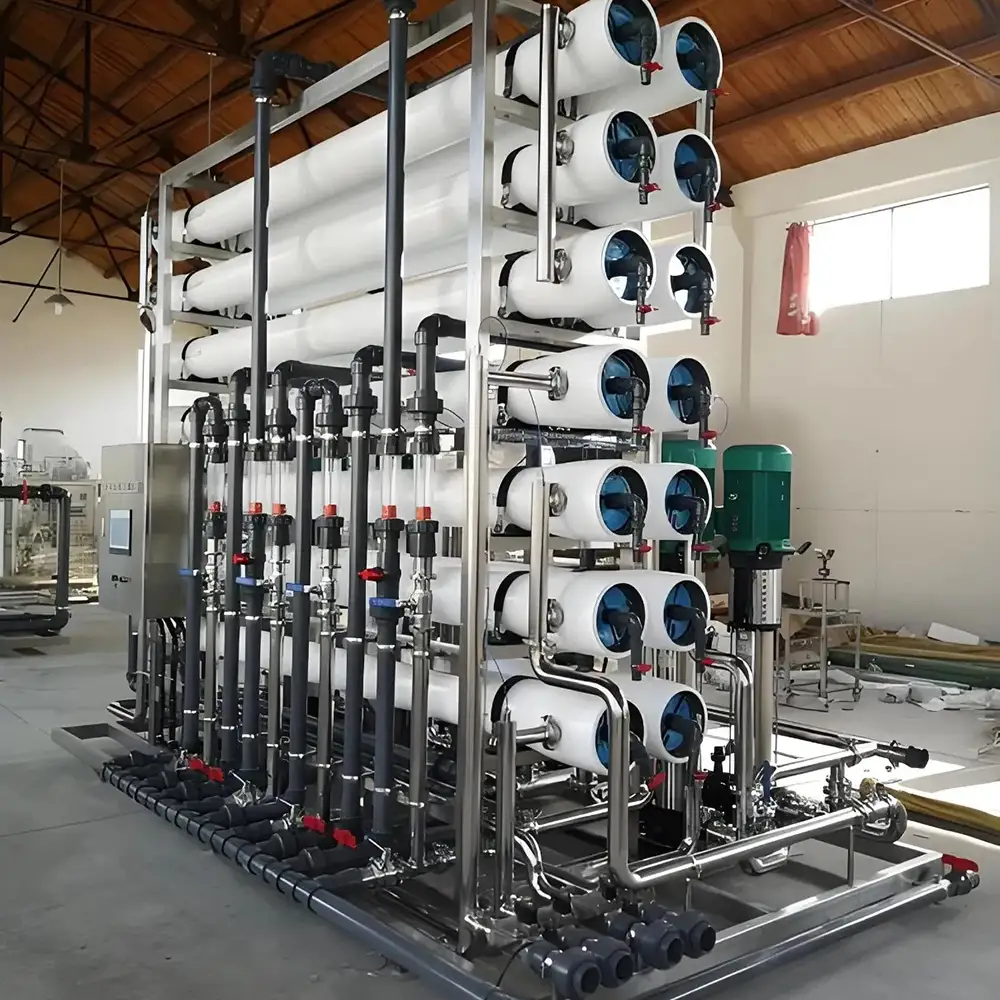
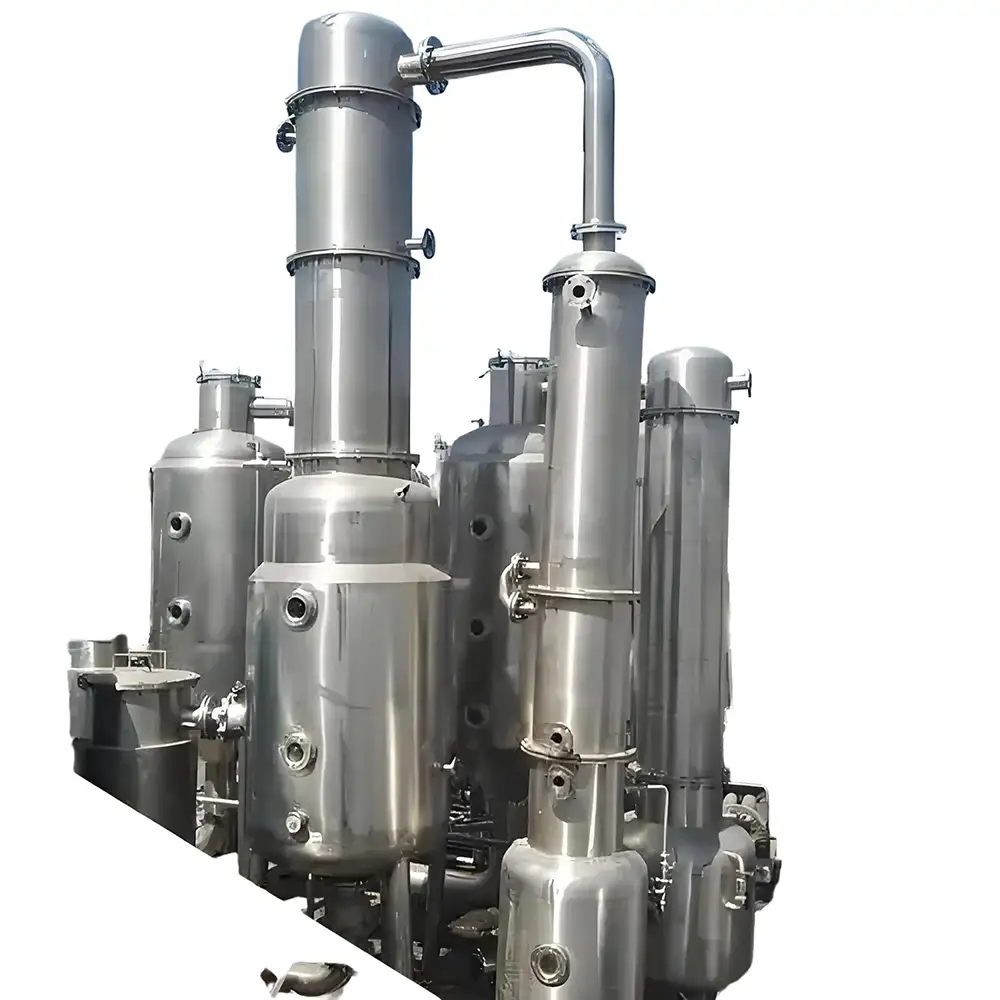
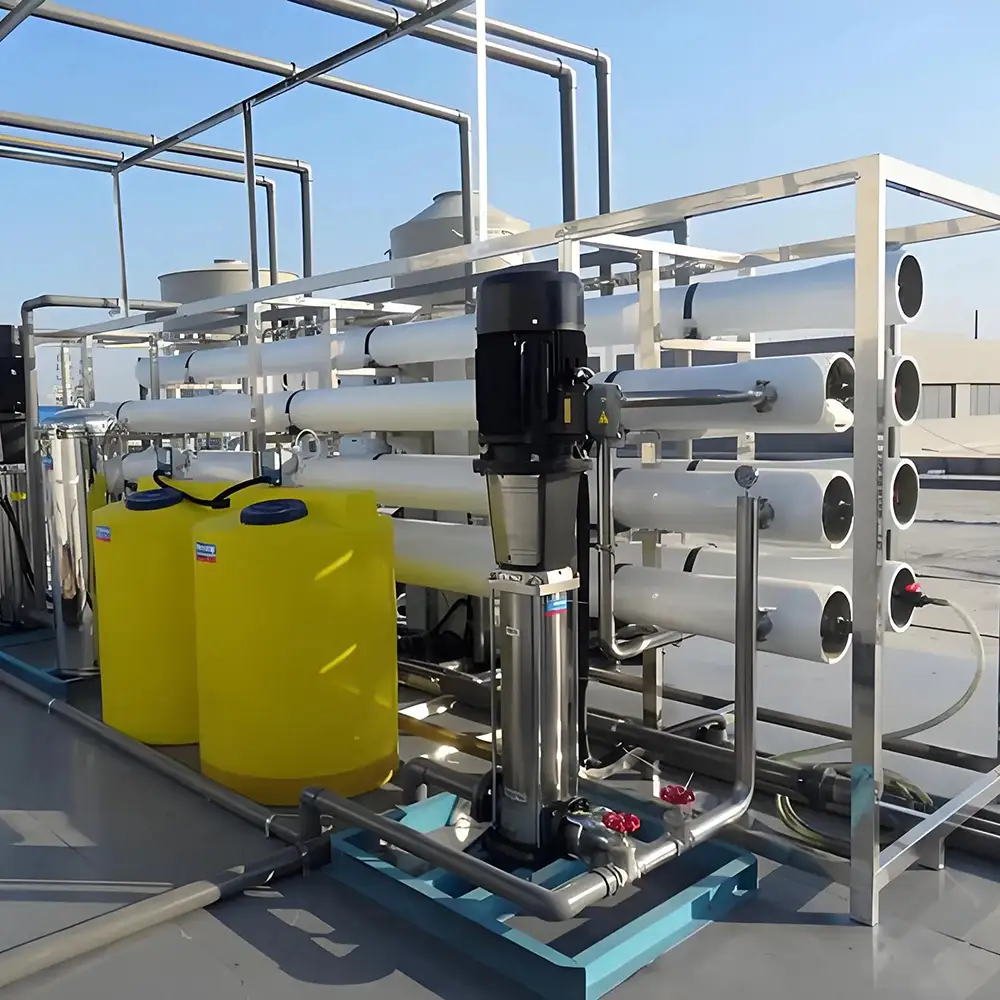
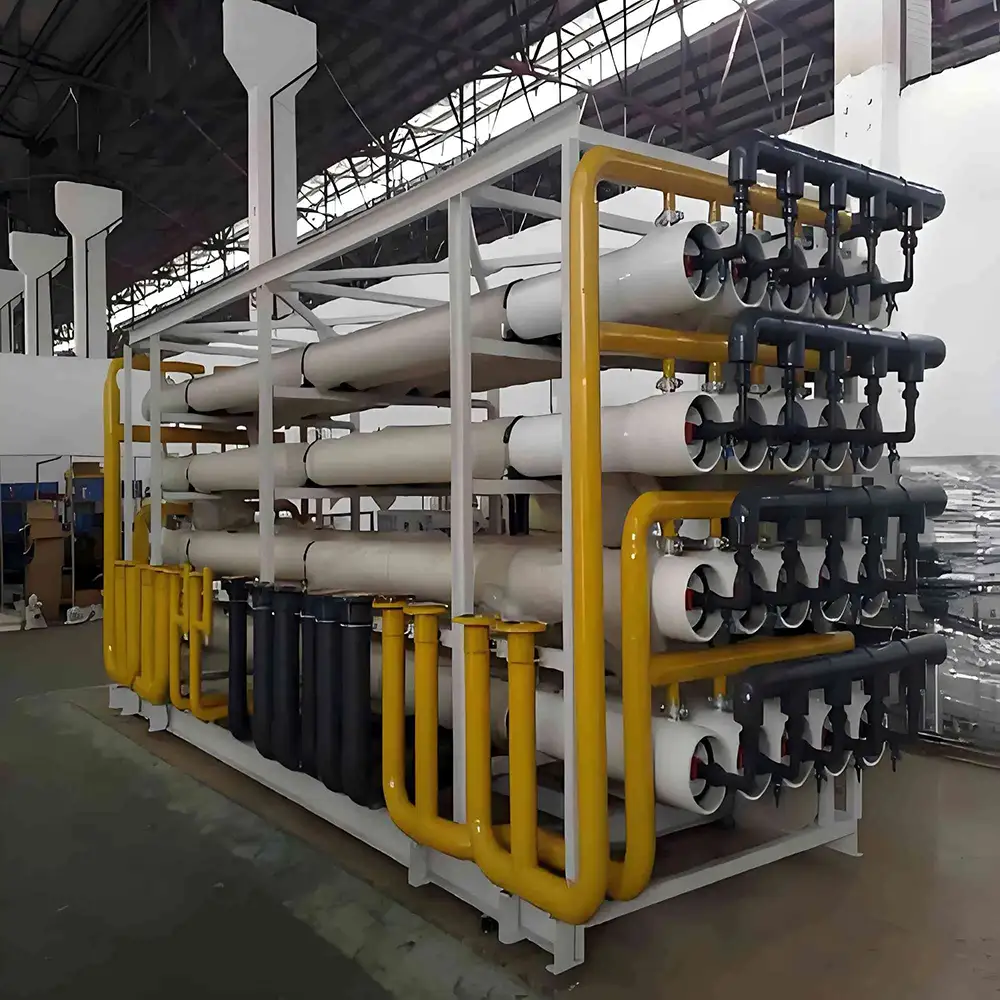
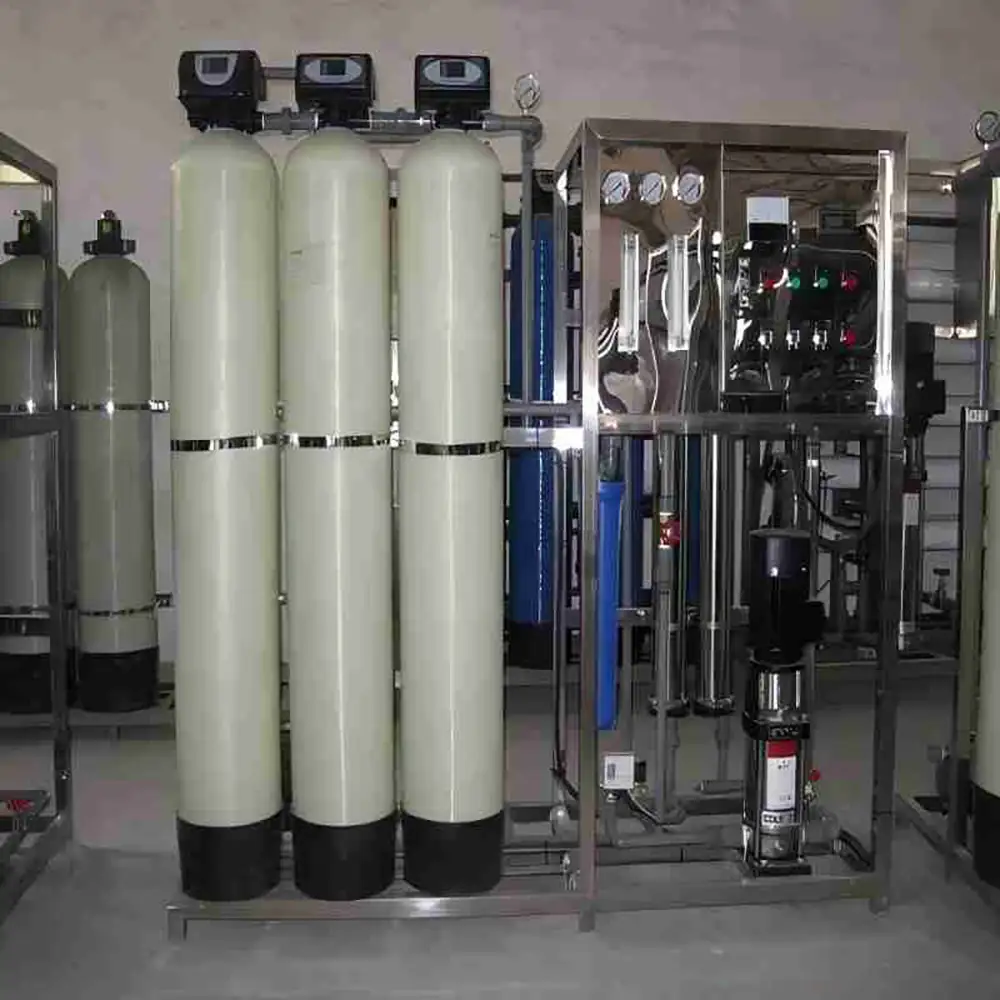
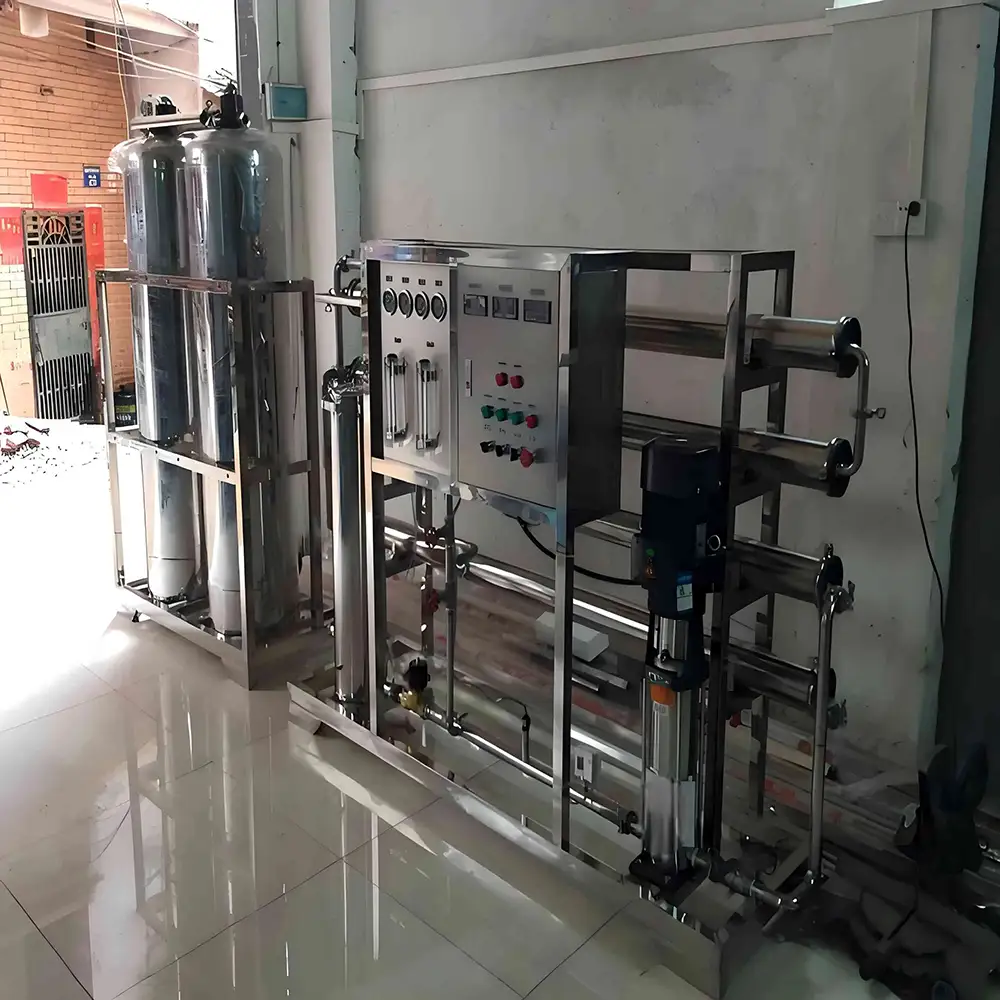
The reverse osmosis equipment passes the raw water through fine filters, granular activated carbon filters, compressed activated carbon filters, etc., and then pressurizes it through a pump, utilizing a pore size of 1/10000 μ The reverse osmosis membrane (RO membrane) of m (equivalent to 1/6000 of the size of Escherichia coli and 1/300 of the size of the virus) separates high concentration water into extremely low concentration water (i.e. pure water) and higher concentration water. Low concentration water is used, and high concentration water is discharged or reused as resources
Multifunctional RO Reverse Osmosis Pure Water Treatment System
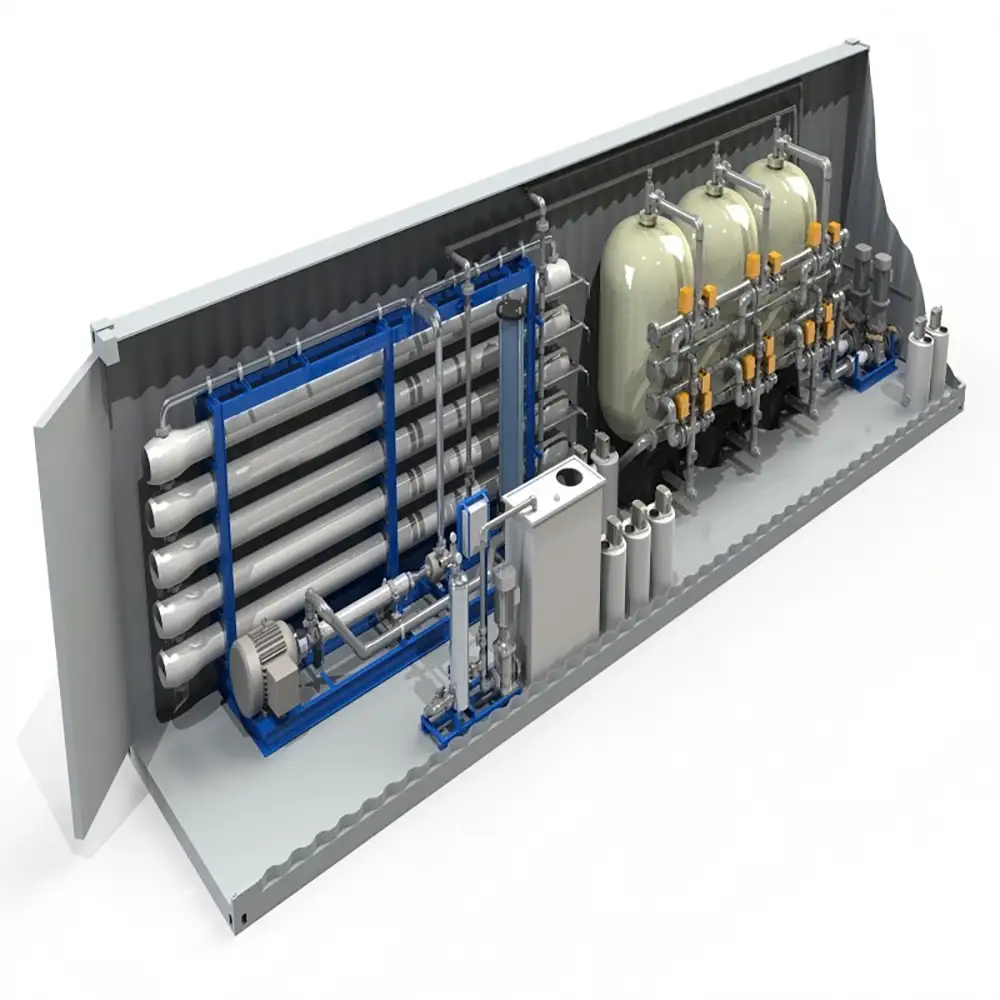
The Multifunctional RO Reverse Osmosis Pure Water Treatment System is an integrated water purification solution designed to reduce dissolved salts, total dissolved solids and a wide range of other contaminants from water. By combining pretreatment, high-pressure reverse osmosis membrane filtration and optional post-treatment processes, the system can be configured for different industrial, commercial and process-water requirements.
Reverse osmosis uses pressure to force feed water through a semipermeable membrane. Water that passes through the membrane becomes treated permeate, while rejected contaminants remain concentrated in the reject stream. RO is widely used for reducing dissolved solids, salts and many inorganic and synthetic organic contaminants.
The multifunctional configuration allows the treatment train to be customized according to raw-water quality, required production capacity and final water-quality targets.
Multifunctional Water Purification Design
A complete RO water treatment system can combine several treatment technologies in one integrated process.
A typical configuration may include:
Raw Water Tank
Feed Water Pump
Multimedia Filter
Quartz Sand Filter
Activated Carbon Filter
Water Softener
Cartridge Filter
High-Pressure Pump
RO Membrane System
Permeate Storage Tank
UV Disinfection
Final Filtration
Chemical Dosing
Automatic Control Cabinet
Not every project requires every component. The treatment process should be selected according to the source-water characteristics and the required finished-water quality.
EPA describes RO and nanofiltration as membrane separation processes that use pressure and semipermeable membranes to remove contaminants from water. Pretreatment is frequently required to reduce membrane fouling and plugging.
Reverse Osmosis Membrane Treatment
The RO membrane is the core component of the system.
During operation, feed water is pressurized and introduced to the membrane elements. A portion of the water passes through the membrane as permeate, while dissolved salts and other rejected constituents remain in the concentrate stream.
The system therefore produces two primary streams:
Feed Water → RO Membrane → Permeate + Concentrate
The actual rejection rate and recovery depend on membrane type, feed-water chemistry, operating pressure, temperature, flow rate and system design.
RO can be used for applications involving dissolved solids, salts, many inorganic contaminants and selected organic contaminants. It can also be applied to brackish water and seawater desalination when the appropriate membrane and high-pressure configuration are selected.
Pretreatment for RO Systems
Pretreatment is an important part of a reliable reverse osmosis system.
Raw water may contain suspended solids, turbidity, hardness, chlorine, organic matter, iron, manganese and other substances that can affect RO membrane performance.
A typical pretreatment sequence may use:
Raw Water → Sand Filter → Activated Carbon Filter → Softener → Cartridge Filter → RO
The multimedia or quartz sand filter can reduce suspended solids and turbidity. Activated carbon can be used for adsorption of selected organic compounds and for chlorine reduction when appropriate. A softener can reduce hardness that may otherwise contribute to scaling.
The exact pretreatment configuration should be based on water analysis rather than using the same arrangement for every water source.
EPA notes that pretreatment is frequently required for RO/NF systems to help prevent membrane fouling or plugging.
Pure Water Production
The purpose of a pure water treatment system is to provide water with substantially reduced dissolved contaminants compared with the incoming feed water.
RO can reduce:
Total Dissolved Solids
Dissolved Salts
Many Inorganic Contaminants
Selected Synthetic Organic Chemicals
Hardness-Related Constituents
Certain Trace Contaminants
However, RO does not automatically remove every contaminant under every operating condition. Actual treatment performance depends on membrane selection and feed-water characteristics.
For applications requiring additional microbial control or final polishing, downstream UV, ozone, ultrafiltration, ion exchange, EDI or other technologies may be incorporated.
Industrial RO Water Treatment System
The multifunctional RO system can be configured for a wide range of industrial applications.
Potential applications include:
Industrial Process Water
Boiler Feed Water
Cooling Water Makeup
Electronics Manufacturing
Pharmaceutical Water
Food And Beverage Processing
Chemical Production
Laboratory Water
Cosmetics Production
Textile Processing
Metal Finishing
Industrial Water Reuse
The appropriate configuration depends on the required water quality and process conditions.
For example, boiler-feed applications may require softening or additional demineralization, while electronics or pharmaceutical applications may require additional polishing after RO.
Commercial Pure Water Treatment
Commercial facilities may also use RO systems where consistent treated-water quality is required.
Potential applications include:
Hotels
Restaurants
Food Service
Beverage Facilities
Commercial Kitchens
Laundries
Schools
Hospitals
Laboratories
Office Buildings
Water Refill Facilities
A compact RO configuration can be designed where floor space is limited. Larger skid-mounted systems can be used where higher production capacity is required.
Automatic RO Water Treatment
The multifunctional RO system can be equipped with automatic controls for easier operation.
Depending on the configuration, automatic control functions can include:
Feed Pump Control
High-Pressure Pump Control
Low-Pressure Protection
High-Pressure Protection
Tank Level Control
Automatic Flush
Conductivity Monitoring
Flow Monitoring
Pressure Monitoring
Automatic Shutdown
Chemical Dosing Control
Alarm Management
An automatic shutoff mechanism is also included in EPA's WaterSense specification for point-of-use RO systems. Industrial systems can use more extensive PLC-based control depending on project requirements.
High-Pressure Pump and RO Operation
The high-pressure pump provides the pressure required to drive water through the RO membrane.
Pump selection depends on:
Required Feed Flow
Membrane Pressure
Number Of Membrane Elements
Water Temperature
Feed-Water TDS
Desired Recovery
Membrane Manufacturer Requirements
Higher salinity water may require greater operating pressure than lower-TDS feed water. Seawater RO systems, for example, require specialized membranes and high-pressure equipment.
The high-pressure pump should therefore be selected together with the membrane array rather than as an independent component.
RO Water Quality Monitoring
Water-quality monitoring helps operators understand system performance.
Common monitoring points include:
Feed Conductivity
Product Conductivity
Feed Pressure
RO Pressure
Concentrate Pressure
Permeate Flow
Concentrate Flow
Recovery Rate
Tank Level
Temperature
Conductivity is commonly used as an operational indicator of dissolved-ion rejection.
Monitoring permeate conductivity over time can help identify changes in membrane performance. Increasing product conductivity may indicate membrane aging, fouling, scaling, seal problems or other operating issues and should be investigated.
Multifunctional Modular Configuration
One advantage of a multifunctional RO system is modularity.
The system can be designed as a skid-mounted or integrated treatment unit with major components arranged on a common frame.
A modular design can simplify:
Factory Assembly
Transportation
Installation
Piping Connections
Electrical Wiring
Commissioning
Equipment Maintenance
Future Expansion
Different capacities can be achieved by changing the number and arrangement of membrane elements, pumps and pretreatment equipment.
RO Membrane Maintenance
RO membranes require appropriate operating conditions and routine maintenance.
Important maintenance activities include:
Monitoring feed and permeate conductivity.
Checking operating pressure.
Inspecting cartridge filters.
Monitoring differential pressure.
Checking pretreatment performance.
Performing membrane flushing when required.
Conducting chemical cleaning when indicated.
Checking pump operation.
Inspecting valves and pipe connections.
Replacing filters and membranes according to condition.
EPA notes that RO systems require filter and membrane maintenance, and that treatment performance depends on maintaining the system according to its operating requirements.
Water Recovery and Concentrate Management
RO produces both treated water and a concentrate stream. The concentrate contains a higher concentration of substances rejected by the membrane.
Therefore, concentrate management should be considered during system design.
Possible approaches depend on local regulations and the application and may include:
Drain Discharge
Sewer Discharge
Concentrate Collection
Further Treatment
Evaporation
Beneficial Reuse Where Appropriate
RO recovery should not be maximized without considering scaling, fouling and concentrate chemistry.
EPA notes that RO systems reject part of the feed water as concentrate and that concentrate disposal can be an important design consideration.
Why Choose Us
The Multifunctional RO Reverse Osmosis Pure Water Treatment System combines membrane purification with flexible pretreatment and optional polishing technologies for different water-treatment applications.
Key advantages include:
Multifunctional Treatment: Pretreatment, RO and optional post-treatment can be combined into one integrated system.
Effective Dissolved-Solids Reduction: RO can reduce TDS, salts and many dissolved contaminants.
Flexible Configuration: Components can be selected according to raw-water quality and final-water requirements.
Industrial Applications: Suitable for process water, boiler feed, cooling makeup and manufacturing applications.
Commercial Applications: Can be configured for hotels, restaurants, laboratories and other commercial facilities.
Automatic Operation: PLC-based controls can automate pumps, valves, alarms and operating sequences.
Modular Design: Skid-mounted configurations can simplify installation and commissioning.
Water Quality Monitoring: Pressure, flow and conductivity monitoring can support system management.
Scalable Capacity: Membrane quantity and system configuration can be adjusted according to production requirements.
Integrated Engineering: Pretreatment and RO components can be matched as one complete treatment process.
FAQs
1. What Is a Multifunctional RO Water Treatment System?
It is an integrated water purification system that combines reverse osmosis with one or more pretreatment or post-treatment processes, such as sand filtration, activated carbon, softening, UV or final filtration.
2. How Does Reverse Osmosis Work?
RO uses pressure to force feed water through a semipermeable membrane. Treated water passes through the membrane while rejected substances remain in the concentrate stream.
3. What Can an RO System Remove?
RO can reduce many dissolved salts, inorganic contaminants, dissolved solids and selected synthetic organic chemicals. Actual removal depends on membrane type and feed-water characteristics.
4. Is Pretreatment Necessary Before RO?
Often, yes. Pretreatment can reduce suspended solids, hardness, chlorine and other substances that may contribute to membrane fouling or plugging. The exact pretreatment process should be based on water analysis.
5. Can This System Produce Pure Water?
It can produce highly treated water with substantially reduced dissolved solids. The final water quality depends on the feed water, membrane, system design and any additional polishing stages.
6. Can the RO System Be Used for Industrial Water?
Yes. RO systems are widely used for industrial and process-water applications, including boiler feed, manufacturing, food processing and water reuse.
7. Can the System Include a Water Softener?
Yes. A water softener can be installed as part of the pretreatment stage when hardness control is required.
8. Can UV Disinfection Be Added?
Yes. UV can be added downstream of RO when additional microbial-control treatment is appropriate for the application.
9. What Is RO Recovery?
RO recovery is the percentage of feed water converted into permeate. Higher recovery is not always better because concentrate chemistry, scaling and membrane fouling must also be considered.
10. What Is RO Concentrate?
RO concentrate, also called reject or brine, is the portion of feed water that does not pass through the membrane and contains a higher concentration of rejected substances.
11. How Often Should RO Membranes Be Replaced?
There is no universal replacement interval. Membrane life depends on feed-water quality, pretreatment, operating pressure, cleaning practices, temperature and operating conditions.
12. What Information Is Needed to Select an RO System?
Important information includes feed-water source, water analysis, TDS, hardness, conductivity, temperature, required permeate capacity, target water quality, operating hours and concentrate-disposal conditions.
Prev:
Water Purification Equipment/Chlorine Removal/Silt Removal/Sewage Treatment Plant/RO Reverse Osmosis System/Filtration
Next:
RO Water Treatment System for Water Purificatio and Drinking Water Production
TAG:
Industrial Water Purification System,
RO Water Purification System,
Pure Water Treatment System,
Industrial Pure Water System,
Industrial RO Water Treatment,
RO Water Treatment Plant,
Brackish Water RO System,
Industrial Reverse Osmosis System,
Seawater RO System,
Industrial RO System,
Seawater Reverse Osmosis,
RO Desalination System,
RO Concentrate Treatment,
RO Water Treatment System,
Automatic Water Purification System,
Commercial RO System,
Industrial RO Water Purification,
Pure Water Purification System,
RO Membrane System,
RO Filtration System,
RO Membrane Water Treatment,
Reverse Osmosis Water Purification,
Reverse Osmosis System,
RO Reverse Osmosis System,
RO Water Treatment Equipment,
Boiler Feed Water RO System,
RO Water Purification Equipment,
Reverse Osmosis Treatment Plant,
RO Treatment Plant,
RO UV Water Treatment,
Related Category:
Multifunctional RO Water Treatment System,Reverse Osmosis Water Treatment System,RO Pure Water Treatment System China, suppliers, manufacturers, factory, customized, wholesale, quotation, made in China