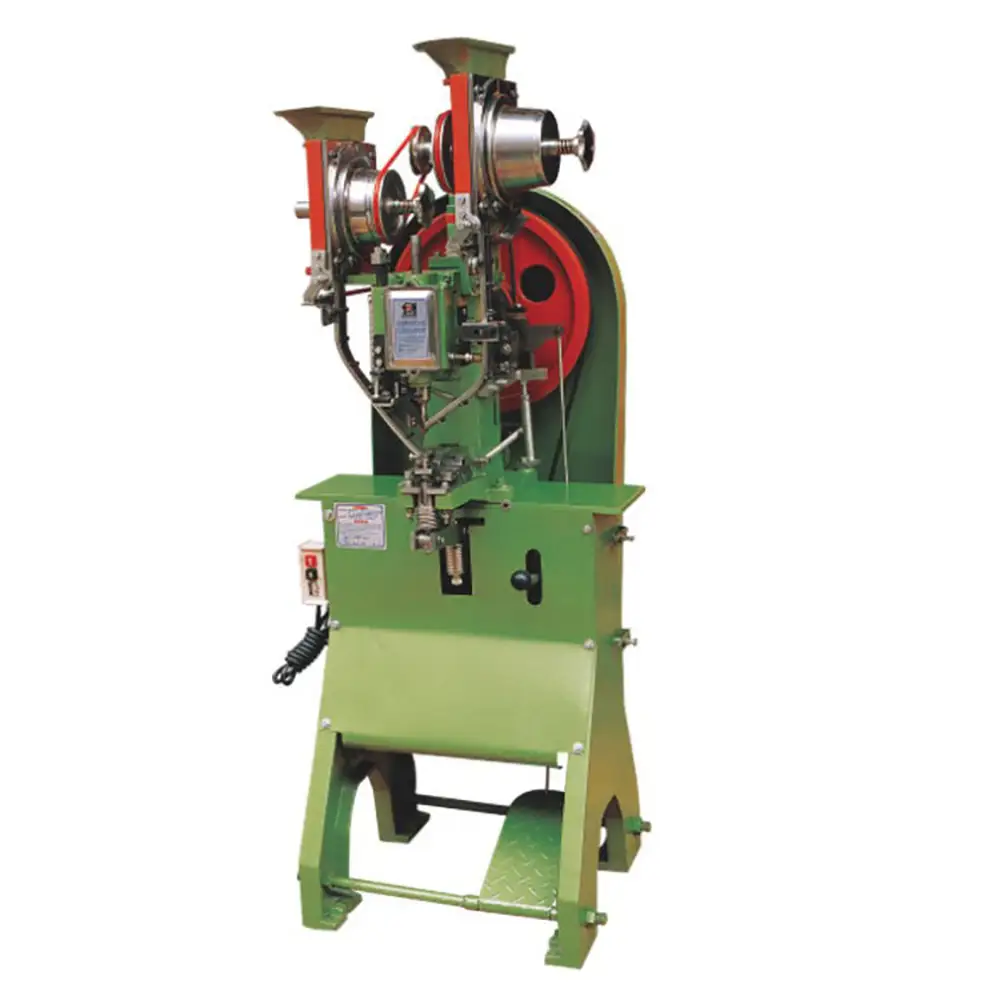
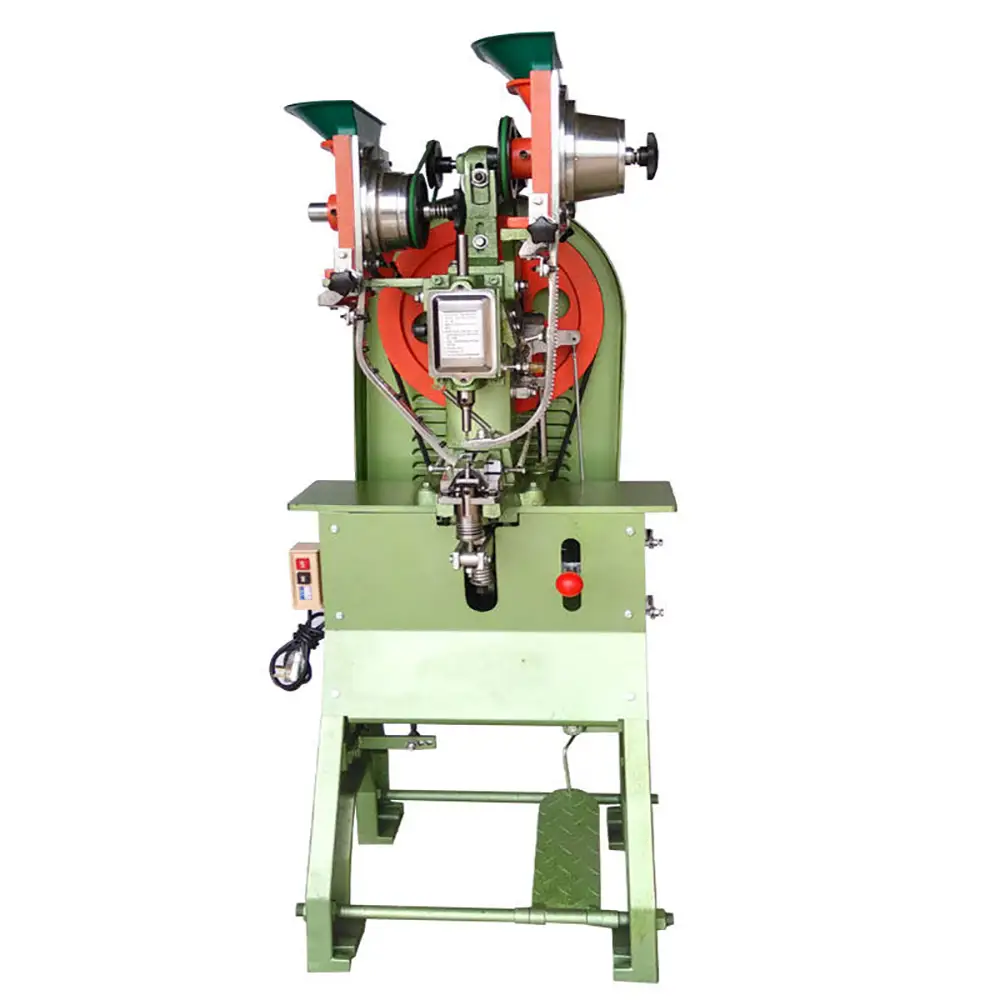
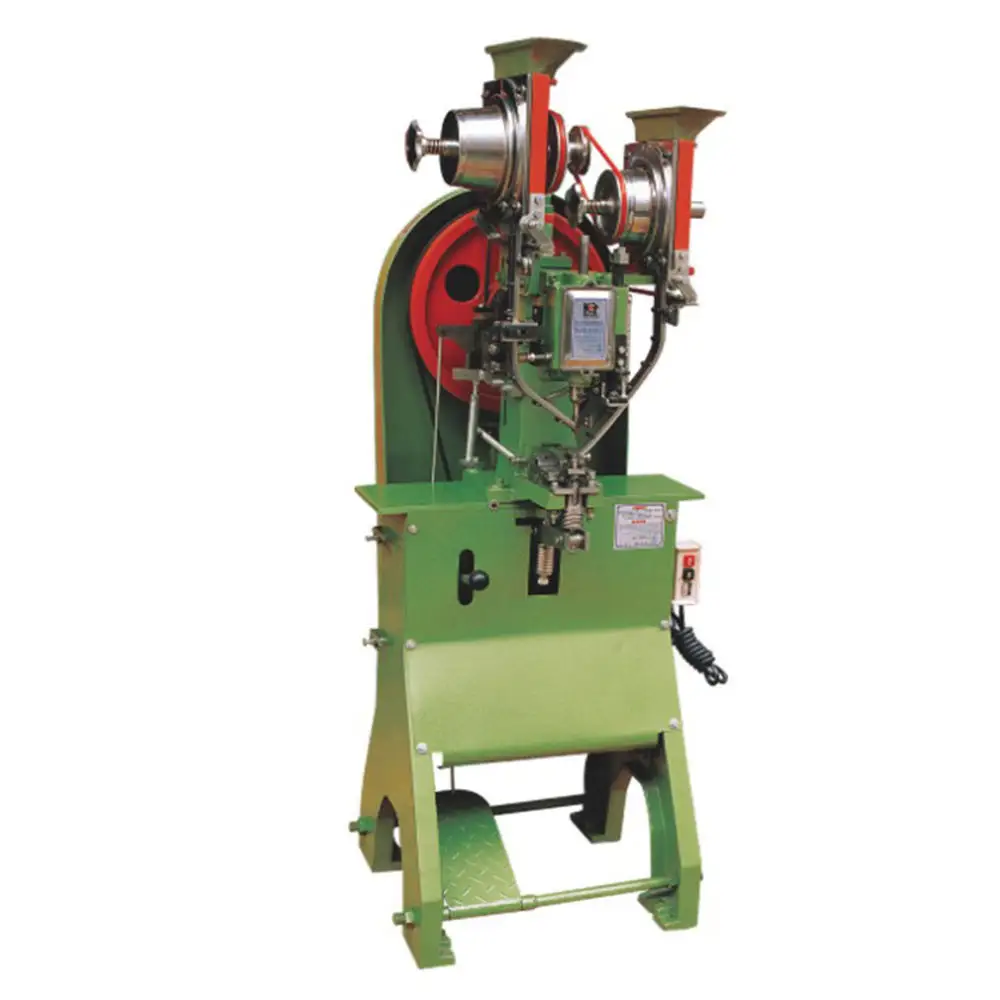
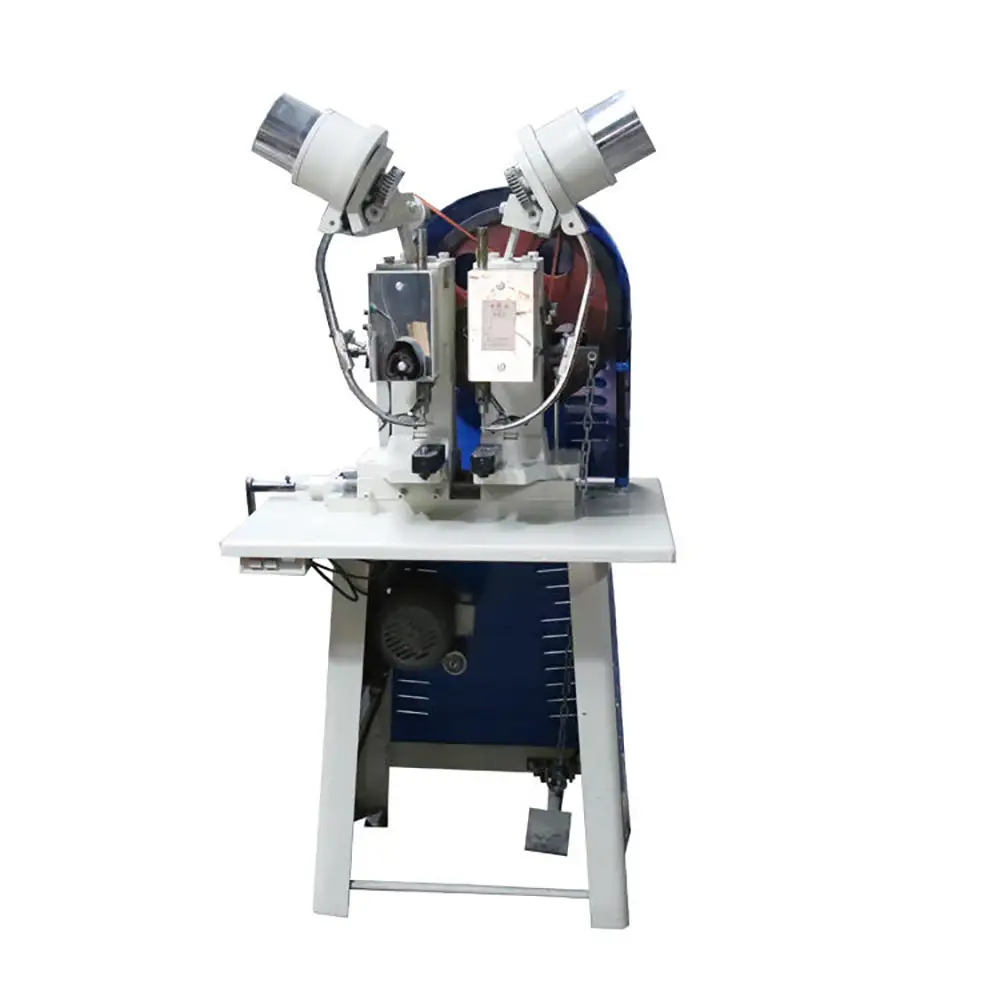
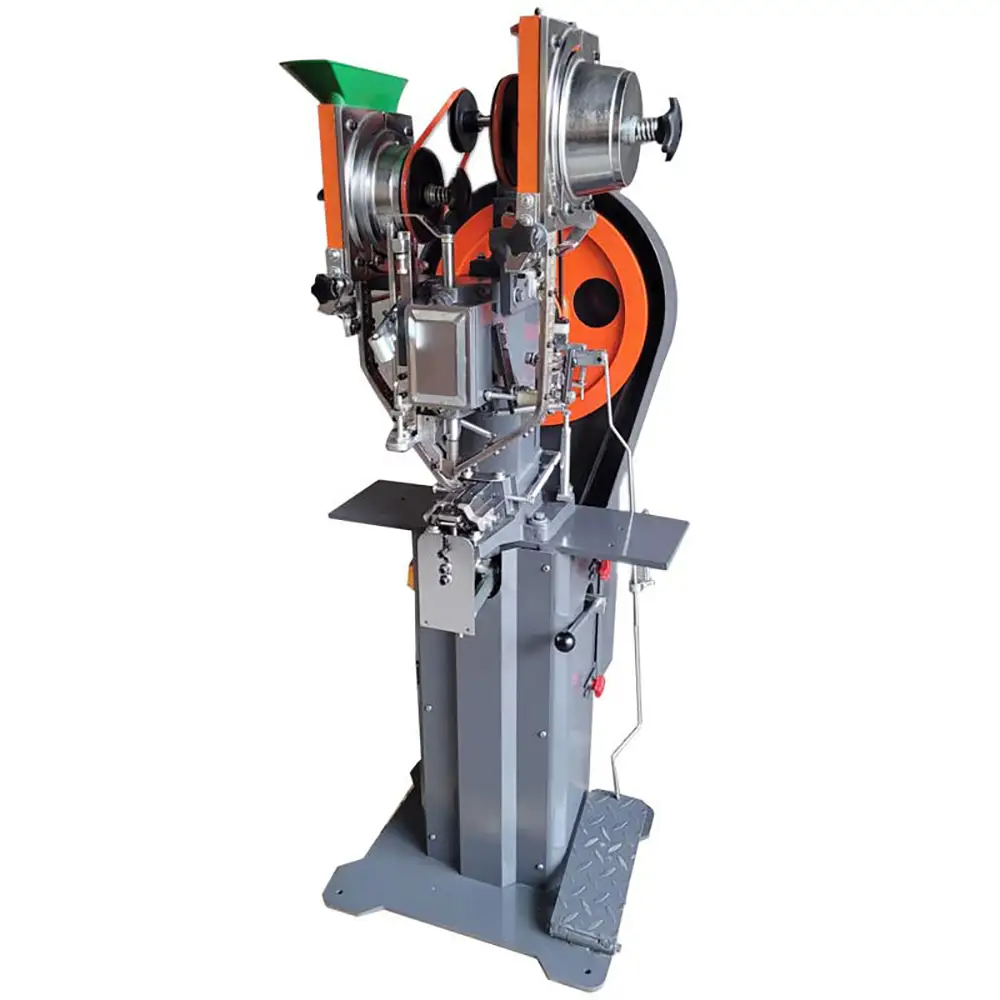
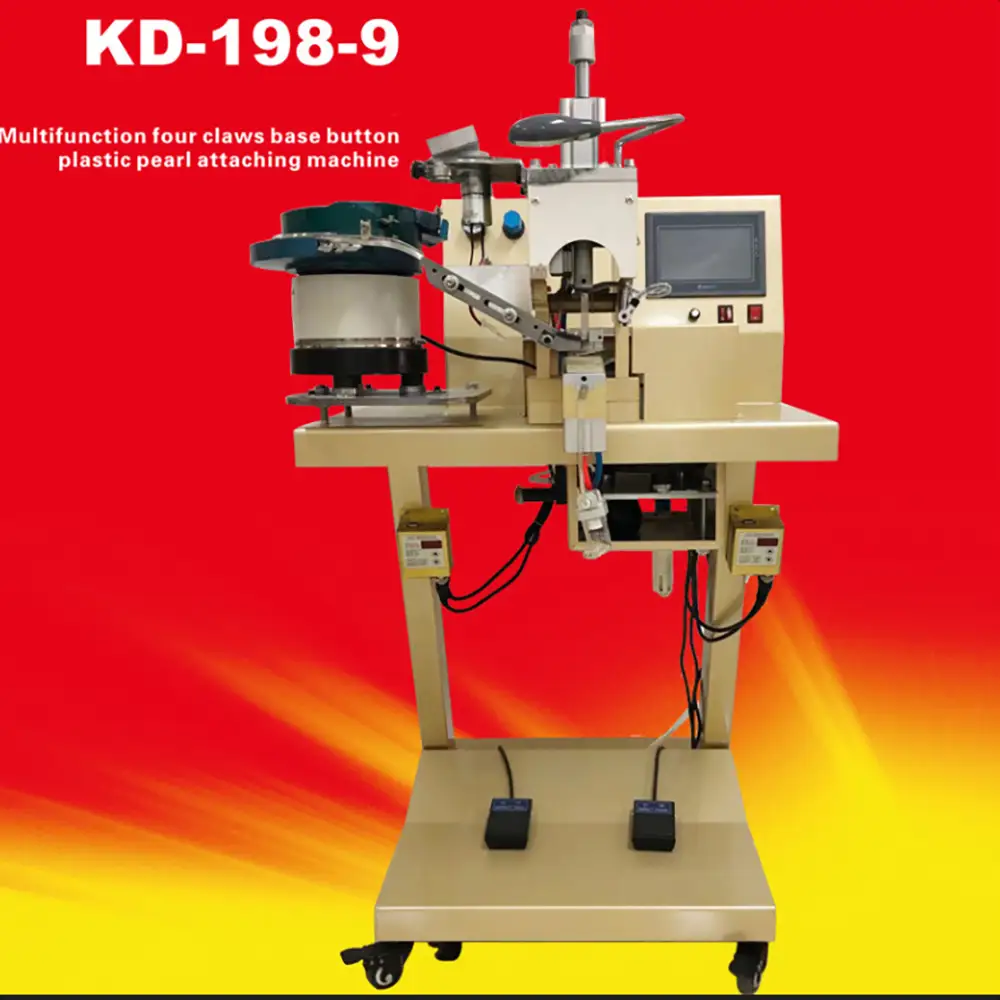
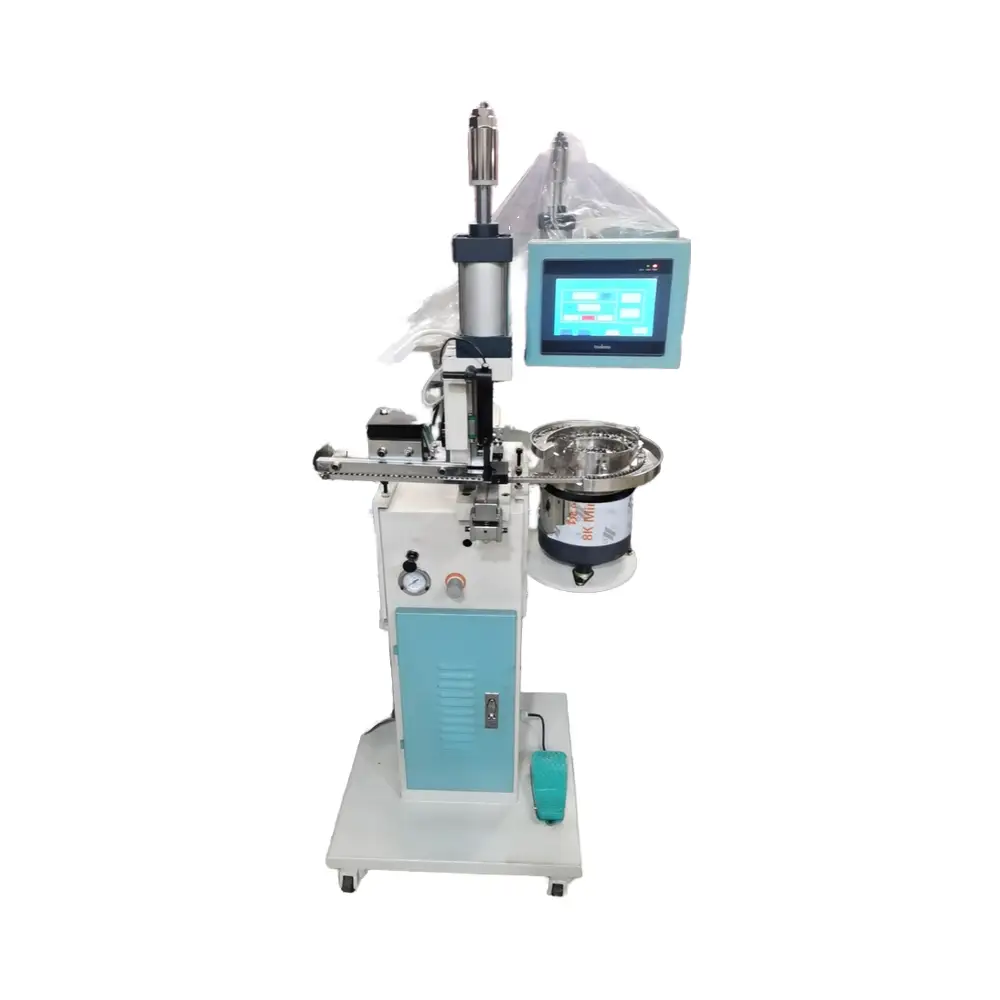
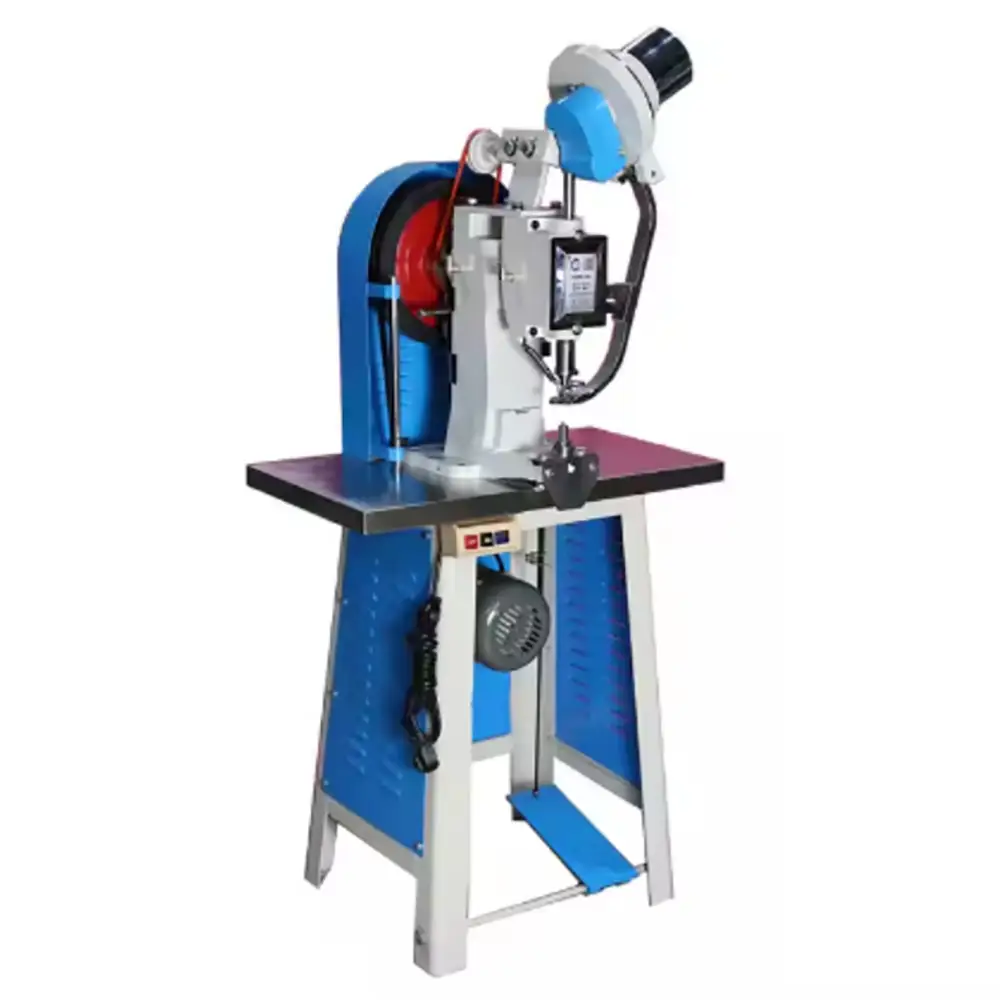
Preparation and operation 1. Check whether the machine is stable.
2. Whether the power socket is inserted firmly.
3. Check whether there are foreign objects in the rocker arm, flywheel and guide rail.
4. Turn on the power and try the pedals. If the machine is running normally, the preparation is complete.
5. Place the hole of the required riveting parts on the floating center needle for riveting action.
6. Step down the pedal to rivet the rivet into the hole of the component, and then return to the original top dead center to
complete the work in a cycle.
riveting machine maintenance
1. First of all, the power must be turned off, and the cleaning should be carried out according to the principle of from inside to outside and from top to bottom.
2. Cleaning the rivet storage tank: remove the rivet storage tank and take out the excess rivets to prevent the remaining rivets from being confused during subsequent production and causing damage to the riveted product. Clean it with a cotton cloth and put it back after cleaning.
3. Clean the guide rail, move the guide rail to make the remaining rivets flow into the guide groove of the clamp nozzle, press down the sliding frame to take out the remaining rivets from the clamp nozzle, and wipe the inside of the guide rail, the clamp nozzle and the upper die rod with a cotton cloth .
4. Clean the funnel, unscrew the fixing nut of the funnel, take down the pressure, etc., take off the funnel, use a flat-head
screwdriver to clean the excess rivets in the funnel, wipe it clean with a cotton cloth, and put it back in the order of disassembly.
5. Clean the lower mold base, remove the protective cloth cover of the lower mold base, and clean the remaining gasket on the floating center needle.
|
Rivet ability |
Φ5-15mm |
|
Rivet diameter |
3-12mm |
|
Rivet length |
3-8mm |
|
Throat depth |
130mm |
|
Motor |
1/2HP
|
|
size |
600*650*500mm |
|
Net weight |
180kg |
Single-Sided Double-Sided Snap-In Rivets Riveting Machine
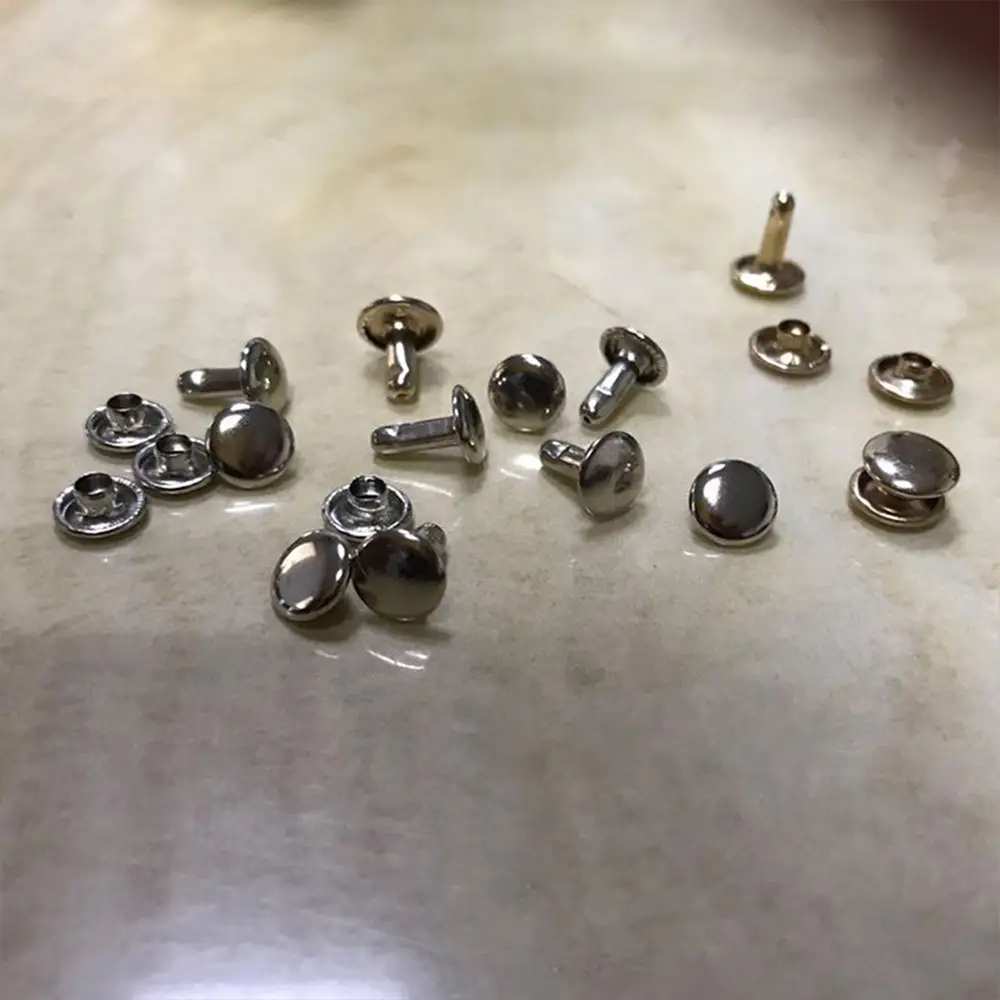
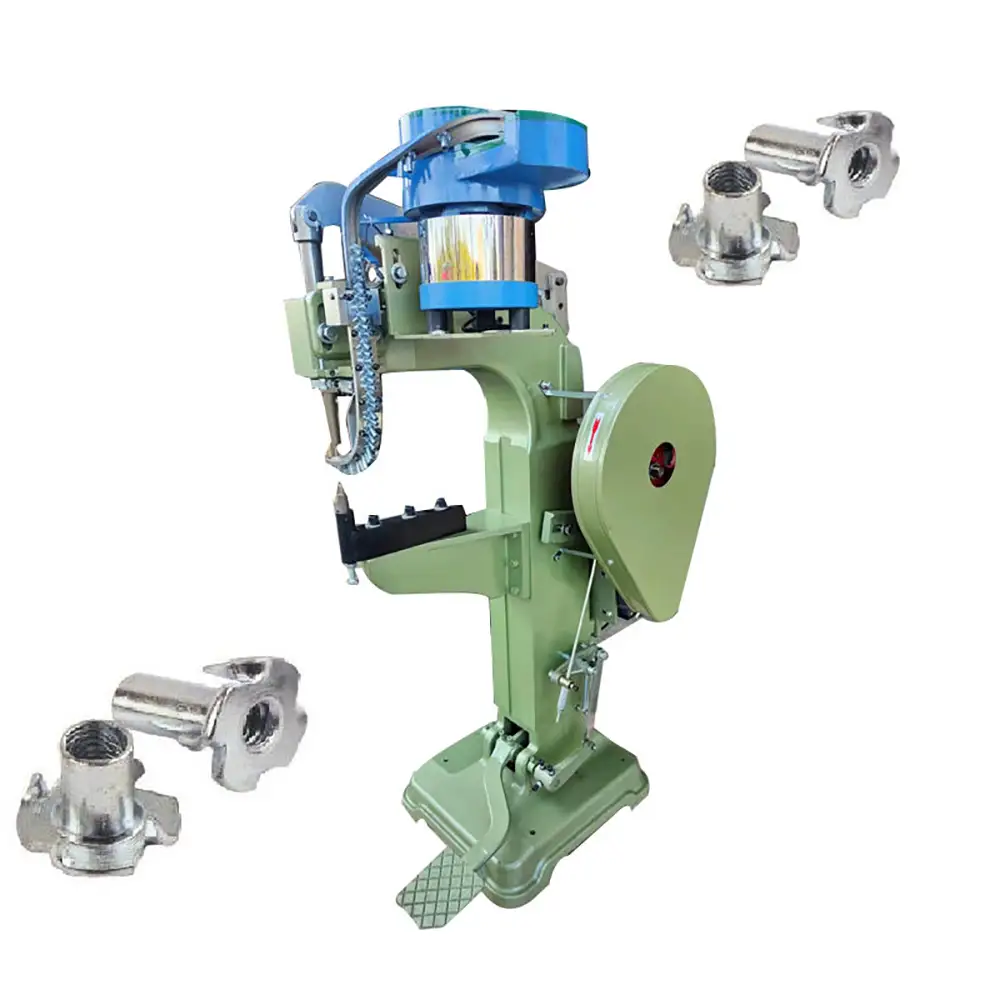
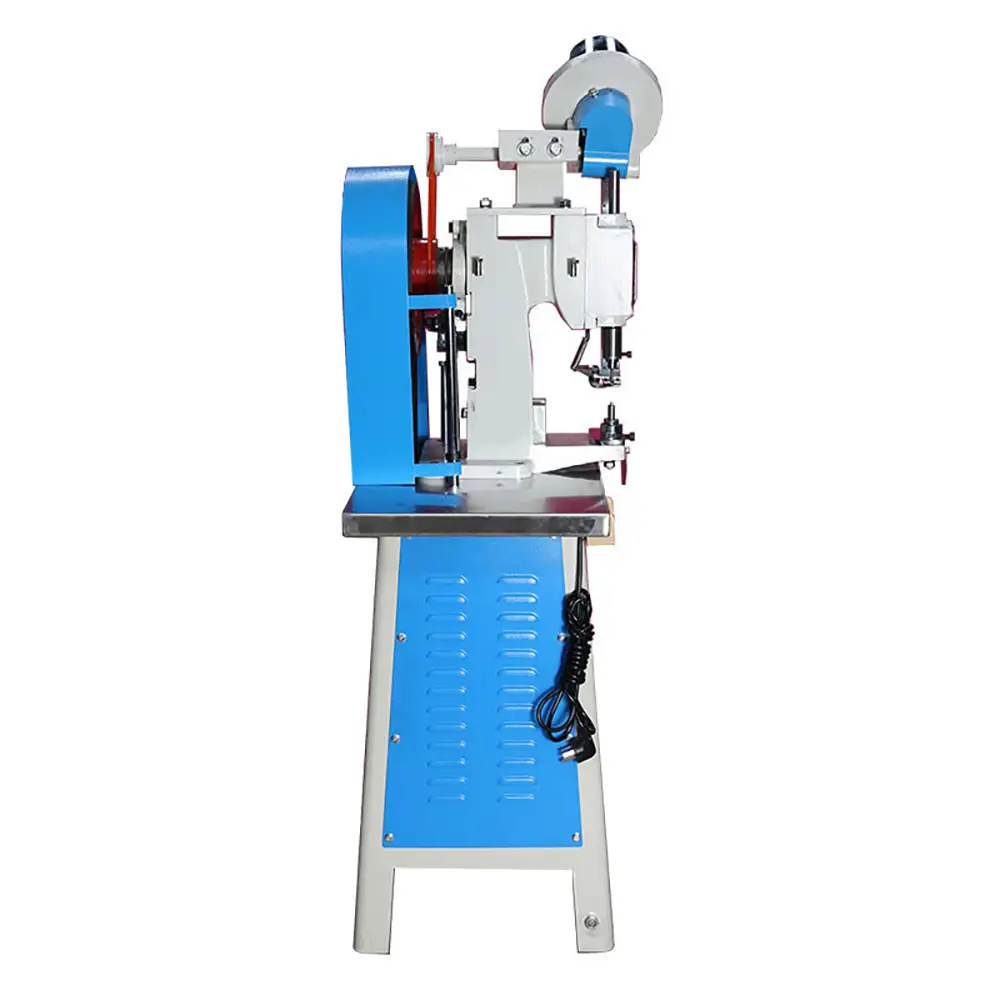
The Single-Sided Double-Sided Snap-In Rivets Riveting Machine is a versatile industrial fastening solution designed for manufacturers that need efficient and consistent installation of different types of rivets. The machine is suitable for single-sided rivets, double-sided rivets, snap-in rivets, and other compatible rivet fasteners, making it a practical choice for hardware, leather goods, bags, footwear, stationery, clothing accessories, lighting components, and various industrial products.
Riveting is widely used to permanently or securely connect two or more components without conventional welding or threaded fasteners. For manufacturers handling high-volume production, manual rivet installation can be time-consuming and may produce variations in positioning and fastening quality. An industrial riveting machine helps standardize the process while improving production efficiency and reducing repetitive manual operations.
Multi-Type Rivet Installation
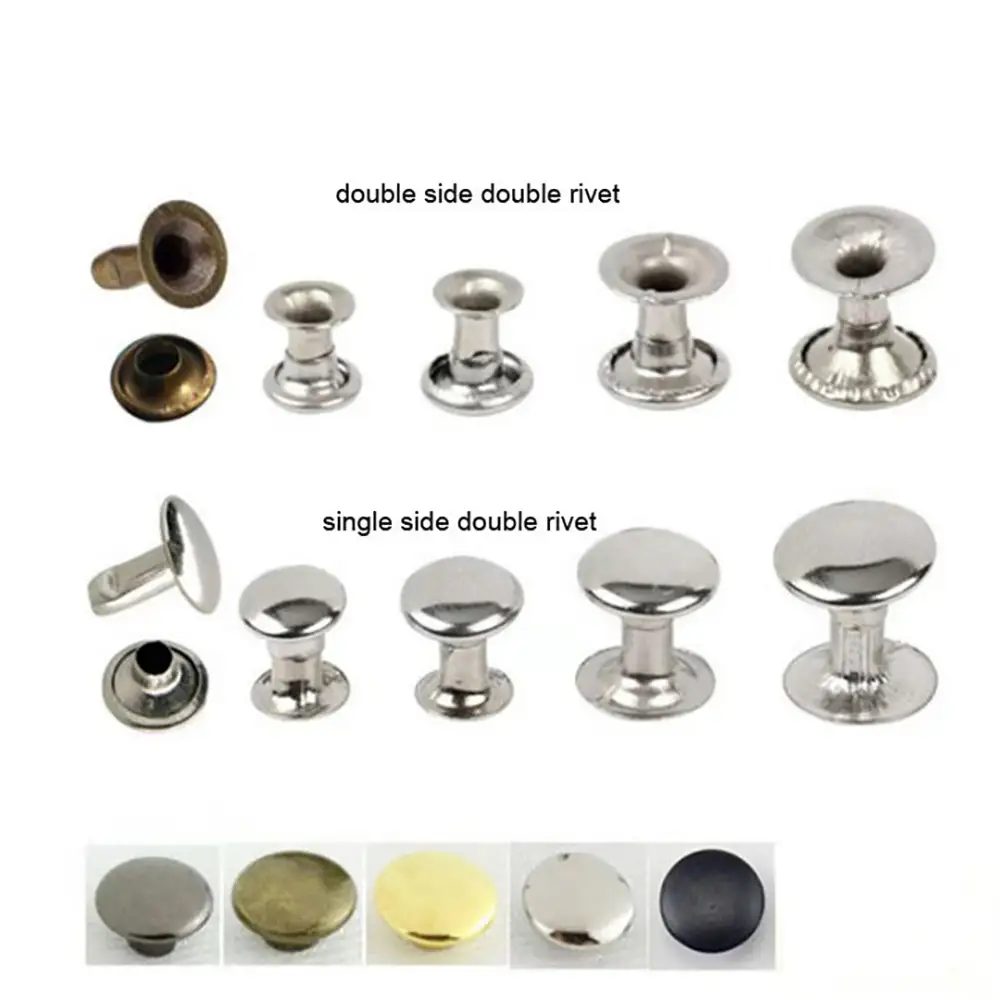
One of the main advantages of this machine is its ability to support different rivet configurations. Depending on the machine setup and tooling, it can be used for single-sided rivets, double-sided rivets, and snap-in rivets.
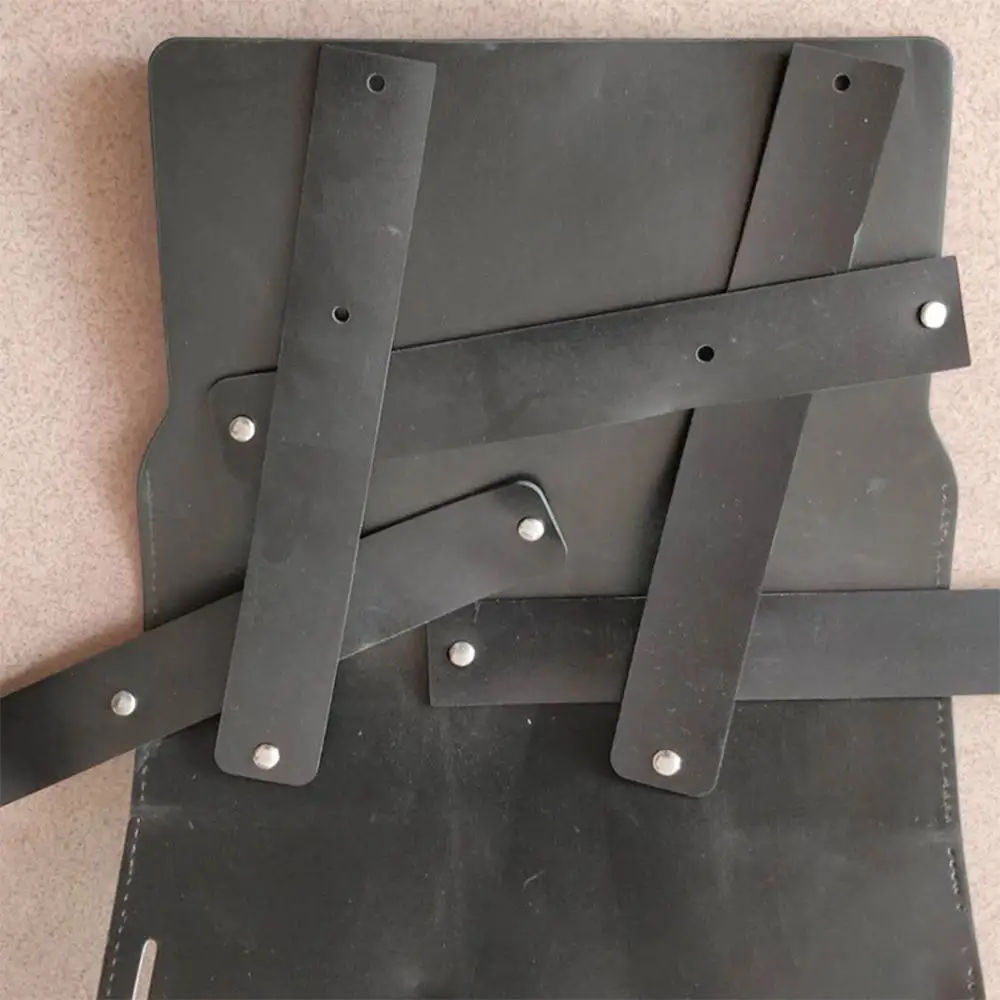
Single-sided rivets are commonly used where the finished appearance or access requirements favor installation from one side. Double-sided rivets can provide a finished appearance on both sides of the assembled material. Snap-in rivets are frequently used for products requiring convenient and secure fastening of compatible components.
The ability to process different rivet styles gives manufacturers greater flexibility when producing multiple product models. Instead of relying entirely on manual fastening, factories can establish a more standardized riveting workflow.
Accurate Riveting Performance
Precise positioning is important for the appearance and functional quality of riveted products. Incorrect positioning can cause uneven spacing, damaged materials, loose fasteners, or inconsistent finished products.
The machine is designed to provide controlled riveting operations when the correct rivet, die, and positioning tooling are selected. This helps operators maintain consistent riveting positions throughout a production batch.
For manufacturers producing large quantities of similar products, repeatable riveting can help reduce quality variation and improve overall production efficiency.
Suitable for Different Applications
The Single-Sided Double-Sided Snap-In Rivets Riveting Machine can be used across a wide range of industries. Typical applications may include:
Leather Goods
Handbags And Luggage
Shoes And Footwear
Belts And Accessories
Garment Hardware
Clothing Accessories
Stationery Products
Lighting Components
Hardware Products
Decorative Accessories
Plastic And Metal Components
Industrial Assemblies
The actual application depends on the product structure, material thickness, rivet dimensions, and required fastening force. Customers can select appropriate tooling according to their specific production requirements.
Efficient Production Process
For high-volume manufacturing, production efficiency is a key consideration. Manual riveting requires operators to repeatedly position components, insert rivets, and complete the fastening process. This can increase labor requirements and make production speed dependent on operator experience.
An industrial riveting machine provides a more standardized process. Once the appropriate tooling and operating parameters have been established, operators can repeatedly perform the same riveting operation with less manual effort.
This makes the machine suitable for factories producing large batches as well as OEM manufacturers handling multiple customer orders.
Flexible Tooling Configuration
Different rivet types and product designs may require different dies or fixtures. Proper tooling allows the riveting machine to accommodate the dimensions and shape of the workpiece.
For single-sided, double-sided, and snap-in rivets, tooling should be selected based on rivet diameter, rivet height, material thickness, product geometry, and the desired finished appearance.
For customized applications, manufacturers can discuss the workpiece and fastening requirements with the equipment supplier before selecting the final machine configuration. Sample testing can also help determine the appropriate tooling and riveting parameters.
Reliable Hardware Assembly
Riveting is commonly used when manufacturers need a secure mechanical connection between compatible components. Unlike temporary fastening methods, a properly installed rivet can provide a durable connection suitable for many products.
The machine helps standardize the installation process, which is particularly valuable for products requiring uniform rivet spacing and consistent fastening appearance. This is useful for both functional assemblies and consumer products where visual quality is important.
Easy Operation and Maintenance
The machine is designed for practical industrial use. Operators can load the workpiece, position the rivet and component correctly, and complete the riveting process according to the machine's operating procedure.
Routine maintenance should include inspection of riveting dies, tooling, moving components, fastener feeding parts where applicable, and other wear components. Keeping the machine clean and following recommended maintenance procedures can help maintain stable performance.
Proper training is also recommended to ensure operators understand safe operation, tooling adjustment, rivet selection, and workpiece positioning.
OEM And B2B Manufacturing Solution
This riveting machine is particularly suitable for OEM factories, hardware manufacturers, leather goods producers, footwear factories, garment accessory manufacturers, and industrial component suppliers.
For manufacturers producing different products, a flexible riveting solution can help reduce the need for multiple dedicated manual processes. The machine can also be incorporated into semi-automatic or automated production workflows depending on the required production volume and machine configuration.
For export-oriented factories, consistent riveting quality can contribute to more standardized finished products and efficient order fulfillment.
Why Choose Our Single-Sided Double-Sided Rivets Riveting Machine?
Multi-Rivet Compatibility: Designed for compatible single-sided, double-sided, and snap-in rivets.
Versatile Applications: Suitable for leather, bags, footwear, stationery, hardware, lighting, and industrial products.
Consistent Riveting: Helps maintain repeatable fastening quality during batch production.
Improved Efficiency: Reduces repetitive manual riveting operations.
Flexible Tooling: Tooling can be selected according to different rivet and product specifications.
Accurate Positioning: Supports consistent rivet placement for professional finished products.
Wide Industry Use: Suitable for manufacturers across multiple light industrial sectors.
OEM-Friendly: Can be evaluated for customized products and production processes.
Factory Production: Designed for continuous and batch manufacturing applications.
Easy Maintenance: Routine inspection and maintenance help support reliable machine operation.
FAQs
1. What types of rivets can this machine install?
The machine is designed for compatible single-sided rivets, double-sided rivets, snap-in rivets, and other suitable rivet fasteners, depending on the selected configuration and tooling.
2. What is the difference between single-sided and double-sided rivets?
Single-sided rivets are generally designed to create the fastening effect from one accessible side, while double-sided rivets provide a finished rivet structure on both sides of the assembled material. The appropriate type depends on the product design and appearance requirements.
3. What are snap-in rivets?
Snap-in rivets are fasteners designed for convenient installation into compatible materials or components. They are commonly used in products where quick and secure mechanical fastening is required.
4. Can one machine handle different rivet sizes?
The applicable rivet size range depends on the machine configuration and tooling. Different dies or fixtures may be required for different rivet dimensions.
5. What products can be processed?
Potential applications include leather goods, handbags, luggage, shoes, belts, clothing accessories, stationery, lighting components, hardware, and other compatible products.
6. Can the machine be customized?
Yes. Machine configuration and tooling can be discussed according to the customer's rivet type, product dimensions, material thickness, production volume, and required riveting process.
7. Is this machine suitable for mass production?
Yes. It is designed for industrial production and can help manufacturers improve riveting consistency and reduce repetitive manual work in batch manufacturing.
8. How can I determine whether my product is compatible?
Provide the product drawings or samples, rivet specifications, material information, and required riveting positions. These details can be used to evaluate the appropriate machine configuration and tooling.
9. Does every rivet type require different tooling?
Not necessarily, but different rivet dimensions, shapes, and installation methods may require dedicated dies, fixtures, or tooling to achieve the desired result.
Prev:
Bicycle Pedal Pedal Screw Wheel Hydraulic Rotary Riveting Machine
Next:
Lighting Leisure Sports Equipment Stationery Locks Riveting Machine
TAG:
Industrial Riveting Equipment,
Rivet Fastening Machine,
Rivet Assembly Machine,
Automatic Riveting Machine,
Rivet Installation Machine,
Automatic Rivet Machine,
Leather Riveting Machine,
Rivet Press Machine,
Hardware Riveting Machine,
Automatic Rivet Installation Machine,
Riveting Machine,
Hardware Assembly Machine,
Industrial Riveter,
Double-Sided Riveting Machine,
Single-Sided Riveting Machine,
Snap-In Rivets Riveting Machine,
Snap Rivet Machine,
Related Category:
Single-Sided Riveting Machine, Double-Sided Riveting Machine, Snap-In Rivets Riveting Machine, Snap Rivet Machine China, suppliers, manufacturers, factory, customized, wholesale, quotation, made in China