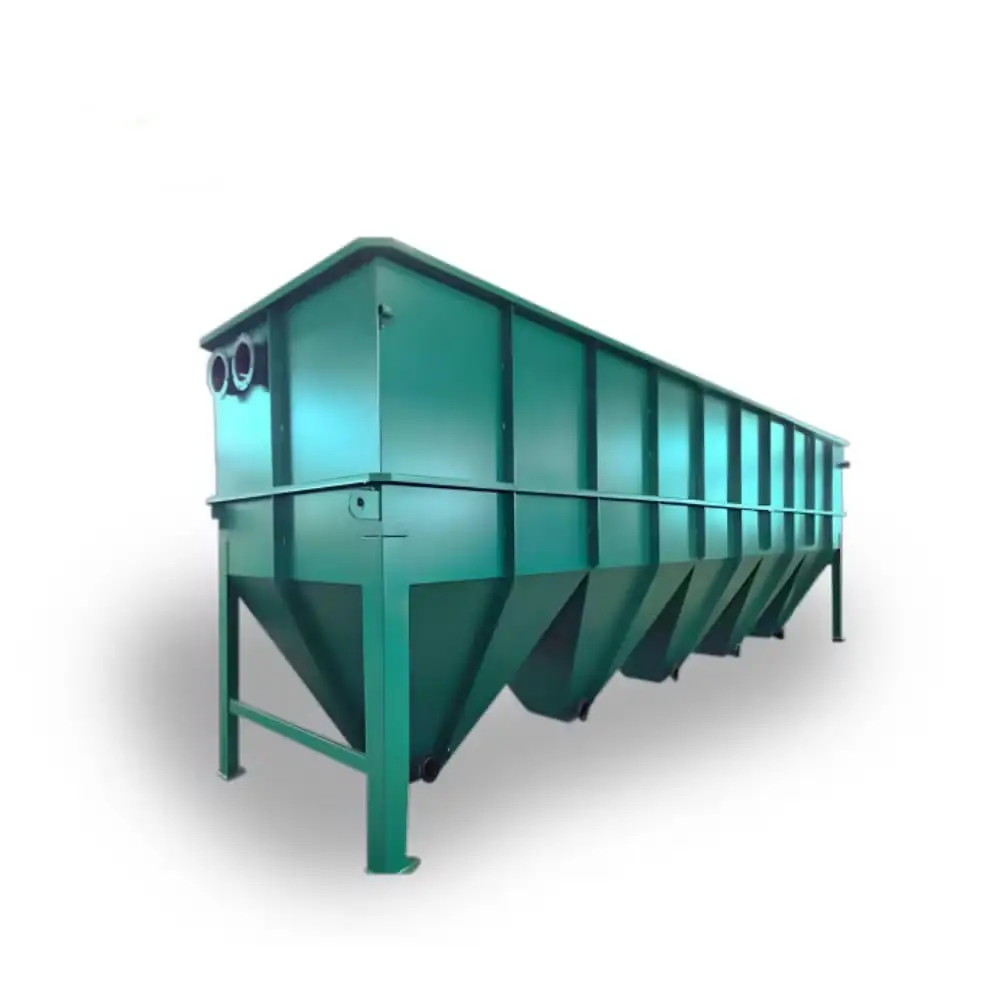
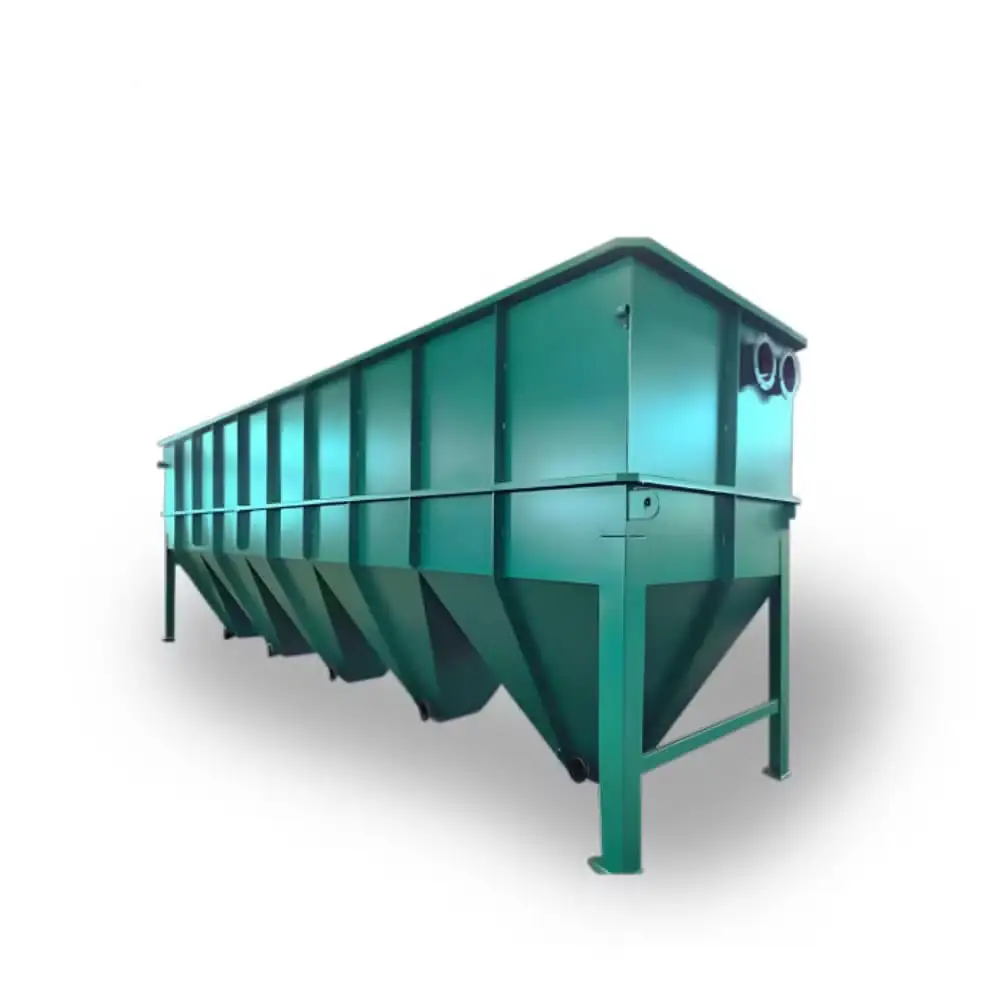
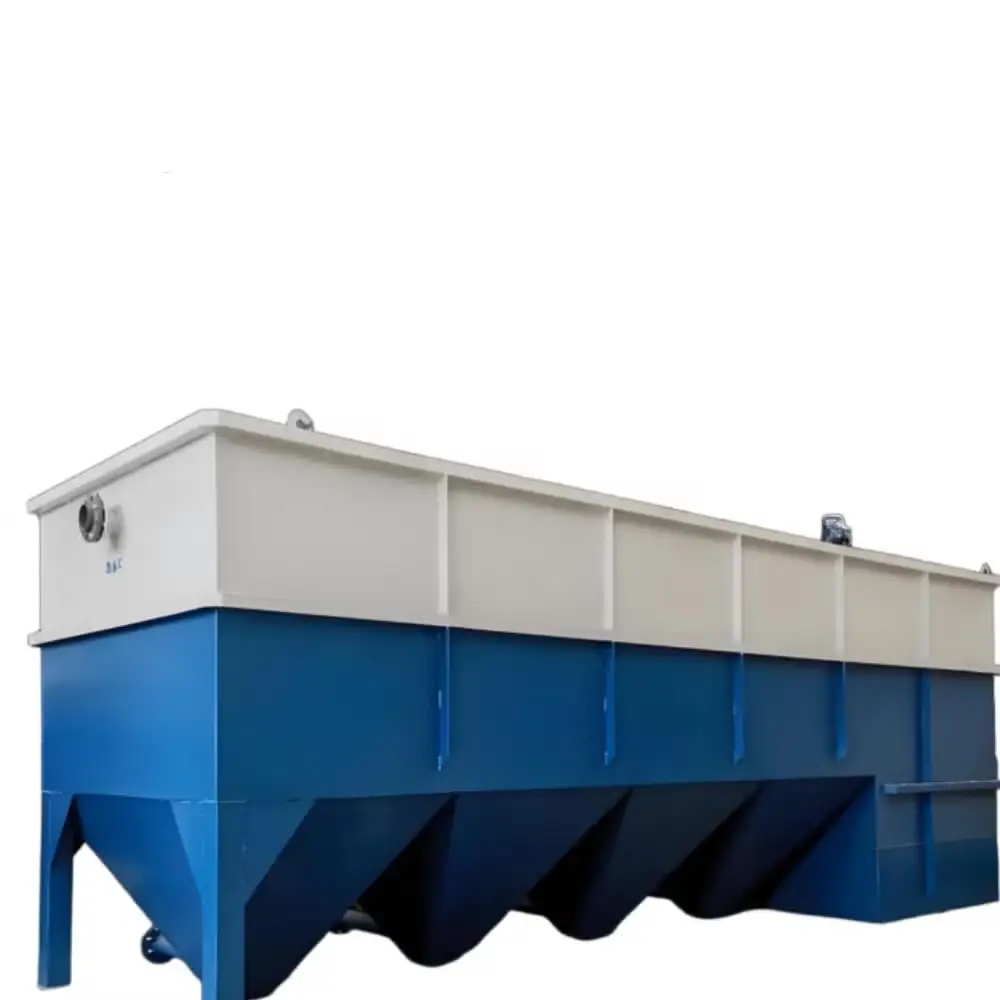
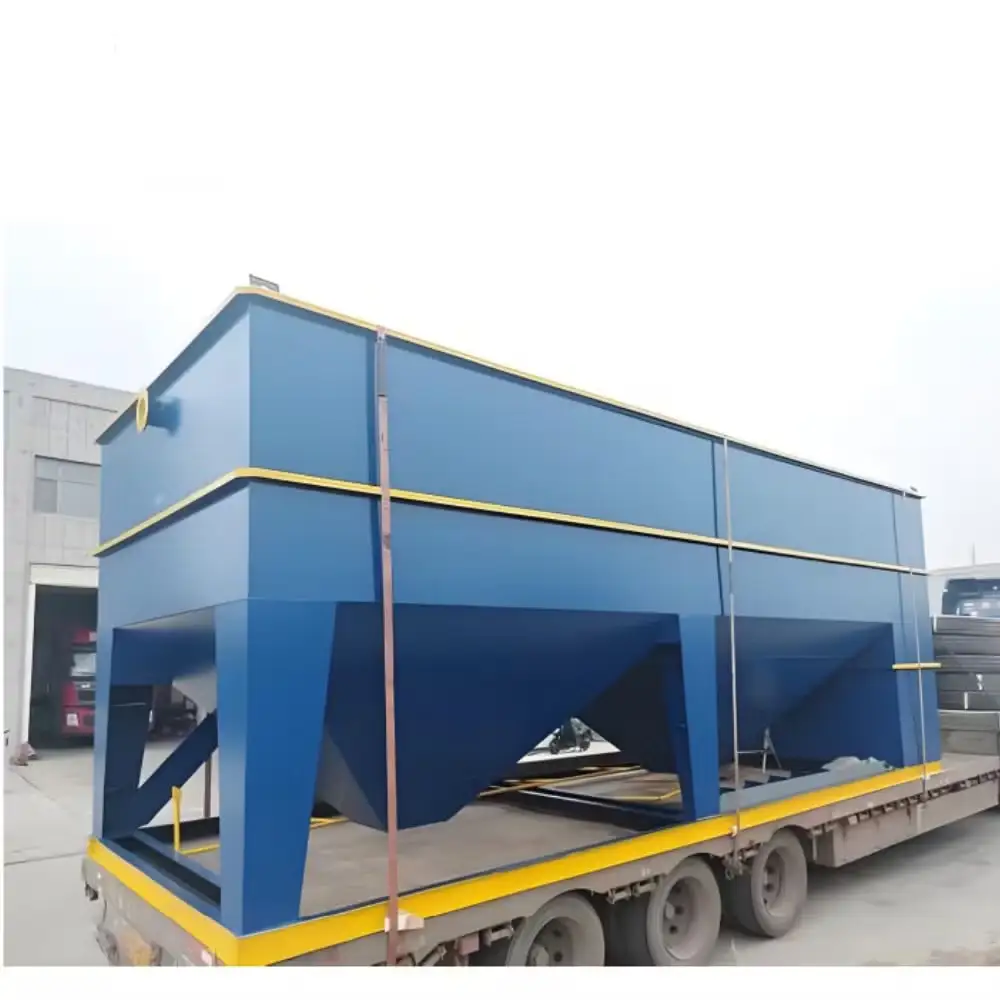
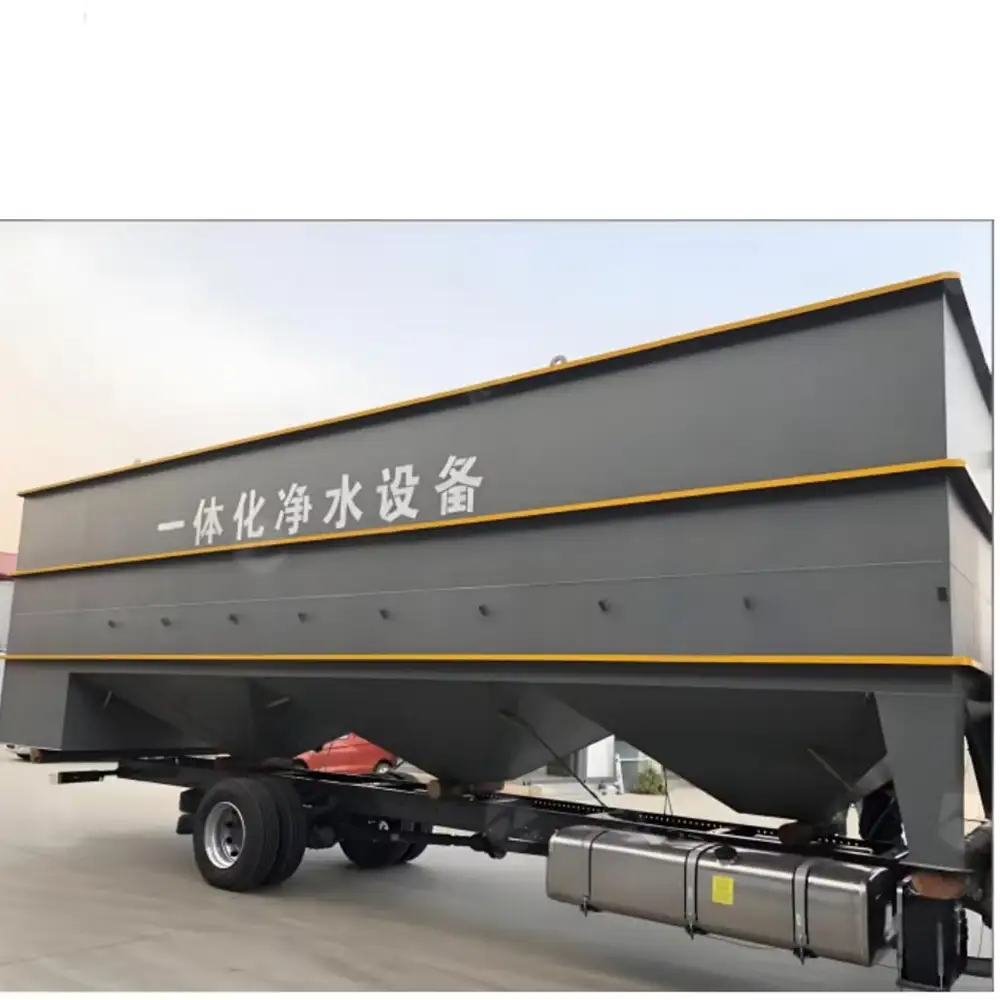
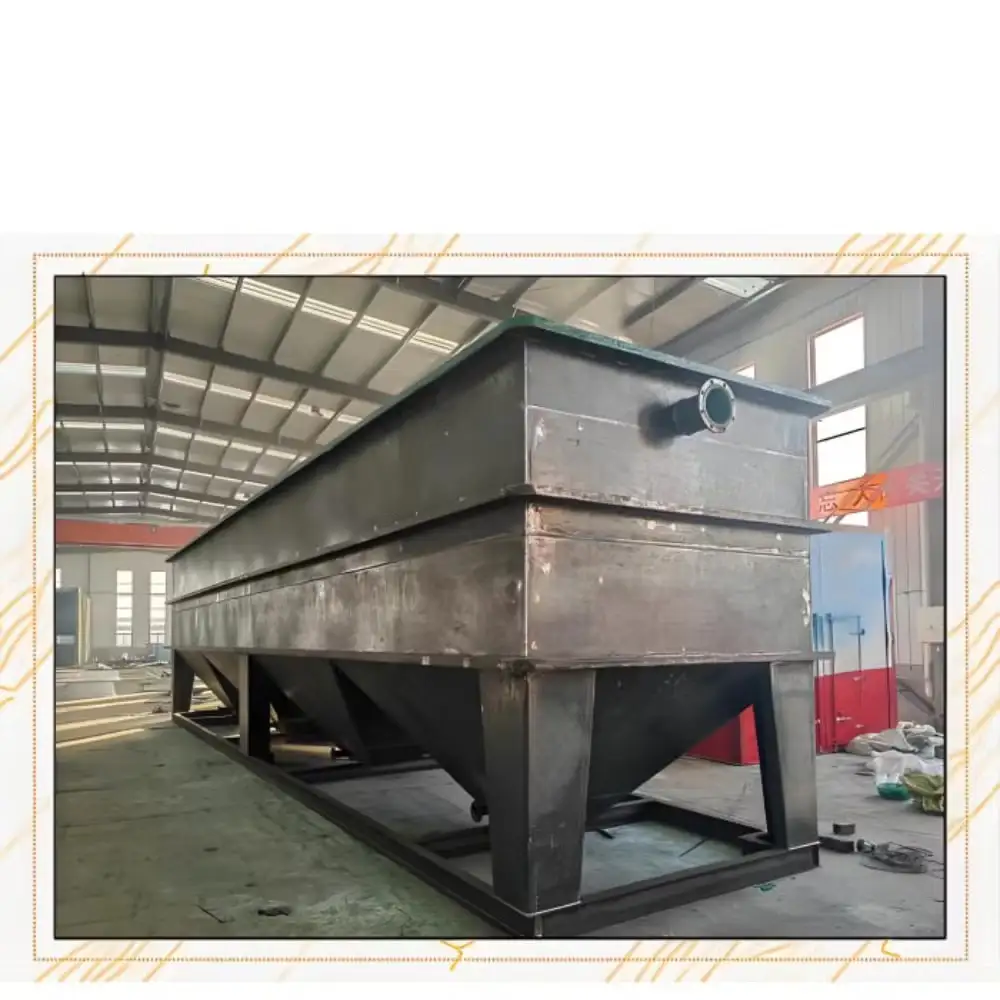
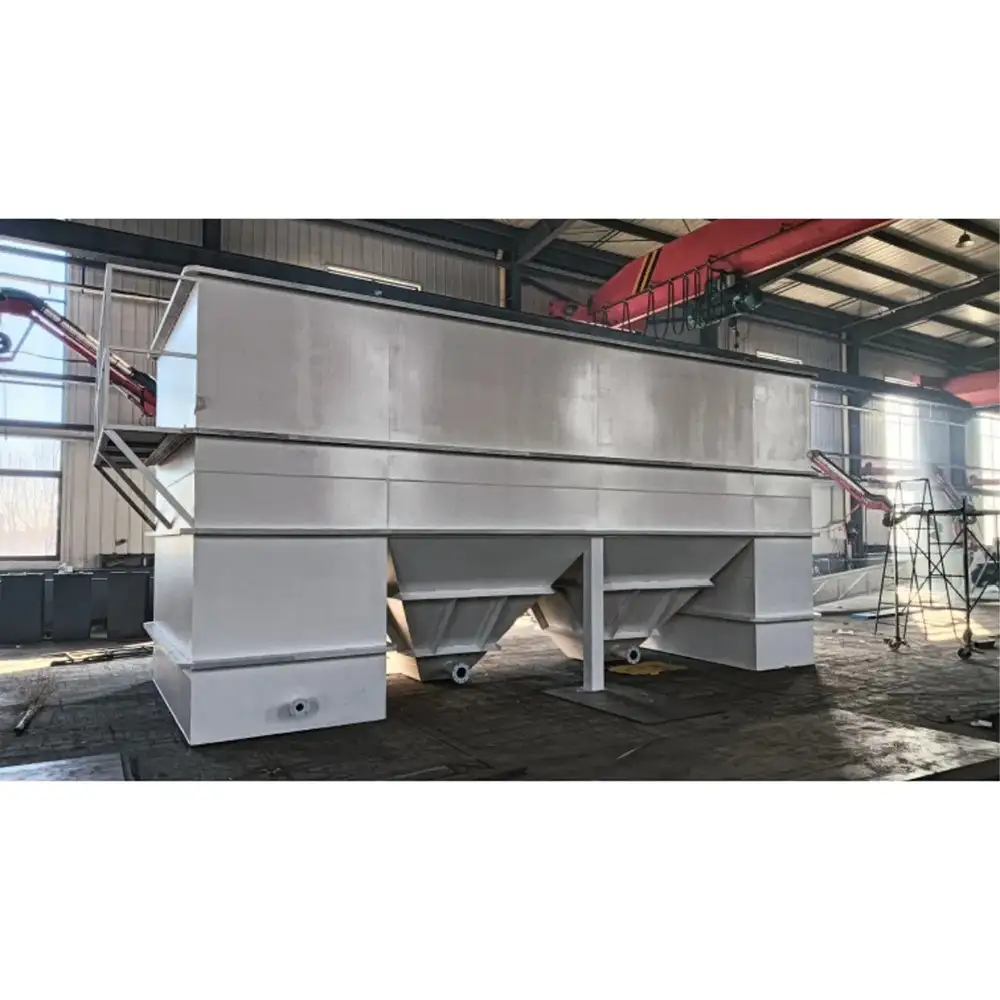
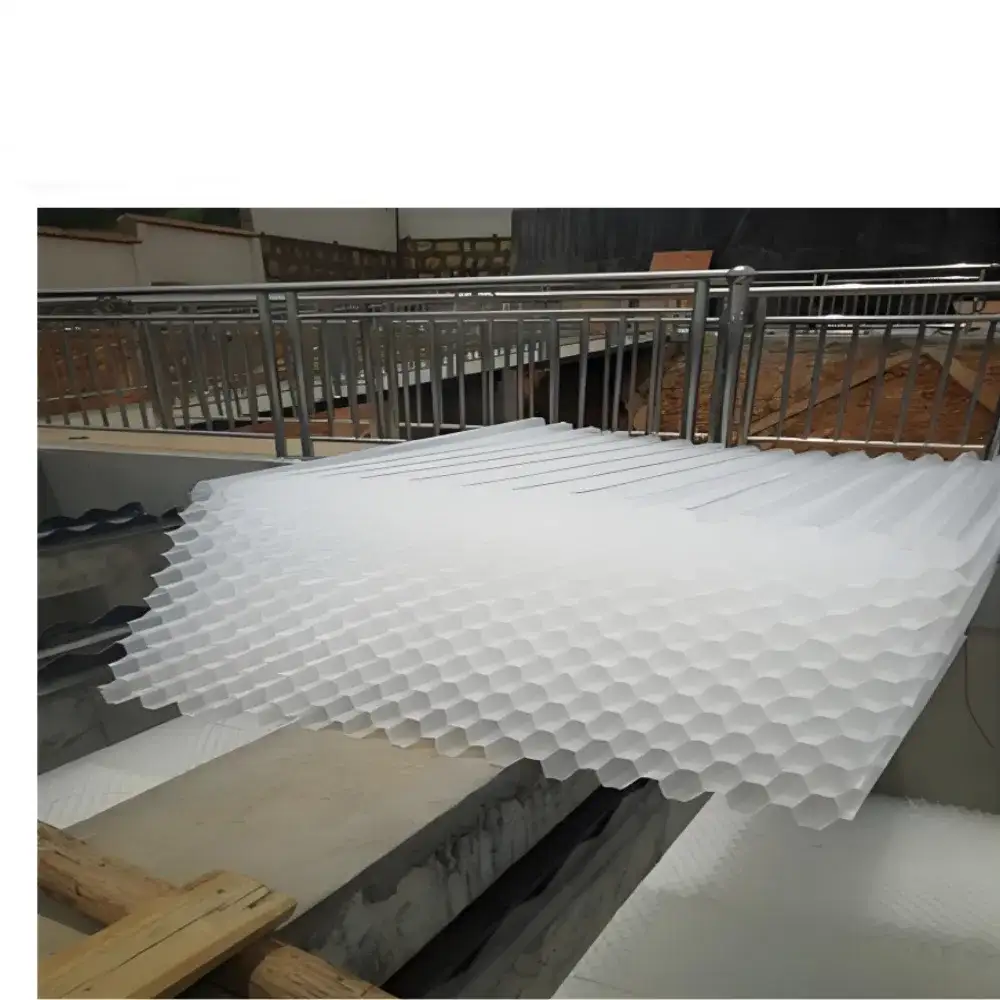
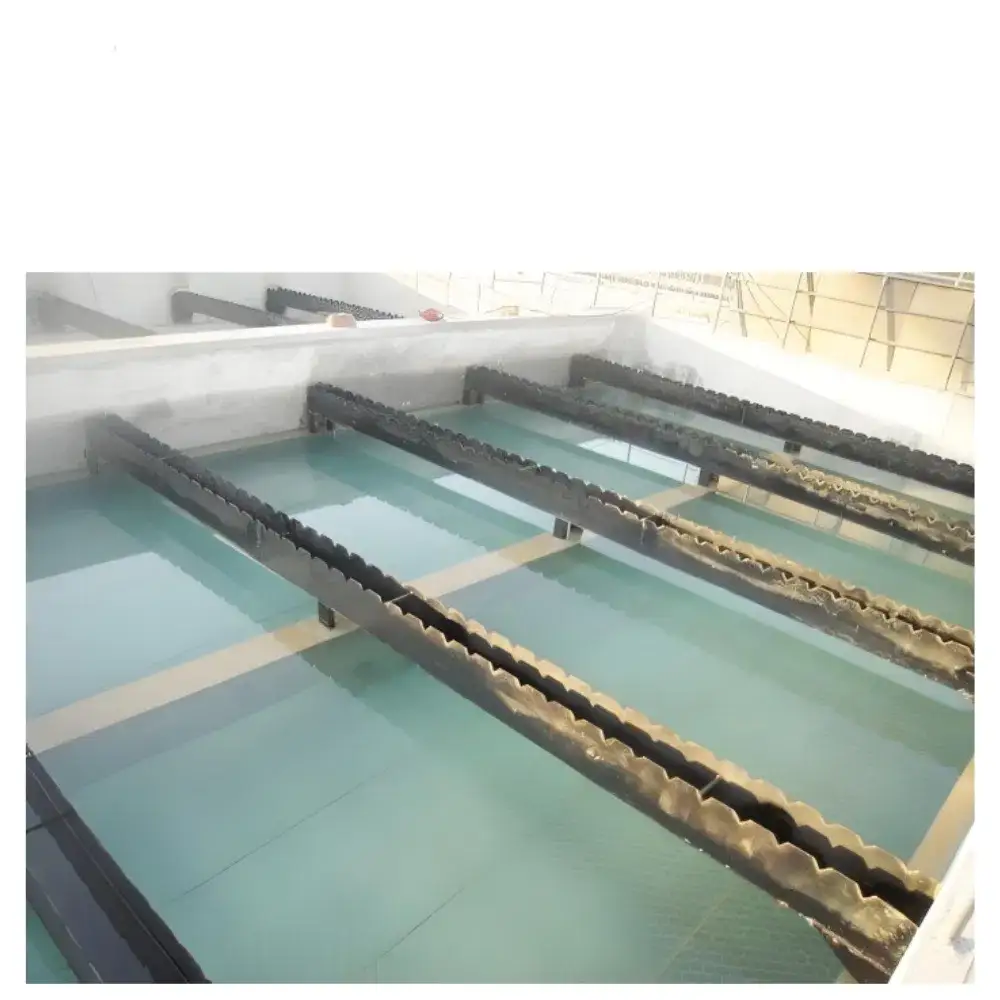
Inclined Tube Sedimentation Tank Equipment for Wastewater Treatment Plants
Inclined Tube Sedimentation Tank Equipment is a compact and efficient clarification solution designed for wastewater treatment plants, industrial water treatment systems, municipal wastewater projects, and process-water applications. Also known as an inclined tube settler or tube settler clarifier, this equipment uses multiple inclined channels to improve gravity-based separation of suspended solids from water.
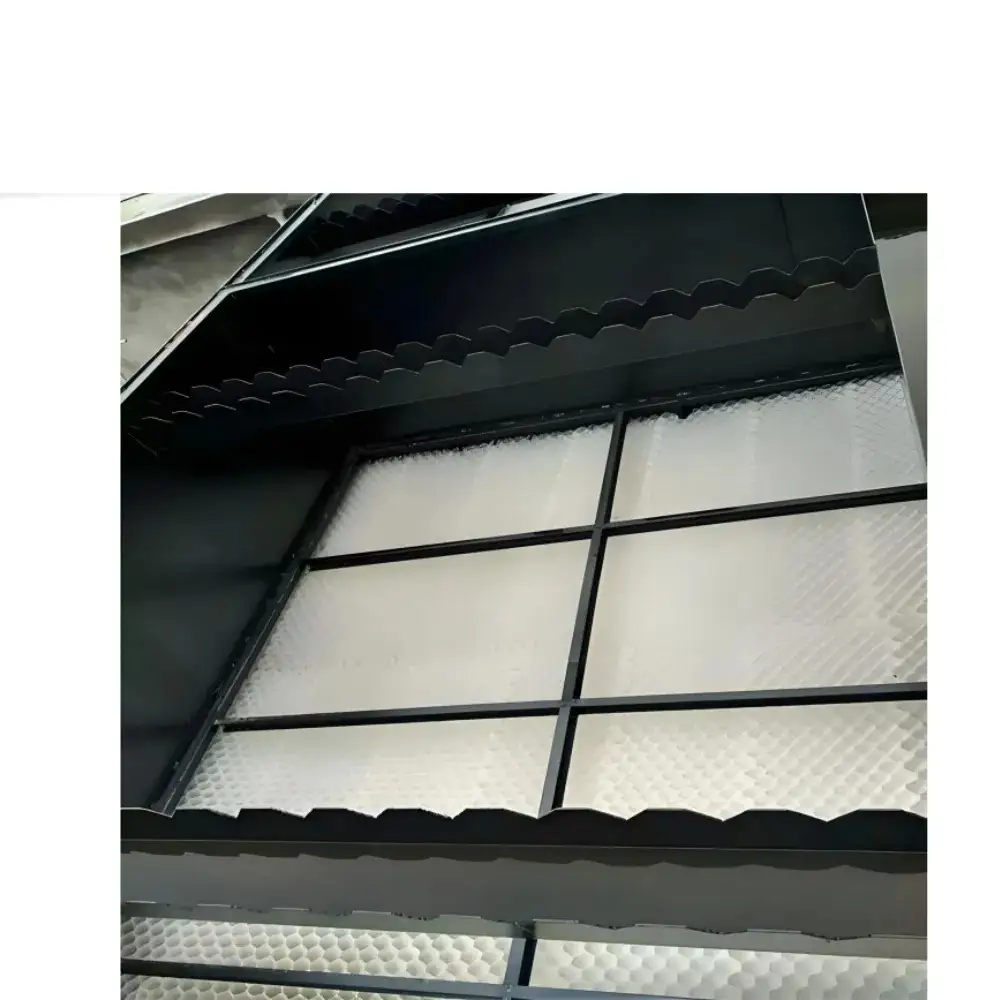
Compared with a conventional sedimentation tank, an inclined tube sedimentation tank provides a much larger effective settling area within a relatively compact footprint. The inclined tube modules create multiple settling passages, allowing suspended particles to travel a shorter distance before reaching a settling surface. Once particles contact the tube surface, they slide downward under gravity into the sludge collection zone, while clarified water moves upward toward the outlet.
This design makes inclined tube sedimentation equipment particularly attractive for wastewater treatment plants where available installation space is limited but reliable solid-liquid separation is required.
What Is an Inclined Tube Sedimentation Tank?
An inclined tube sedimentation tank is a gravity clarification system equipped with a series of parallel inclined tubes or channels. These tubes divide the settling zone into multiple smaller passages and increase the effective projected settling area.
Wastewater enters the sedimentation zone after preliminary treatment and, when necessary, coagulation and flocculation. As water passes through the inclined tubes, suspended particles with suitable settling characteristics move downward toward the tube surfaces. The accumulated solids then slide along the inclined tubes and settle into the sludge collection area.
Clarified water rises toward the upper section and is collected through an overflow or water collection system.
The basic process does not require complicated internal mechanical equipment. Its performance depends on hydraulic loading, particle settling characteristics, water distribution, tube geometry, pretreatment, and overall system design.
How Inclined Tube Sedimentation Works
The operating principle is based primarily on gravity sedimentation.
1. Wastewater Inlet
Raw or pretreated wastewater enters the sedimentation tank through an inlet and distribution system designed to provide relatively uniform flow.
2. Coagulation and Flocculation
When fine, colloidal, or difficult-to-settle particles are present, coagulants and polymers may be added before the sedimentation stage. These chemicals can help form larger flocs with improved settling characteristics.
3. Inclined Tube Settling
The conditioned wastewater flows through the inclined tube modules. Suspended particles move toward the tube surfaces and settle downward.
4. Sludge Collection
Settled particles slide along the inclined surfaces and accumulate in the lower sludge collection zone.
5. Clarified Water Collection
The clarified water moves upward and is collected through an overflow channel, outlet weir, or collection pipe.
This continuous separation process allows the sedimentation tank to provide clarification without requiring a large conventional settling basin.
Advantages of Inclined Tube Settler Technology
One of the main advantages of a tube settler is its compact structure.
Traditional sedimentation tanks require sufficient horizontal area to provide the necessary settling surface. An inclined tube system creates many parallel settling channels within a relatively small tank volume.
Key advantages include:
Compact installation footprint
Large effective settling area
Short particle settling distance
Gravity-assisted sludge removal
Continuous clarification operation
Low mechanical complexity
Suitable for new and upgraded treatment plants
Compatible with coagulation and flocculation
Suitable for industrial and municipal wastewater
Easy integration into larger treatment systems
Inclined tube technology can be particularly useful when an existing wastewater treatment plant needs additional clarification capacity without constructing a large new sedimentation basin.
Wastewater Treatment Plant Applications
Inclined Tube Sedimentation Tank Equipment can be incorporated into different types of wastewater treatment plants.
Municipal Wastewater Treatment
Tube settlers can be used as clarification equipment in selected municipal and domestic wastewater treatment processes, particularly where suspended solids separation is required.
Industrial Wastewater Treatment
Industrial wastewater may contain suspended solids generated by manufacturing, washing, chemical precipitation, or other processes. Inclined tube sedimentation can provide a compact solid-liquid separation stage.
Mining Wastewater
Mining and mineral processing facilities often generate wastewater containing suspended mineral particles. When the particles have suitable settling properties, tube settlers can be used for clarification.
Metal Processing Wastewater
Metal finishing and surface treatment processes can produce precipitated metal hydroxides and suspended solids. Coagulation, flocculation, and inclined tube sedimentation can be combined for physicochemical treatment.
Chemical Industry
Chemical treatment processes can generate suspended precipitates that require separation from water. A tube settler can provide a compact clarification stage.
Food And Beverage Wastewater
Food-processing wastewater may contain suspended organic particles and other solids. Depending on the wastewater characteristics, tube sedimentation can be used as pretreatment or primary clarification.
Process Water Treatment
Inclined tube clarifiers can also be used for process-water clarification, raw-water treatment, and industrial water recycling systems.
Tube Settler vs. Conventional Sedimentation Tank
A conventional sedimentation tank generally relies on a large open settling area and sufficient hydraulic retention time. An inclined tube settler divides the settling zone into many inclined channels.
The key difference is the effective settling area available within the equipment footprint.
An inclined tube system does not eliminate the need for proper hydraulic design. Excessive flow velocity, poor inlet distribution, improper sludge removal, or inadequate pretreatment can negatively affect clarification performance.
For this reason, the tube settler should be sized according to actual flow rate, suspended solids concentration, particle characteristics, and required treated-water quality.
Inclined Tube Material Options
The tube modules can be manufactured from materials selected according to the water chemistry and operating conditions.
Common options include:
PVC Inclined Tubes
PP Inclined Tubes
Plastic Tube Settler Modules
Stainless Steel Components
Carbon Steel Tank
Epoxy-Coated Carbon Steel Tank
Stainless Steel Tank
PVC and PP tube modules are commonly selected because they are lightweight and suitable for many water-treatment environments. The tank structure can be customized according to corrosion requirements, wastewater chemistry, temperature, and project budget.
Sludge Collection And Discharge
The lower section of the sedimentation tank is designed to collect settled solids.
Depending on the project, sludge can be removed through gravity discharge, sludge pumps, automatic valves, or other discharge systems.
Proper sludge removal is important because excessive accumulation can reduce effective settling volume and interfere with stable operation.
For automated wastewater treatment plants, sludge discharge can be coordinated with the plant's PLC control system. Automatic valves, level monitoring, sludge pumps, and alarms can be added according to project requirements.
Integration With Other Treatment Processes
An inclined tube sedimentation tank can function as an individual clarification unit or as part of a complete wastewater treatment line.
A typical process may include:
Screening → Equalization → Coagulation → Flocculation → Inclined Tube Sedimentation → Filtration → Biological Treatment → Disinfection
The actual process depends on wastewater quality and the required final discharge or reuse standard.
Tube settlers can also be installed after chemical precipitation to separate newly formed solids before downstream filtration or membrane treatment.
How To Select Inclined Tube Sedimentation Equipment
Correct equipment selection requires detailed information about the wastewater and operating conditions.
Important parameters include:
Average wastewater flow rate
Peak flow rate
Suspended solids concentration
Particle size distribution
Particle settling characteristics
Wastewater pH
Temperature
Oil and grease content
Chemical dosing requirements
Required effluent quality
Available installation area
Sludge production
Tank material requirements
Automation requirements
For complex wastewater, laboratory or pilot testing can help determine appropriate coagulation, flocculation, and sedimentation conditions before final equipment sizing.
Maintenance Requirements
Inclined tube sedimentation equipment has relatively simple mechanical construction, but routine maintenance is still important.
Operators should regularly inspect the tube modules, water distribution system, overflow channels, sludge collection zone, valves, pumps, and associated piping.
Tube modules should be checked for excessive solids accumulation or blockage. Sludge should be removed at an appropriate frequency to prevent buildup.
If chemicals are used upstream, the dosing system should also be inspected and calibrated periodically.
Regular maintenance helps maintain stable hydraulic conditions and consistent clarification performance.
Custom Wastewater Treatment Solutions
Every wastewater treatment plant has different flow rates, wastewater characteristics, site dimensions, and treatment objectives. Therefore, inclined tube sedimentation tanks should be designed according to actual project requirements rather than using a one-size-fits-all configuration.
We can customize tank dimensions, tube module arrangement, construction materials, sludge discharge, inlet and outlet configuration, access platforms, control systems, and auxiliary equipment.
The equipment can also be integrated with coagulation and flocculation tanks, aeration systems, filtration equipment, sludge treatment equipment, pumps, and PLC control cabinets.
Why Choose Us?
Compact Clarification Technology: Inclined tube modules provide a large effective settling area within a compact footprint.
Custom Engineering: Tank dimensions, tube arrangement, materials, sludge discharge, and accessories can be customized.
Industrial Experience: Solutions can be configured for municipal, industrial, mining, chemical, food, and metal-processing wastewater.
Complete Treatment Integration: Tube settlers can be integrated with coagulation, flocculation, filtration, biological treatment, and sludge systems.
Material Options: Carbon steel, coated steel, stainless steel, PP, PVC, and other suitable materials can be selected.
Automation Support: PLC control, automatic sludge discharge, pumps, valves, and monitoring systems can be incorporated.
OEM Manufacturing: Custom OEM production is available for water treatment companies, distributors, contractors, and engineering projects.
Export Support: Equipment specifications, drawings, manuals, packing information, and international shipping support can be provided.
Frequently Asked Questions
1. What is an inclined tube sedimentation tank?
It is a gravity-based clarification tank equipped with multiple inclined tubes that increase the effective settling area and help suspended solids separate from wastewater.
2. What is an inclined tube settler?
An inclined tube settler is another common name for inclined tube sedimentation equipment. It uses parallel inclined tubes to create multiple settling channels.
3. What is the difference between a tube settler and a lamella clarifier?
A tube settler uses tubular or honeycomb-like inclined channels, while a lamella clarifier generally uses inclined plates. Both are designed to increase effective settling area and improve clarification in a compact footprint.
4. Can tube settlers be used for industrial wastewater?
Yes. They can be used for many industrial wastewater applications when the suspended solids have suitable settling characteristics.
5. Does an inclined tube settler remove dissolved pollutants?
No. Sedimentation primarily removes suspended and settleable solids. Dissolved contaminants generally require other treatment processes such as biological, chemical, adsorption, membrane, or advanced oxidation treatment.
6. Is chemical dosing required?
Not always. If wastewater contains fine or colloidal particles that settle poorly, coagulation and flocculation may be added to improve particle formation and sedimentation.
7. How is sludge removed?
Sludge can be removed through gravity discharge, automatic valves, sludge pumps, or other systems depending on tank design and sludge characteristics.
8. Can the tank be made from stainless steel?
Yes. Stainless steel can be selected for applications requiring enhanced corrosion resistance. Carbon steel with protective coating is another common option.
9. Can the inclined tube sedimentation tank be customized?
Yes. Tank dimensions, tube materials, tube angle, inlet and outlet configuration, sludge hopper, discharge system, platforms, and control equipment can be customized.
10. What information is required for a quotation?
Please provide wastewater type, average and peak flow rate, suspended solids concentration, particle characteristics, pH, temperature, required effluent quality, available installation area, and any chemical treatment information. This allows us to recommend a suitable inclined tube sedimentation system.
Prev:
High-Efficiency Inclined Tube Sedimentation Tank Equipment for Wastewater Treatment
Next:
Physical Treatment Sea Transportation Aerator Inclined Tube Sedimentation Equipment
TAG:
Municipal Water Treatment Equipment,
Industrial Wastewater Treatment Equipment,
Food Processing Wastewater Treatment,
Industrial Wastewater Treatment System,
Wastewater Treatment Equipment,
Wastewater Treatment Plant,
Solid Liquid Separator,
Solid Liquid Separation Equipment,
Chemical Wastewater Treatment,
Electroplating Wastewater Treatment,
Metal Finishing Wastewater Treatment,
Wastewater Treatment System,
Industrial Water Treatment Equipment,
Suspended Solids Removal Equipment,
Suspended Solids Separator,
Wastewater Pretreatment Equipment,
Water Treatment Equipment,
Containerized Water Treatment System,
Municipal Wastewater Treatment Equipment,
Primary Wastewater Treatment,
Compact Wastewater Treatment System,
Modular Wastewater Treatment System,
Industrial Wastewater Clarifier,
Mining Wastewater Treatment,
Wastewater Clarifier,
Industrial Sedimentation Equipment,
Coagulation And Sedimentation,
Flocculation And Sedimentation,
Sludge Settling Equipment,
Inclined Plate Settler,
Related Category:
Inclined Tube Sedimentation Tank,Inclined Tube Sedimentation Equipment,Tube Settler,Wastewater Treatment Plant China, suppliers, manufacturers, factory, customized, wholesale, quotation, made in China