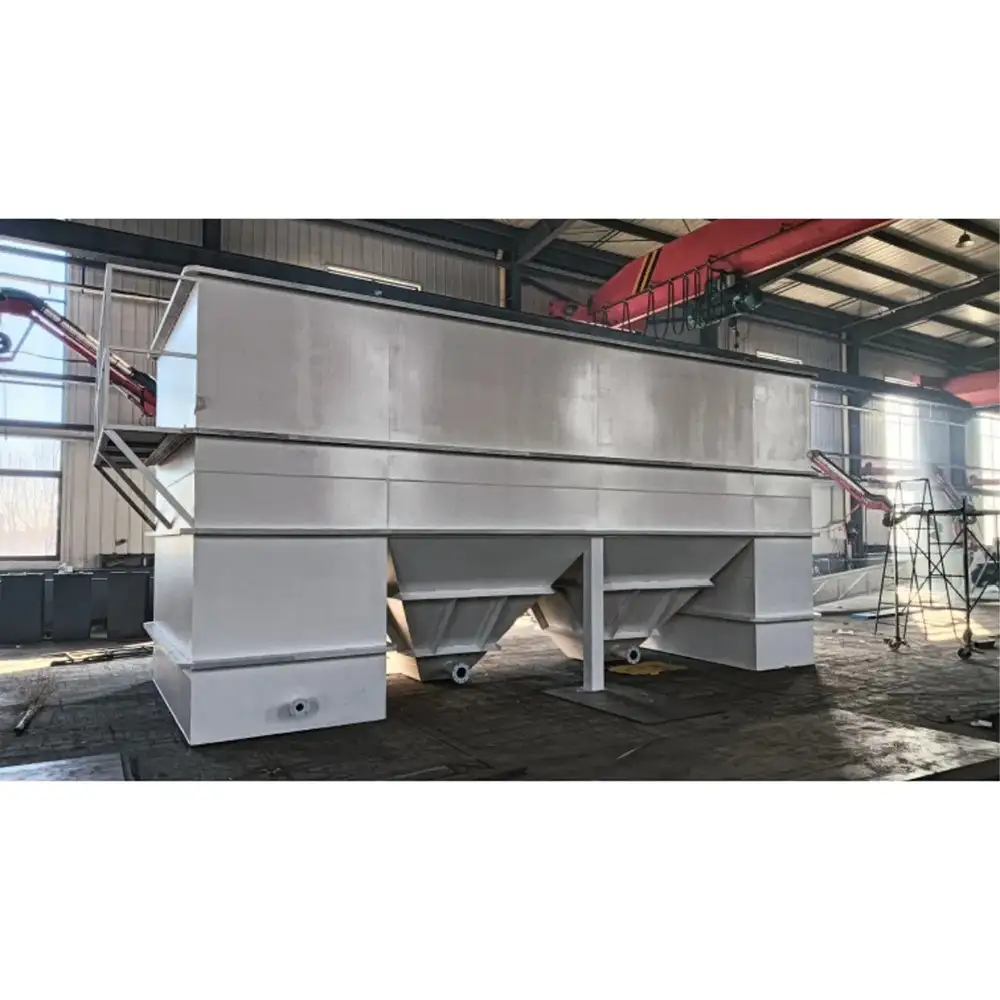
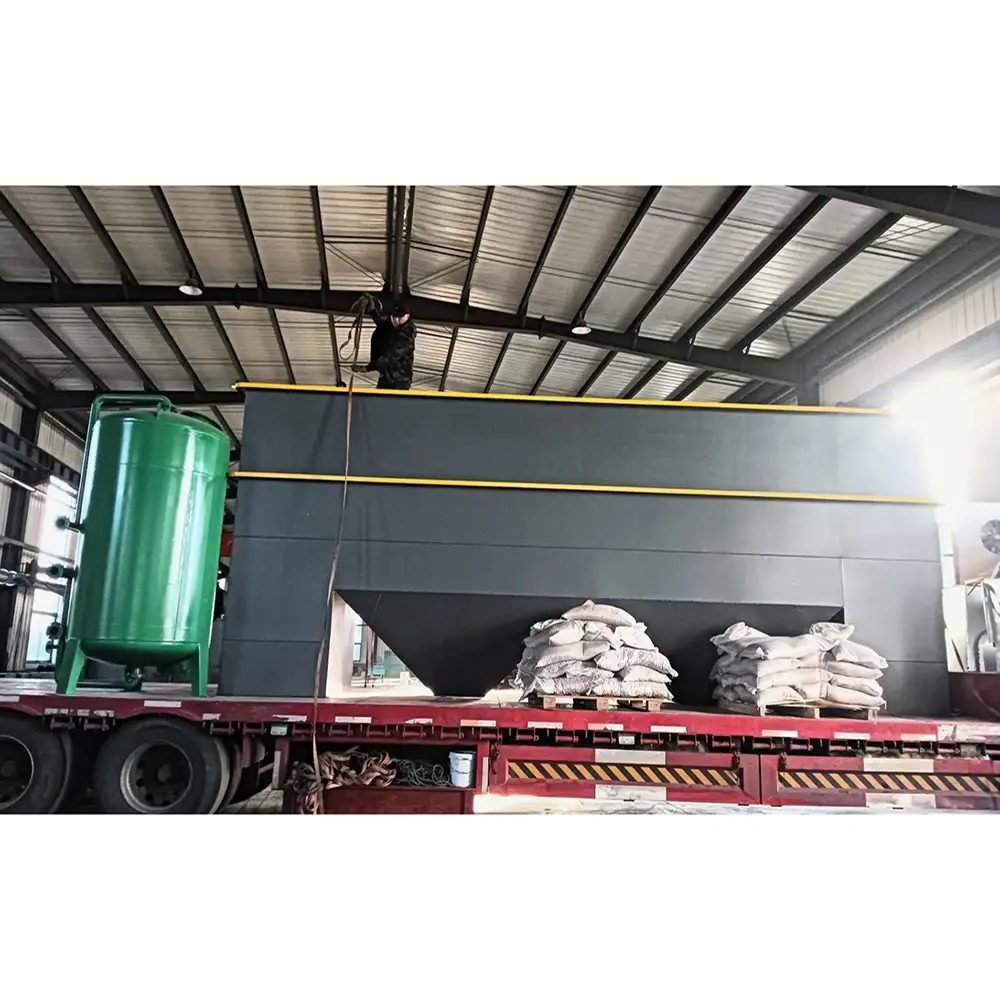
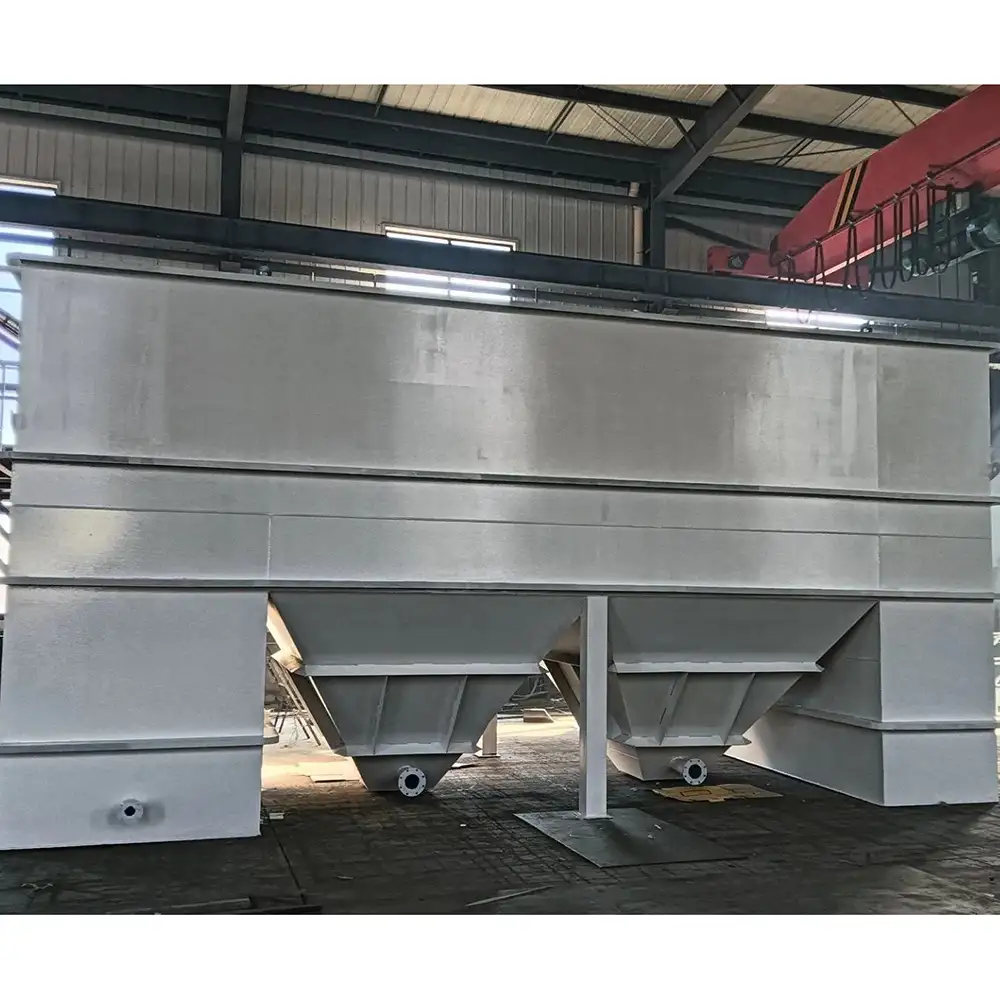
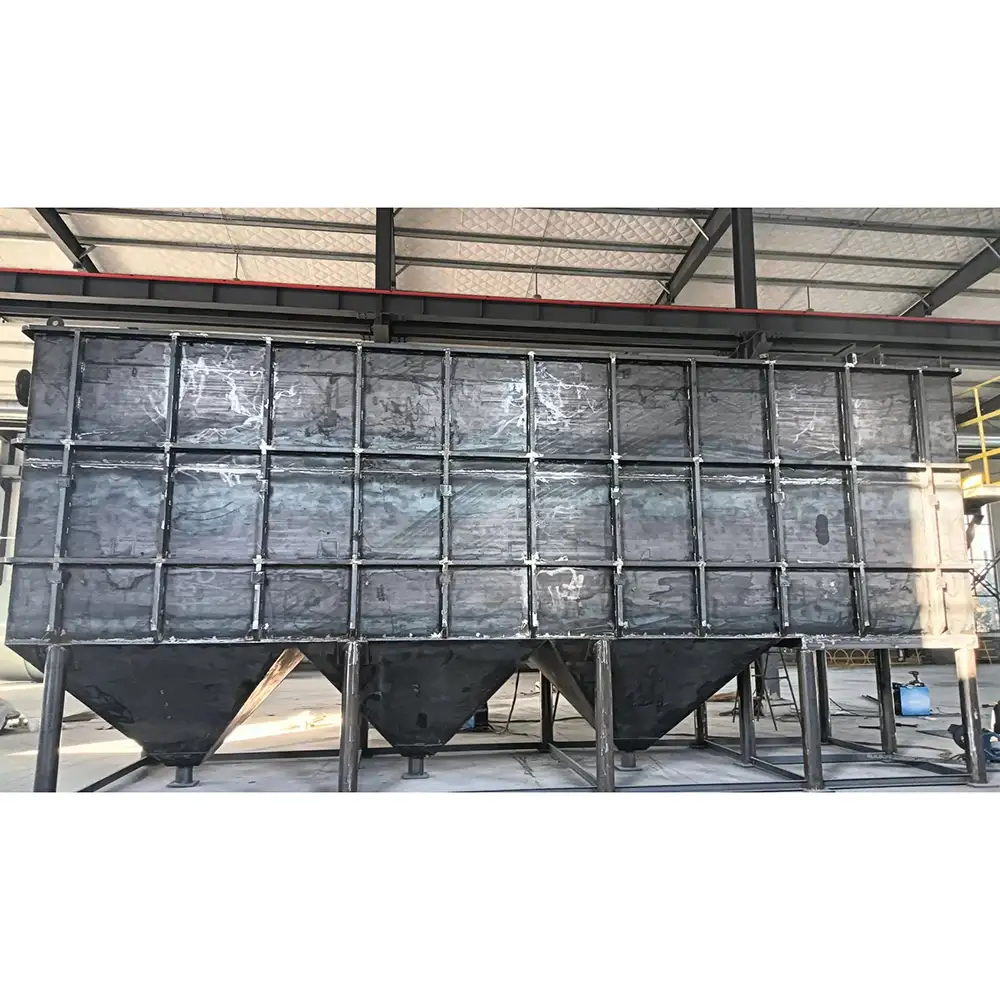
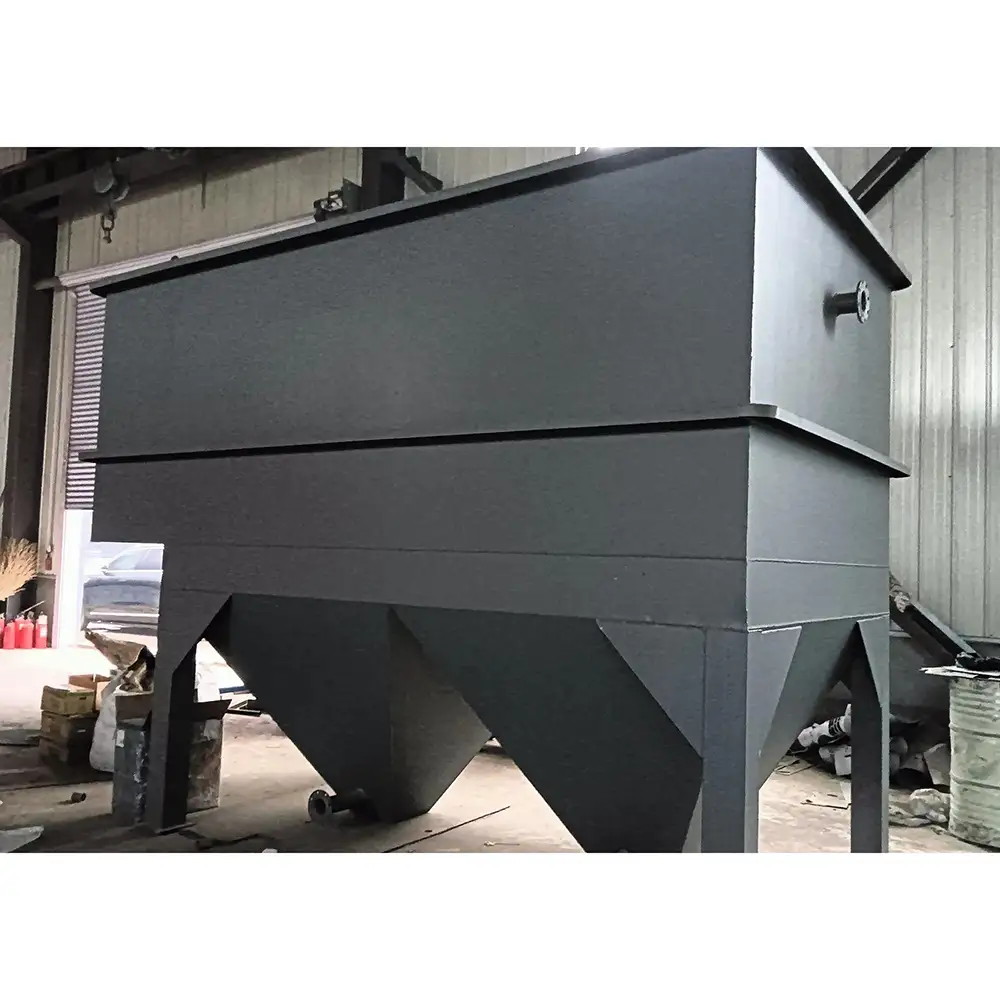
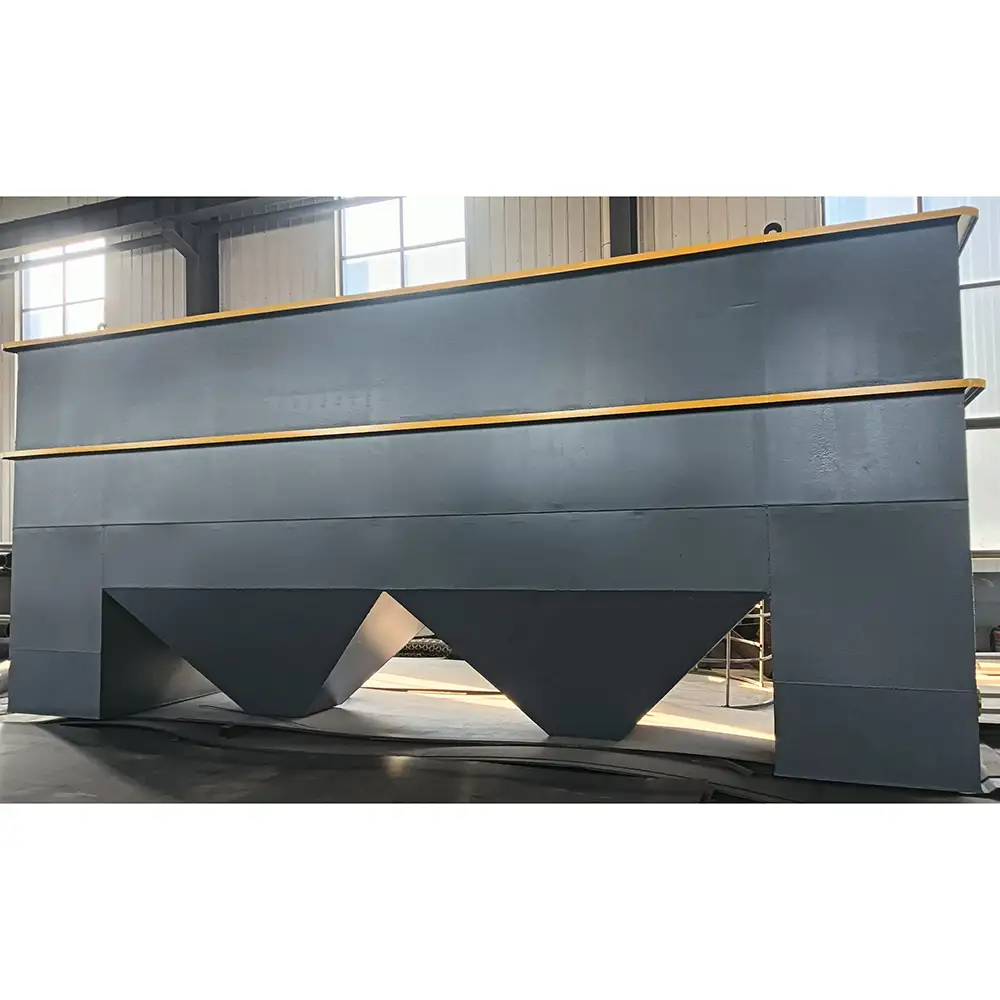
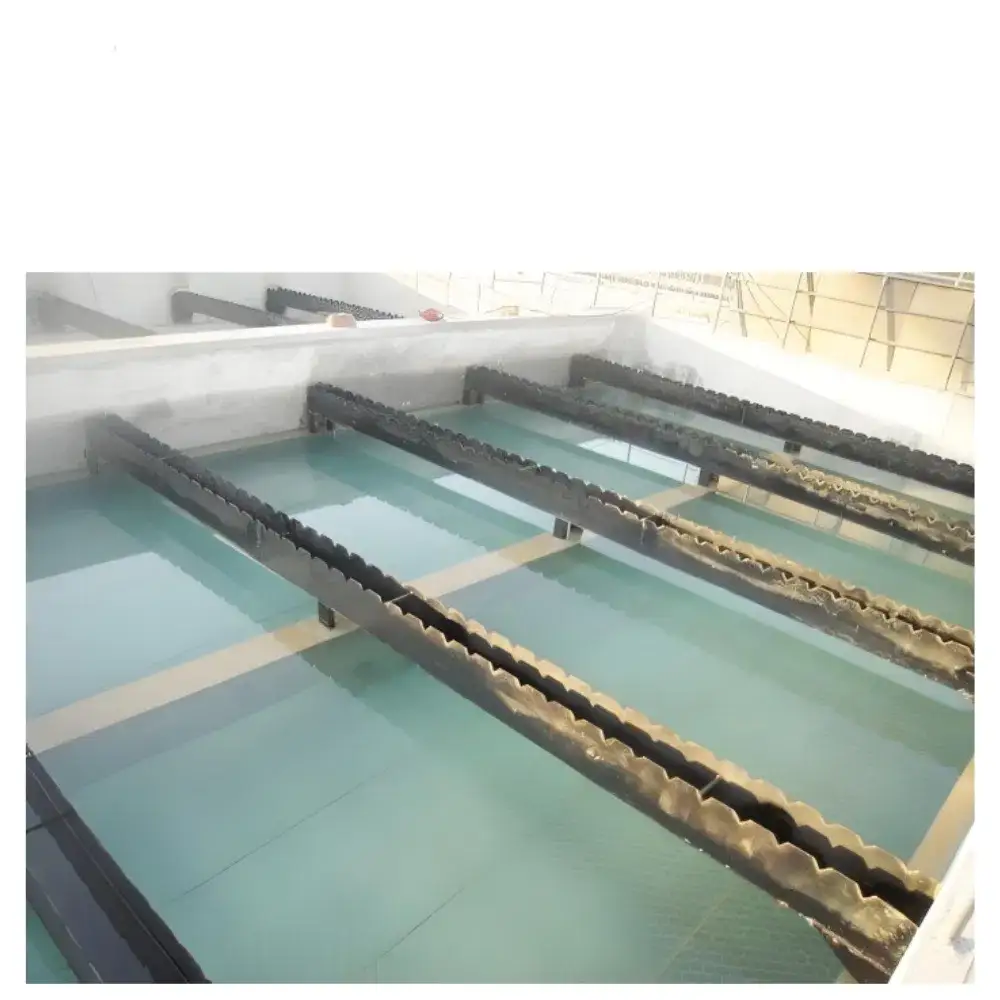
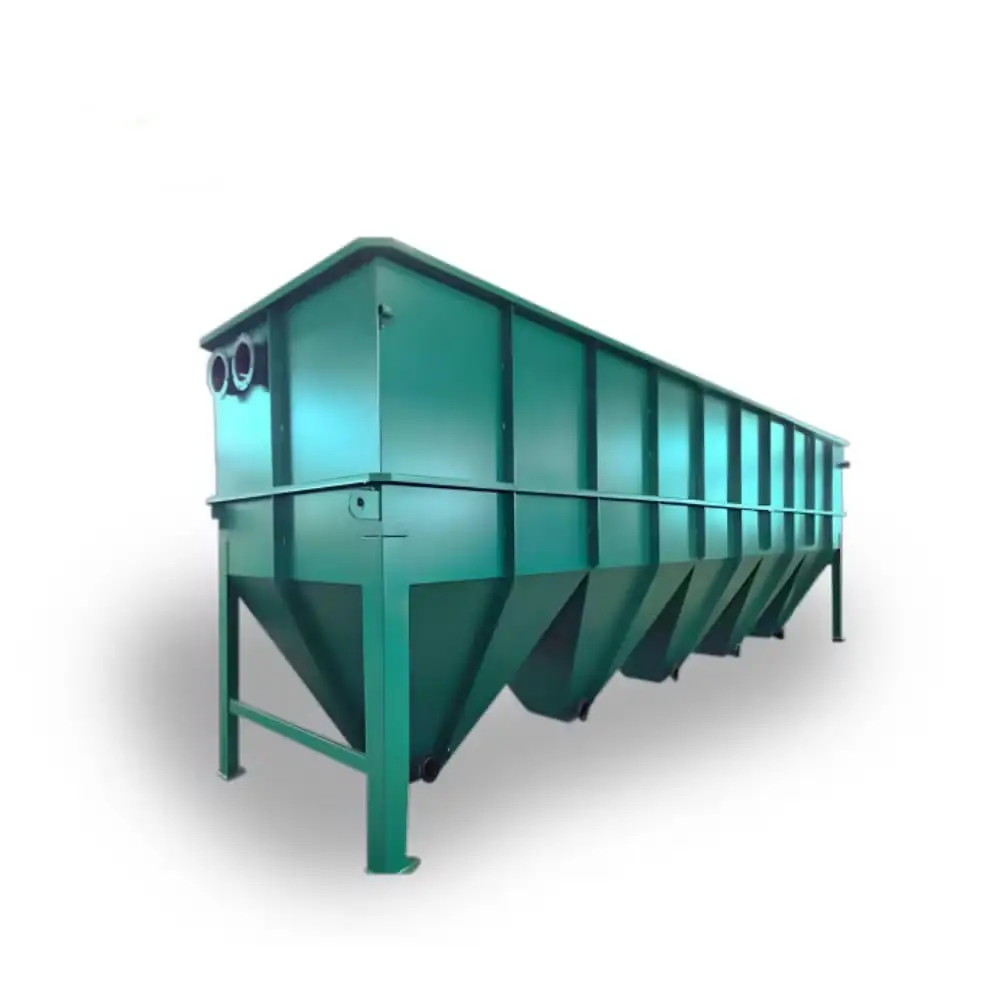
High-Efficiency Inclined Tube Sedimentation Tank Equipment for Wastewater Treatment
High-Efficiency Inclined Tube Sedimentation Tank Equipment is designed to improve the separation of suspended solids from wastewater through enhanced gravity sedimentation. Also known as an inclined tube settler, tube settler clarifier, inclined tube sedimentation system, or lamella-type sedimentation equipment, this technology uses multiple closely arranged inclined channels to increase the effective settling area inside a compact tank.
Compared with conventional open sedimentation tanks, an inclined tube sedimentation system can provide more effective settling area within the same tank footprint. Suspended particles only need to travel a relatively short distance before contacting the inclined tube surface. After settling onto the tube wall, solids move downward by gravity and are collected in the sludge zone, while clarified water flows upward and exits through the effluent collection system. This reduced-depth sedimentation principle is a well-established approach for improving clarification performance.
The advantages are:
1. The laminar flow principle is used to improve the processing capacity of the sedimentation tank;
2. The particle settling distance is shortened, thereby shortening the sedimentation time;
3. The sedimentation area of the sedimentation tank is increased, thereby improving the processing efficiency.
The flow rate of this type of sedimentation tank can reach 36m3/(m2.h), which is 7-10 times higher than the processing capacity of the general sedimentation tank. It is a new type of high-efficiency sedimentation equipment. It has been finalized for production practice. Advantages: high removal rate, short residence time, small footprint
Design process parameters:
1. The spacing between the inclined plates (tubes) is generally not less than 50mm, and the length of the inclined plates (tubes) is generally about 1.0-1.2m;
2. The upper layer of the inclined plate should have a water depth of 0.5-1.0m, and the bottom buffer layer height is 1.0m. The wastewater distribution area is under the inclined plate (tube), which is generally not less than 0.5m high, and the lower part of the water distribution area is the sludge area;
3. The pool effluent generally uses multi-row perforated pipes to collect water, and the holes should be 2cm below the water surface to prevent floating objects from being carried away;
4. The flow rate of wastewater in the inclined pipe depends on different wastewaters. For example, the flow rate is 3-5mm/s for treating domestic sewage.
5. The inclined plate (tube) is at an angle of 60° to the horizontal plane, and the clear distance of the inclined plate (or the aperture of the inclined tube) is generally 80-100mm.
|
Model NO. |
GSRF |
Handling method |
physicochemical treatment |
|
Usage |
Stone processing, coal mining, sand washing, heavy metal wastewater |
Trademark |
Hongman |
|
Types |
Package, Compact, Small, Mini |
Applications |
Industrial, Municipal, Domestic, Medical, Ship |
|
Craft |
Flocculation sedimentation method |
Features |
Water Clarification, Filtration, Purification |
|
Service Life |
20 Years |
Operation |
Automatic |
|
Steel Plate Thickness |
>8mm |
Function |
Remove Suspended solids |
|
Voltage |
220V/ 380V/ Customerized |
Installation Type |
Onground |
|
Colour |
Grey/Silver/Blue/Balck/Customerized |
Use for |
Minerals, printing, chemicals, heavy metals, coal mining, stone processing |
|
Material |
Carbon Steel, Stain Steel, FRP, PE, PP |
Certificate |
SGS, ISO |
|
Transport Package |
Container Standard Packing |
Specification |
Carbon steel anti-corrosion |
|
Production Capacity |
1000 Sets/Year |
Origin |
China |
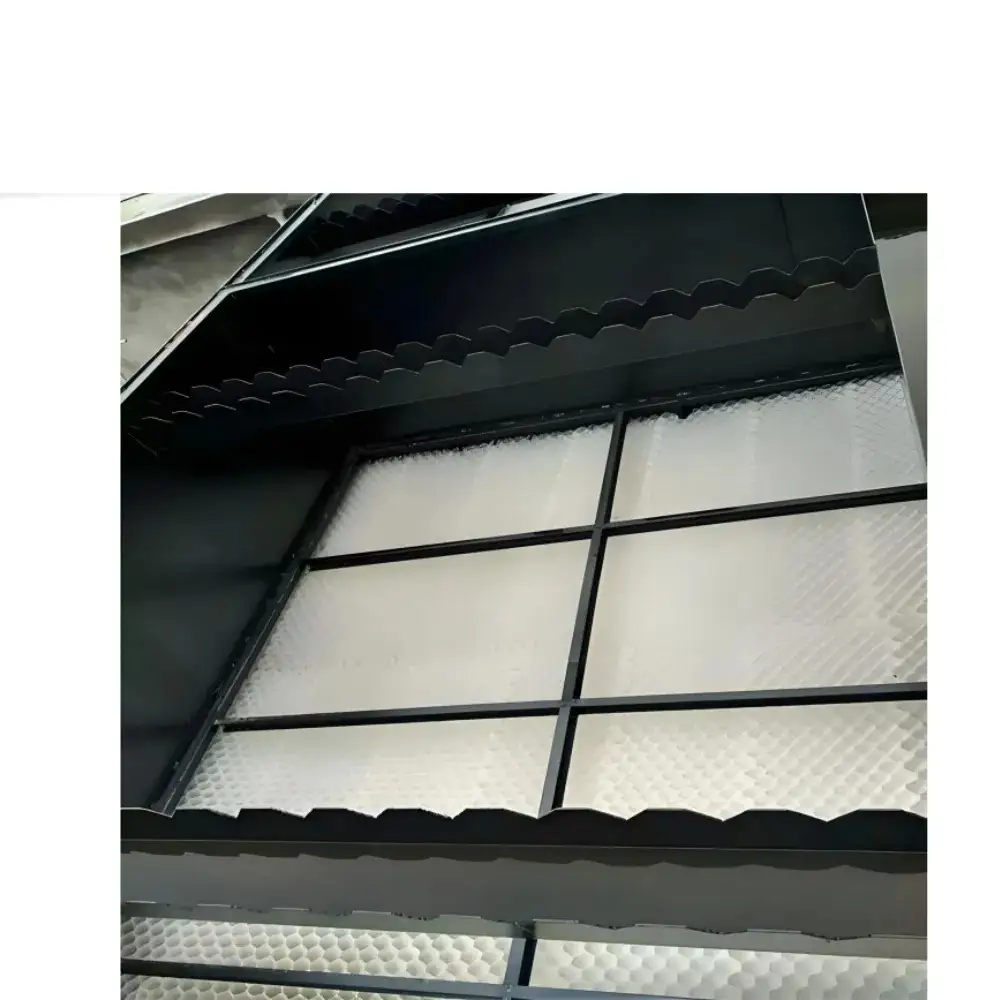
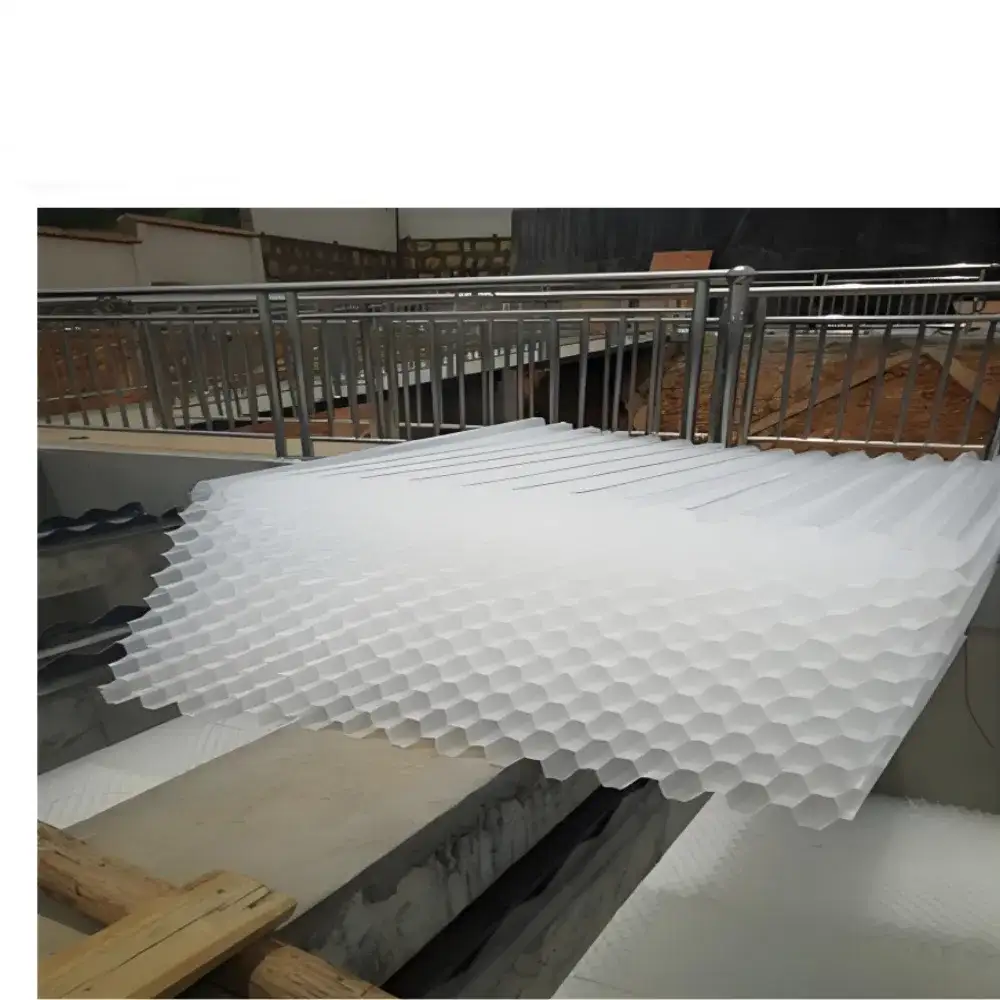
Inclined tube sedimentation tank refers to a sedimentation tank with inclined tubes in the sedimentation area. There are two assembly forms: inclined tube and branch tube. In the sedimentation area of the horizontal flow or vertical flow sedimentation tank, inclined parallel tubes or parallel pipes (sometimes honeycomb fillers can be used) are used to divide it into a series of shallow sedimentation layers, and the treated and settled sludge moves and separates in each shallow sedimentation layer.
What Is an Inclined Tube Sedimentation Tank?
An inclined tube sedimentation tank is a gravity-based solid-liquid separation system equipped with a large number of parallel inclined tubes or channels. The tube modules are installed inside a sedimentation or clarification basin and create numerous individual settling passages.
Typical tube settler modules are arranged at a steep angle, commonly around 60 degrees, allowing settled solids to slide downward along the tube surfaces while water travels upward.
The main purpose is to increase the effective sedimentation surface without requiring a proportionally larger conventional settling basin. This makes inclined tube sedimentation equipment especially useful for wastewater treatment plants where available space is limited or where an existing clarifier needs additional treatment capacity.
How Does Inclined Tube Sedimentation Equipment Work?
Wastewater first enters the lower section of the sedimentation tank after appropriate pretreatment. Depending on the wastewater characteristics, coagulation and flocculation may be used upstream to convert fine suspended particles into larger, more settleable flocs.
The wastewater then moves upward through the inclined tube modules.
As water passes through the narrow parallel channels, suspended solids encounter the tube surfaces and settle under gravity. Because the tubes are inclined, accumulated solids slide downward along the tube walls and move toward the sludge collection area at the bottom of the tank.
At the same time, clarified water continues upward through the tube channels and is collected by an outlet weir or water collection channel.
This counter-current movement—water upward and settled solids downward—is one of the key characteristics of tube settler technology.
High-Efficiency Sedimentation With a Compact Footprint
The biggest advantage of an inclined tube settler is its ability to create a large effective settling area within a relatively compact tank.
A conventional sedimentation tank mainly depends on its horizontal surface area for clarification. Inclined tube modules divide the settling zone into numerous small channels, giving particles much shorter settling distances before they contact a solid surface.
This allows engineers to improve clarification performance without simply increasing tank depth or footprint. Tube settlers are therefore frequently considered when upgrading existing sedimentation basins or designing compact wastewater treatment systems.
Key Features and Benefits
1. High-Efficiency Solid-Liquid Separation
The multiple inclined channels provide additional settling surfaces and help improve the capture of settleable suspended solids.
2. Compact Equipment Design
The increased effective settling area allows treatment capacity to be achieved in a smaller physical footprint than many conventional clarification configurations.
3. Shorter Settling Distance
Particles do not have to travel through the full depth of a conventional basin before reaching a settling surface. This reduced settling distance is fundamental to high-rate sedimentation.
4. Gravity-Based Operation
The system primarily relies on gravity for particle separation. This means the inclined tube section itself has no requirement for complicated moving mechanisms.
5. Easy Integration
Tube settler modules can be installed in new sedimentation tanks or incorporated into suitable existing clarifiers as part of a capacity or performance upgrade.
6. Flexible Material Selection
Tube modules can be manufactured from materials such as PVC or PP depending on wastewater characteristics, operating temperature, chemical exposure, and project requirements.
7. Suitable for Continuous Treatment
With appropriate hydraulic distribution, sludge collection, and outlet design, inclined tube sedimentation systems can operate continuously in industrial and municipal wastewater treatment applications.
Applications of Inclined Tube Sedimentation Tanks
High-efficiency inclined tube sedimentation equipment can be used in a wide variety of water and wastewater treatment processes, including:
Municipal Wastewater Treatment Plants
Industrial Wastewater Treatment
Chemical Industry Wastewater
Food and Beverage Wastewater
Mining Wastewater Treatment
Metal Processing Wastewater
Electroplating Wastewater Treatment
Steel Industry Wastewater
Textile and Dyeing Wastewater
Paper and Pulp Wastewater
Surface Water Clarification
Process Water Treatment
Pretreatment Before Filtration
Coagulation and Sedimentation Systems
Sludge Separation Systems
Tube settlers are particularly useful when suspended solids need to be separated before downstream filtration, biological treatment, membrane treatment, or other polishing processes.
Inclined Tube Settler vs. Conventional Sedimentation Tank
A conventional sedimentation tank depends primarily on gravity and the available horizontal settling area. Increasing treatment capacity may therefore require a larger basin.
An inclined tube sedimentation system introduces many additional settling surfaces into the same basin. The inclined channels provide shorter settling paths and help direct accumulated solids toward the sludge collection zone.
For this reason, tube settlers can be useful for both new wastewater treatment plant designs and existing tank retrofits where increasing capacity without major civil construction is an important consideration.
However, tube settler performance still depends on proper hydraulic loading, inlet distribution, particle characteristics, coagulation/flocculation conditions, tube geometry, and effective sludge removal. The tube modules should therefore be selected and sized according to the actual wastewater characteristics and project flow rate.
Materials and Customization
Different wastewater environments require different material selections. Common options include PVC and PP tube settler media, while the supporting tank or structure can be manufactured using carbon steel, stainless steel, concrete, or other project-specific materials.
Customization can include:
Tube Diameter
Tube Length
Tube Inclination Angle
Module Dimensions
Tank Dimensions
Flow Capacity
Inlet and Outlet Configuration
Sludge Hopper Design
Sludge Discharge System
Surface Water Collection System
Support Structure
Material Selection
Corrosion-Resistant Construction
A professional manufacturer should consider flow rate, suspended solids concentration, particle settling characteristics, wastewater temperature, chemical conditions, available footprint, and downstream treatment requirements before final equipment sizing.
Installation and Maintenance
Proper hydraulic distribution is important for achieving uniform flow through the inclined tube modules. Uneven flow distribution can reduce effective settling performance and may cause excessive solids loading in localized areas.
Routine maintenance should include inspection of the tube modules, checking for excessive solids accumulation, inspecting support structures, maintaining sludge discharge equipment, and verifying that inlet and outlet channels remain unobstructed.
If wastewater contains excessive grease, fibrous materials, large debris, or poorly formed flocs, appropriate pretreatment should be considered before the sedimentation stage.
Regular sludge removal is also important. Excessive sludge accumulation can interfere with normal settling and may cause solids to become resuspended.
Why Choose Us?
Choosing the right inclined tube sedimentation equipment requires more than selecting a standard tube module. Hydraulic conditions, wastewater characteristics, tank dimensions, solids loading, and treatment objectives all influence system performance.
As an experienced wastewater treatment equipment manufacturer and supplier, we can provide customized inclined tube sedimentation tanks and tube settler systems for different industrial and municipal applications.
Our advantages include:
Customized Inclined Tube Sedimentation Equipment
Professional Wastewater Treatment Engineering Support
Multiple Tube Settler Material Options
Compact High-Efficiency Clarification Designs
Complete Tank and Tube Module Solutions
Industrial and Municipal Wastewater Applications
OEM and Custom Manufacturing
Export-Ready Equipment and Packaging
Technical Support for Equipment Selection
Integration With Coagulation, Flocculation, Filtration, and Other Treatment Processes
Our goal is to provide practical sedimentation solutions that balance treatment performance, footprint, installation requirements, maintenance, and overall project cost.
Frequently Asked Questions
1. What is an inclined tube sedimentation tank?
An inclined tube sedimentation tank is a gravity clarification system containing multiple inclined tubes or channels. The tubes increase effective settling area and shorten the settling distance for suspended particles.
2. What is an inclined tube settler?
An inclined tube settler is a modular group of parallel inclined tubes installed inside a sedimentation basin. It is designed to improve suspended-solids separation and clarification.
3. How does a tube settler work?
Wastewater flows upward through inclined channels while suspended solids settle onto the tube surfaces and move downward by gravity. Clarified water exits from the upper section of the tank.
4. What angle are tube settlers installed at?
Tube settlers are commonly installed at approximately 60 degrees, although the optimum angle depends on the tube geometry, wastewater characteristics, hydraulic conditions, and project design.
5. Can tube settlers be used for industrial wastewater?
Yes. They can be applied to many industrial wastewater treatment processes involving suspended solids separation, including chemical, mining, metal processing, food processing, textile, and other industries.
6. Can an inclined tube settler upgrade an existing sedimentation tank?
Yes. Tube settler modules are commonly considered for upgrading suitable existing clarifiers and sedimentation basins where additional clarification capacity is required without completely rebuilding the tank.
7. What materials are used for inclined tube modules?
PVC and PP are common choices. The appropriate material depends on chemical compatibility, temperature, mechanical requirements, and wastewater conditions.
8. Does an inclined tube settler remove dissolved pollutants?
No. Tube sedimentation is primarily a physical solid-liquid separation process. Dissolved contaminants generally require additional treatment processes such as biological treatment, adsorption, advanced oxidation, membranes, or other suitable technologies.
9. Does the system require regular sludge removal?
Yes. Regular and properly controlled sludge removal is important to prevent excessive accumulation and maintain stable sedimentation performance.
10. Can the equipment be customized?
Yes. Tube dimensions, module configuration, tank size, material, inlet and outlet design, sludge collection system, and other components can be customized according to project requirements.
Prev:Sorry, no information
Next:
Inclined Tube Sedimentation Tank Equipment for Wastewater Treatment Plants
TAG:
Industrial Wastewater Treatment Equipment,
Food Processing Wastewater Treatment,
Industrial Wastewater Treatment System,
Wastewater Treatment Equipment,
Wastewater Treatment Plant,
Solid Liquid Separator,
Solid Liquid Separation Equipment,
Chemical Wastewater Treatment,
Wastewater Treatment System,
Metal Processing Wastewater Treatment,
Industrial Water Treatment Equipment,
Suspended Solids Removal Equipment,
Water Treatment Equipment,
Municipal Wastewater Treatment Equipment,
Primary Wastewater Treatment,
Wastewater Clarification System,
Textile Wastewater Treatment,
Industrial Wastewater Clarifier,
Mining Wastewater Treatment,
Wastewater Clarifier,
Industrial Sedimentation Equipment,
Coagulation And Sedimentation,
Flocculation And Sedimentation,
Inclined Plate Settler,
Lamella Settler,
Inclined Plate Clarifier,
Plate Settler,
Inclined Tube Clarifier,
Tube Settler,
Tube Settler Clarifier,
Related Category:
High-Efficiency Inclined Tube Sedimentation Tank, Inclined Tube Sedimentation Equipment, Inclined Tube Settler China, suppliers, manufacturers, factory, customized, wholesale, quotation, made in China