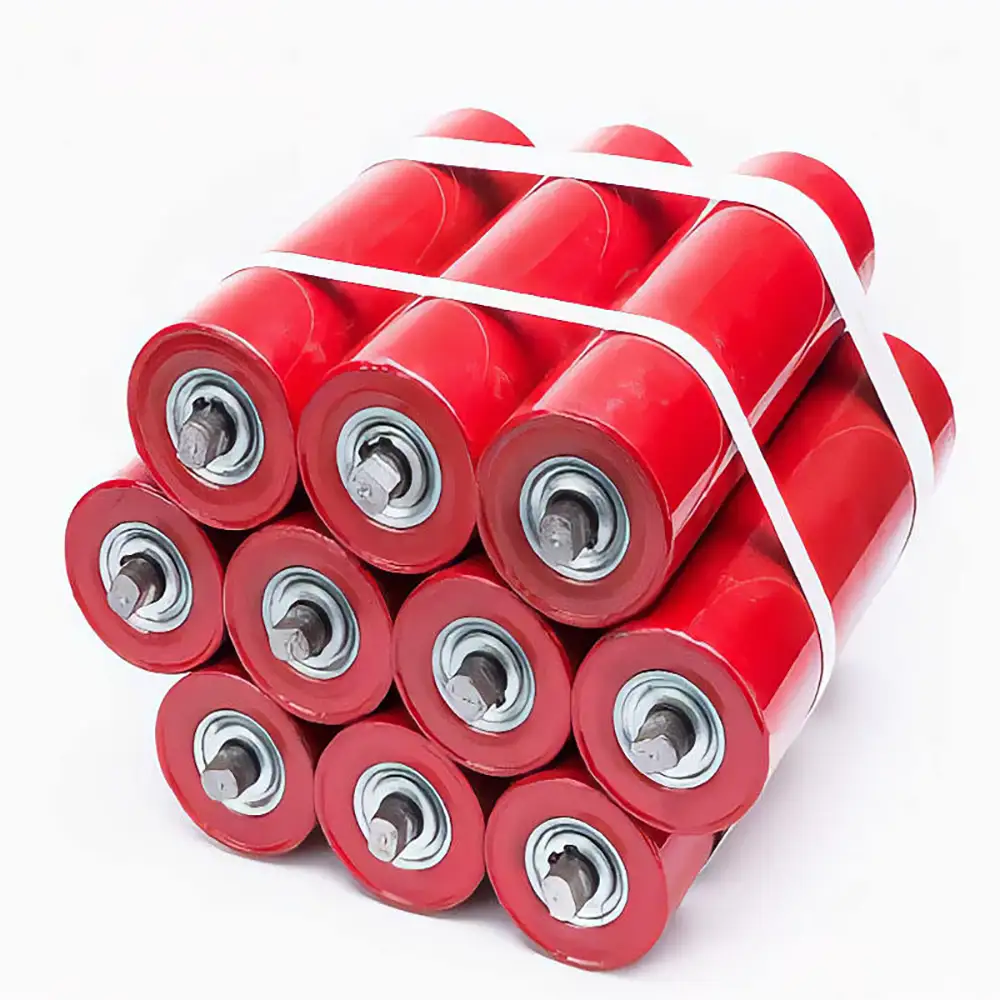
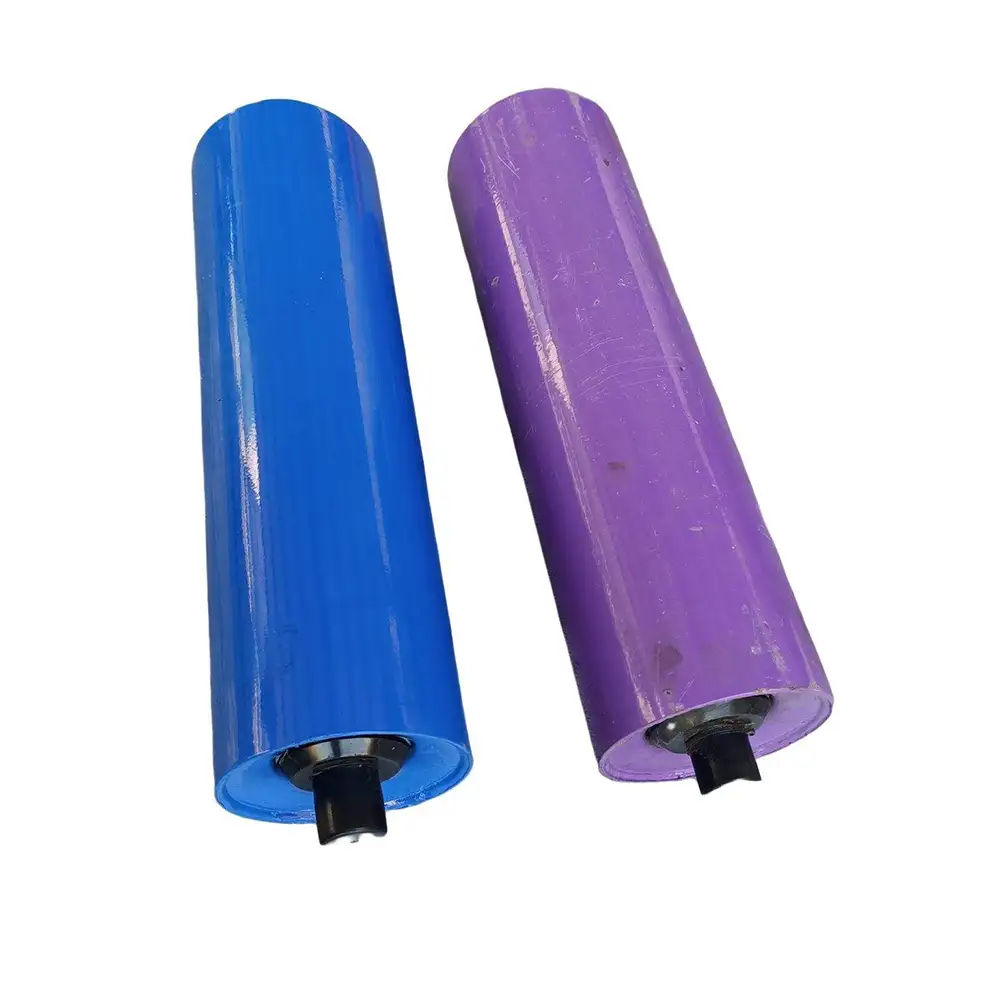
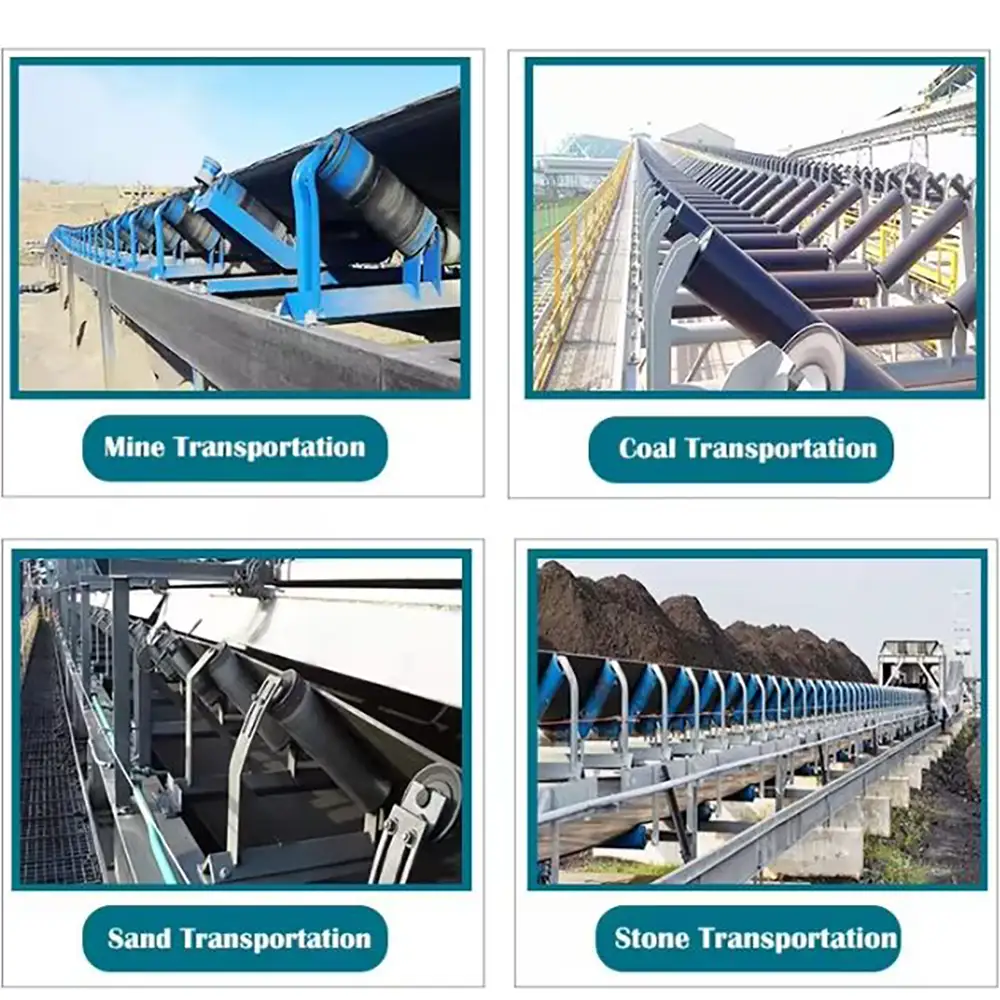
The Flexible Carbon Steel Conveyor Roller is a versatile material handling component designed for conveying cartons, boxes, packages, containers, bags, and other unit loads in warehouses, distribution centers, manufacturing plants, logistics facilities, and industrial production lines.
Manufactured from durable carbon steel, the roller provides a practical combination of strength, wear resistance, load-bearing performance, and cost efficiency. Its flexible configuration allows conveyor systems to adapt to different layouts, working areas, and material handling requirements.
Flexible conveyor rollers can be integrated into expandable, gravity, mobile, and other conveyor configurations. Depending on the system design, the rollers can support manual pushing, gravity conveying, or integration with powered conveyor equipment.
The roller diameter, tube thickness, shaft configuration, bearing type, surface treatment, length, and load capacity can be customized according to the application. This makes the product suitable for both replacement requirements and new conveyor system projects.
What Is a Flexible Carbon Steel Conveyor Roller?
A flexible carbon steel conveyor roller is a cylindrical conveying component that rotates around a shaft and supports materials while allowing them to move along a conveyor.
The carbon steel construction provides a strong and economical solution for industrial material handling. Carbon steel rollers are widely used where reliable mechanical performance and durability are required.
The word flexible can refer to the roller's use within expandable or flexible conveyor systems, where conveyor sections can be extended, contracted, curved, or repositioned according to production and logistics requirements.
Compared with rigid fixed conveyor sections, flexible roller conveyor systems can provide greater layout adaptability, making them useful in loading, unloading, packaging, sorting, and temporary material transfer operations.
Main Components
A typical carbon steel conveyor roller includes:
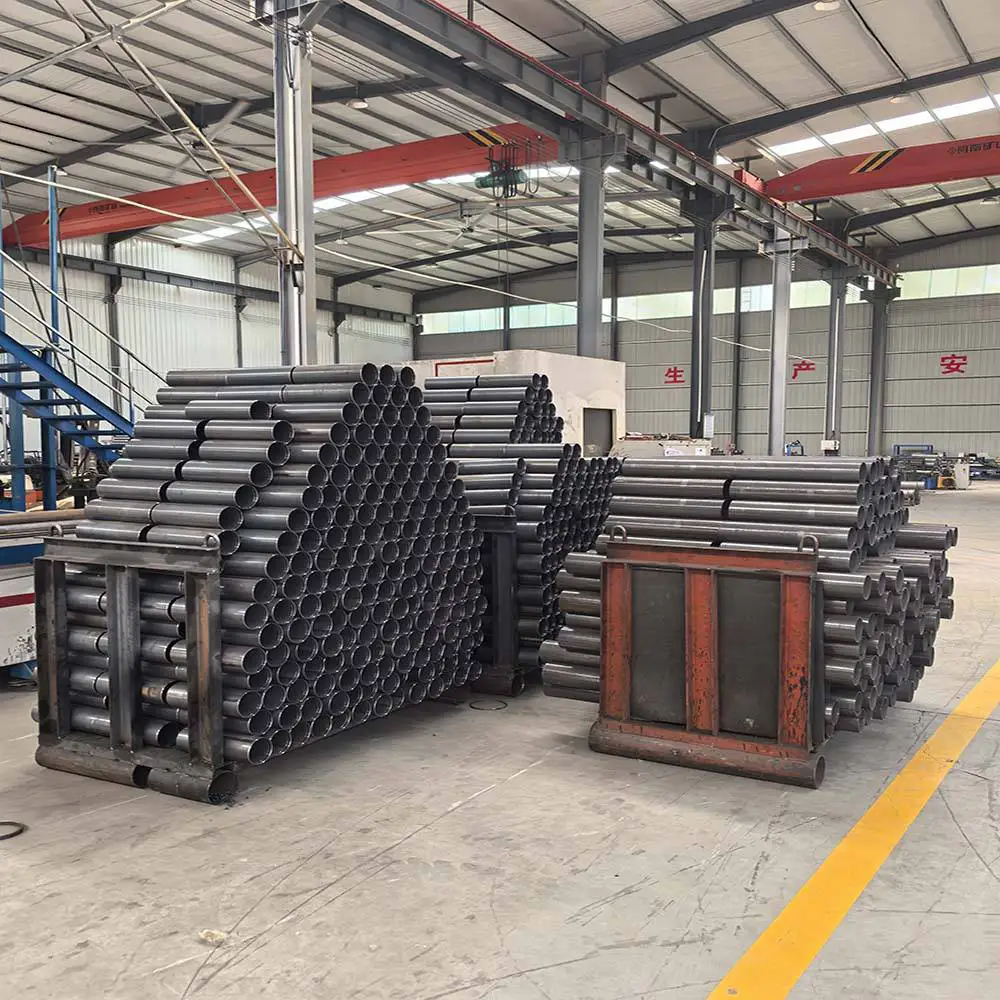
Carbon Steel Roller Tube
Roller Shaft
Precision Bearings
Bearing Housing
End Caps
Surface Treatment
Drive or Sprocket Components When Required
Mounting Components
The roller tube provides the main load-supporting surface, while bearings allow smooth rotation around the shaft.
Depending on the conveyor system, rollers can be supplied with different shaft ends, bearing arrangements, tube diameters, and mounting configurations.
How Does a Flexible Conveyor Roller Work?
The operating principle is simple:
A carton, box, package, or other load is placed on the conveyor.
The load contacts multiple rollers.
The rollers rotate as the load moves.
The load travels along the conveyor with reduced sliding resistance.
Additional rollers continuously support the load throughout the conveying path.
In gravity applications, the conveyor may be installed with a suitable incline so products move naturally toward the discharge end.
In manual applications, workers can push products across the rollers with relatively low resistance.
For powered conveyor systems, the rollers can be incorporated into driven roller assemblies using chains, belts, sprockets, or other transmission methods.
Flexible Roller Conveyor Applications
Warehouse and Distribution
Flexible roller conveyors are useful for moving cartons, parcels, totes, and packages through warehouses and distribution centers. Their adaptable configuration can help operators create temporary or changing material handling routes.
Logistics and Shipping
Loading and unloading areas frequently require flexible conveying equipment. Carbon steel rollers can support cartons and packages during truck loading, unloading, sorting, and staging operations.
Manufacturing Plants
Production facilities can use roller conveyors to transfer components, finished products, containers, and work-in-process materials between workstations.
Packaging Lines
The rollers can be used to move cartons and packaged products between filling, sealing, labeling, inspection, and palletizing areas.
E-Commerce Fulfillment
Distribution operations handling large quantities of parcels can use flexible roller conveyor sections to improve manual package movement and workstation efficiency.
Industrial Material Handling
The rollers are suitable for general unit-load conveying applications where durable and economical conveyor components are required.
Carbon Steel Conveyor Roller Construction
Carbon steel provides a practical material choice for industrial conveyor rollers.
The roller tube can be manufactured to different wall thicknesses and diameters according to required load capacity. Shaft dimensions can also be selected according to mounting conditions and conveyor frame design.
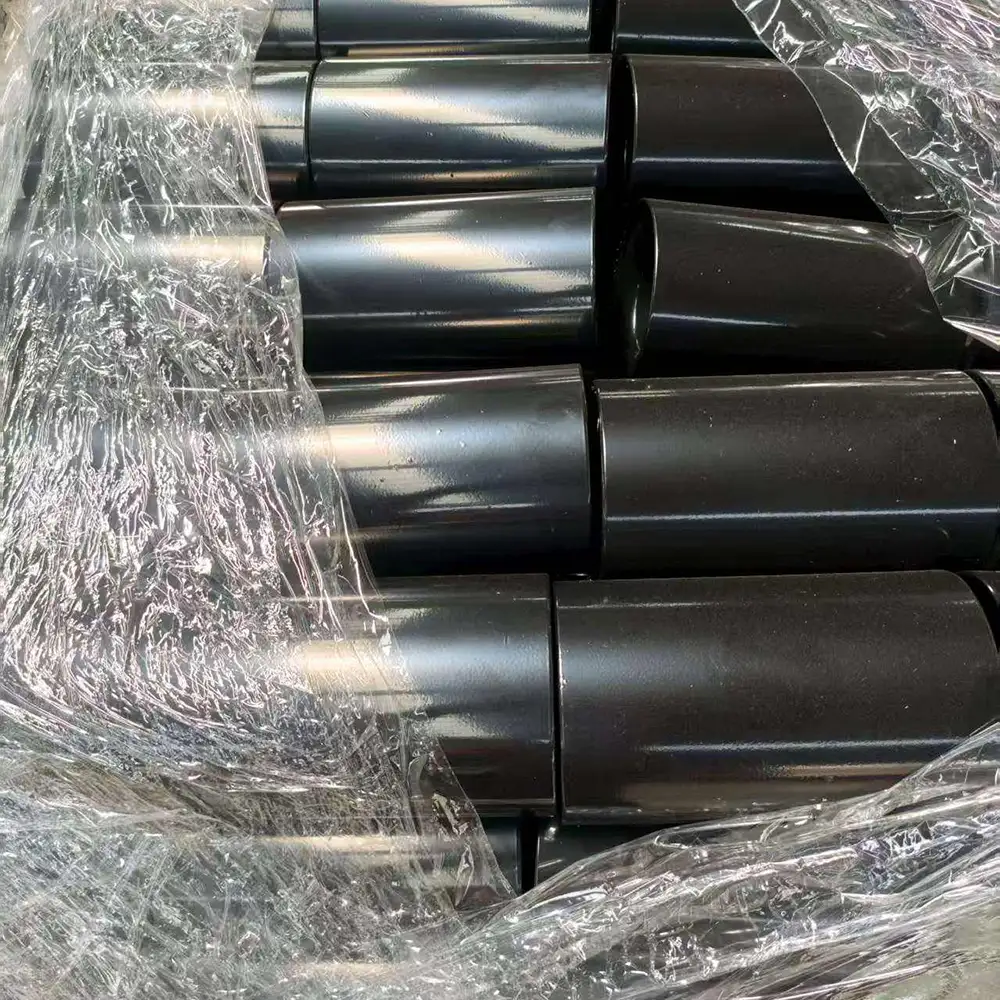
Surface treatment options may be available to improve corrosion resistance and appearance depending on the operating environment.
For standard indoor warehouse applications, conventional carbon steel construction can provide a cost-effective balance between durability and performance. For humid, corrosive, or washdown environments, alternative materials or protective finishes may be considered.
Key Advantages
Strong Carbon Steel Construction
Carbon steel provides good mechanical strength and load-bearing capability for many industrial conveying applications.
Flexible Conveyor Integration
The rollers can be incorporated into expandable, gravity, mobile, and fixed conveyor systems.
Smooth Material Movement
Properly selected bearings and roller dimensions help reduce rolling resistance and support smooth material transfer.
Cost-Effective Design
Carbon steel is widely available and provides an economical solution for many conveyor applications.
Customizable Dimensions
Roller diameter, length, shaft size, wall thickness, bearing type, and surface treatment can be customized.
Wide Application Range
The rollers can handle cartons, boxes, totes, containers, packages, and other unit loads depending on the design and rated capacity.
Easy Replacement
Individual rollers can be manufactured as replacement components for existing conveyor systems.
Easy System Integration
The rollers can be configured to match different conveyor frames, spacing requirements, and transmission systems.
How to Choose the Right Conveyor Roller
Selecting the correct flexible carbon steel conveyor roller requires consideration of several factors.
Load Capacity
Determine the maximum weight of the products being conveyed. The roller load rating should be sufficient for the product weight and the number of rollers supporting each load.
Roller Diameter
Larger roller diameters can provide increased load capacity and rolling stability in appropriate applications. The diameter should also match the product and conveyor design.
Roller Length
The roller length must correspond to the conveyor frame width and the required conveying width.
Roller Pitch
Roller spacing should be selected according to the smallest product being conveyed. Products should normally be supported by multiple rollers to maintain stability.
Bearing Type
Bearing selection affects rolling performance, service life, noise, and operating conditions.
Surface Treatment
For humid or corrosive environments, suitable surface protection should be considered to improve resistance to rust and environmental exposure.
Installation and Maintenance
Proper installation helps ensure smooth roller operation. Rollers should be installed parallel to each other and securely mounted to the conveyor frame.
The roller shafts should fit correctly into the conveyor mounting holes or brackets. Incorrect alignment may cause uneven loading, increased bearing wear, or unstable material movement.
Routine maintenance should include checking roller rotation, bearings, shafts, fasteners, and surface condition. Damaged or noisy rollers should be inspected and replaced when necessary.
In dusty environments, accumulated material should be removed from moving components and bearing areas where practical.
OEM and Custom Conveyor Roller Solutions
As a professional conveyor roller manufacturer and supplier, we can provide customized Flexible Carbon Steel Conveyor Rollers for different conveyor system requirements.
Customization can include roller diameter, roller length, tube thickness, shaft diameter, shaft end design, bearing type, surface treatment, load capacity, and packaging.
OEM production is suitable for conveyor manufacturers, warehouse automation companies, logistics equipment suppliers, material handling integrators, distribution centers, and industrial equipment companies.
Whether you need individual replacement rollers or large quantities for a complete conveyor project, specifications can be matched to your existing system.
Why Choose Us
Professional Conveyor Roller Manufacturer
Durable Carbon Steel Roller Construction
Flexible and Custom Conveyor Solutions
Multiple Roller Sizes and Configurations
OEM and Custom Manufacturing Available
Suitable for Warehouses and Industrial Facilities
Competitive B2B Supply Capability
Custom Shaft and Bearing Options
Quality-Controlled Manufacturing
Export Packaging for International Shipment
FAQs
1. What is a Flexible Carbon Steel Conveyor Roller?
It is a carbon steel roller designed for use in flexible, expandable, gravity, mobile, or other conveyor systems for transporting unit loads and materials.
2. What materials can the roller convey?
It can be used for cartons, boxes, totes, packages, containers, bags, and other suitable unit loads depending on the roller specifications and conveyor design.
3. Is carbon steel suitable for conveyor rollers?
Yes. Carbon steel offers good strength, durability, machinability, and cost efficiency for many indoor and industrial material handling applications.
4. Can the roller be used in a gravity conveyor?
Yes. Properly selected rollers can be used in gravity roller conveyor systems where products are moved manually or by a suitable conveyor incline.
5. Can the conveyor roller be customized?
Yes. Diameter, length, tube thickness, shaft dimensions, bearing type, surface treatment, and other specifications can be customized.
6. How do I select the correct roller diameter?
Selection depends on load weight, product dimensions, roller spacing, conveyor design, and required load capacity. Larger rollers may be appropriate for heavier loads when compatible with the system.
7. What is roller pitch?
Roller pitch is the center-to-center distance between adjacent rollers. It should be selected so the conveyed product remains supported by multiple rollers.
8. Can carbon steel rollers be used outdoors?
They can be used in suitable outdoor applications, but environmental exposure should be considered. Protective surface treatment or alternative materials may be recommended for humid or corrosive conditions.
9. Are replacement rollers available?
Yes. Replacement rollers can be manufactured according to the dimensions and mounting specifications of an existing conveyor.
10. What information is needed for a custom conveyor roller?
Useful information includes roller diameter, roller length, shaft diameter, shaft end style, load capacity, bearing type, quantity, application, and conveyor frame dimensions.
Flexible Carbon Steel Conveyor Roller,Flexible Conveyor Roller,Carbon Steel Conveyor Roller,Flexible Conveyor Roller Mac China, suppliers, manufacturers, factory, customized, wholesale, quotation, made in China