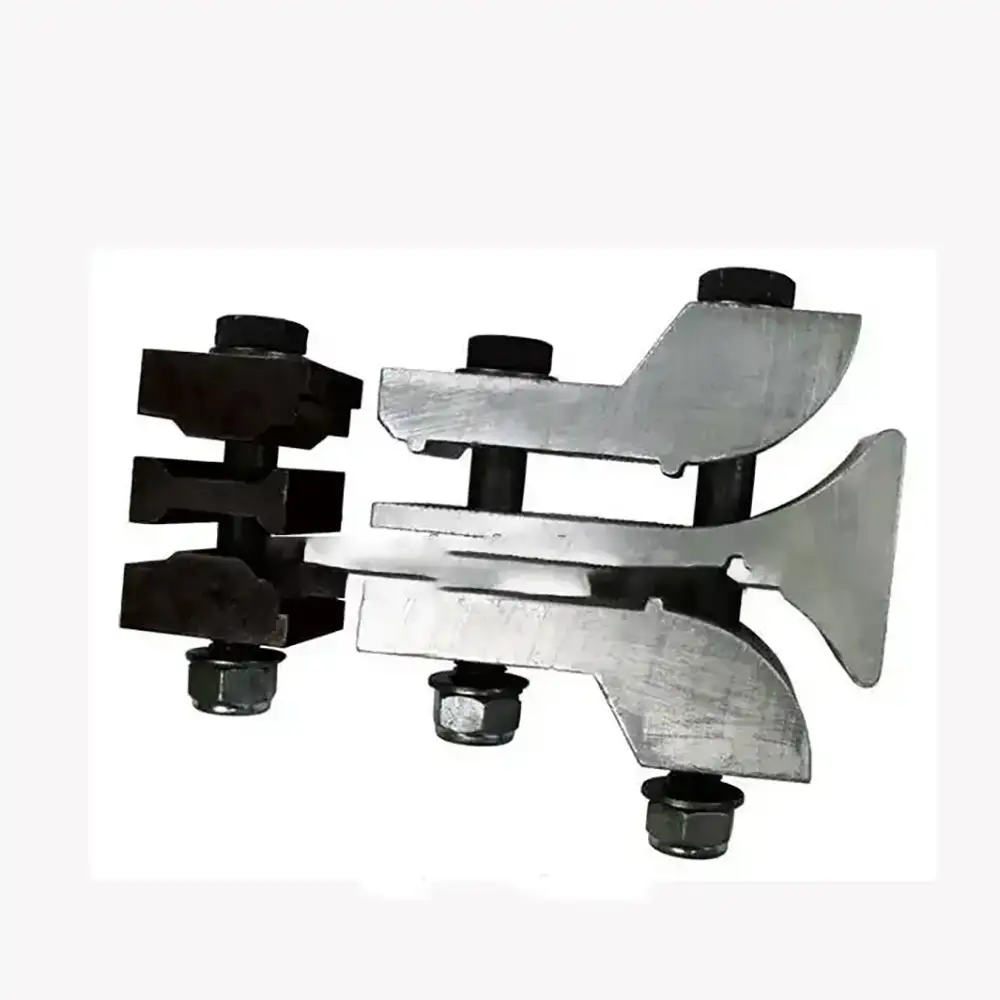
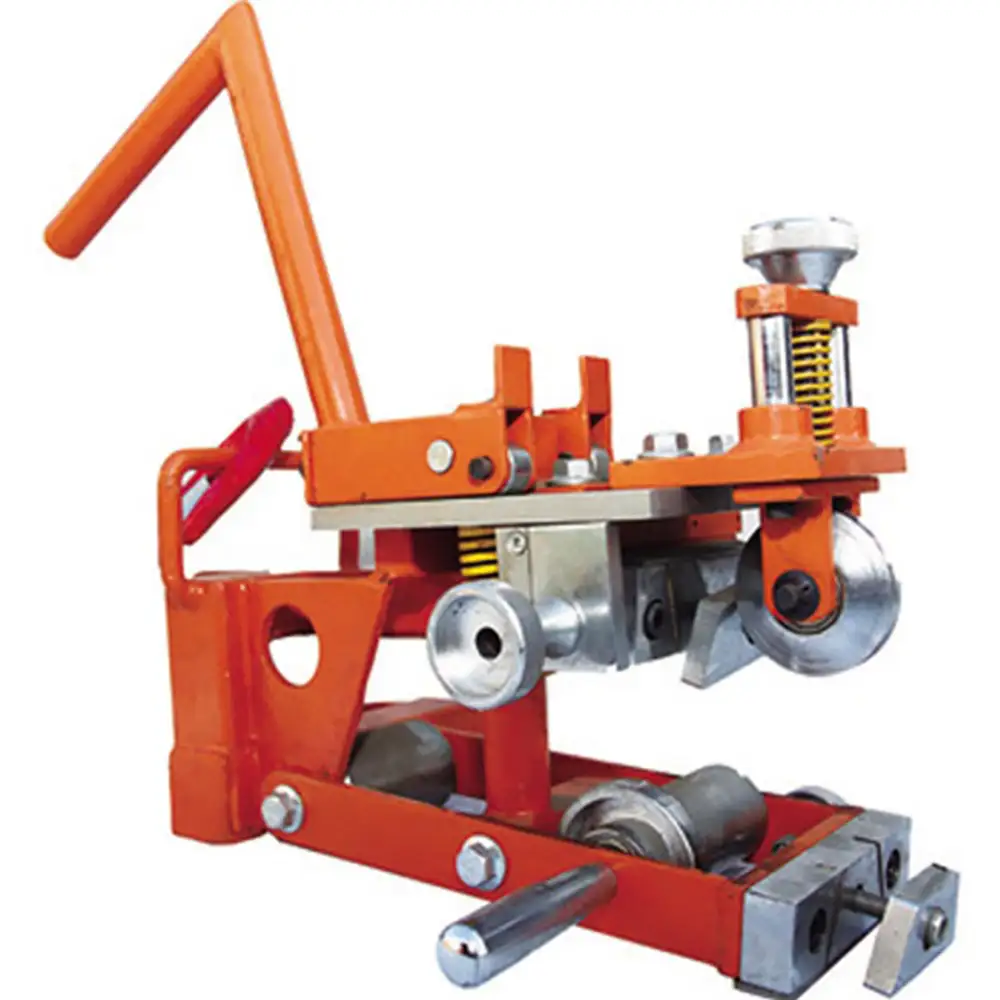
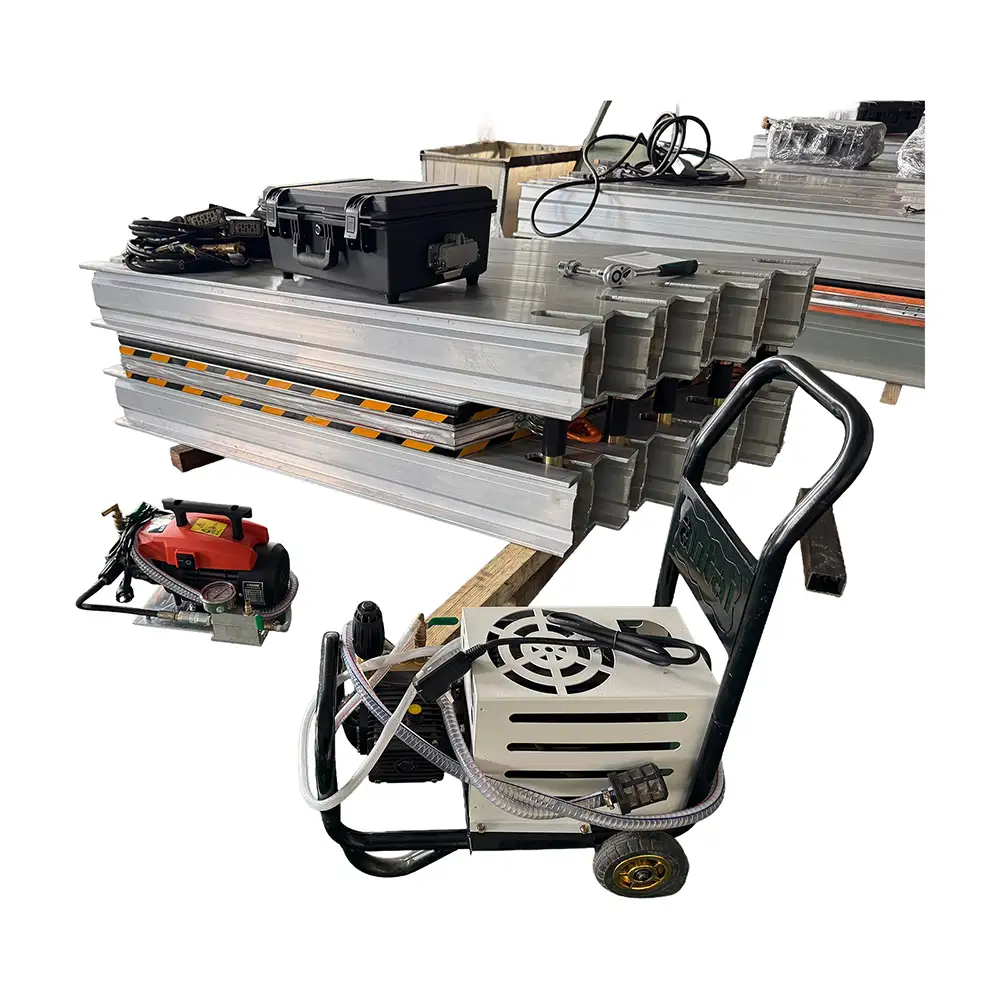
Elevator Belt Fastener
Application
Elevator Belt Fastener, which also named belt clamp, elevator belt joint kit and elevator belt splicing kit. It is used for the joint of bucket elevator conveyor belt and steel cord conveyor belt. It is widely used in cement, concrete plants, sand, gravel and stone industry, Dock, ship loading and unloading, Heating stations, power stations, garbage incineration plants, etc.
Type
|
Type |
N-TGD250 |
N-TGD315 |
N-TGD400 |
N-TGD500 |
N-TGD630 |
|
Belt With |
300mm |
400mm |
450mm |
550mm |
680mm |
|
Type |
N-TGD800 |
N-TGD1000 |
N-TGD1250 |
N-TGD1400 |
N-TGD1600 |
|
Belt With |
850mm |
1050mm |
1300mm |
1450mm |
1650mm |
The Elevator Belt Fastener, Belt Clamp, Elevator Belt Joint Kit, and Elevator Belting Splicing Kit are practical components for joining, repairing, and maintaining elevator belts used in bucket elevators and vertical bulk material handling systems.
Bucket elevators operate continuously under tension while transporting grain, fertilizer, cement, coal, minerals, feed, and other bulk materials vertically. A reliable belt connection is therefore essential for maintaining stable operation and minimizing unexpected downtime.
An elevator belt fastener provides a mechanical connection between belt ends. Depending on the application and belt construction, the fastening system may include metal fasteners, clamps, bolts, plates, washers, joint components, and installation accessories.
The elevator belt joint kit is designed to provide the components required for a complete belt connection, while an elevator belting splicing kit can be used for belt installation, maintenance, field repair, and replacement work.
Different belt widths, thicknesses, belt materials, hole patterns, fastener dimensions, and load requirements can be accommodated through appropriate configurations.
What Is an Elevator Belt Fastener?
An Elevator Belt Fastener is a mechanical fastening component used to connect the ends of a bucket elevator belt.
Unlike a hot-vulcanized belt joint, a mechanical elevator belt connection uses physical fasteners to hold the two belt ends together. This approach can be useful for applications where quick installation, field maintenance, or belt replacement is required.
The fastening method must be selected according to belt thickness, belt strength, bucket configuration, pulley diameter, operating tension, material characteristics, and elevator design.
A properly selected belt fastener can provide a secure connection while maintaining compatibility with the elevator's buckets, pulleys, belt tracking, and overall mechanical structure.
What Is a Belt Clamp?
A Belt Clamp is a mechanical component used to hold, align, or connect conveyor and elevator belt sections.
For elevator applications, belt clamps may be used during belt installation, joint preparation, tensioning, repair, or mechanical splicing. They can help maintain belt alignment while fastening components are installed.
Depending on the design, clamps may be manufactured from steel or other suitable materials and supplied in different sizes to accommodate various belt widths and thicknesses.
Elevator Belt Joint Kit
An Elevator Belt Joint Kit combines the components required to create a mechanical belt connection.
A typical kit may contain:
Belt Fasteners
Joint Plates
Bolts
Nuts
Washers
Belt Clamps
Alignment Components
Installation Accessories
The exact contents depend on the joint design and customer requirements.
Using a complete joint kit can simplify procurement and help ensure that the required fastening components are compatible with each other.
Elevator Belting Splicing Kit
An Elevator Belting Splicing Kit is designed to support the joining, installation, and maintenance of elevator belting.
The kit can be supplied according to specific belt dimensions and connection requirements. For maintenance teams, having appropriate splicing components available can help reduce the time required to replace damaged belt sections or install new elevator belting.
Mechanical splicing can be particularly useful where rapid field installation is important or where the operating environment makes hot vulcanizing less practical.
How Does an Elevator Belt Joint Work?
A typical mechanical belt joint process includes:
The elevator is stopped and isolated according to site safety procedures.
The belt ends are positioned and aligned.
Belt ends are cut or prepared according to the selected joint design.
Belt clamps are used when necessary to hold the belt securely.
Fastener holes or fastening locations are prepared.
Joint plates or fasteners are positioned over the belt ends.
Bolts, nuts, or other fastening components are installed.
Fasteners are tightened according to the specified installation procedure.
The belt joint is inspected for alignment and secure fastening.
The elevator is tested before returning to normal operation.
The actual installation procedure should follow the fastener manufacturer's instructions and the requirements of the elevator and belt manufacturers.
Main Applications
Bucket Elevators
Elevator belt fasteners are widely used in bucket elevator systems for vertical transportation of bulk materials.
Grain Handling
Grain elevators and agricultural processing facilities can use mechanical belt joint components for elevator belts transporting wheat, corn, rice, barley, seeds, and other grains.
Cement and Building Materials
Cement plants and building material facilities use bucket elevators for cement, clinker, gypsum, limestone powder, and other materials. Reliable belt joints are important for continuous vertical conveying.
Fertilizer Plants
Fertilizer production and handling systems may use bucket elevators for granular and powdered materials. Belt joint kits can support routine belt maintenance.
Feed Mills
Animal feed plants use bucket elevators to move grain, pellets, meal, and other ingredients. Elevator belt fastening systems can support belt installation and repair.
Mining and Mineral Processing
Bucket elevators used for minerals, ores, coal, and abrasive bulk materials require durable belt connection components suitable for demanding operating conditions.
Key Advantages
Reliable Mechanical Connection
A properly selected fastening system provides a secure mechanical connection between elevator belt ends.
Fast Installation
Mechanical fastening can allow belt joints to be installed without the curing time associated with hot vulcanizing.
Convenient Field Maintenance
Splicing components can be transported to maintenance locations and used for on-site belt repair or replacement.
Complete Joint Kit
An elevator belt joint kit can combine multiple fastening components into one coordinated solution.
Wide Belt Compatibility
Different fastener sizes and configurations can be selected for different belt widths and thicknesses.
Easy Inspection
Mechanical joints can be visually inspected and checked during routine elevator maintenance.
Reduced Maintenance Downtime
When properly specified and installed, mechanical belt fastening can provide a practical maintenance solution for many elevator applications.
Customizable
Fastener dimensions, materials, belt compatibility, hole patterns, and kit configurations can be customized according to project requirements.
How to Select the Right Elevator Belt Fastener
The correct fastener should be selected based on several important parameters.
Belt Width and Thickness
The fastener must be compatible with the physical dimensions of the elevator belt.
Belt Strength
Higher-strength belts may require fastening systems designed for greater mechanical loads.
Pulley Diameter
The joint should be suitable for the elevator pulley dimensions. A joint that is too rigid or improperly configured may affect belt movement around pulleys.
Bucket Arrangement
The fastener should not interfere with bucket attachment bolts, buckets, pulleys, or other elevator components.
Material Characteristics
The conveyed material, temperature, abrasiveness, moisture, and dust conditions should be considered when selecting fastener materials and surface treatments.
Operating Tension
The expected belt tension is an important consideration when selecting the appropriate fastening system.
Installation and Maintenance
Before installing an elevator belt fastener, the elevator should be stopped and isolated according to the applicable safety procedures.
Belt ends should be properly aligned and prepared. Fasteners should be installed according to the specified hole pattern and tightened evenly.
During routine maintenance, inspect the joint for loose bolts, damaged fasteners, belt edge wear, cracking, deformation, or misalignment.
The belt joint should also be checked after initial operation to ensure that fastening components remain secure.
For high-tension or heavy-duty elevator systems, the fastening method should be selected and installed according to the belt and elevator manufacturer's technical requirements.
OEM and Custom Elevator Belt Splicing Solutions
As an industrial conveyor and elevator belt accessory manufacturer and supplier, we can provide customized Elevator Belt Fasteners, Belt Clamps, Elevator Belt Joint Kits, and Elevator Belting Splicing Kits.
Customization can include fastener dimensions, steel grade, surface treatment, bolt size, joint plate configuration, belt width compatibility, packaging, and complete kit contents.
OEM supply is suitable for bucket elevator manufacturers, conveyor equipment companies, grain handling businesses, cement plants, mining companies, fertilizer plants, feed mills, and industrial maintenance suppliers.
Why Choose Us
Professional Elevator Belt Fastener Manufacturer
Complete Belt Joint and Splicing Kits
Durable Mechanical Fastening Components
Multiple Belt Width and Thickness Options
Suitable for Bucket Elevator Applications
Convenient Field Installation and Maintenance
Custom Fastener and Kit Configurations
OEM Manufacturing Available
Quality-Controlled Industrial Components
B2B Export Supply and Technical Support
FAQs
1. What is an elevator belt fastener?
An elevator belt fastener is a mechanical component used to connect the ends of a belt used in a bucket elevator or vertical conveying system.
2. What is an elevator belt joint kit?
An elevator belt joint kit is a collection of compatible components used to create a mechanical connection between elevator belt ends.
3. What is included in a belting splicing kit?
Contents vary by design but may include fasteners, joint plates, bolts, nuts, washers, clamps, and installation accessories.
4. Can elevator belt fasteners be used for bucket elevators?
Yes. They are specifically suitable for many bucket elevator belt installation, replacement, and maintenance applications when properly selected for the belt and elevator design.
5. Can the belt fastener be used for heavy-duty applications?
Yes, suitable heavy-duty fastening systems are available for applications with higher belt tension and demanding operating conditions.
6. Can the belt joint be installed in the field?
Yes. Mechanical belt fastening systems can be designed for field installation, subject to appropriate safety procedures and installation requirements.
7. What information is needed to select a belt fastener?
Important information includes belt width, belt thickness, belt strength, belt material, pulley diameter, operating tension, bucket arrangement, and application conditions.
8. What is the difference between mechanical splicing and vulcanizing?
Mechanical splicing uses physical fasteners to join belt ends, while vulcanizing uses heat, pressure, and bonding materials to create a bonded rubber joint.
9. Can the elevator belt joint kit be customized?
Yes. Fastener dimensions, materials, bolt specifications, joint configuration, belt compatibility, and kit contents can be customized.
10. How should elevator belt fasteners be maintained?
Inspect the joint regularly for loose fasteners, belt damage, edge wear, cracking, deformation, and misalignment. Tightening and replacement should follow the applicable manufacturer's specifications.
Prev:
Steel Cord Belt Stripper Machinery, Steel Cord Belt Stripper Tools, Steel Cord Belt Cutting Device
Next:
Conveyor Belt Vulcanizer, Quality Conveyor Belt Vulcanizer
TAG:
Belt Splicing Equipment,
Belt Jointing Equipment,
Mechanical Belt Splice,
Mechanical Belt Splicing,
Elevator Belt Splicing,
Bucket Elevator Belt Splicing,
Bucket Elevator Belt Joint,
Bucket Elevator Belt Clamp,
Bucket Elevator Splicing Kit,
Elevator Belting,
Elevator Belt Connector,
Belt Connector,
Belt Joining Kit,
Belt Joining Fastener,
Conveyor Belt Splice,
Conveyor Belt Splice Kit,
Conveyor Belt Mechanical Splice,
Industrial Belt Fastener,
Heavy Duty Belt Fastener,
Heavy Duty Elevator Belt Joint,
Industrial Belt Joint,
Grain Elevator Belt Fastener,
Grain Elevator Belt Splicing,
Cement Elevator Belt Fastener,
Mining Elevator Belt Fastener,
Fertilizer Elevator Belt Fastener,
Feed Elevator Belt Fastener,
Bucket Conveyor Belt Fastener,
Elevator Belt Repair Kit,
Belt Repair Kit,
Related Category:
Elevator Belt Fastener, Belt Clamp, Elevator Belt Joint Kit, Elevator Belting Splicing Kit China, suppliers, manufacturers, factory, customized, wholesale, quotation, made in China