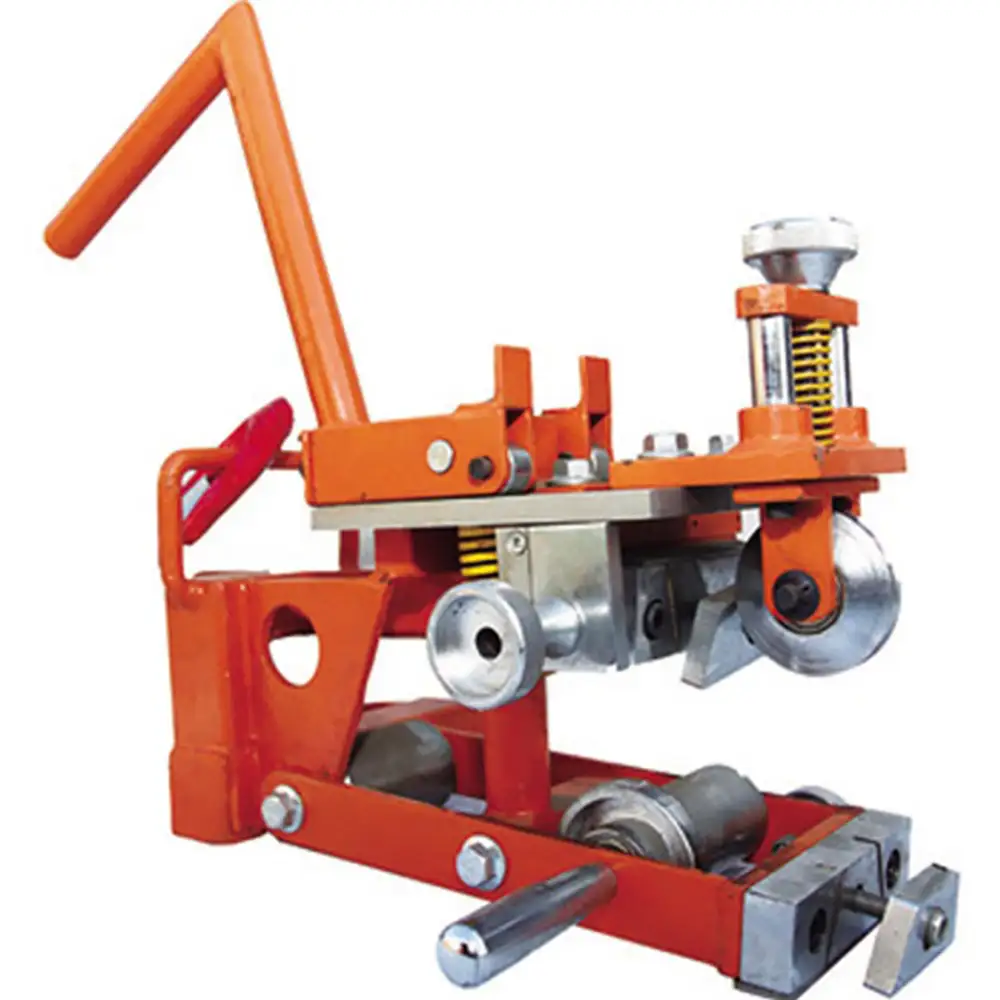
Application
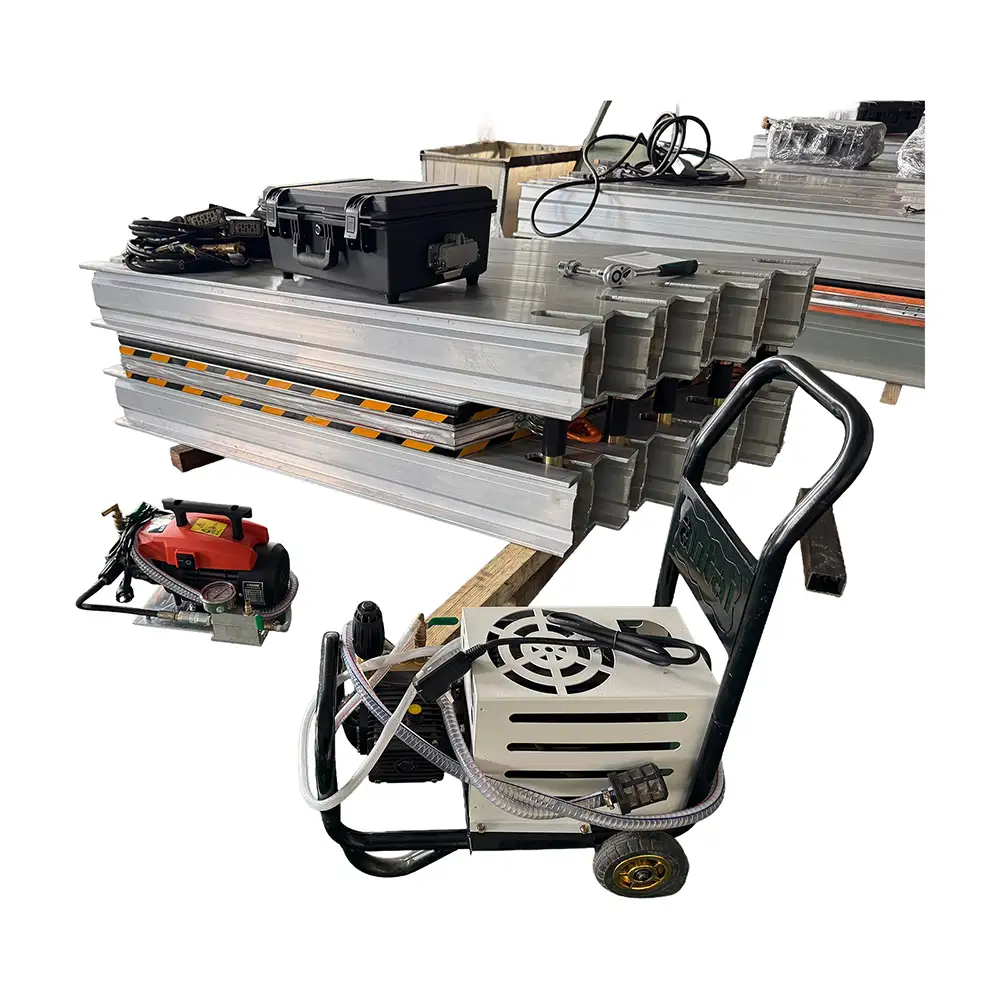
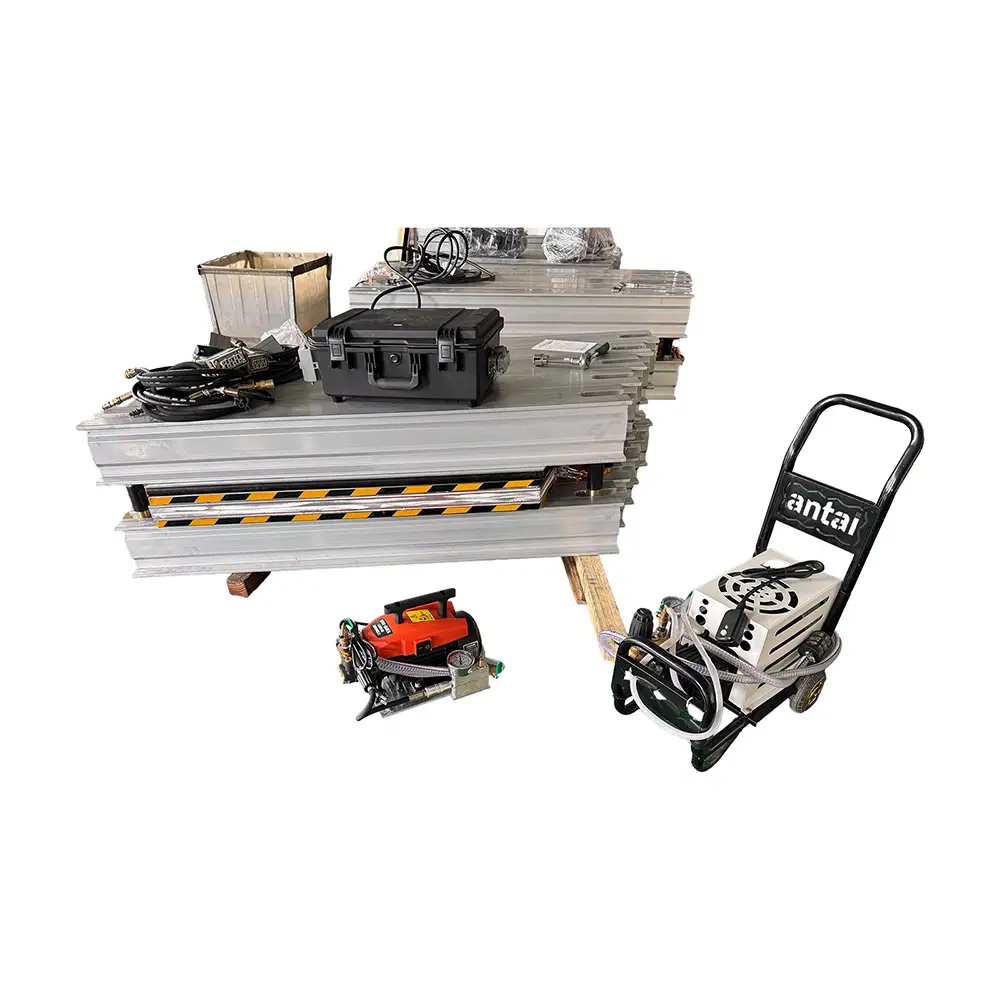
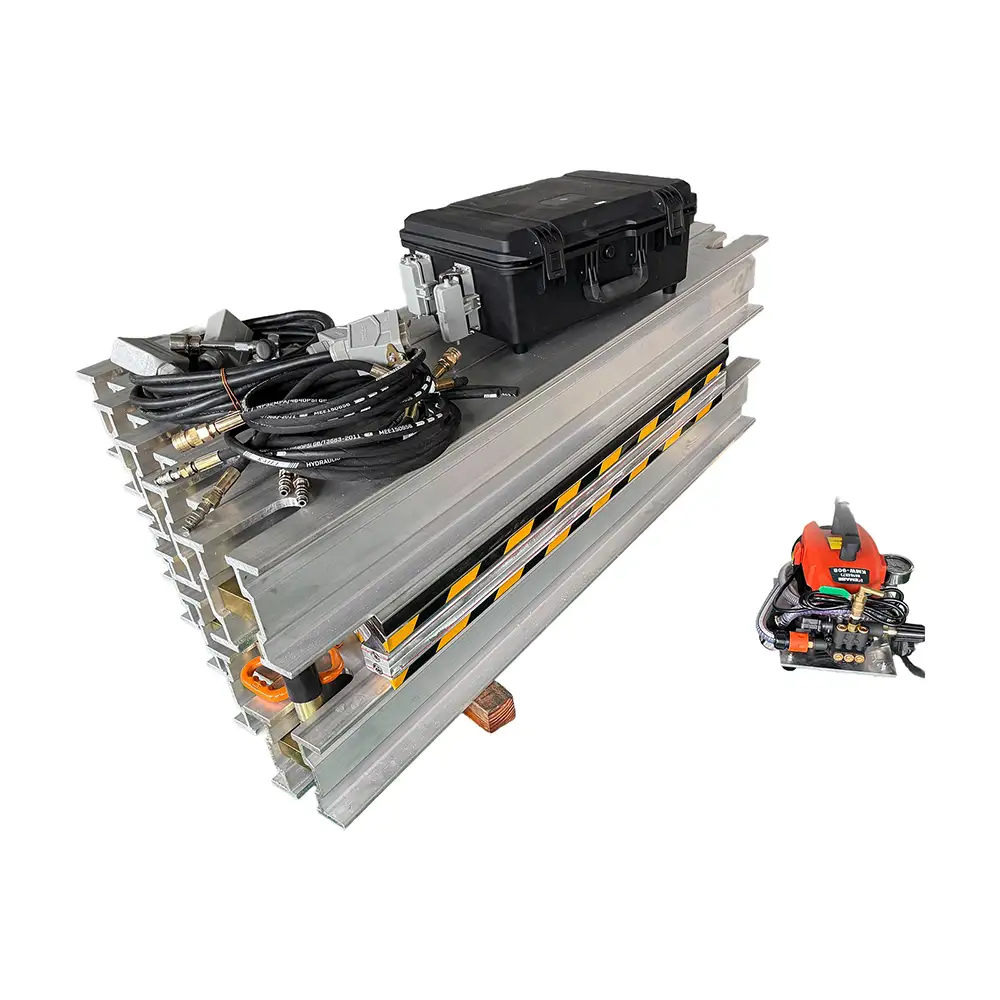
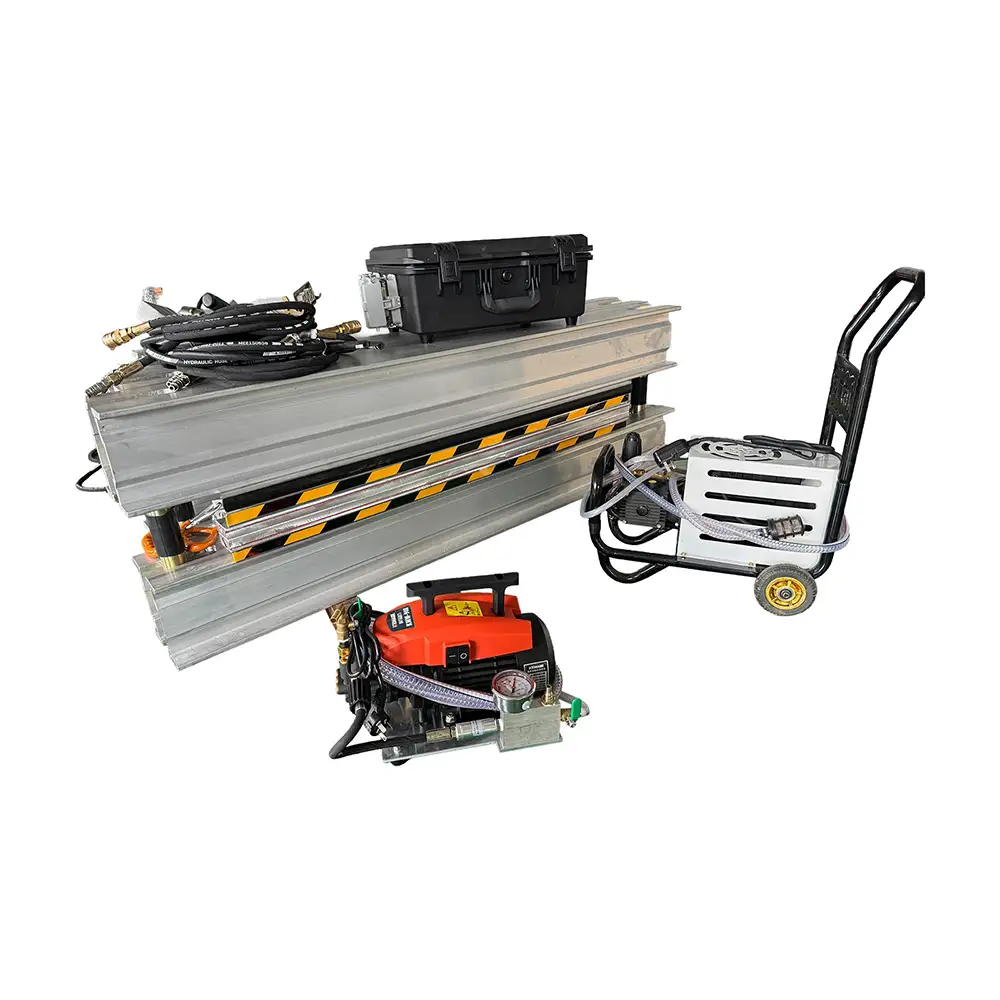
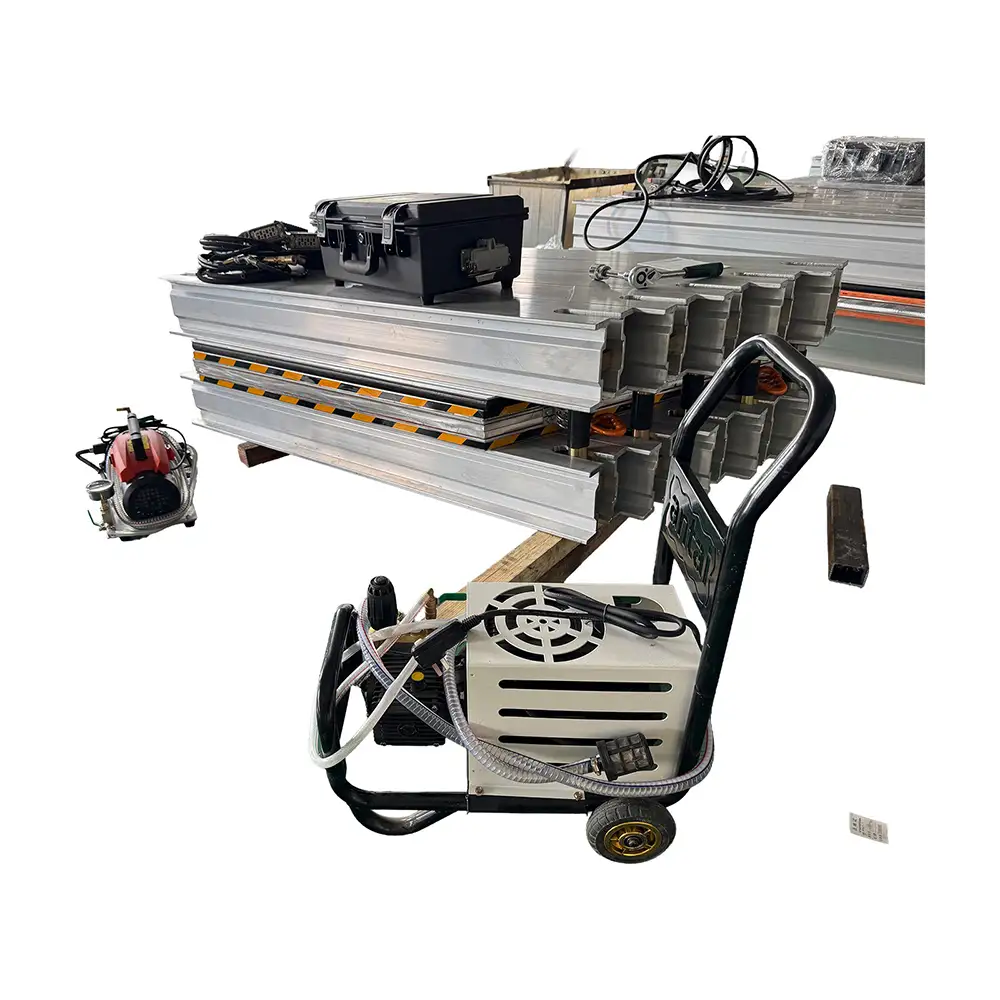
Conveyor Belt Vulcanizer, also called Conveyor Belt Vulcanizing Press or Belt Vulcanizing Machine. It is used for repairing and splicing conveyor belt. And widely used in the field of metallurgy, mining, power plants, ports, building materials, cement, coal mine, chemical industry, etc.
Features
1.It is portable, dependable and light weight
2.Easy to operate
3.Rapid heating
4.Heating temperature, vulcanizing time, vulcanizing pressure, hydraulic pressure compensation can be set according to your need
Information needed when order
|
Heating platen length |
A=? |
|
Belt max width |
B=? |
|
Working pressure |
100PSI/200PSI |
|
Working voltage |
380V/ 660V/ 480V/440V/415V/400V |
The Conveyor Belt Vulcanizer is professional equipment designed for hot vulcanizing, splicing, joining, and repairing rubber conveyor belts. It uses controlled heat, pressure, and vulcanizing time to create a strong and durable joint between conveyor belt sections.
A quality conveyor belt splice is essential for maintaining reliable material handling operations. A properly vulcanized joint can help reduce belt separation, premature wear, material leakage, and unexpected conveyor downtime.
The equipment is widely used in mining, coal handling, cement plants, quarrying, aggregate processing, ports, power plants, steel mills, and other industries where conveyor belts operate continuously under demanding conditions.
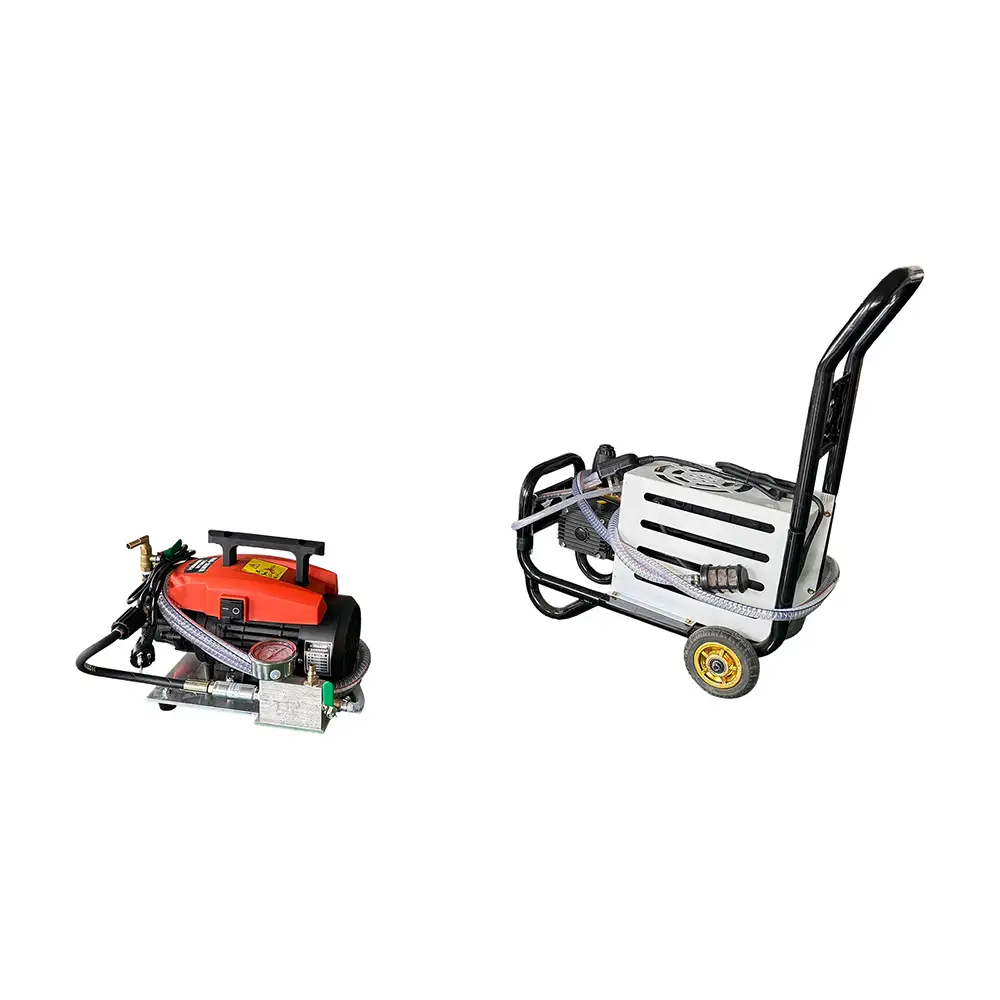
Depending on the model, the vulcanizer can include heating plates, hydraulic pressure systems, temperature controllers, electrical control components, crossbeam structures, pressure bags, and other accessories required for professional belt splicing.
Different belt widths, thicknesses, working pressures, heating temperatures, and joint lengths can be accommodated through appropriate machine configurations.
What Is a Conveyor Belt Vulcanizer?
A conveyor belt vulcanizer is a specialized belt splicing machine used to join two ends of a rubber conveyor belt through heat and pressure.
Unlike mechanical fasteners, hot vulcanizing creates a bonded joint within the rubber belt structure. The process can produce a smooth splice that is suitable for continuous conveyor operation when correctly prepared and processed.
A typical vulcanizing operation involves preparing the belt ends, arranging the splice according to the specified joint pattern, applying heat and pressure, maintaining the required vulcanizing conditions, and allowing the joint to cool before returning the conveyor belt to service.
The quality of the final splice depends on machine performance, belt material, joint design, surface preparation, temperature, pressure, vulcanizing time, and operator technique.
How Does a Belt Vulcanizing Machine Work?
The basic hot vulcanizing process includes several stages:
The conveyor belt is stopped and properly secured.
The belt ends are measured and cut according to the required splice design.
The belt surfaces are cleaned and prepared.
Splicing materials are positioned between the prepared belt ends.
The belt is placed between the vulcanizer heating plates.
Hydraulic or mechanical pressure is applied.
Heating plates raise the splice area to the required vulcanizing temperature.
Heat and pressure are maintained for the specified curing time.
The splice is allowed to cool under controlled conditions.
The finished joint is inspected before the conveyor resumes operation.
Following the belt manufacturer's recommended splicing procedure is important for achieving consistent joint quality.
Main Components
A quality conveyor belt vulcanizer may include:
Upper Heating Plate
Lower Heating Plate
Heating Elements
Hydraulic Pressure System
Hydraulic Pump
Temperature Control System
Pressure Control Components
Crossbeam or Clamping Frame
Electrical Control Box
Insulation Components
Water-Cooling or Cooling Accessories When Applicable
Carrying and Installation Accessories
The exact configuration varies according to belt width, belt thickness, pressure requirements, and application.
Quality Conveyor Belt Vulcanizer for Industrial Splicing
A Quality Conveyor Belt Vulcanizer should provide stable heating, uniform pressure distribution, accurate temperature control, and reliable mechanical construction.
Uniform heating is particularly important because uneven temperature across the splice can affect curing consistency. The heating plates should therefore provide an appropriate and stable temperature distribution across the working area.
Pressure is another critical factor. The hydraulic or mechanical pressure system should provide adequate and consistent pressure across the splice during vulcanization.
A reliable control system allows operators to monitor temperature, pressure, and curing time during the splicing process.
For field maintenance applications, portability and modular construction can also be important. Portable vulcanizers can be transported to remote conveyor locations for on-site belt repair and splicing.
Conveyor Belt Splicing Applications
Mining
Mining conveyors often operate under heavy loads and abrasive conditions. Belt vulcanizing equipment allows damaged belts or belt ends to be repaired and spliced directly at maintenance locations.
Coal Handling
Coal conveyors in mines and power plants require reliable belt joints for continuous bulk material transportation. Hot vulcanizing equipment can be used for both installation and maintenance.
Cement Plants
Cement plants use conveyor systems to transport limestone, clinker, coal, gypsum, and other materials. Belt vulcanizers can support routine belt maintenance and replacement work.
Quarry and Aggregate
Crushed stone, gravel, sand, and aggregate processing systems may operate for long production cycles. On-site belt splicing equipment can reduce the time required for conveyor belt maintenance.
Ports and Bulk Terminals
Large conveyor systems used for loading and unloading bulk materials can benefit from reliable belt splicing equipment for maintenance and repair operations.
Steel and Power Plants
Industrial plants with high-capacity belt conveyors can use vulcanizing machines to repair damaged belts and create new belt joints.
Key Advantages
Strong Hot-Vulcanized Joints
The hot vulcanizing process creates a bonded joint designed to become an integrated part of the rubber conveyor belt structure.
Uniform Heating
Properly designed heating plates provide controlled heat across the splice area.
Adjustable Pressure
A hydraulic pressure system can provide controlled pressure according to the belt and splice requirements.
Accurate Temperature Control
Temperature controllers help operators maintain the required vulcanizing conditions throughout the curing process.
Portable Field Operation
Many belt vulcanizers are designed in sections that can be transported to conveyor maintenance locations.
Reduced Downtime
On-site belt splicing can help maintenance teams restore conveyor systems without transporting the entire belt to a workshop.
Wide Belt Compatibility
Different vulcanizer sizes can be selected according to belt width, thickness, and splice requirements.
Industrial Durability
Heavy-duty construction makes the equipment suitable for demanding mining, coal, cement, quarry, and material handling applications.
How to Choose the Right Conveyor Belt Vulcanizer
Several specifications should be considered when selecting a belt vulcanizing machine.
Belt Width
The effective vulcanizing width should match or exceed the required splice width.
Belt Thickness
The machine should provide sufficient working clearance and pressure capability for the conveyor belt thickness.
Vulcanizing Temperature
The heating system should be compatible with the recommended curing temperature of the belt and splice materials.
Working Pressure
The required pressure depends on the belt construction, splice method, and manufacturer's specifications.
Joint Length
Different applications require different vulcanizing plate lengths. The selected machine should provide sufficient working area for the intended splice.
Power Supply
Electrical voltage and frequency should be confirmed before ordering, particularly for international installations.
Portability
For field maintenance, machine weight, sectional construction, and transportation requirements should be considered.
Installation and Maintenance
Before vulcanizing, the conveyor should be stopped, isolated, and secured according to appropriate site safety procedures. Belt preparation should follow the belt and splice material manufacturer's instructions.
Heating plates should be kept clean and inspected regularly. Hydraulic hoses, pumps, pressure connections, electrical cables, temperature sensors, heating elements, and structural components should also be checked periodically.
Operators should monitor temperature and pressure during each vulcanizing cycle and avoid exceeding the equipment's rated specifications.
Proper storage and transportation are also important for portable vulcanizers used in field maintenance.
OEM and Custom Belt Vulcanizing Solutions
As a professional conveyor belt vulcanizer manufacturer and supplier, we can provide customized equipment for different conveyor belt sizes and industrial applications.
Customization can include vulcanizing plate dimensions, belt width, heating temperature, working pressure, hydraulic system configuration, electrical voltage, control system, frame structure, and accessories.
OEM solutions are suitable for conveyor belt manufacturers, mining companies, cement plants, coal handling contractors, quarry operators, conveyor system integrators, and industrial maintenance service providers.
Why Choose Us
Professional Conveyor Belt Vulcanizer Manufacturer
Quality Hot Vulcanizing Equipment
Stable Heating and Pressure Control
Hydraulic and Electric System Options
Portable Solutions for Field Belt Splicing
Suitable for Mining, Coal, Cement, Quarry, and Industry
Multiple Belt Width and Splice Configurations
OEM and Custom Manufacturing Available
Export-Oriented B2B Supply Service
Technical Support for Conveyor Belt Splicing Applications
FAQs
1. What is a conveyor belt vulcanizer?
A conveyor belt vulcanizer is a machine used to join rubber conveyor belt ends through controlled heat, pressure, and curing time.
2. What is hot vulcanizing?
Hot vulcanizing is a belt splicing process that uses heat and pressure to cure bonding materials and create a durable joint between conveyor belt sections.
3. What industries use conveyor belt vulcanizers?
They are commonly used in mining, coal handling, cement, quarrying, aggregate processing, power generation, steel plants, ports, and bulk material handling.
4. Can a vulcanizer repair damaged conveyor belts?
Yes. Depending on the type and extent of damage, vulcanizing equipment can be used for certain belt repair and splicing applications.
5. Is the vulcanizer portable?
Many models are designed with sectional or modular components that make transportation and on-site belt splicing practical.
6. How long does a belt vulcanizing cycle take?
The curing time varies according to belt material, thickness, splice material, temperature, pressure, and the belt manufacturer's recommended procedure.
7. What temperature is required for vulcanizing?
The required temperature depends on the conveyor belt and splice materials. Operators should follow the applicable manufacturer's recommended curing parameters.
8. Can the vulcanizer be customized?
Yes. Heating plate dimensions, belt width, pressure, electrical configuration, control system, and other specifications can be customized.
9. What is better for a conveyor belt, mechanical splicing or vulcanizing?
The appropriate method depends on the belt type, application, operating conditions, maintenance requirements, and manufacturer's recommendations. Hot vulcanizing is commonly selected when a bonded rubber joint is required.
10. What information is needed to select a belt vulcanizer?
Important information includes conveyor belt width, belt thickness, belt material, required splice length, vulcanizing temperature, working pressure, power supply, and whether the equipment will be used in a workshop or in the field.
Prev:
Elevator Belt Fastener, Belt Clamp, Elevator Belt Joint Kit, Elevator Belting Splicing Kit
Next:
Flexible Carbon Steel Conveyor Roller
TAG:
Belt Vulcanizing Machine,
Conveyor Belt Splicing Equipment,
Portable Belt Vulcanizer,
Conveyor Belt Jointing Equipment,
Belt Splicing Machine,
Rubber Conveyor Belt Vulcanizer,
Conveyor Belt Repair Machine,
Hot Vulcanizing Press,
Hot Vulcanizing Machine,
Hydraulic Conveyor Belt Vulcanizer,
Portable Conveyor Belt Vulcanizer,
Conveyor Belt Vulcanizer,
Conveyor Belt Vulcanizing Machine,
Conveyor Belt Splicing Machine,
Conveyor Belt Jointing Machine,
Belt Splicing Equipment,
Conveyor Belt Repair Equipment,
Mining Conveyor Belt Vulcanizer,
Coal Conveyor Belt Vulcanizer,
Cement Conveyor Belt Vulcanizer,
Quarry Conveyor Belt Vulcanizer,
Aggregate Conveyor Belt Vulcanizer,
Industrial Conveyor Belt Repair,
Conveyor Belt Maintenance Equipment,
Quality Conveyor Belt Vulcanizer,
Rubber Belt Vulcanizing Machine,
Conveyor Belt Joint Machine,
Hot Belt Vulcanizer,
Hydraulic Belt Vulcanizer,
Hydraulic Vulcanizing Machine,
Related Category:
Conveyor Belt Vulcanizer,Quality Conveyor Belt Vulcanizer,Conveyor Belt Splicing Machine,Belt Vulcanizing Machine China, suppliers, manufacturers, factory, customized, wholesale, quotation, made in China