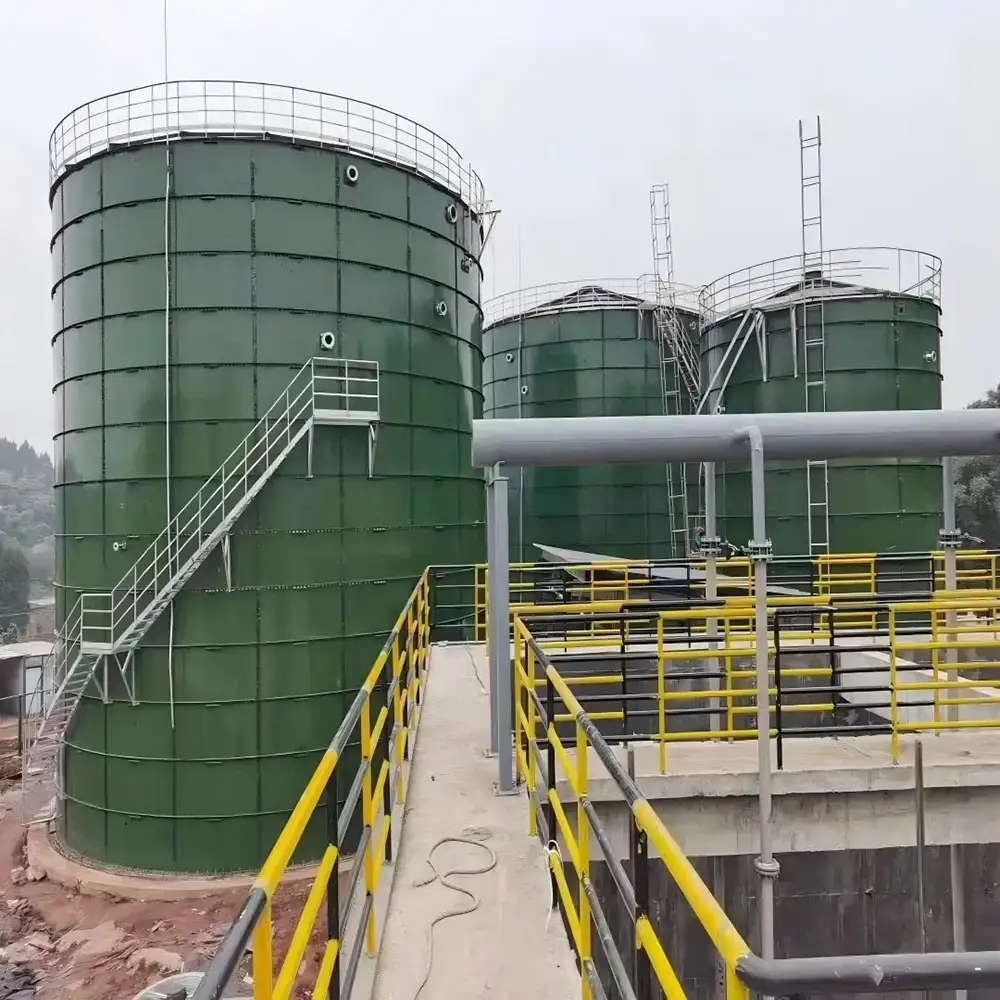
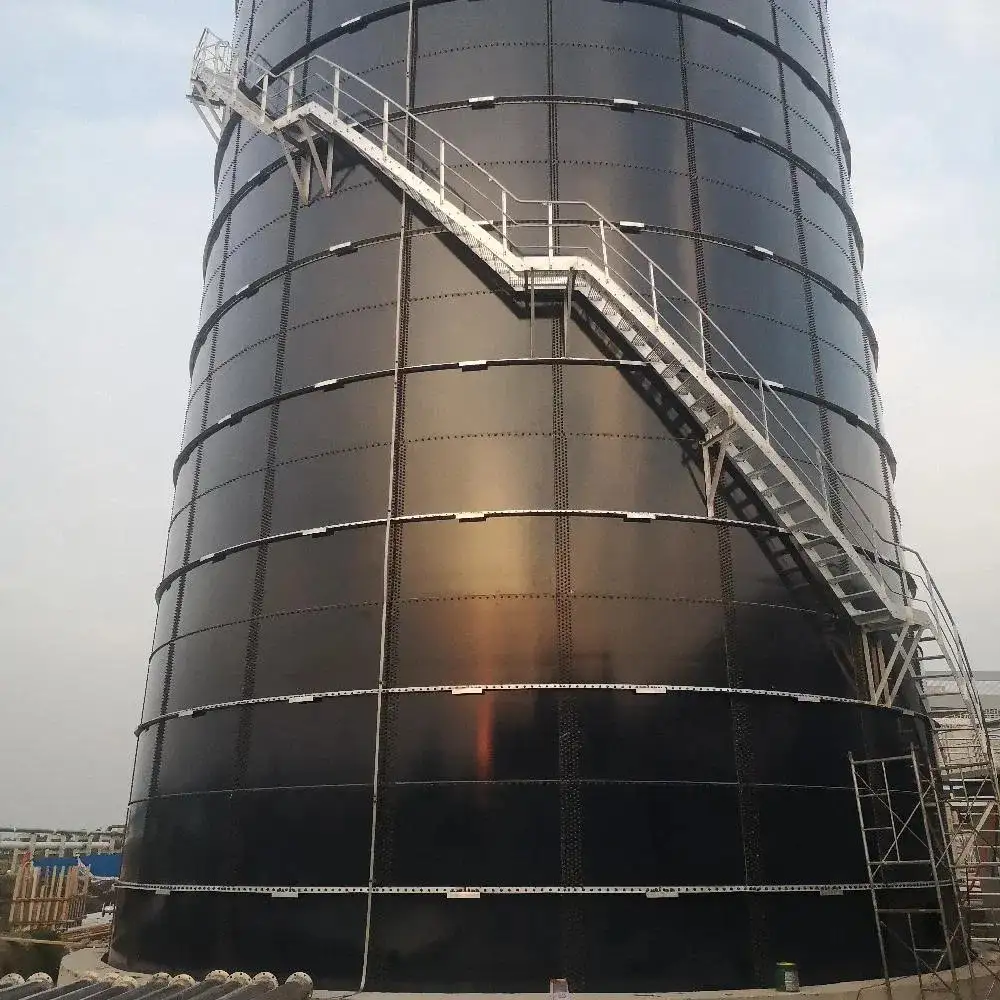
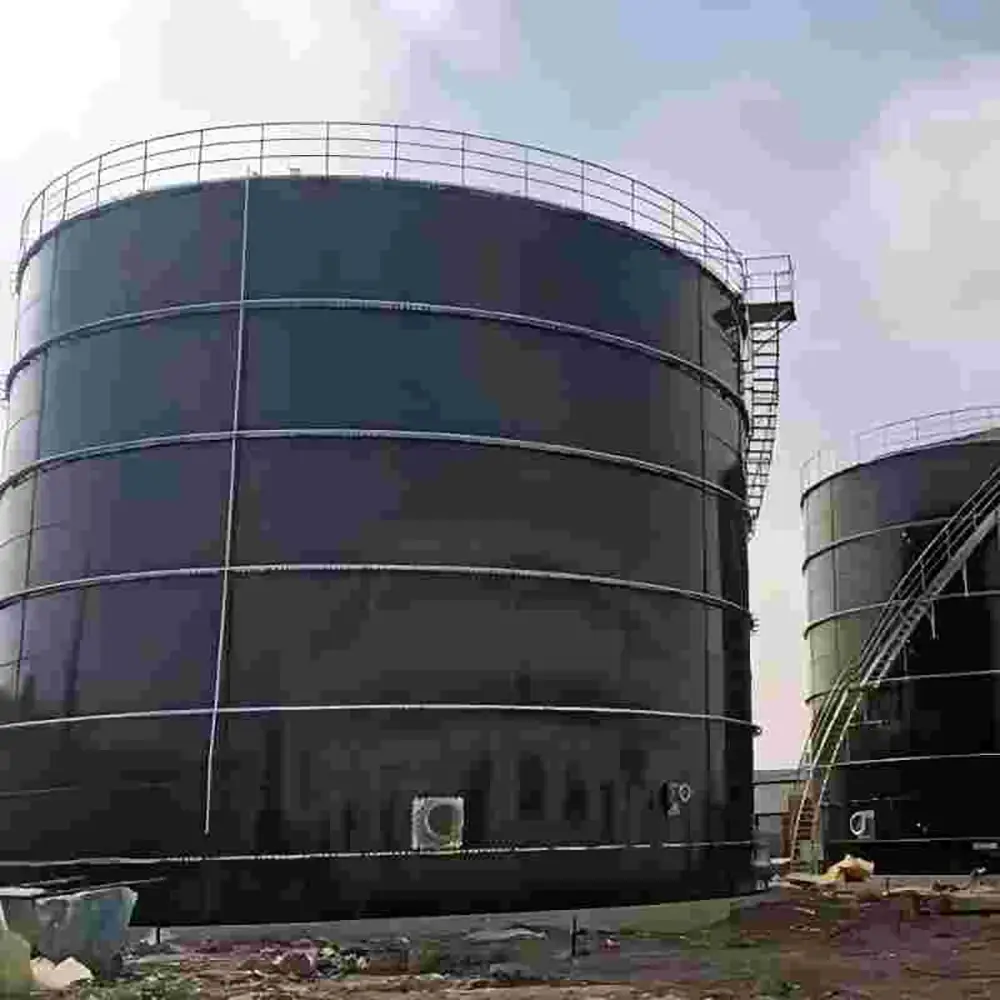
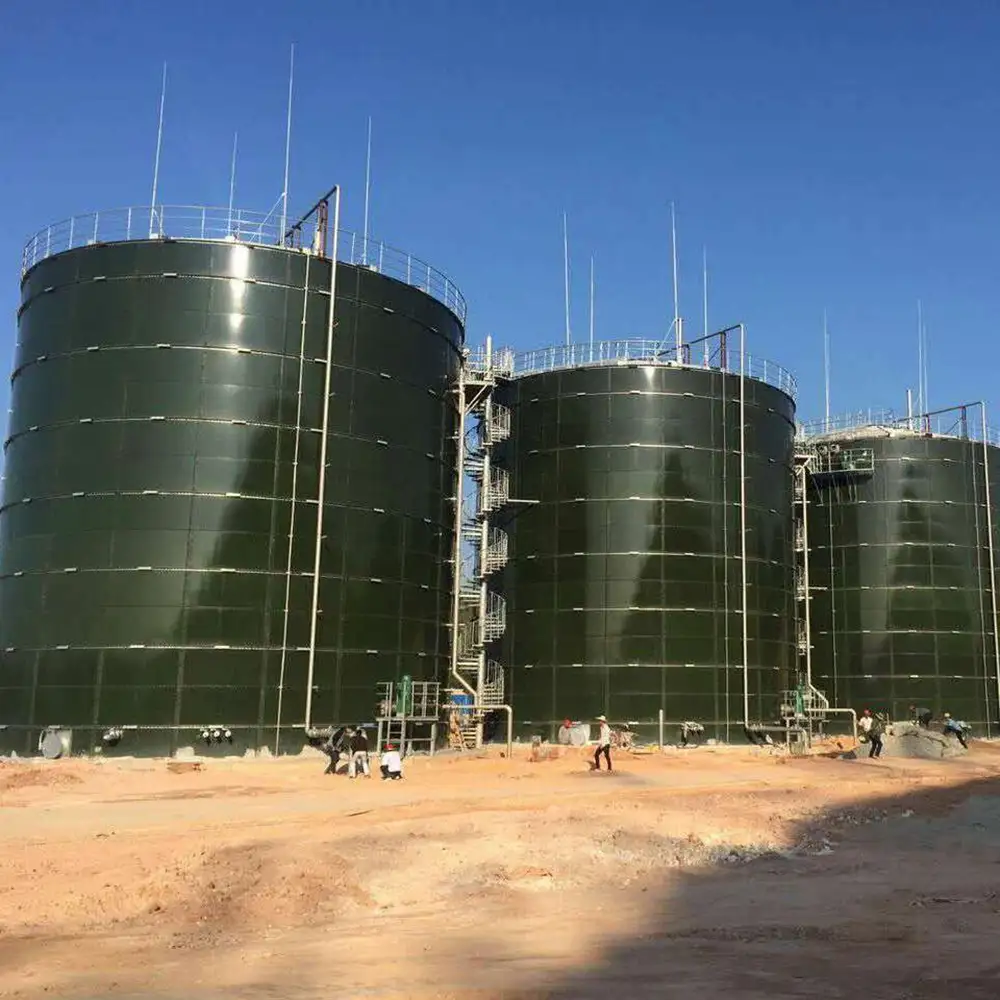
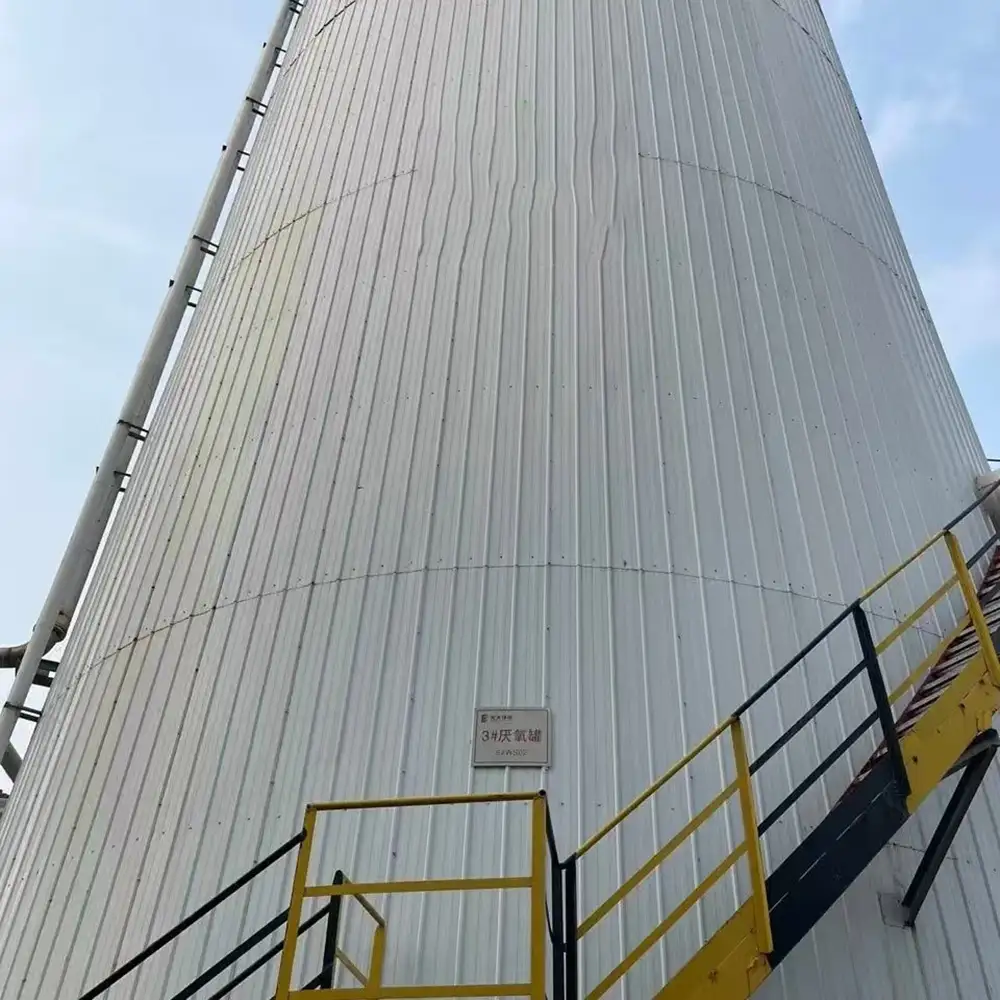
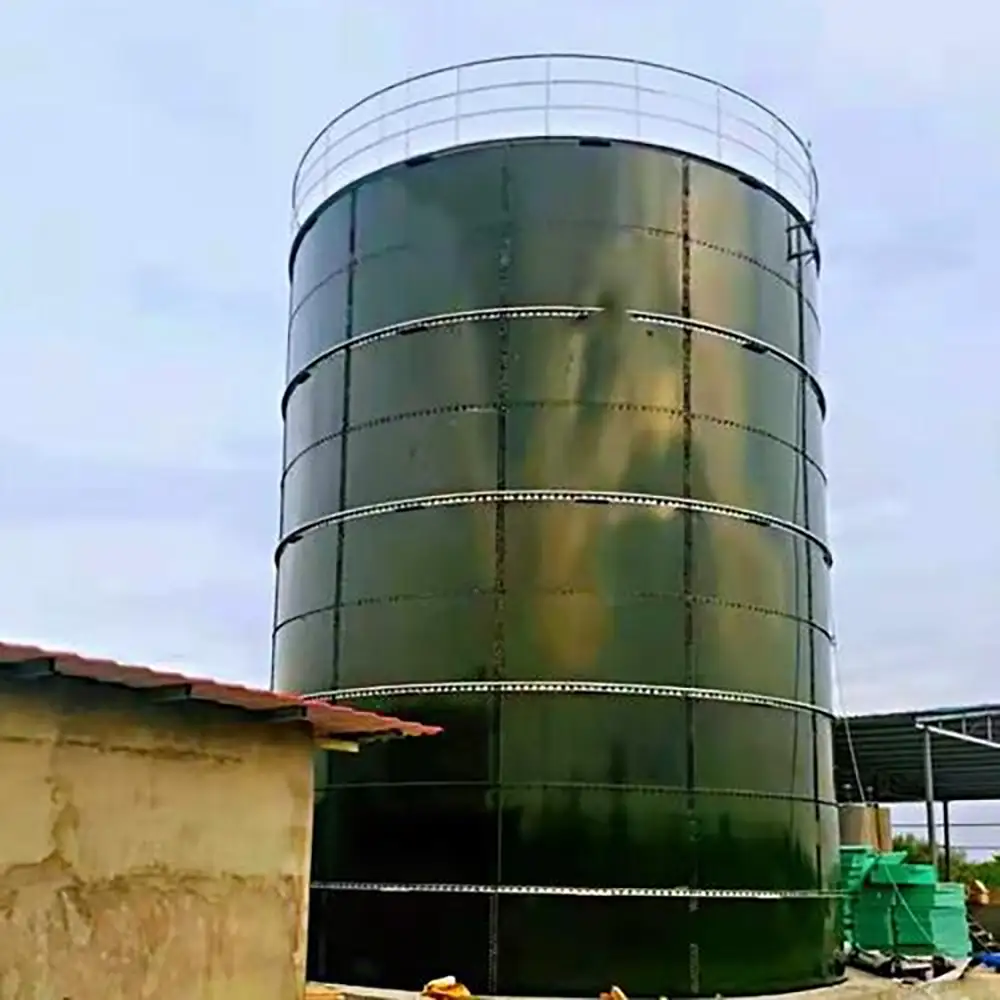
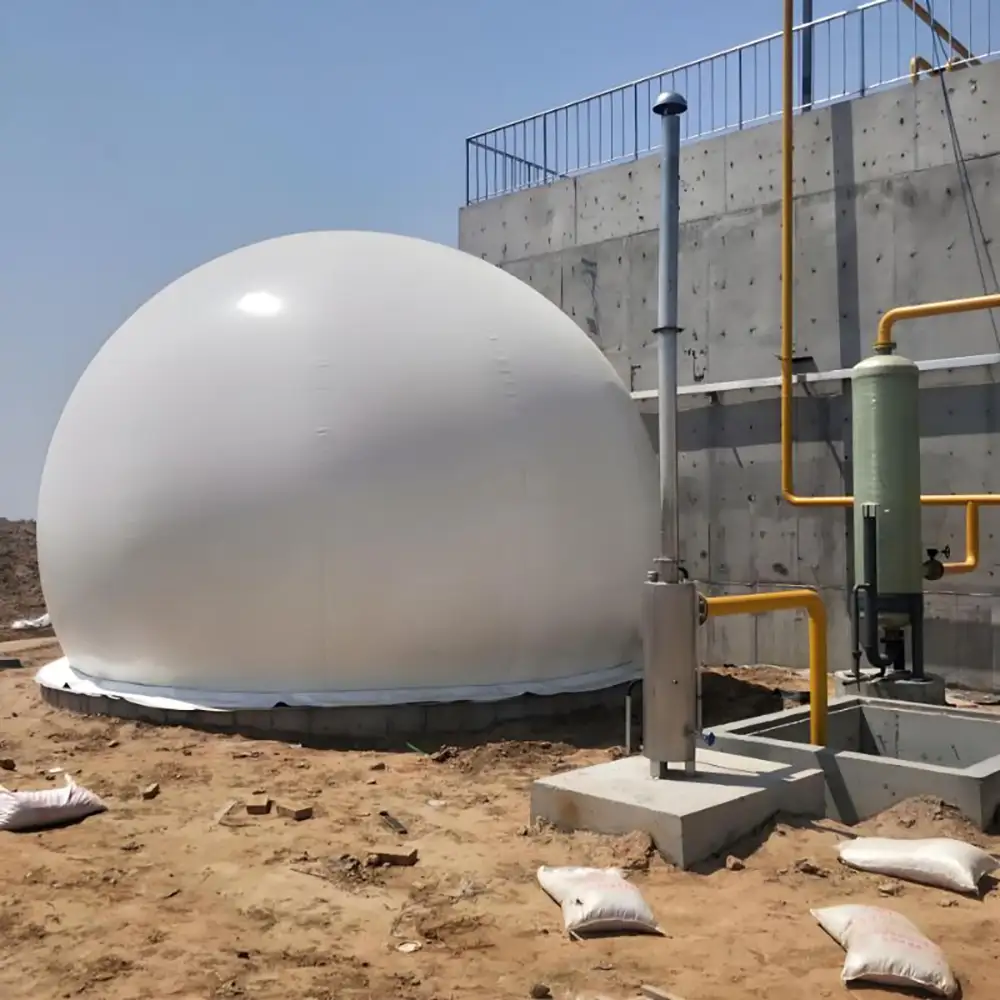
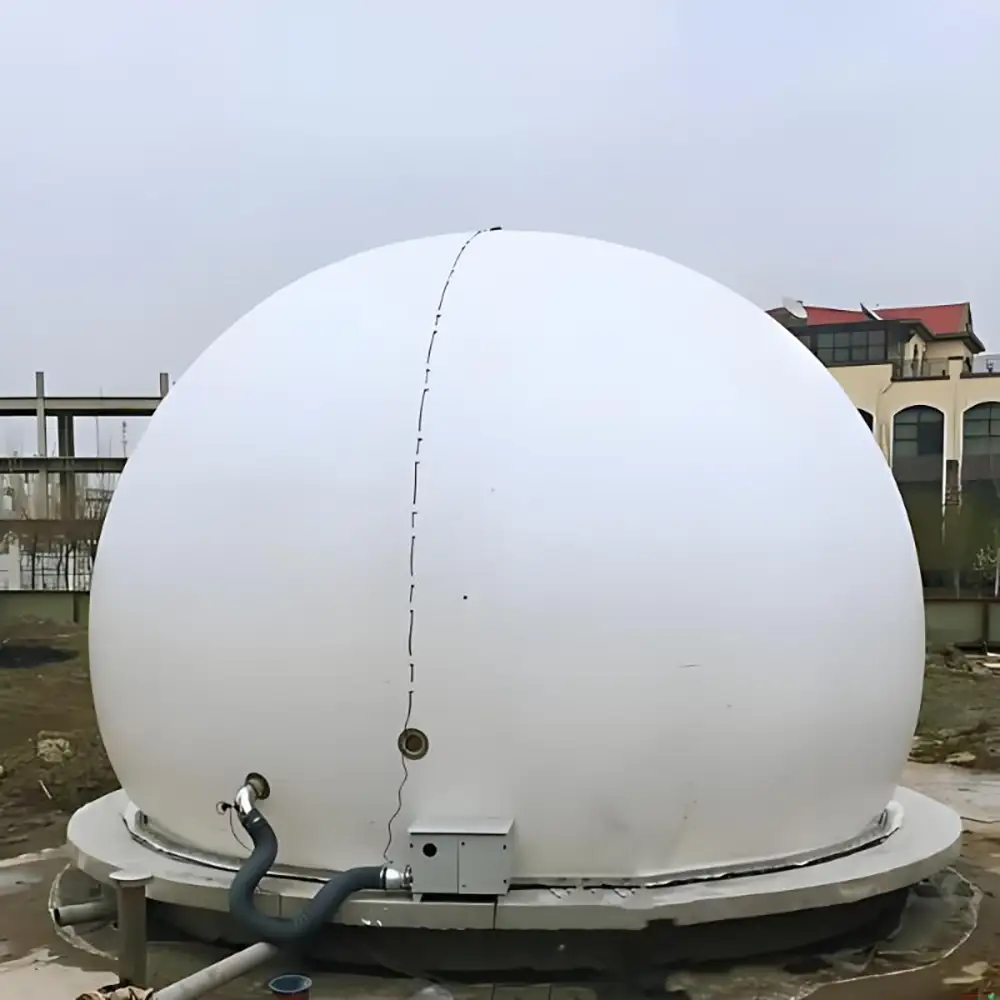
The Enamel Anaerobic Reactor Biogas Assembly Tank is a modular tank solution designed for anaerobic digestion, organic waste treatment, wastewater treatment, and biogas production applications. The tank combines a steel structural body with an enamel-coated internal surface to provide a durable containment solution for anaerobic fermentation processes.
Anaerobic digestion is a biological treatment process in which microorganisms break down biodegradable organic matter in an oxygen-limited environment. Depending on the feedstock and operating conditions, this process can reduce organic waste while producing biogas that can potentially be collected and utilized as an energy resource.
The enamel anaerobic reactor can be used as part of agricultural biogas projects, livestock manure treatment systems, food waste treatment facilities, organic wastewater treatment plants, and other suitable anaerobic digestion applications.
|
PH |
6--8 |
B\C |
≥0.3 |
|
Inflow suspended solids |
≤1500mg\L |
Influent ammonia nitrogen concentration |
≤2000mg/L |
|
Effective water depth |
5-8m |
COD concentration of influent water |
≥1500mg/L |
|
Effective water depth |
<0.8m/h |
UASB sludge yield |
0.05-0.10kgVSS/kgCOD |
|
Total depth of sedimentation zone |
≥1.0m |
Sedimentation zone surface load |
≤0.8m |
|
The distance between the perforated water pipe and the pool bottom |
200mm |
Outlet weir load |
6.12m/(h·m) |
|
Use for |
Mineral, Printing, Chemical, Dyeing, Starch |
Certificate |
SGS, ISO |
UASB reactor, also known as upflow anaerobic sludge bed. The operating principle is that sewage enters the bottom sludge layer and the upper middle sludge suspension layer through a water distribution device, and reacts with anaerobic microorganisms to generate biogas. The gas, liquid, and solid mixture is separated through the upper three-phase separator, and the sludge returns to the sludge flotation zone. The separated sewage is discharged into the system, while the biogas produced by the anaerobic reactor is recovered. An anaerobic nitrification device that combines the sludge zone at the bottom and the three-phase separation zone of gas, liquid, and solid in the middle and upper parts.
Enamel Coated Anaerobic Reactor
The enamel coating provides a protective barrier between the steel structure and the material inside the reactor. Properly selected enamel-coated tank systems can provide resistance to corrosion and help protect the tank structure in demanding process environments.
Anaerobic digestion materials can contain moisture, organic acids, salts, suspended solids, and other substances that may affect conventional steel surfaces. The enamel coating helps provide a durable internal surface for suitable digestion applications.
Actual chemical compatibility depends on the feedstock, pH, temperature, solids concentration, chemical composition, and operating conditions. These factors should be evaluated during project design.
Modular Assembly Tank Design
Unlike large permanently fabricated tanks, an assembly tank is constructed from prefabricated panels that are transported to the project site and assembled into the required tank structure.
This modular design can simplify transportation and provide greater flexibility for installation in different project locations. It is particularly useful for international projects where transporting a completely fabricated large tank may be difficult or expensive.
The modular structure also allows tank dimensions and capacity to be selected according to the requirements of the anaerobic digestion system.
Anaerobic Digestion Applications
The reactor can serve as an important component in anaerobic digestion systems. Organic feedstock enters the reactor, where microorganisms break down biodegradable material under controlled anaerobic conditions.
Potential feedstocks include livestock manure, agricultural residues, food processing waste, organic wastewater, and other suitable biodegradable materials.
The actual digestion process depends on feedstock characteristics, organic loading, solids concentration, temperature, retention time, pH, mixing, and microbial activity.
Biogas Production And Collection
One of the major benefits of anaerobic digestion is the production of biogas. The resulting gas typically contains methane and carbon dioxide, along with moisture, hydrogen sulfide, and other trace components depending on the feedstock and digestion process.
The reactor can be integrated with a suitable biogas collection system. The collected gas may then be sent to gas purification, desulfurization, dehydration, storage, gas upgrading, or power generation equipment according to the overall project design.
Biogas quality should be evaluated before selecting downstream utilization equipment.
Agricultural And Livestock Waste Treatment
Livestock farms generate large quantities of manure that can create environmental management challenges when not properly treated. Anaerobic digestion provides a method for processing suitable manure while producing biogas.
The enamel anaerobic reactor can be incorporated into farm-based biogas systems for livestock manure treatment. The system can be connected with feed preparation, solid-liquid separation, biogas storage, gas purification, and digestate handling equipment.
For agricultural applications, feedstock consistency and solids characteristics should be evaluated when determining the appropriate reactor configuration.
Organic Waste Treatment
Food waste and other biodegradable organic residues can be treated through anaerobic digestion when their characteristics are suitable for the biological process.
The reactor can be used in food processing plants, agricultural facilities, organic waste treatment projects, and other applications where biodegradable material is available for controlled anaerobic treatment.
Depending on the feedstock, pretreatment may be required before the material enters the reactor. Screening, grinding, mixing, heating, or other preparation processes may be considered as part of the complete system.
Anaerobic Wastewater Treatment
Certain industrial and agricultural wastewater streams contain biodegradable organic matter that can be treated through anaerobic biological processes.
An enamel anaerobic reactor can be integrated into wastewater treatment systems where anaerobic digestion is appropriate. The reactor may function as a biological treatment stage while also providing an opportunity to collect the generated biogas.
Wastewater characteristics such as COD concentration, suspended solids, pH, temperature, toxicity, salinity, and flow variation should be evaluated before selecting the reactor design.
Corrosion Protection
Corrosion protection is an important consideration for anaerobic digestion tanks. The internal environment may contain water, organic compounds, gases, dissolved substances, and microorganisms.
The enamel coating provides a protective surface designed to reduce direct contact between the steel substrate and the process material. This can contribute to the durability of the tank when the coating system is correctly selected, applied, inspected, and maintained.
Proper installation is essential. Panel surfaces, seals, connections, fittings, and other components should be inspected during assembly.
Flexible Project Configuration
Anaerobic digestion projects vary considerably in scale and process requirements. The required reactor size depends on feedstock volume, organic loading, hydraulic retention time, solids content, process temperature, and desired treatment capacity.
The assembly tank approach provides flexibility for configuring the tank according to the project requirements. Additional equipment can also be integrated around the reactor to create a complete treatment and biogas utilization system.
Customers can provide feedstock information, daily processing volume, existing plant drawings, site conditions, and expected biogas utilization requirements for technical evaluation.
Complete Biogas System Integration
The enamel anaerobic reactor does not need to operate as an isolated unit. It can form part of a complete biogas treatment and utilization system.
A typical project may include:
Feedstock Preparation Equipment
Anaerobic Reactor
Biogas Collection System
Biogas Desulfurization
Biogas Dehydration
Gas Filtration
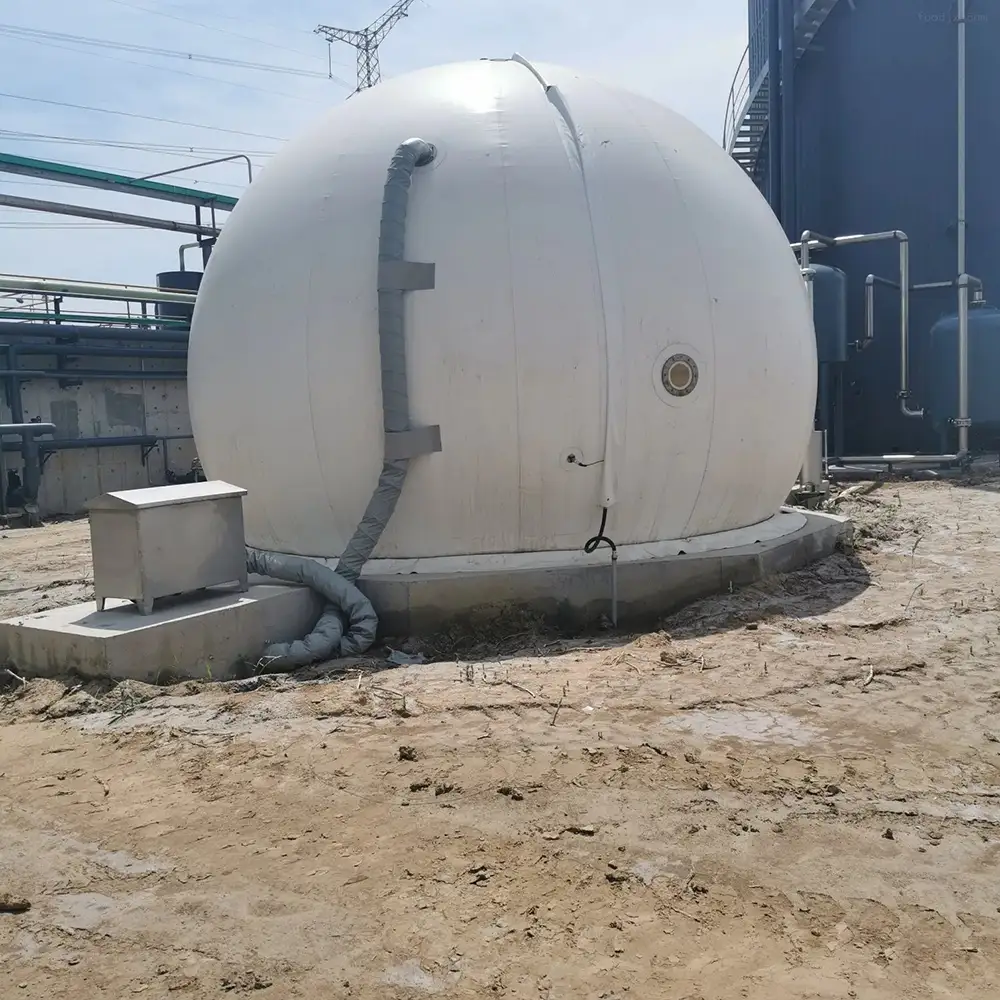
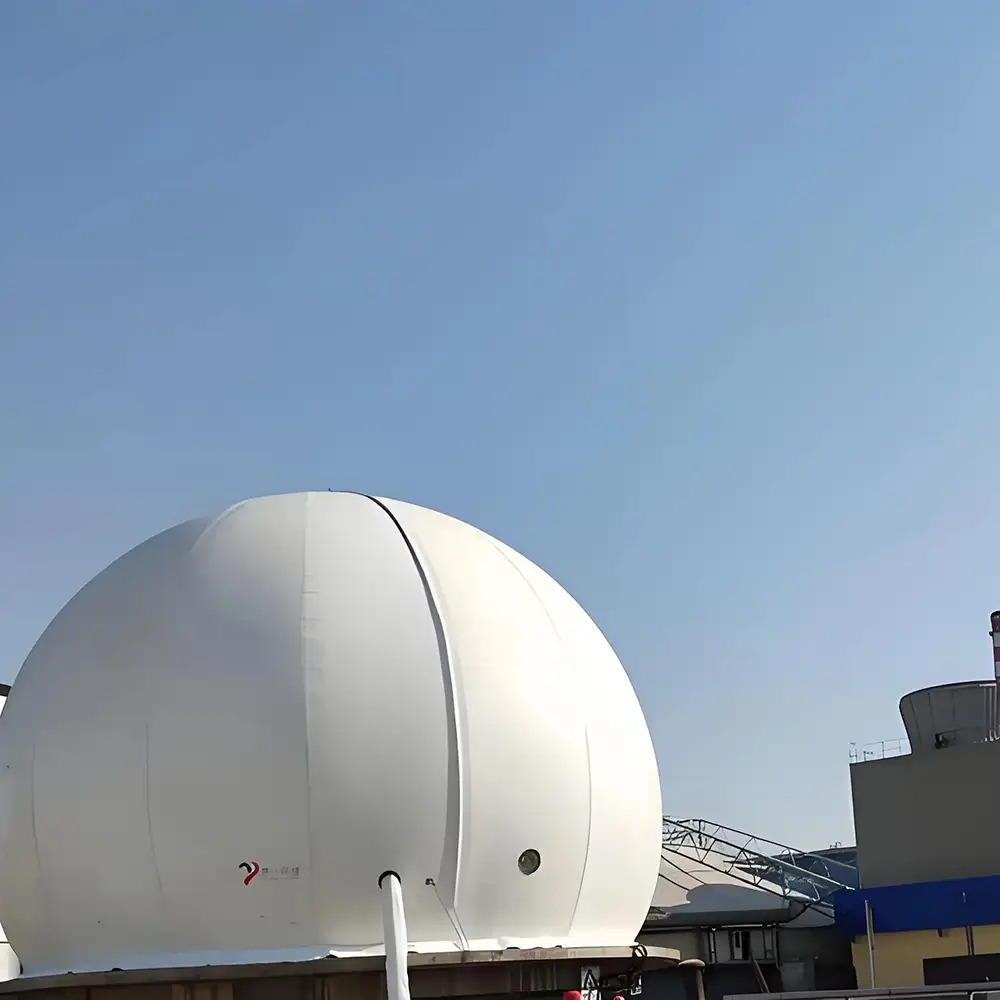
Double Membrane Gas Storage
Biogas Generator
Biogas Boiler
Digestate Processing Equipment
The final configuration depends on the feedstock, treatment objective, gas utilization method, and local operating requirements.
Installation And Maintenance
The modular tank is assembled at the project site using prefabricated panels and appropriate connection components. Proper foundation preparation and panel alignment are important for reliable installation.
Routine inspection should focus on the enamel surface, panel connections, seals, gas lines, fittings, access openings, and associated equipment.
Operating personnel should also monitor the digestion process and gas system according to the project's operating procedures.
Suitable For International B2B Projects
The modular construction of the enamel anaerobic reactor can be suitable for international projects where transportation, installation, and site conditions need to be considered carefully.
For overseas customers, technical configuration can be evaluated according to tank volume, feedstock type, daily treatment capacity, installation environment, climate, local regulations, and downstream biogas utilization.
The system can therefore be considered for farms, wastewater treatment facilities, food processing plants, organic waste projects, and industrial biogas applications.
Key Features
Enamel-Coated Anaerobic Reactor
Modular Assembly Tank Structure
Suitable For Anaerobic Digestion
Biogas Production And Collection
Corrosion-Resistant Internal Surface
Suitable For Agricultural Waste Treatment
Suitable For Organic Waste Treatment
Compatible With Wastewater Treatment Systems
Flexible Project-Based Configuration
Easy Transportation Of Prefabricated Panels
Compatible With Complete Biogas Systems
Main Applications
Anaerobic Digestion
Biogas Production
Livestock Manure Treatment
Agricultural Waste Treatment
Food Waste Treatment
Organic Waste Treatment
Organic Wastewater Treatment
Industrial Wastewater Treatment
Farm Biogas Plants
Food Processing Facilities
Biogas Power Generation Projects
Digestate Treatment Systems
FAQs
1. What Is An Enamel Anaerobic Reactor?
An enamel anaerobic reactor is a tank designed for anaerobic digestion and fermentation processes, using an enamel-coated steel surface to provide protection for the tank structure in suitable process environments.
2. What Is A Biogas Assembly Tank?
A biogas assembly tank is a modular tank constructed from prefabricated panels and assembled at the project site. It can be used as an anaerobic digester for biogas production and organic material treatment.
3. What Materials Can Be Treated?
Suitable materials may include livestock manure, agricultural residues, food waste, organic wastewater, and other biodegradable feedstocks. Actual suitability depends on the characteristics of the material.
4. Can It Produce Biogas?
Yes. When operated as part of a suitable anaerobic digestion process, the reactor can generate biogas from biodegradable organic matter. Gas production depends on feedstock characteristics and operating conditions.
5. Why Is Enamel Coating Used?
Enamel provides a protective internal surface between the steel structure and the process material. It can provide corrosion protection for suitable anaerobic digestion applications when correctly selected and installed.
6. Can The Tank Be Used For Livestock Manure?
Yes. The reactor can be incorporated into suitable livestock manure anaerobic digestion systems. Feedstock solids content, composition, and pretreatment requirements should be evaluated during system design.
7. Can It Be Used For Wastewater Treatment?
Yes. It can be integrated into suitable anaerobic wastewater treatment systems. Wastewater characteristics should be evaluated to determine whether anaerobic treatment is appropriate.
8. Can The Reactor Be Connected To A Biogas Storage System?
Yes. The reactor can be connected to suitable gas collection, purification, dehydration, and storage equipment. A double membrane gas storage system can be considered where temporary gas storage is required.
9. How Is The Tank Installed?
The tank is assembled from prefabricated panels on a properly prepared foundation. Installation requires correct panel alignment, sealing, connection, and inspection according to the project design.
10. What Information Is Needed For A Quotation?
Customers should provide feedstock type, daily treatment volume, solids content if available, expected process conditions, required reactor volume, installation location, and intended biogas utilization method. Site drawings and project information are also helpful.
Why Choose Us
Enamel Anaerobic Digestion Solutions
We provide enamel-coated modular tank solutions for anaerobic digestion, agricultural waste treatment, wastewater treatment, organic waste processing, and biogas production projects.
Modular Assembly Construction
Prefabricated tank panels provide a practical approach to transportation and on-site installation, making the system suitable for different project locations and international applications.
Corrosion Protection
The enamel-coated internal surface provides a protective barrier for suitable process environments and supports long-term tank durability when properly specified, installed, and maintained.
Complete Biogas System Integration
The reactor can be integrated with biogas collection, desulfurization, dehydration, gas storage, gas generators, boilers, and other downstream equipment.
Project-Based Technical Support
We evaluate feedstock characteristics, treatment volume, tank requirements, installation conditions, and biogas utilization needs to help determine an appropriate system configuration.
International Cooperation
We support overseas customers with technical communication, project configuration, drawings, equipment coordination, documentation, export packaging, shipping arrangements, and after-sales technical assistance.
Prev:
Anaerobic Fermentation Double Membrane Gas Storage Cabinet
Next:
Flexible Double Membrane Biogas Storage Tank Biogas Project Double Membrane Gas Tank Biogas Plant
TAG:
Industrial Biogas Reactor,
Enamel Biogas Reactor,
Anaerobic Digestion Tank,
Enamel Anaerobic Reactor,
Glass Fused To Steel Tank,
Enamel Biogas Tank,
Modular Anaerobic Reactor,
Enamel Anaerobic Digester,
Biogas Plant Equipment,
Anaerobic Fermentation Tank,
Anaerobic Digestion Equipment,
Anaerobic Digester Tank,
Biogas Digester Tank,
Anaerobic Digester,
Biogas Digester,
Organic Waste Digester,
Organic Waste Anaerobic Digester,
Biogas Treatment Equipment,
Biogas Production Tank,
Biogas Fermentation Tank,
Agricultural Biogas Tank,
Livestock Biogas Digester,
Wastewater Anaerobic Reactor,
Biogas Assembly Tank,
Anaerobic Reactor Tank,
Biogas Treatment Tank,
Biogas Reactor Tank,
Modular Biogas Tank,
Enamel Coated Tank,
Enamel Coated Biogas Tank,
Related Category:
Enamel Anaerobic Reactor Biogas Assembly Tank, Enamel Anaerobic Reactor, Biogas Assembly Tank, Enamel Biogas Reactor, An China, suppliers, manufacturers, factory, customized, wholesale, quotation, made in China