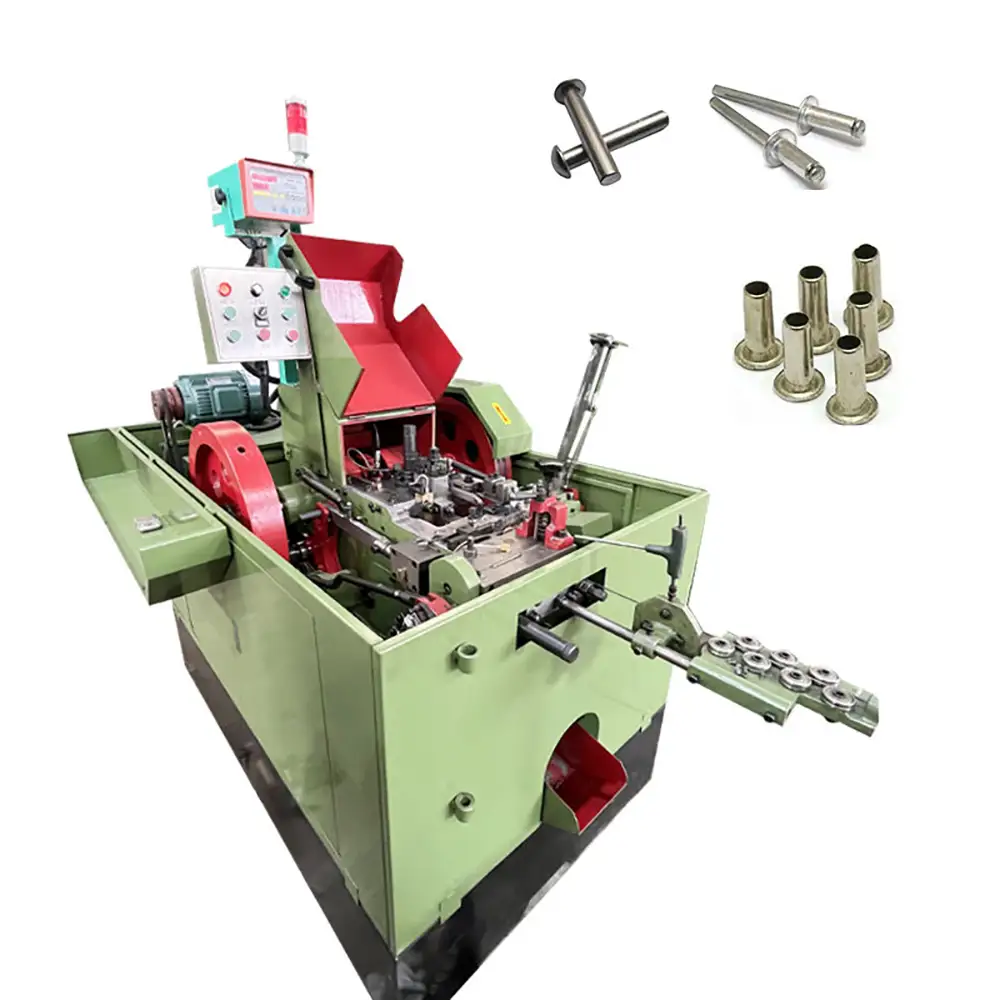
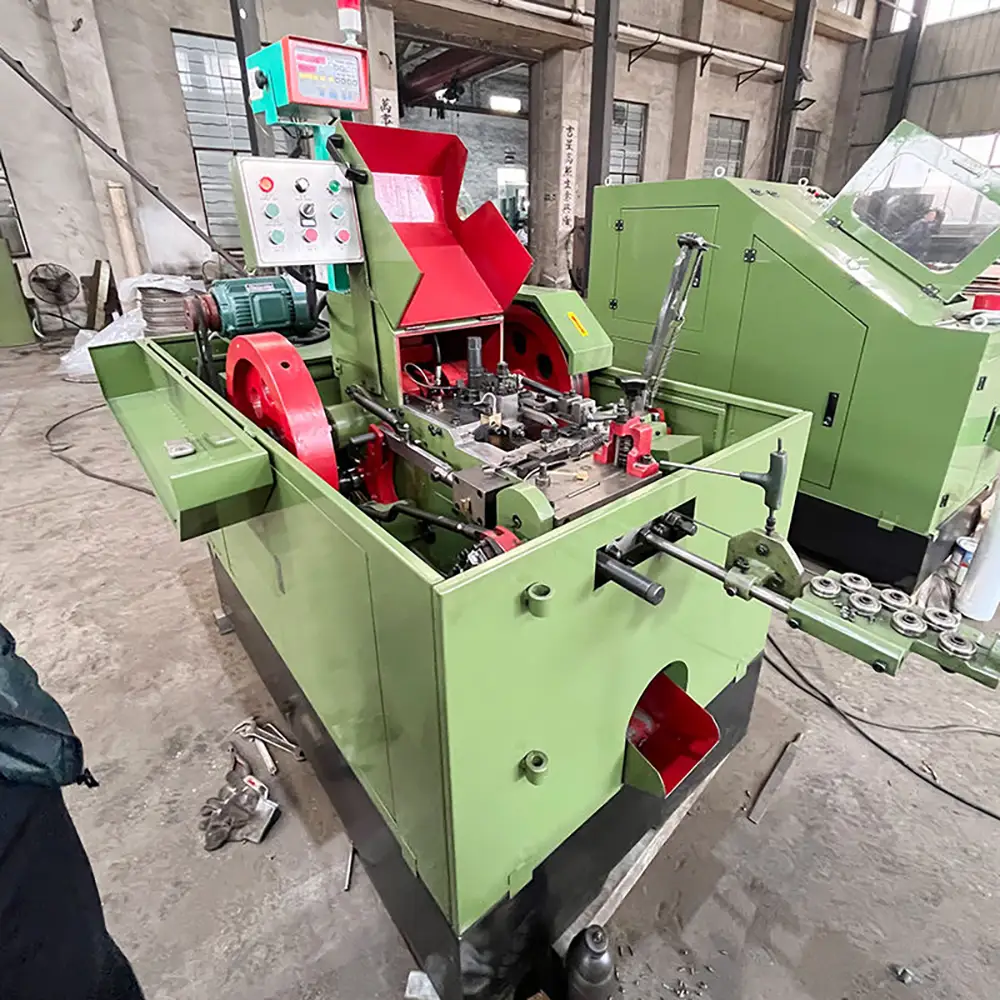
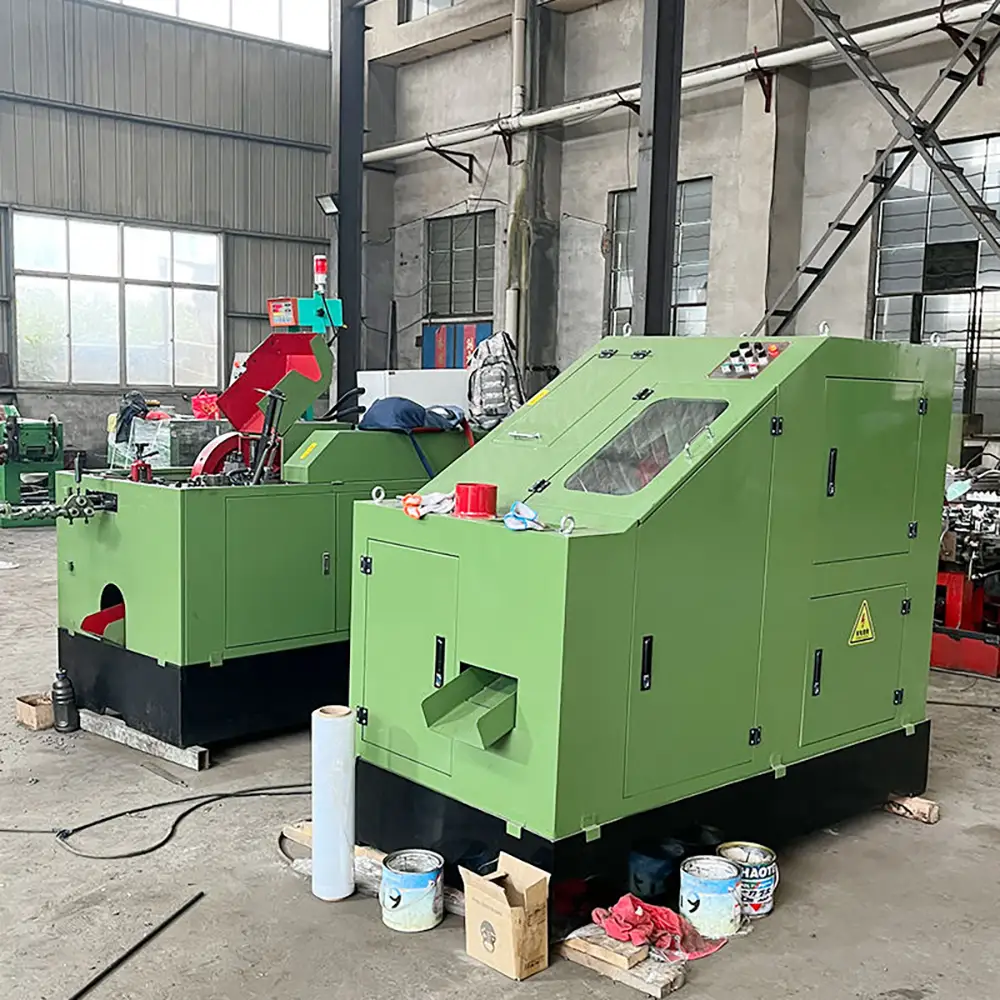
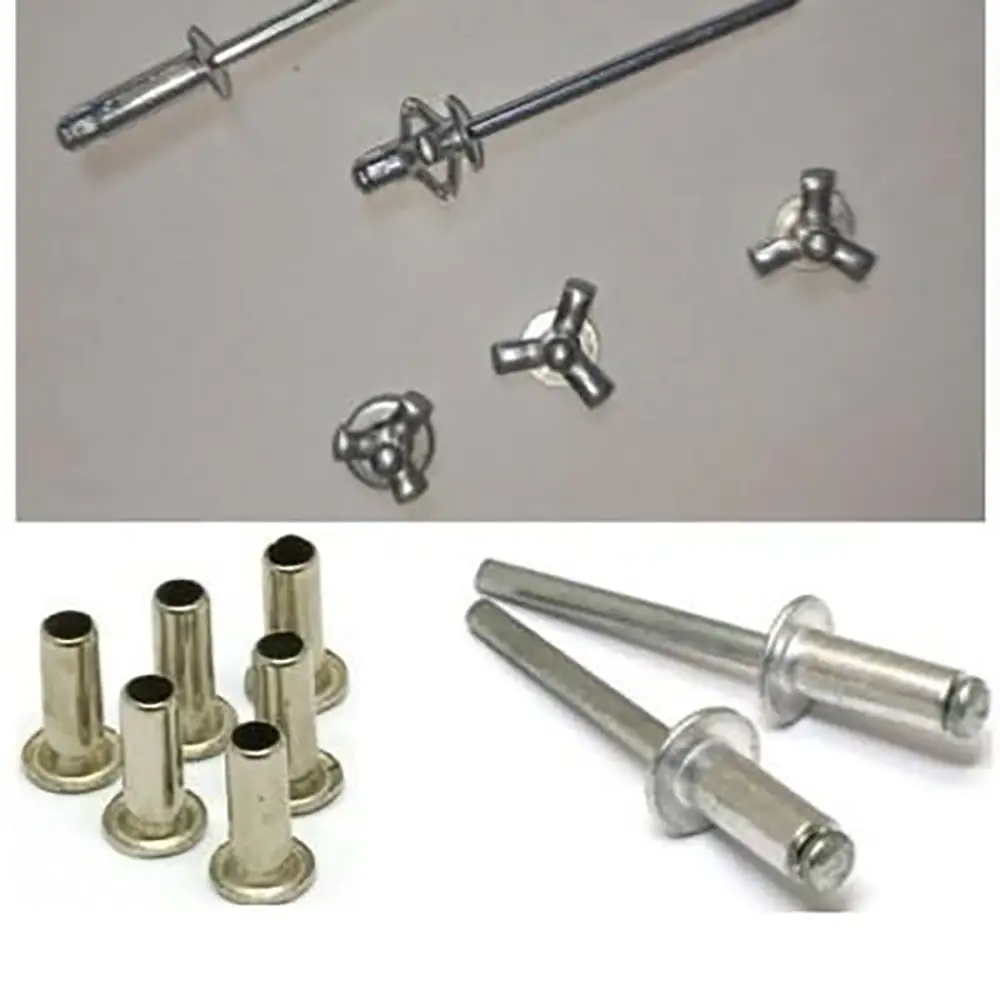
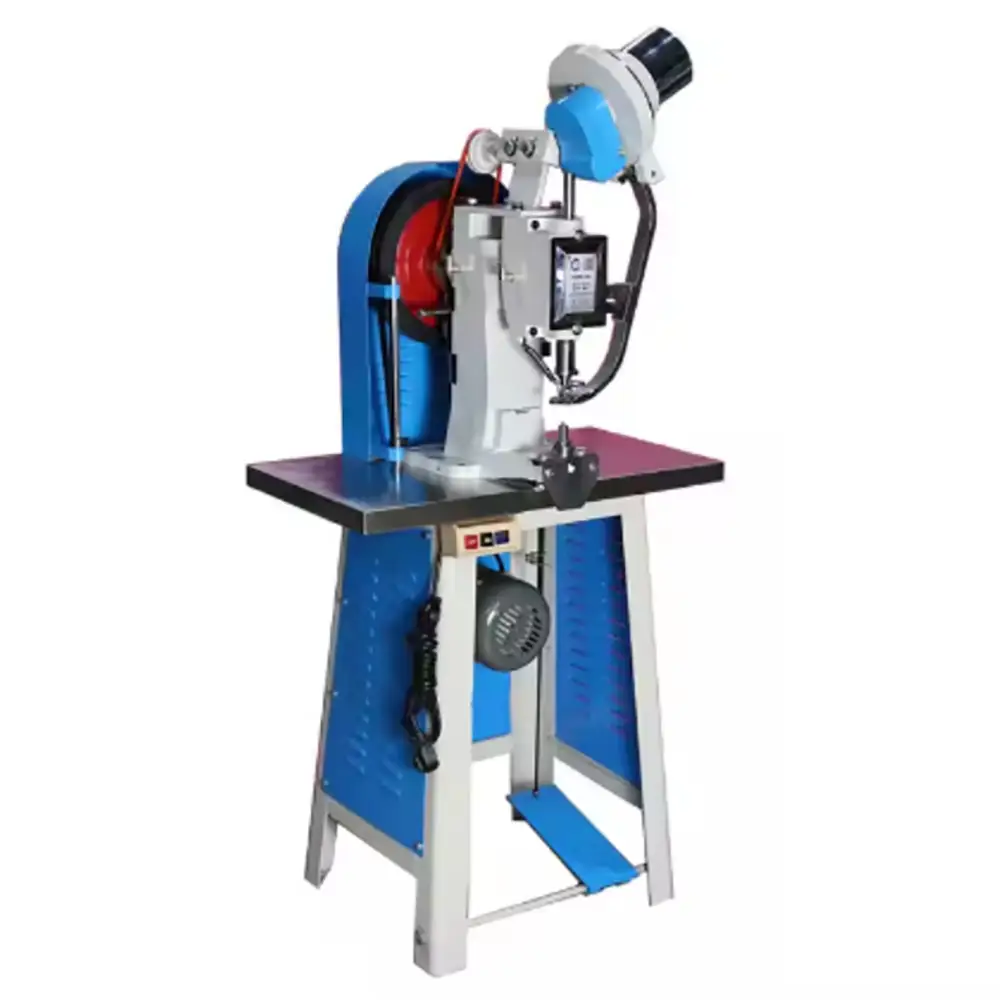
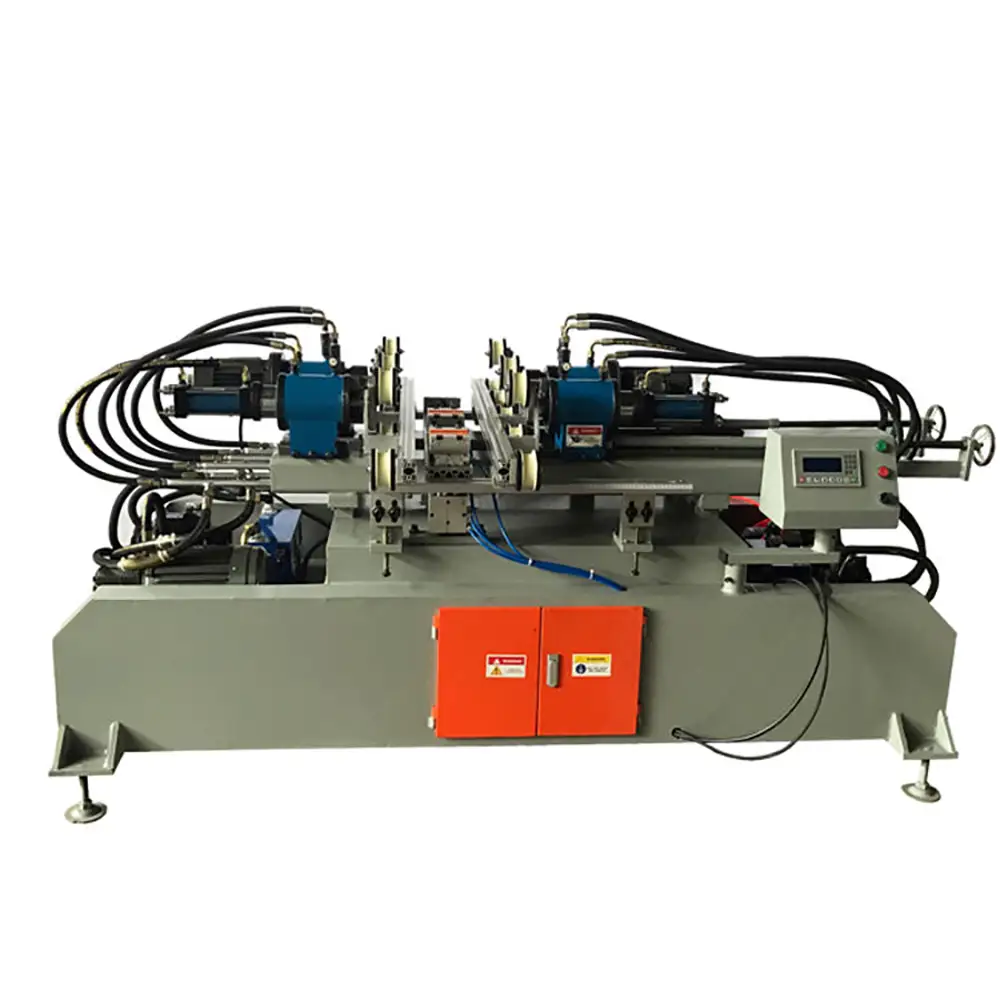
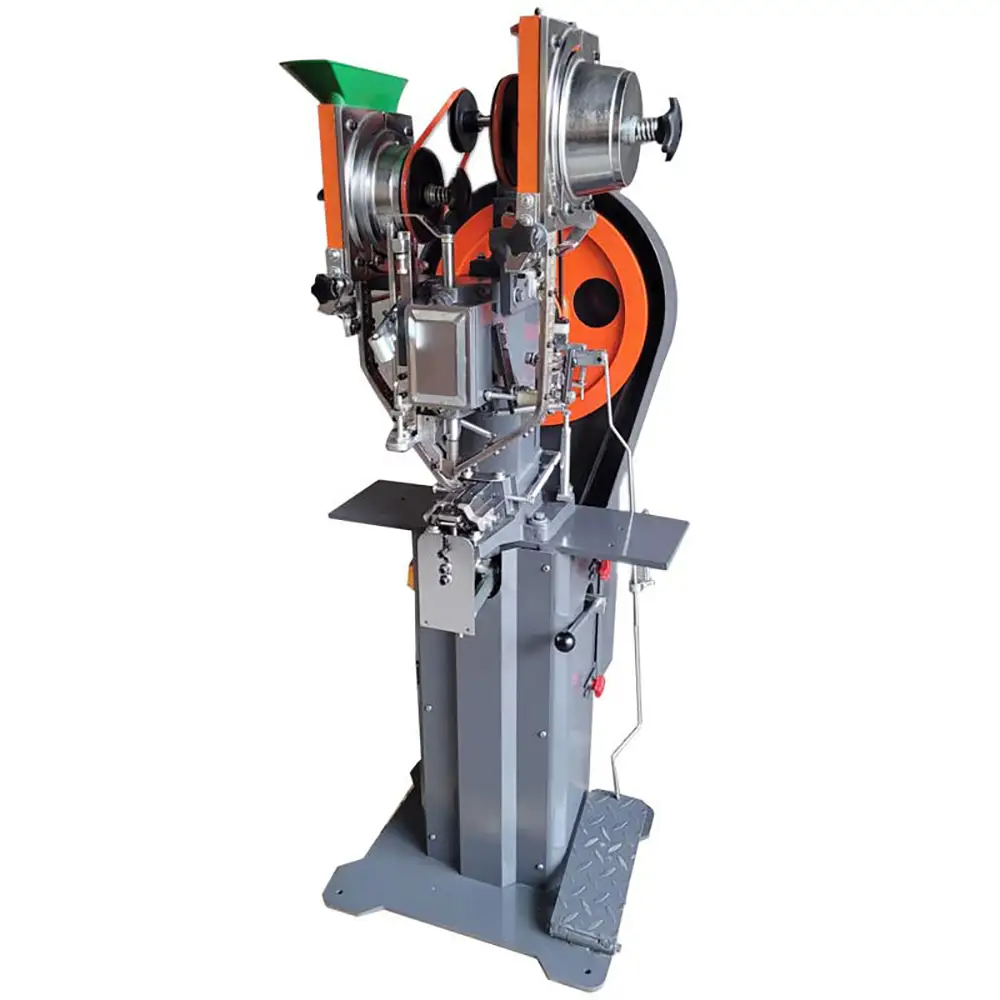
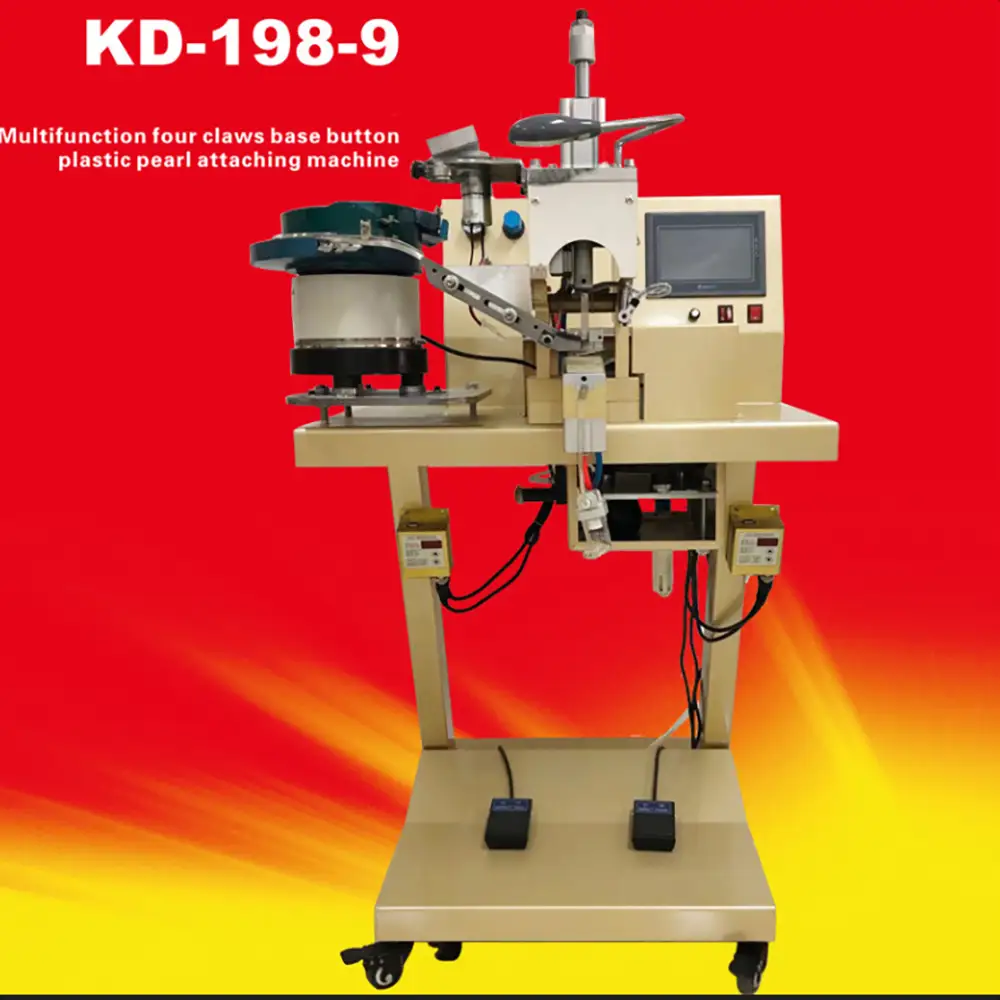
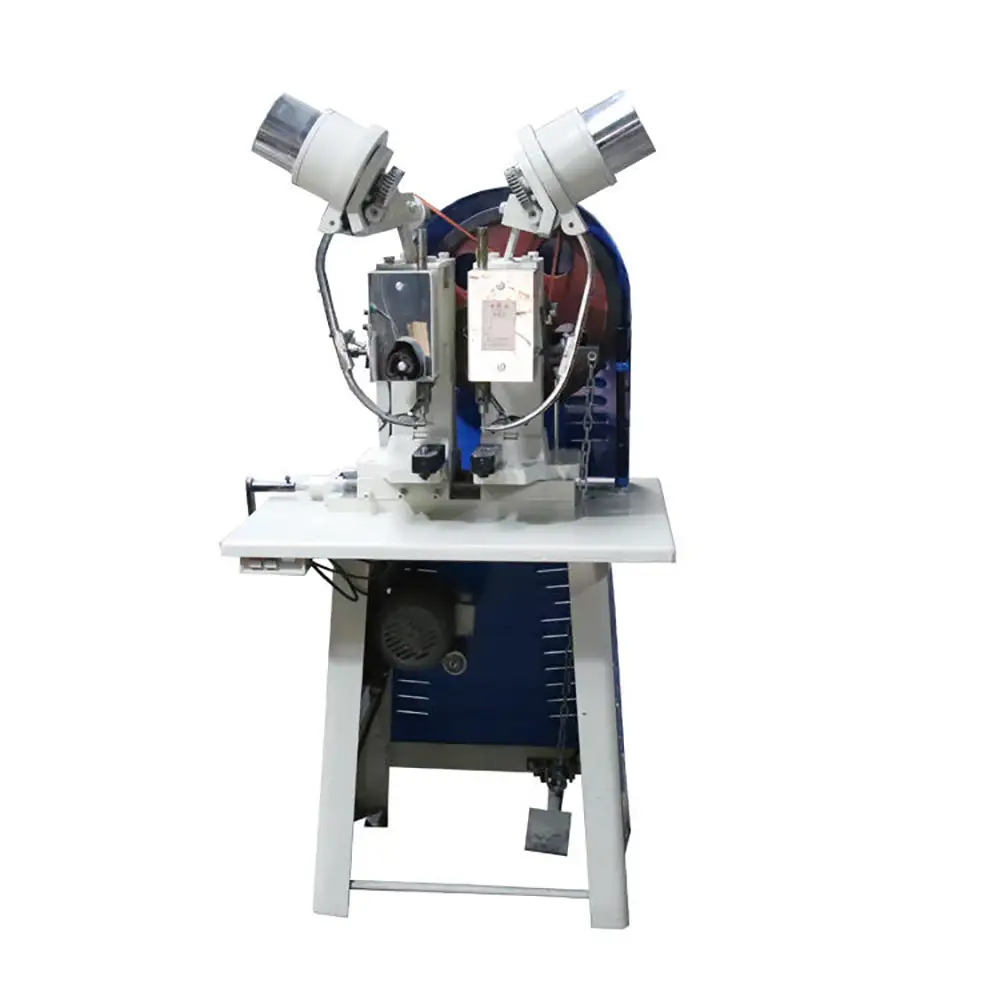
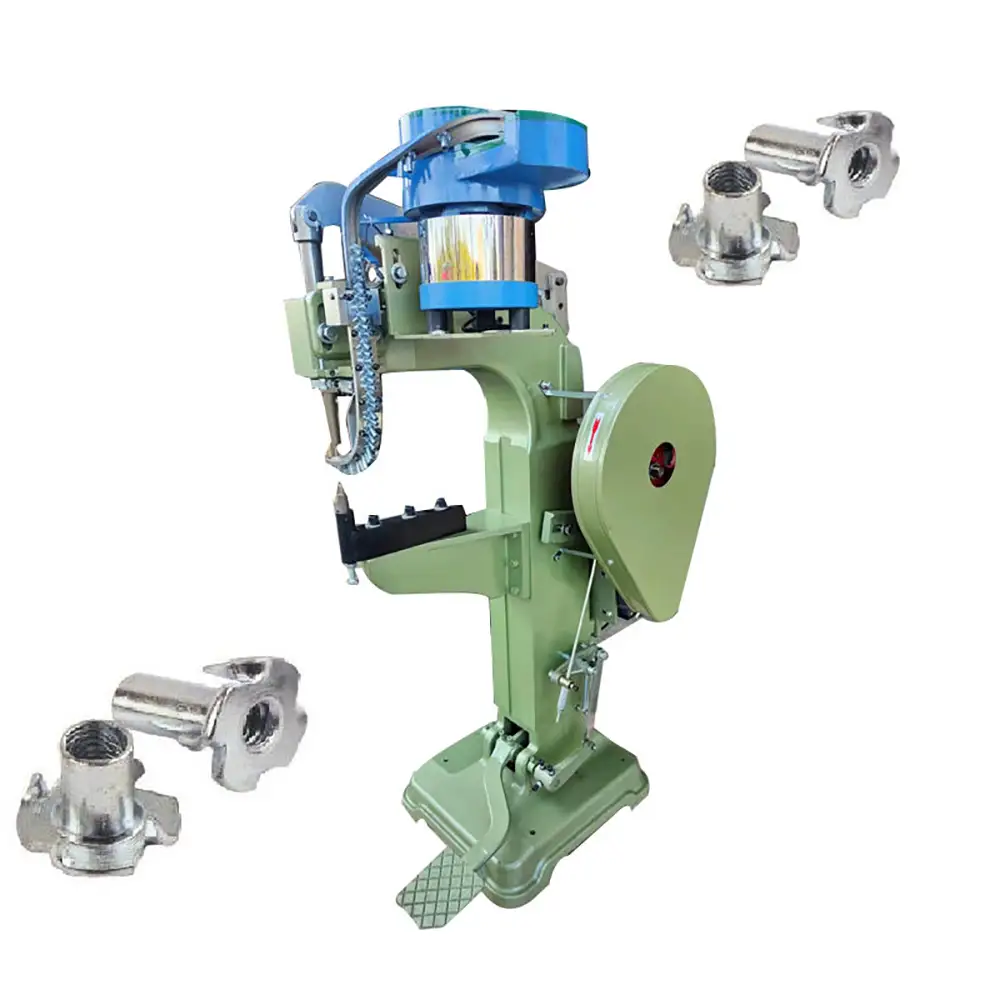
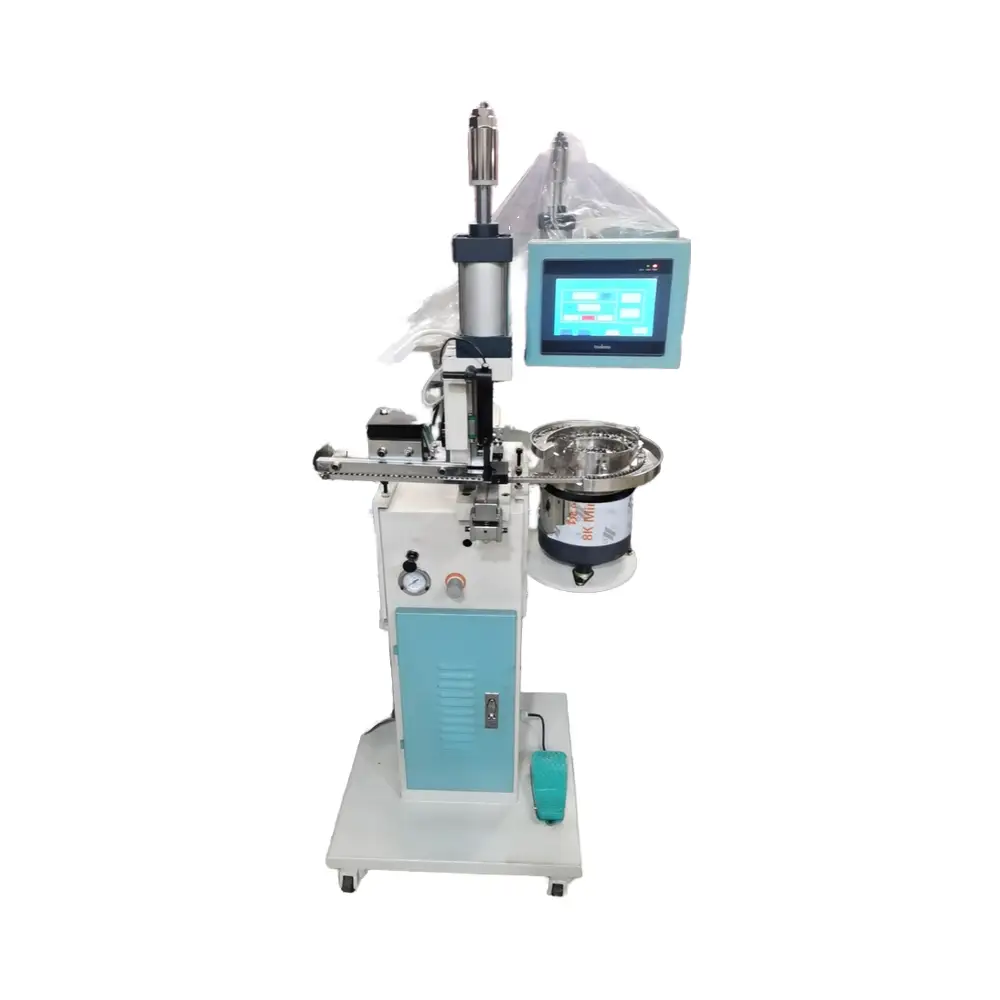
Customized Automatic Rivet and Fastener Making Machine
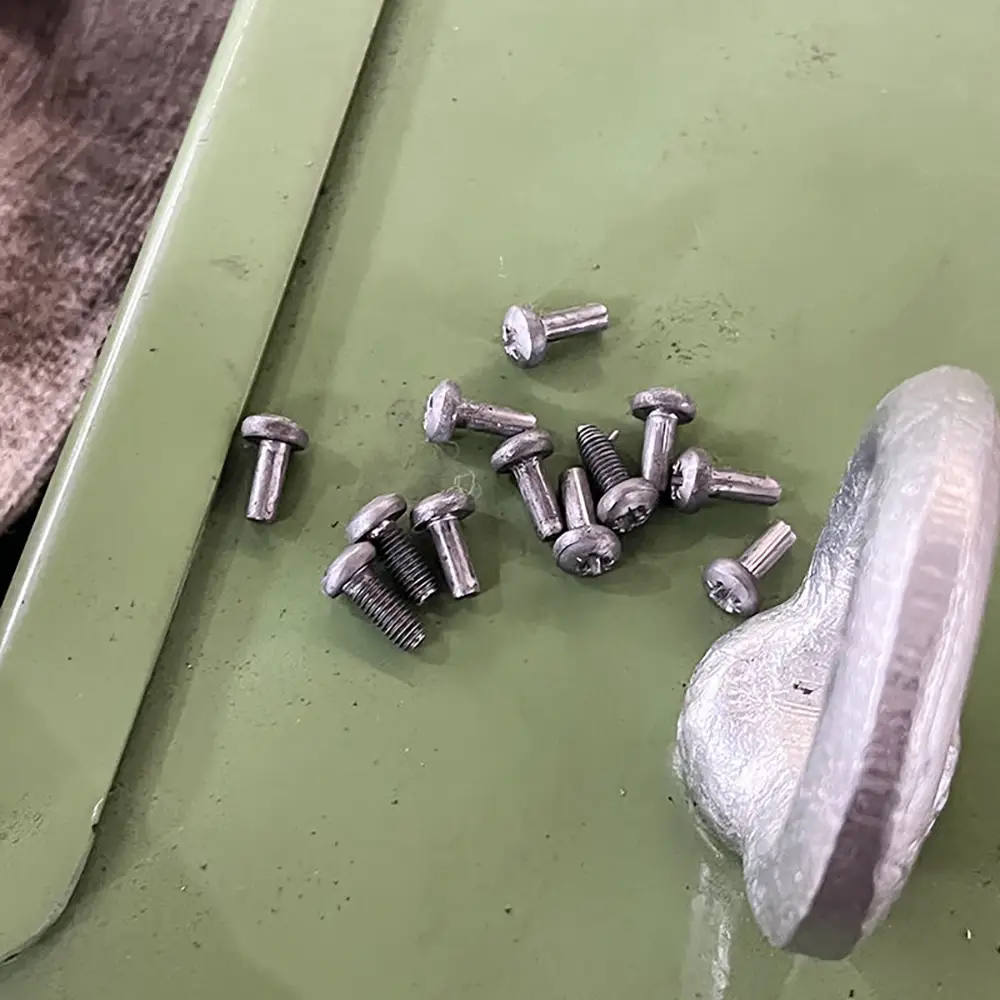
The Customized Automatic Solid Hollow Nut Bolt Screw Steel Wire Rivet Nail Making Machine is an industrial manufacturing solution designed for the production of different metal fasteners, including solid rivets, hollow rivets, rivet nails, and other customized fastening components. Depending on the machine configuration, tooling, raw material, and production process, it can be developed for specific fastener manufacturing applications such as nuts, bolts, screws, steel wire rivets, and related metal hardware.
Fasteners are essential components across automotive, machinery, electronics, furniture, construction, hardware, garment accessories, leather goods, electrical equipment, and general manufacturing industries. As production volumes increase, manufacturers require equipment that can provide stable forming, repeatable dimensions, efficient material utilization, and consistent finished products.
This customized automatic fastener machine is designed around the customer's actual product requirements. Rather than using one fixed tooling configuration for every application, the machine can be evaluated according to fastener geometry, material, wire or metal stock, diameter, length, head shape, production process, and desired automation level.
Apply:
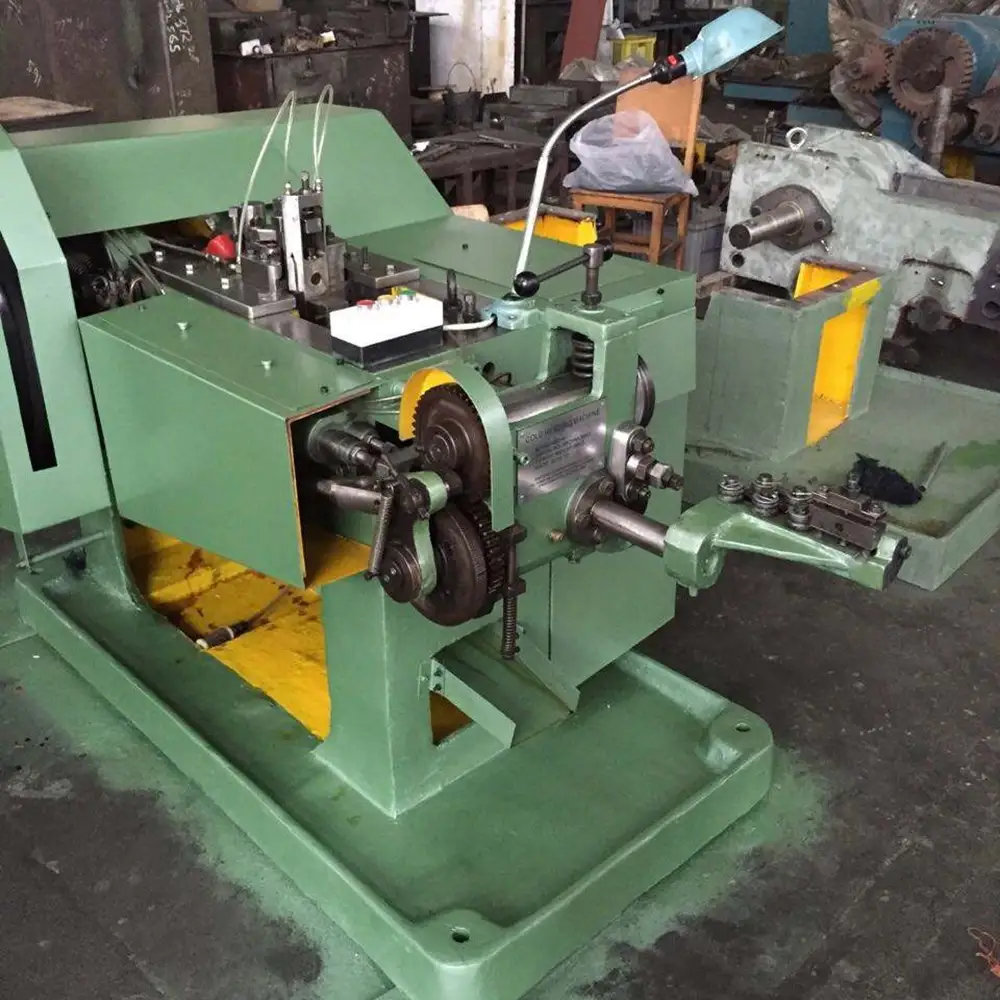
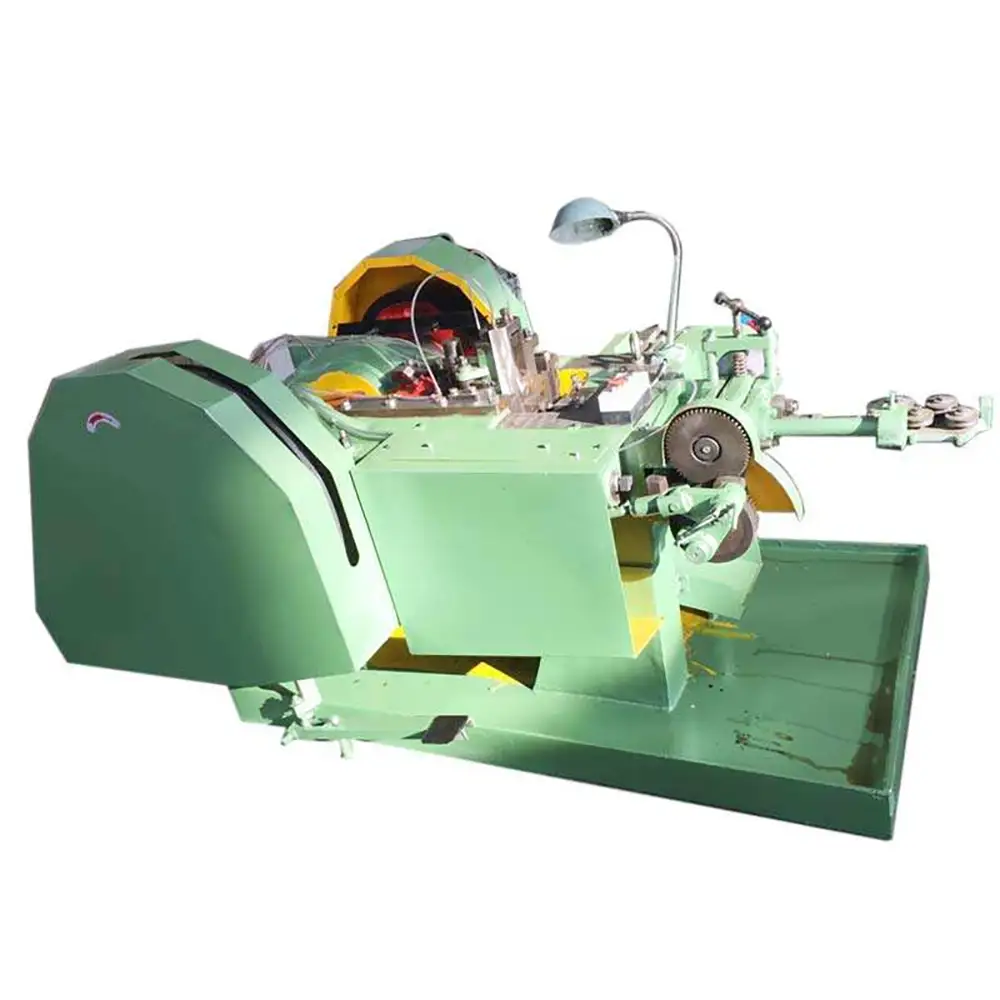
Rivet making machine, semi-tubular rivet making machine ( Screw making machine, bolt making machine , rivet maker) being of precise and stable structure.
Features:
1. The precise and stable structure can make precise/mini rivets with flexibility.
2. China patented united formed punch lifting plank can diminish the cumulative deviation in assembly to ensure the stability of the lifting system.
3. The flexible lifting system ensures the efficiency of the machine.
4. Slide side guide can diminish the swing of punch holder.
5. Hard and stable foundation improves the rigidity of the machine and the stability of heading
Automatic Solid Rivet Making
Solid rivets are widely used for permanent mechanical fastening in metal components and industrial assemblies. A solid rivet typically consists of a solid metal shank with a formed head that is installed by deformation or forming during the assembly process.
A dedicated Solid Rivet Making Machine can help manufacturers produce repeatable rivet blanks and finished rivet components from suitable metal raw materials.
The machine configuration can be designed around requirements such as:
Rivet diameter
Rivet length
Head shape
Shank geometry
Raw material type
Wire diameter
Cutting length
Forming requirements
Required production volume
Suitable tooling and forming dies are important because different rivet designs require different forming profiles.
KMz Series of Hollow Rivet Fully Automatic cold- heading machine key specifications
|
Type standard |
Diameter of Bar Stock |
Maximum Length of finished product |
Minimum Length of finished product |
Rated Dutput
(pcs/min) |
Stroke of Slider |
Motor Power |
Weight |
Overall Dimension
(Length xWidthxHeight) |
|
KMZ-A |
3-6 |
20(30) |
6 |
85 |
85 |
4 |
3500 |
2255x1380x1200 |
|
KMZ-B |
3-5 |
20 |
6 |
95 |
85 |
3 |
1900 |
2100x1100x1220 |
TBKM Series of half-Hollow Rivet Fully Automatic Cold-heading Machine Key Specification
|
Type standard |
Diameter of Bar Stock |
Maximum Length of finished product |
Minimum Length of finished product |
Rated Dutput
(pcs/min) |
Stroke of Slider |
Motor Power |
Weight |
Overall Dimension
(Length xWidthxHeight) |
|
TBKM |
3-5 |
50 |
5 |
66 |
85 |
4 |
3500 |
2255x1380x1200 |
|
DTBKM |
2-4 |
50 |
5 |
50(60) |
85 |
2.2 |
1900 |
1900 2100x1100x1220 |
|
LTBKM |
3-5 |
80 |
5 |
66 |
120 |
4 |
3600 |
2600x1370x1300 |
|
BTBKM |
5-8 |
100 |
10 |
50 |
160 |
7.5 |
4000 |
3200x1500x1340 |
|
12TBKM |
8-12 |
150 |
10 |
55 |
240 |
18.5 |
10800 |
4200x2100x1470 |
Hollow Rivet Making Machine
Hollow rivets are commonly used where reduced weight, easier forming, or specific assembly characteristics are required. They are found in leather goods, footwear, garments, bags, stationery, hardware, electrical components, and industrial products.
A Hollow Rivet Making Machine can be customized according to the hollow rivet structure and required forming process.
Depending on the product design, tooling may need to control the outside diameter, inside opening, length, head shape, and end configuration.
For manufacturers producing several hollow rivet models, interchangeable tooling can provide greater production flexibility.
Rivet Nail Manufacturing
Rivet nails and related fastening components are used in many hardware and manufacturing applications. A specialized Rivet Nail Making Machine can support repetitive production of metal rivet components from compatible raw materials.
Automatic feeding and forming systems can reduce repetitive manual handling and help standardize the manufacturing process.
The exact production method depends on the rivet nail design and material. Customers should provide product drawings or samples so that the appropriate forming technology and tooling can be evaluated.
Steel Wire Rivet Making
Steel wire can be used as a raw material for manufacturing certain types of rivets and fasteners. A wire-based production system can involve material feeding, cutting, forming, heading, and other operations depending on the final product.
The Steel Wire Rivet Making Machine can be configured according to the raw material diameter and finished fastener requirements.
For wire-based production, material consistency is important because wire diameter, hardness, tensile characteristics, and surface condition can influence the forming process.
The machine should therefore be matched with the actual steel wire specification and finished fastener design.
Nut, Bolt and Screw Manufacturing Applications
Nuts, bolts, and screws are widely used throughout mechanical and industrial manufacturing. Their production normally involves specialized forming and machining processes depending on the fastener type.
A customized fastener production line can be developed around specific nut, bolt, or screw components where the machine configuration and tooling are suitable.
Possible production considerations include:
Cold forming requirements
Metal wire or rod material
Head forming
Thread requirements
Cutting operations
Punching operations
Secondary processing
Tooling configuration
Automated material feeding
For threaded fasteners, additional thread-forming or thread-rolling equipment may be required depending on the final product design.
Customized Fastener Production
The major advantage of a customized automatic fastener machine is the ability to adapt the equipment around a specific product instead of forcing the product into a standard machine configuration.
Customization may involve:
Forming dies
Punches
Cutting tools
Feeding systems
Material guides
Product fixtures
Discharge systems
Automatic control systems
Machine structure
Production-line integration
Customers can provide samples, technical drawings, CAD files, fastener dimensions, raw material specifications, and production targets for machine evaluation.
Stable Metal Forming
Fastener manufacturing requires accurate control of material forming. The finished component must maintain the required geometry so that it can be properly used during subsequent assembly.
A properly selected forming machine can help manufacturers improve consistency between production batches.
Important factors include raw material quality, tooling accuracy, forming force, machine structure, operating parameters, lubrication, and maintenance.
The exact forming process should be determined according to the specific fastener.
Automatic Feeding System
Automatic feeding can improve production workflow by continuously supplying raw material or components to the forming area.
For high-volume manufacturing, automated feeding reduces repetitive manual loading and allows the machine to operate in a more organized production cycle.
Depending on the fastener design, the feeding method may be based on wire, rod, strip, or other suitable raw material.
The appropriate feeding system should be selected according to material dimensions, product geometry, production speed, and machine configuration.
Flexible Tooling for Different Fasteners
Different fasteners require different tooling. A solid rivet, hollow rivet, bolt, screw, nut, and rivet nail may have completely different forming requirements.
Customized tooling can be developed around the required product dimensions and forming geometry.
Tooling considerations may include:
Punch Design
Die Design
Head Forming
Shank Forming
Cutting Geometry
Material Feeding
Product Discharge
Tool Life
Tool Change Requirements
For manufacturers with multiple fastener models, a tooling strategy can help improve machine flexibility and production efficiency.
Improve Production Efficiency
Automatic fastener manufacturing equipment can reduce repetitive manual operations and improve the organization of high-volume production.
Potential advantages include:
Automated material feeding
Consistent forming cycles
Reduced manual handling
Repeatable product dimensions
Improved production efficiency
Better production consistency
Easier batch manufacturing
Reduced operator workload
Support for customized fastener production
Actual production capacity depends on the fastener design, raw material, machine configuration, tooling, process requirements, and automation level.
Wide Industrial Applications
Customized rivet and fastener making machines can serve a wide range of industries.
Typical applications include:
Automotive Industry
Rivets and metal fasteners are used in automotive components, brackets, interior hardware, body components, and various mechanical assemblies.
Machinery Manufacturing
Industrial machinery uses many types of mechanical fasteners for equipment assembly and component connection.
Hardware Manufacturing
Rivets, bolts, screws, nails, and other metal hardware are widely produced for general hardware markets.
Garment and Leather Industry
Small solid and hollow rivets can be used in jeans, belts, shoes, bags, luggage, and fashion accessories.
Furniture Industry
Fasteners and metal components are widely used in furniture hardware and structural assemblies.
Electrical and Electronics
Specialized metal fasteners can be used for compatible electrical components and equipment assemblies.
Construction and General Engineering
Industrial rivets and fasteners are used for various structural and mechanical applications.
Why Choose Our Customized Automatic Fastener Making Machine?
1. Customized Machine Configuration
The machine can be developed around the customer's actual fastener design, raw material, tooling, and production requirements.
2. Multiple Fastener Applications
Suitable configurations can be evaluated for solid rivets, hollow rivets, rivet nails, and other compatible metal fastening components.
3. Automatic Production
Automatic feeding and forming processes can reduce repetitive manual operations and improve production workflow.
4. Flexible Tooling
Customized punches, dies, forming tools, and guides can be designed according to the required fastener geometry.
5. Industrial Manufacturing
The equipment is intended for repetitive manufacturing applications where stable production and consistent product quality are important.
6. OEM and Custom Support
We can evaluate custom machine configurations based on product samples, drawings, dimensions, raw materials, and production requirements.
7. Suitable for Multiple Industries
The equipment can be used for fastener manufacturing serving automotive, machinery, hardware, furniture, leather, garment, electrical, and general industrial markets.
Main Applications
The customized automatic fastener making machine can be considered for:
Solid Rivet Manufacturing
Hollow Rivet Manufacturing
Rivet Nail Production
Steel Wire Rivet Production
Metal Fastener Manufacturing
Nut Manufacturing
Bolt Manufacturing
Screw Manufacturing
Industrial Hardware Production
Automotive Fastener Production
Machinery Fastener Production
Garment Rivet Production
Leather Hardware Production
Shoe Hardware Manufacturing
Bag Hardware Manufacturing
Furniture Hardware Production
How to Choose the Right Rivet Making Machine?
Before selecting a fastener manufacturing machine, the most important step is to define the exact product.
Provide the fastener type, such as solid rivet, hollow rivet, rivet nail, nut, bolt, or screw.
Next, confirm the dimensions, including diameter, length, head diameter, head height, inner hole, thread specifications, and other relevant dimensions.
The raw material should also be identified. Common materials may include steel, stainless steel, aluminum, copper, brass, or other suitable metal materials, depending on the product.
Manufacturers should also consider the required production capacity, automation level, raw material feeding method, tooling requirements, product tolerances, and secondary processing.
For custom machines, product samples and technical drawings are strongly recommended. They allow the machine structure, forming method, tooling, and feeding system to be evaluated more accurately.
FAQS
Q1: What products can this machine make?
The machine can be customized for compatible solid rivets, hollow rivets, rivet nails, steel wire rivets, and other metal fasteners. Specific nut, bolt, and screw applications should be evaluated according to the product design.
Q2: Can it make solid and hollow rivets?
Yes. Different tooling and forming configurations can be developed for solid and hollow rivet production.
Q3: Can the machine process steel wire?
It can be configured for suitable steel wire raw materials depending on the wire diameter, material properties, and finished fastener design.
Q4: Can it manufacture nuts, bolts, and screws?
Certain fastener manufacturing applications can be supported through appropriate forming configurations. Nuts, bolts, and screws may require additional thread-forming or secondary processing equipment depending on the final product.
Q5: Is the machine automatic?
The machine is designed as an automatic manufacturing solution, with the actual level of automation depending on the selected feeding, forming, control, and discharge configuration.
Q6: Can the machine be customized?
Yes. Customization is one of the main features of this type of equipment. Tooling, feeding, forming, fixtures, and machine configuration can be evaluated according to the customer's product.
Q7: What raw materials can be used?
Depending on the machine and product, suitable steel, stainless steel, aluminum, copper, brass, or other metal materials may be considered. Material compatibility should be confirmed before production.
Q8: Can it produce different rivet sizes?
Different rivet sizes may require different punches, dies, and tooling. Interchangeable tooling can be considered for multiple product specifications.
Q9: What information is required for a quotation?
Please provide product drawings or samples, fastener dimensions, material specifications, raw material size, required production capacity, and desired automation level.
Q10: Can you make customized tooling?
Yes. Customized punches, dies, forming tools, guides, and fixtures can be evaluated according to the fastener design.
Q11: Is this machine suitable for high-volume production?
It is designed for industrial repetitive production. The appropriate machine configuration should be selected according to the required production volume and fastener type.
Q12: Can you test our fastener samples?
Sample testing can be considered for customized projects to evaluate the forming process, tooling, and machine configuration before final production.
Q13: Does the machine require additional equipment?
Depending on the final fastener, additional equipment such as thread rolling, thread forming, polishing, heat treatment, surface treatment, inspection, or packaging equipment may be required.
Prev:
Double Headed Belt Eyelet Punching Machine Choker Rivets Nailing Riveter Dog Collar Button Integrated Puncher
Next:
Jean Rivets Punching Machine Hinge Rivets Eyeletter Pallet Clamp Nails Riveting Machine
TAG:
Fastener Manufacturing Machine,
Automatic Metal Forming Machine,
Industrial Fastener Machine,
Fastener Production Equipment,
Automatic Metal Fastener Machine,
Metal Hardware Making Machine,
Cold Heading Machine,
Automatic Cold Heading Machine,
Metal Cold Forming Machine,
Hollow Rivet Manufacturing Machine,
Hollow Rivet Production Machine,
Rivet Forming Machine,
Solid Rivet Making Machine,
Hollow Rivet Making Machine,
Rivet Manufacturing Machine,
Rivet Production Machine,
Solid Rivet Manufacturing Machine,
Rivet Making Equipment,
Metal Screw Making Machine,
Automatic Rivet Making Machine,
Metal Fastener Manufacturing Equipment,
Automatic Bolt Making Machine,
Automatic Screw Making Machine,
Fastener Production Machine,
Bolt Making Machine,
Screw Making Machine,
Nut Making Machine,
Automatic Fastener Making Machine,
Rivet Making Machine,
Metal Fastener Making Machine,
Related Category:
Customized Automatic Rivet Making Machine, Solid Rivet Making Machine, Hollow Rivet Making Machine China, suppliers, manufacturers, factory, customized, wholesale, quotation, made in China