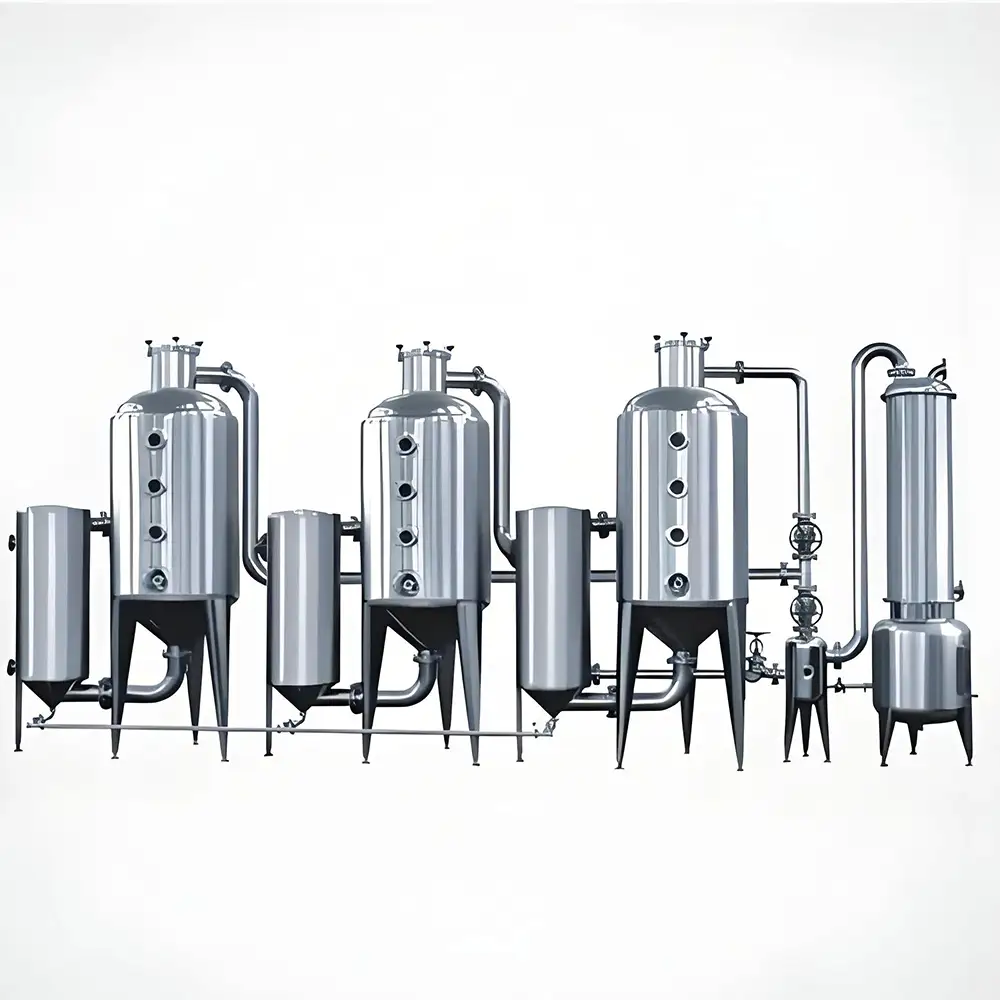
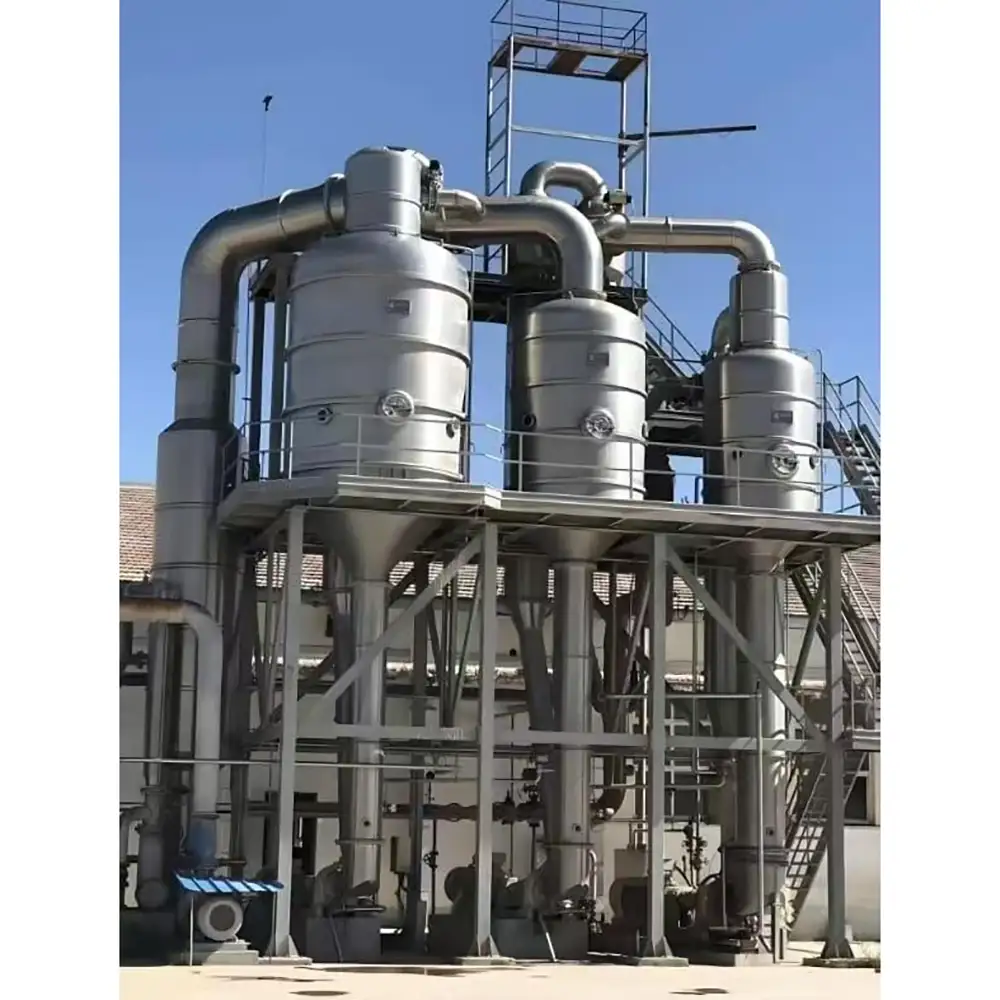
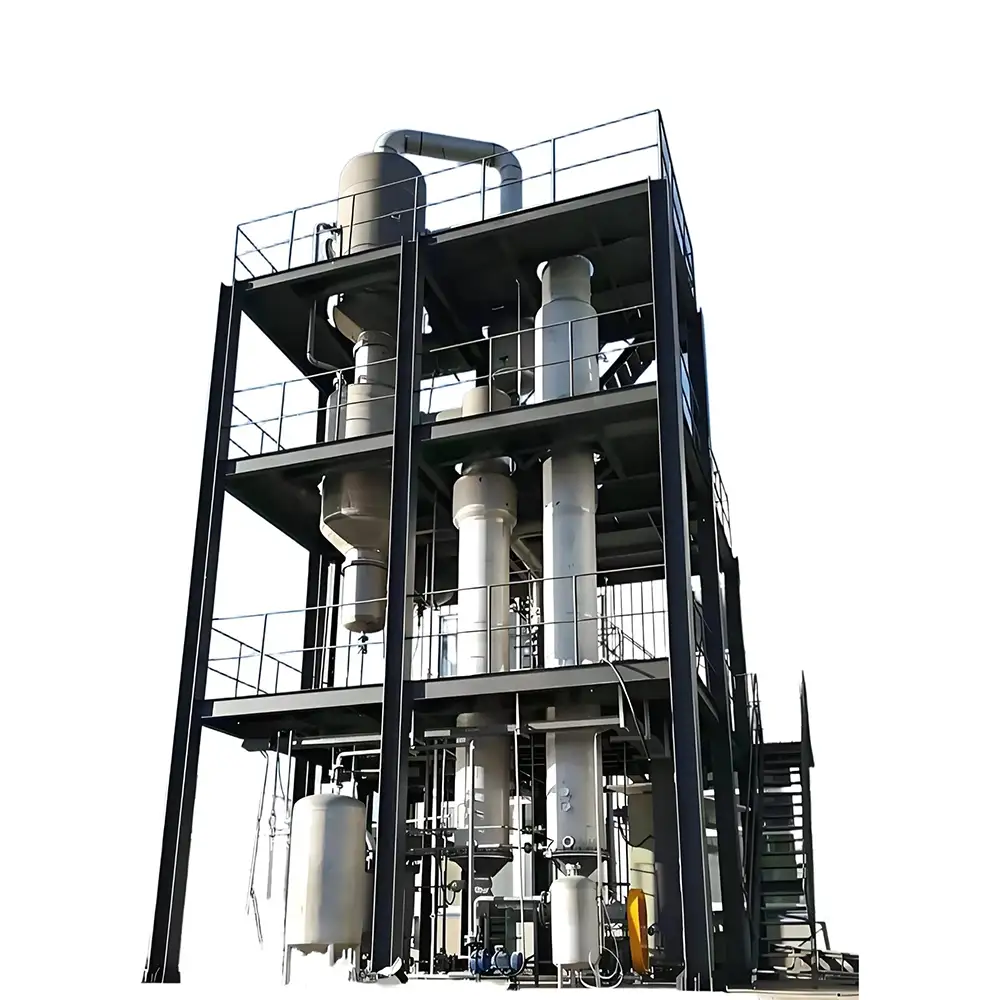
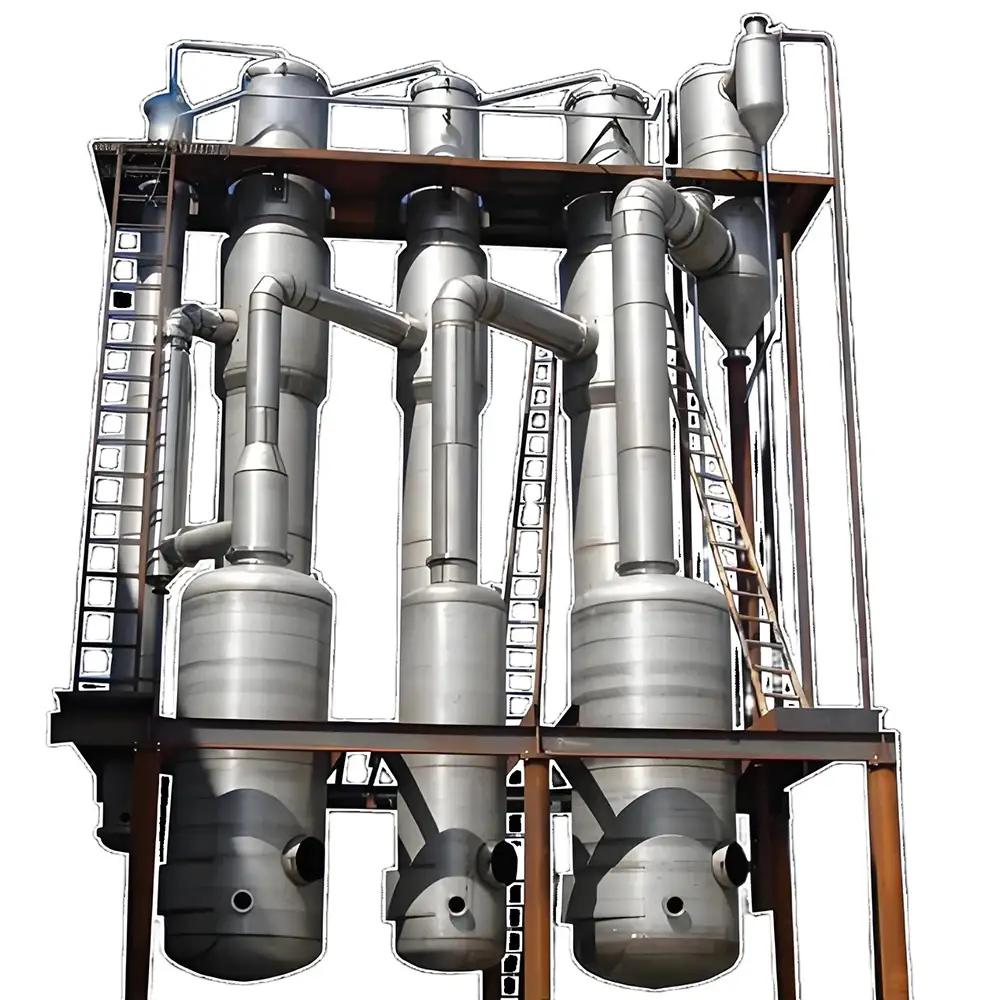
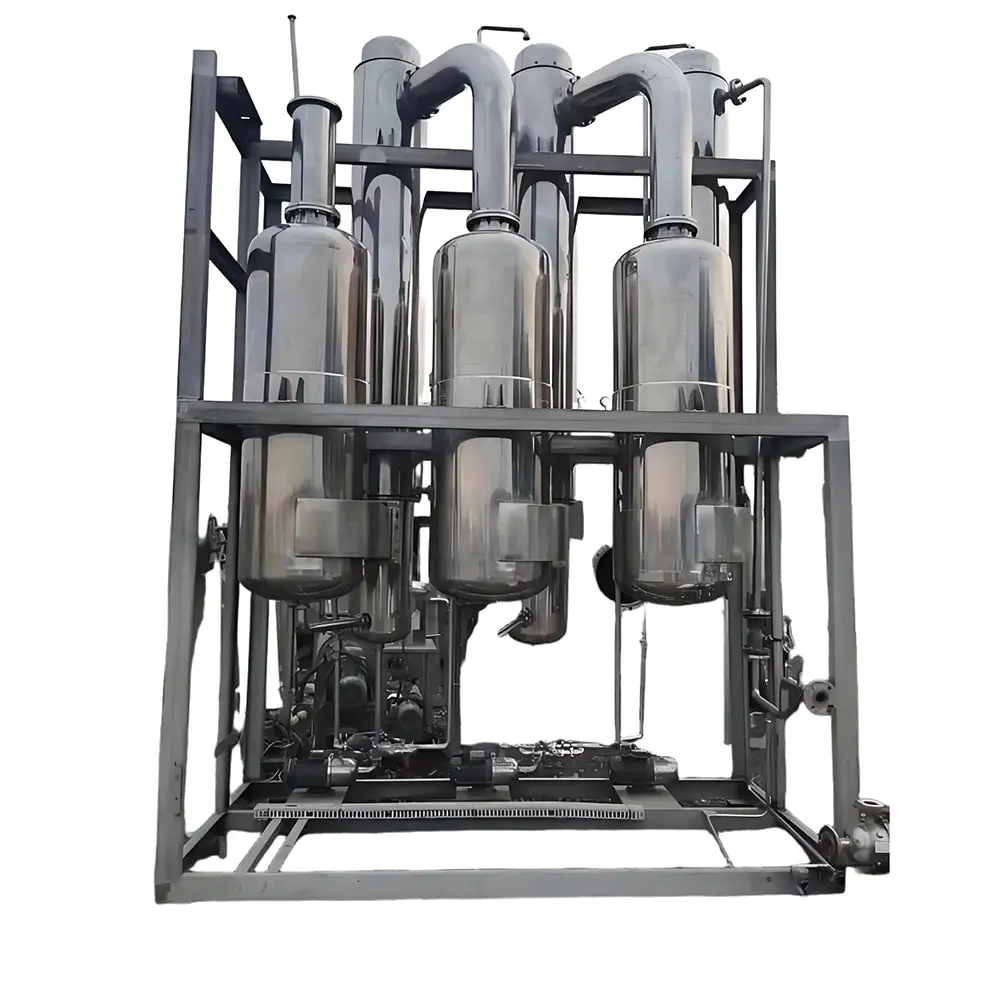
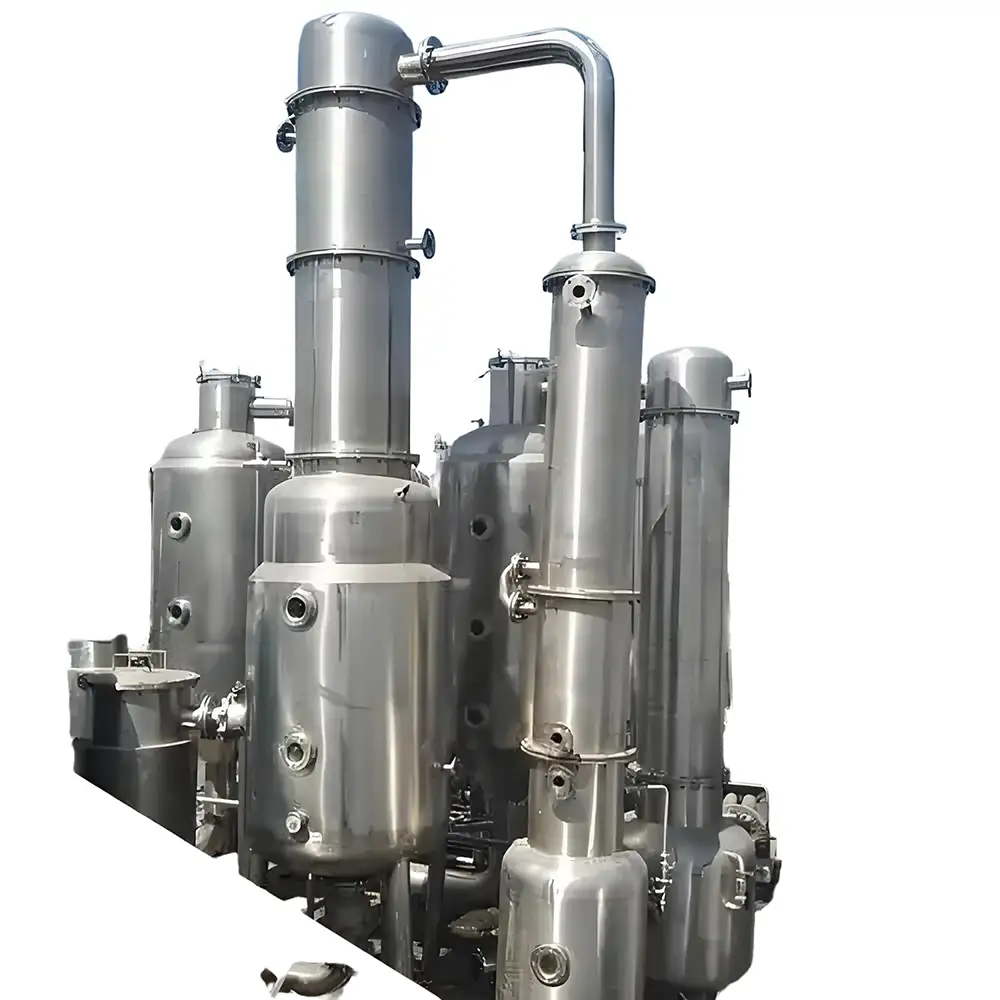
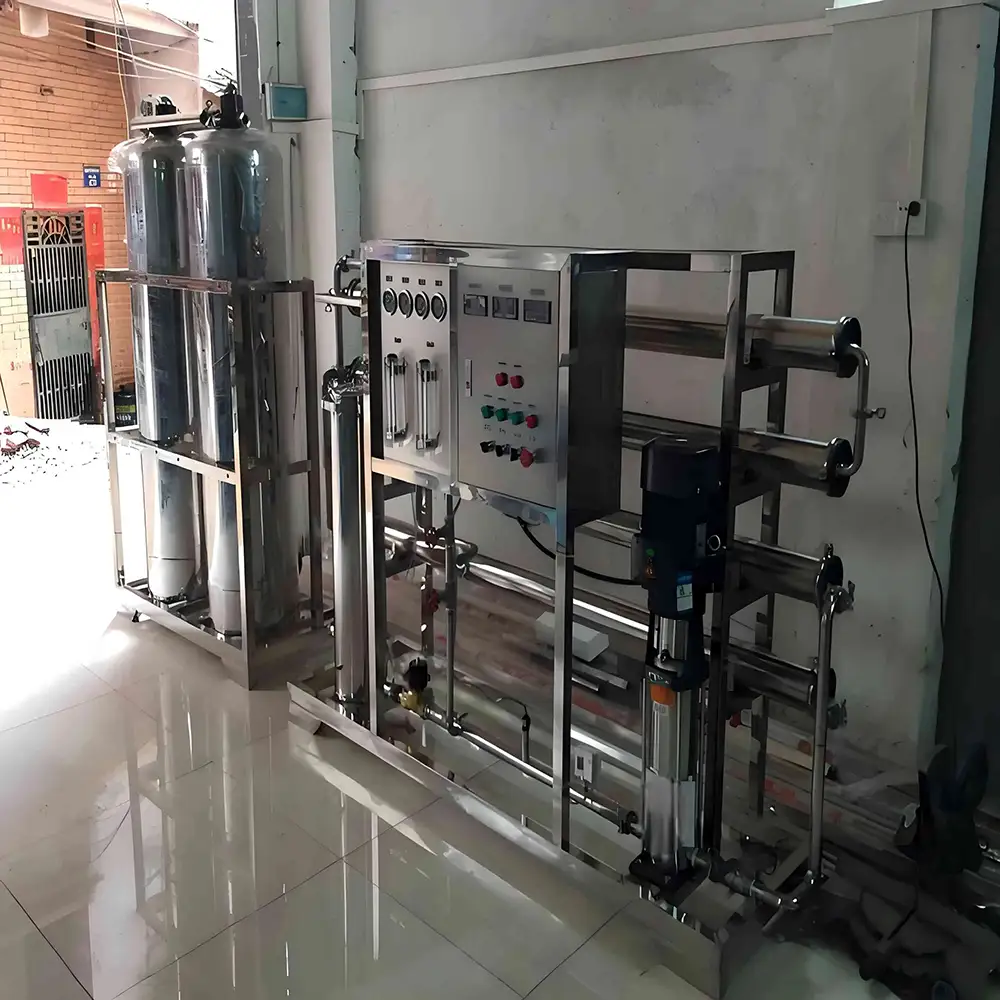
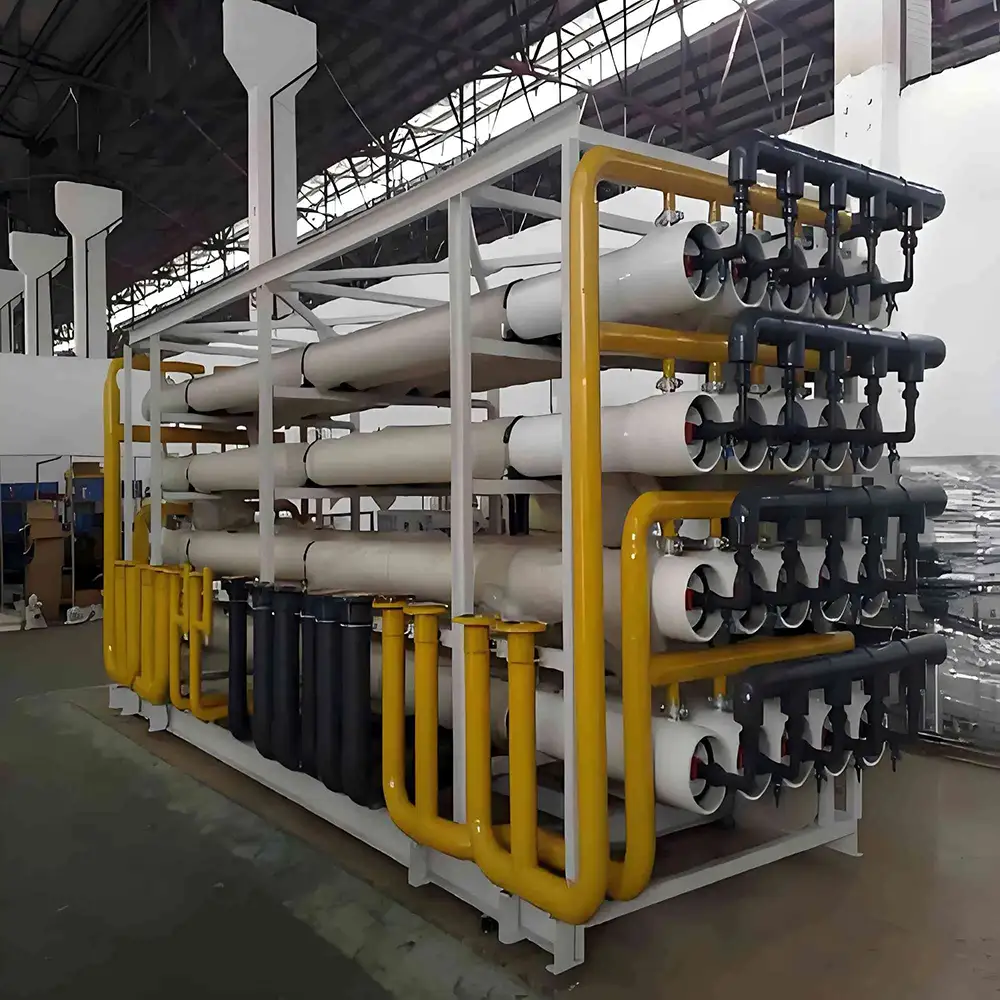
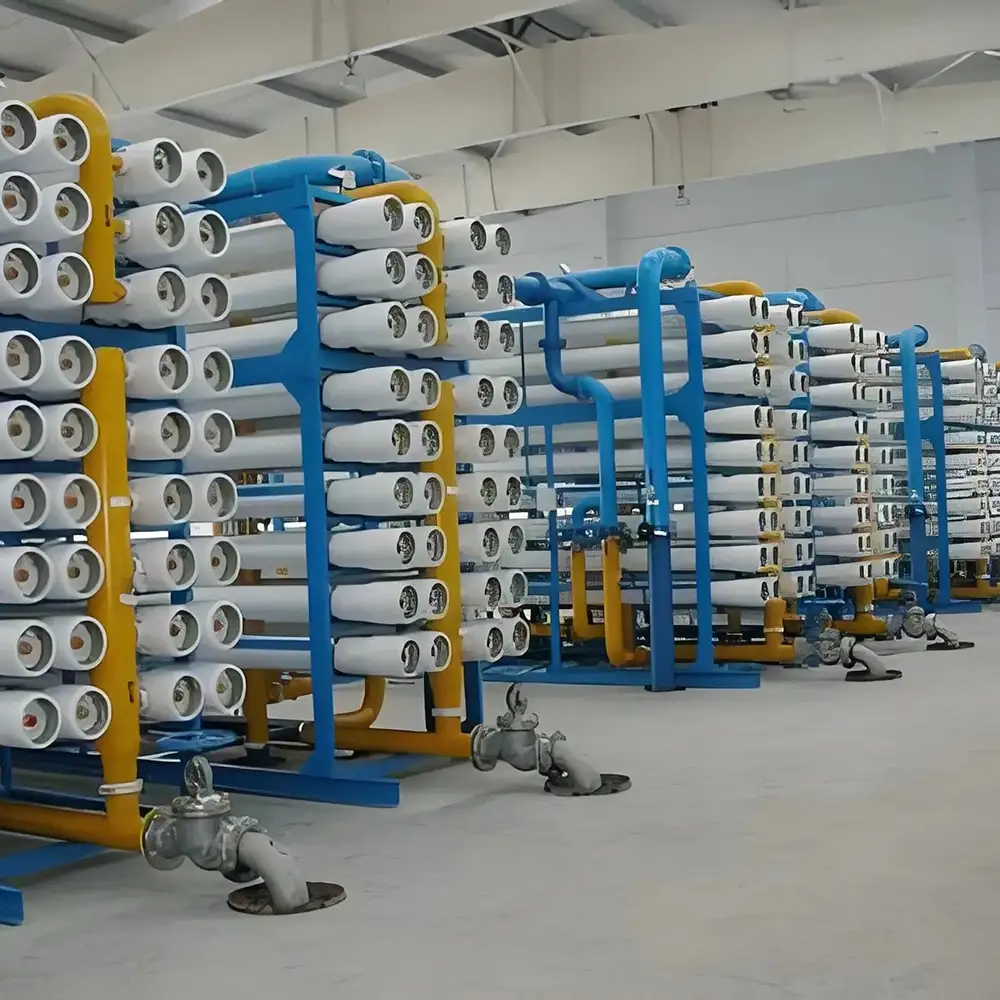
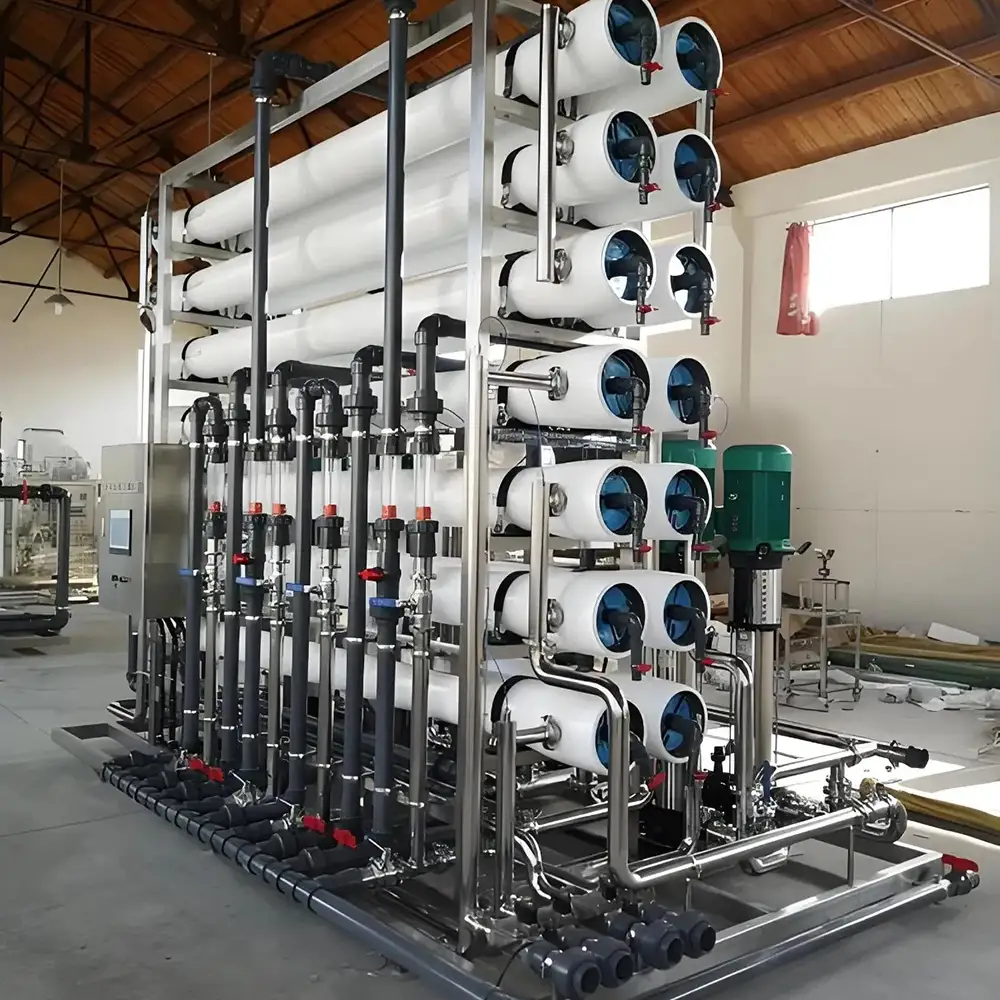
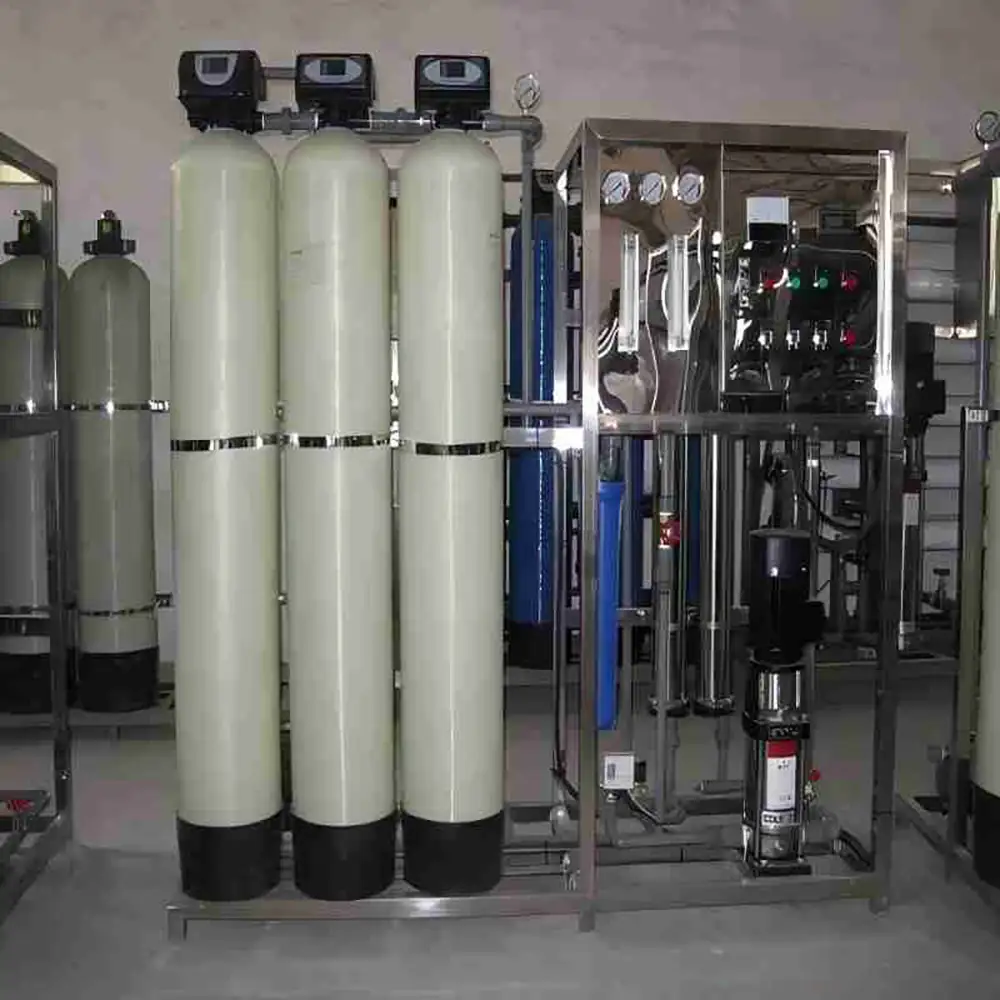
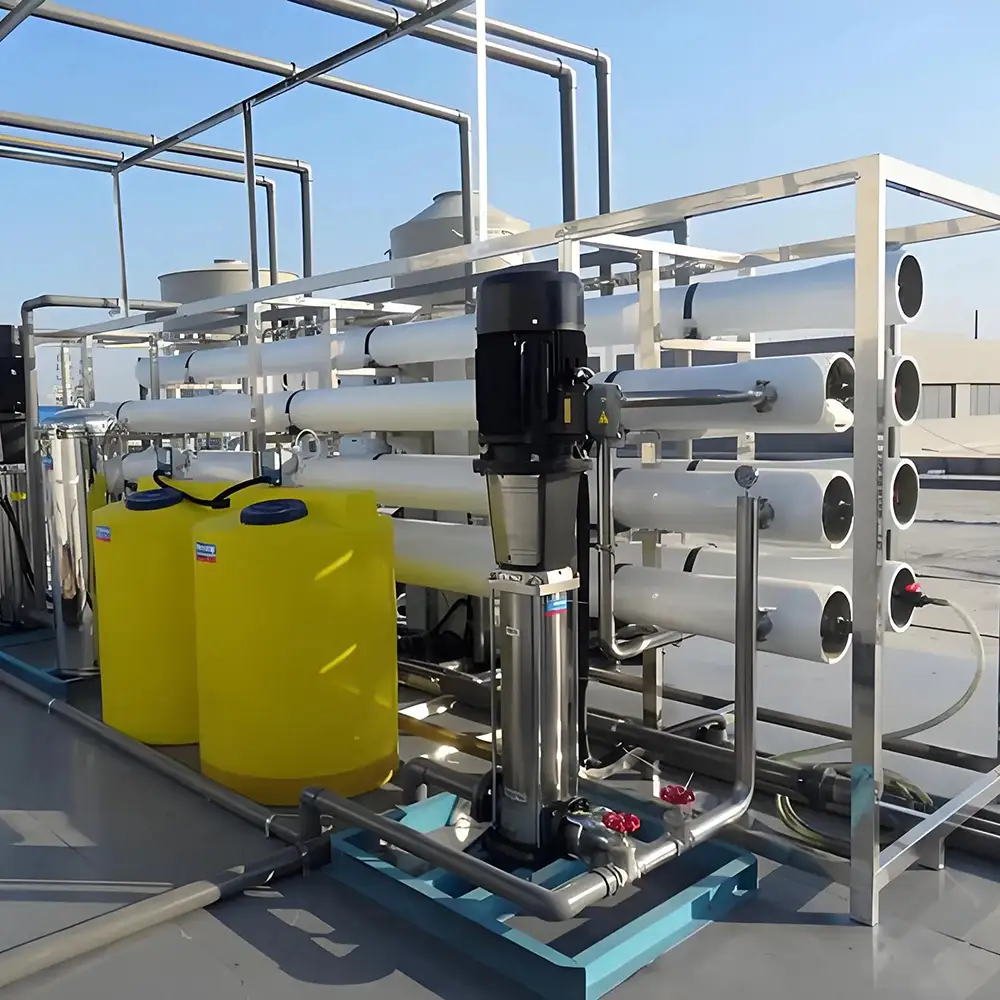
Chemical and Pharmaceutical Mechanical Vapor Recompression Evaporator Water Purifier
Chemical Pharmaceuticals Mechanical Vapor Recompression Evaporator Water Purifier is an advanced thermal evaporation system designed for chemical manufacturing, pharmaceutical production, industrial wastewater treatment, high-TDS wastewater concentration, water recovery, and Zero Liquid Discharge applications.
Chemical and pharmaceutical production processes can generate wastewater containing high concentrations of dissolved salts, organic compounds, process chemicals, residual materials, and other contaminants. Conventional biological treatment or membrane filtration may not always be suitable for these difficult wastewater streams, especially when dissolved solids become highly concentrated.
Mechanical Vapor Recompression, commonly known as MVR, provides an effective evaporation technology for separating water from concentrated wastewater. The system uses mechanical compression to recycle secondary vapor as a heating source, helping reduce external steam consumption while recovering water and concentrating the remaining wastewater.
The system can be integrated with pretreatment, filtration, crystallization, condensate polishing, RO systems, and other treatment technologies according to the characteristics of the wastewater.
Advanced Mechanical Vapor Recompression Technology
MVR is an energy-efficient evaporation process based on the reuse of generated secondary vapor.
During operation, the feed liquid is heated and partially evaporated. The resulting secondary vapor is collected and compressed by a mechanical vapor compressor. Compression increases the vapor pressure and saturation temperature.
The recompressed vapor is then returned to the heating system, where it provides energy for continued evaporation.
Instead of continuously requiring large quantities of fresh steam, the system recycles the vapor generated during the evaporation process. This can significantly reduce external thermal energy requirements compared with conventional evaporation methods.
Actual energy consumption depends on wastewater composition, evaporation temperature, concentration ratio, compressor efficiency, system capacity, and operating conditions.
Chemical Industry Wastewater Treatment
Chemical manufacturing wastewater can vary widely depending on the production process. It may contain dissolved salts, acids, alkalis, solvents, inorganic compounds, organic substances, and other process-related contaminants.
An MVR Evaporator can be used to concentrate suitable chemical wastewater streams and recover water for further treatment or reuse.
Before evaporation, the wastewater may require pretreatment to remove suspended solids, oil, substances that could cause excessive scaling, or other materials that may interfere with heat transfer.
The evaporation stage then separates volatile water from nonvolatile dissolved substances, producing a concentrated liquid stream and a recovered condensate stream.
The final treatment configuration should always be selected according to a detailed wastewater analysis.
Pharmaceutical Wastewater Treatment
Pharmaceutical manufacturing can generate wastewater from production, equipment cleaning, formulation, extraction, fermentation, and other processes.
Depending on the pharmaceutical process, wastewater may contain high concentrations of salts, organic matter, solvents, active ingredients, or other dissolved substances.
MVR evaporation can be used as part of a pharmaceutical wastewater treatment process where conventional treatment technologies are insufficient or where water recovery and volume reduction are important objectives.
The recovered condensate can be further polished or treated according to its quality and intended reuse. Additional treatment may include activated carbon, membrane filtration, UV, ozone, or other suitable technologies.
The purified water produced is pure, pure, and sweet, and can be consumed directly or used in large quantities for cooking. Completely solving the secondary pollution of water quality, it is currently the safest, most economical, and most hygienic drinking water solution for people to drink clean water.
High-TDS Wastewater Concentration
One of the major applications of MVR technology is the treatment of high-TDS wastewater.
As water evaporates, dissolved salts and other nonvolatile substances remain in the concentrated liquid. This allows the system to reduce wastewater volume while increasing the concentration of dissolved solids.
MVR is therefore suitable for wastewater streams that may be difficult to treat economically using conventional RO systems alone.
In an integrated treatment process, RO can be used for initial water recovery, while MVR can further process the concentrated RO reject. This combination can increase overall water recovery and reduce the final volume of concentrated waste.
Water Recovery and Reuse
The MVR Evaporator Water Purifier can recover water from industrial wastewater in the form of condensate.
Depending on feedwater characteristics and condensate quality, the recovered water may be reused directly in suitable applications after appropriate treatment or sent to additional polishing processes.
Potential reuse applications may include process water, cleaning water, cooling water, utility water, or other applications where the recovered water meets the required specifications.
Water recovery can help chemical and pharmaceutical facilities reduce freshwater consumption and improve overall water management.
Zero Liquid Discharge Applications
MVR evaporation can serve as an important stage in Zero Liquid Discharge systems.
In a typical ZLD process, pretreatment and RO may first recover a significant portion of usable water. The remaining concentrated brine can then be sent to an MVR evaporator for further concentration.
When very high concentrations are required, a crystallizer or additional solid-liquid separation equipment may be used after evaporation.
This combination can substantially reduce liquid discharge and help facilities manage difficult industrial wastewater streams.
Energy-Efficient Evaporation Process
Energy efficiency is a major consideration for industrial evaporation systems.
The MVR process recycles secondary vapor and mechanically compresses it so that it can be reused as the heating source. This vapor recycling approach can reduce the amount of external steam required during continuous operation.
Compared with traditional multi-effect evaporation systems, MVR can offer an attractive solution for applications where electricity is available and long-term energy consumption is an important operating consideration.
The actual energy performance depends on the feedwater properties, boiling point elevation, evaporation temperature, concentration level, vapor compressor design, and operating conditions.
Automatic Operation and Process Control
Modern MVR systems can incorporate automatic process controls to simplify operation and maintain stable treatment conditions.
A PLC-based control system can monitor and regulate feed flow, temperature, pressure, liquid level, evaporation conditions, compressor operation, concentrate discharge, and condensate flow.
Automatic valves, pumps, sensors, alarms, and safety protection functions can be integrated into the system.
Real-time monitoring helps operators identify abnormal operating conditions and maintain consistent evaporation performance.
For chemical and pharmaceutical facilities, automated operation can also help reduce manual intervention and support repeatable process control.
Scaling, Fouling, and Maintenance
Scaling is an important consideration when treating high-TDS wastewater. As water evaporates and dissolved substances become increasingly concentrated, certain salts may precipitate on heat-transfer surfaces.
Proper wastewater analysis is therefore essential before system design. The system may require pretreatment, pH adjustment, antiscalant strategies, controlled evaporation conditions, forced circulation, or other measures depending on the feedwater composition.
Routine maintenance may include inspection and cleaning of heat-transfer surfaces, pumps, valves, vapor compressors, sensors, and other components.
The maintenance schedule should be established according to wastewater characteristics, operating hours, concentration ratio, and actual system performance.
Flexible System Integration
The MVR Evaporator can be integrated with a wide range of upstream and downstream treatment equipment.
Possible upstream equipment includes screening, filtration, chemical pretreatment, activated carbon, softening, RO systems, and other concentration technologies.
Downstream equipment may include condensate polishing, UV disinfection, crystallizers, dryers, solid-liquid separators, or water storage systems.
This flexible configuration allows the MVR system to become part of a complete chemical or pharmaceutical wastewater treatment solution rather than operating as an isolated piece of equipment.
Why Choose Us?
We focus on practical MVR evaporation and industrial water treatment solutions for chemical, pharmaceutical, and other high-strength wastewater applications.
The system can be designed around the actual wastewater characteristics, including flow rate, TDS, COD, major dissolved salts, organic compounds, temperature, pH, scaling potential, required evaporation capacity, desired water recovery, and final concentrate requirements.
For pharmaceutical applications, the system can be integrated with additional condensate polishing and treatment stages when higher recovered-water quality is required.
For chemical wastewater, the equipment can be configured for concentration, volume reduction, water recovery, and ZLD processes.
Our approach emphasizes energy-efficient vapor reuse, stable process control, flexible integration, practical maintenance, and reliable long-term operation.
Frequently Asked Questions
1. What is an MVR evaporator?
MVR stands for Mechanical Vapor Recompression. It is an evaporation technology that compresses and recycles secondary vapor so that it can be reused as a heating source.
2. Can MVR treat pharmaceutical wastewater?
Yes. MVR can be used for suitable pharmaceutical wastewater streams, particularly those containing high concentrations of dissolved solids and other contaminants that are difficult to manage using conventional treatment alone.
3. Can MVR be used for chemical wastewater?
Yes. Chemical wastewater can be treated with MVR when the wastewater composition and evaporation characteristics are suitable for the process.
4. Can MVR treat high-TDS wastewater?
Yes. MVR is particularly useful for concentrating high-TDS wastewater and reducing the volume of concentrated liquid requiring final treatment or disposal.
5. Can MVR recover usable water?
Yes. The evaporation process produces condensate that can potentially be recovered and reused after quality evaluation and additional polishing when necessary.
6. How does MVR save energy?
MVR mechanically compresses the secondary vapor generated during evaporation and reuses it as a heating source, reducing the need for continuous external steam.
7. Can MVR be combined with RO?
Yes. RO and MVR can be combined in integrated water treatment systems. RO can provide initial water recovery, while MVR can process concentrated RO reject or brine.
8. Can MVR support Zero Liquid Discharge?
Yes. MVR can be an important concentration stage in ZLD systems, often combined with RO, crystallization, or other solid-liquid separation technologies.
9. What causes scaling in an MVR evaporator?
Scaling occurs when dissolved salts become highly concentrated and precipitate on heat-transfer surfaces. Proper feedwater analysis, pretreatment, process control, and cleaning help manage this issue.
10. What information is needed to design an MVR system?
Important information includes wastewater flow rate, TDS, pH, COD, major salts, organic composition, temperature, required evaporation capacity, desired water recovery, concentrate target, operating hours, and condensate quality requirements.
Prev:
Seawater Desalination Mechanical Vapor Recompression Evaporator Water Purifier
Next:
Reverse Osmosis RO Water Purification System Seawater Desalination Equipment Filtration Machinery
TAG:
Chemical Wastewater Treatment,
ZLD Evaporator,
Industrial Water Recovery,
Zero Liquid Discharge,
Vacuum Evaporator,
MVR Evaporation System,
Industrial Wastewater Concentration,
High TDS Wastewater Treatment,
Wastewater Evaporation System,
MVR Evaporator,
Industrial Wastewater Evaporator,
Industrial Water Purification,
Water Recovery System,
Industrial Evaporator,
MVR Water Treatment,
Mechanical Vapor Recompression,
RO Concentrate Treatment,
RO Brine Treatment,
Pharmaceutical Wastewater Treatment,
Pharmaceutical Wastewater Evaporator,
Brine Concentration System,
Chemical Wastewater Evaporator,
Condensate Recovery System,
Industrial MVR System,
Energy Saving Evaporator,
Chemical Water Treatment,
Pharmaceutical Water Treatment,
ZLD Water Treatment,
Brine Evaporation,
Industrial Water Evaporation,
Related Category:
Chemical Pharmaceutical MVR Evaporator,Mechanical Vapor Recompression Evaporator,Pharmaceutical Water Purification Equip China, suppliers, manufacturers, factory, customized, wholesale, quotation, made in China