Cement Dust Collector
Concrete batching plant comes fully automatic, easy to operate in Stationary and mobile versions, to produce homogenous mixture of aggregates, sand, water, additives etc, for building and civil construction projects.
Parameters
|
type |
HZS50 |
|
Production in theory |
50m3/h |
|
Concrete mixer |
JS1000B |
|
mixing power |
2X18.5KW |
|
Max. aggregate diameter |
80mm |
|
Mixing discharge capacity |
1.0m3 |
|
Load type |
load hop |
|
Batching Plant |
HPD1600A |
|
Aggregate measure |
3000Kg ±2% |
|
Concrete measure |
600Kg ±1% |
|
water |
400Kg ±1% |
|
Load height |
2.58m |
|
discharge height |
3.8 m |
|
Out dimension(working state)(L*W*H) |
17012 mm X4070 mm X8400 mm |
|
Total power |
85.0KW |
|
Total weight |
17570Kg |
|
Control mode |
half automatic, manual operation |
Cement Dust Collector, Quality Bag Dust Collector & Industrial Dust Collectors and Air Filtration
1. Industrial Cement Dust Collection and Air Filtration Solutions
Cement production generates large amounts of dust during raw material crushing, grinding, conveying, mixing, kiln processing, clinker cooling, and packaging. Without effective dust collection, airborne particles can affect equipment performance, production efficiency, workplace conditions, and environmental compliance. A reliable cement dust collector is an essential part of modern cement plant operations.
Our cement dust collectors, quality bag dust collectors, and industrial air filtration equipment are designed to capture airborne dust from industrial processes and help maintain cleaner production environments. Available in different configurations and capacities, these systems can be adapted to the airflow, dust concentration, temperature, and operating conditions of individual applications.
Whether you need a dust collection system for a new cement production line or want to upgrade existing filtration equipment, selecting the appropriate baghouse dust collector can help improve dust control, reduce material loss, and support stable operation.
2. What Is a Cement Dust Collector?
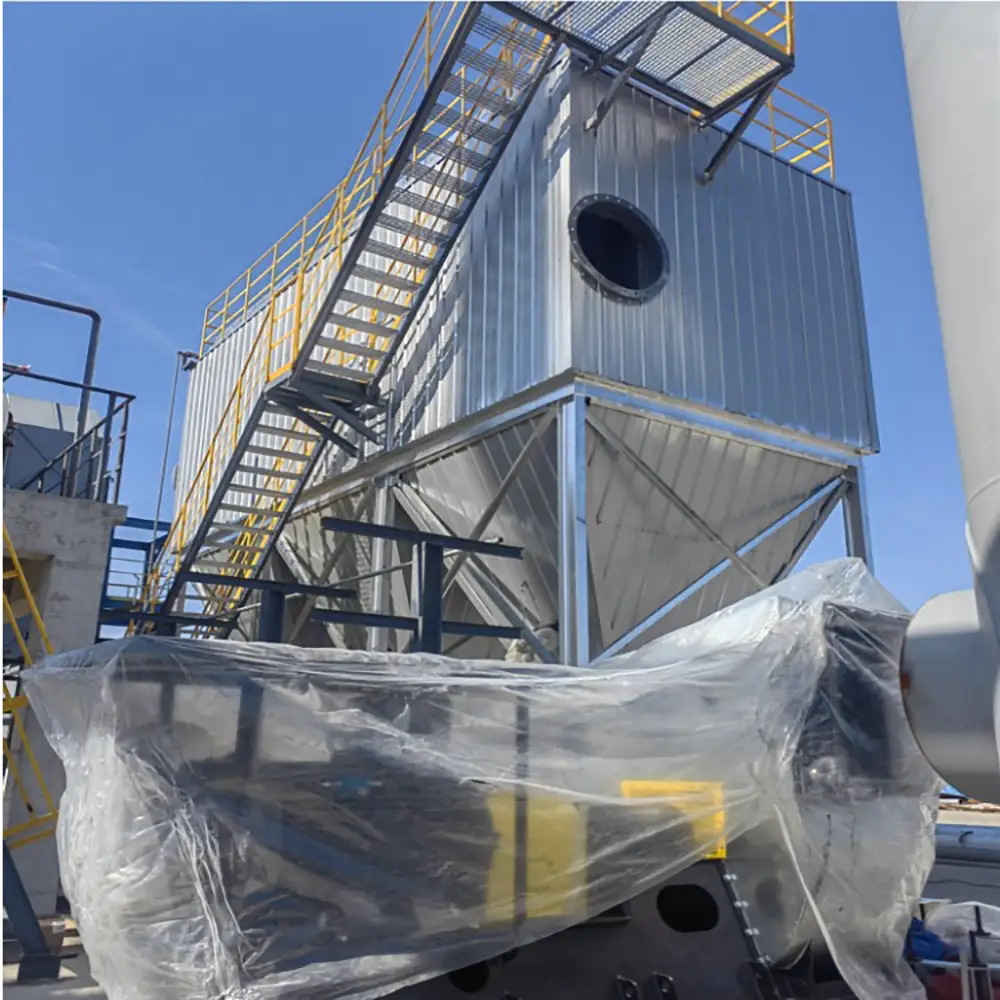
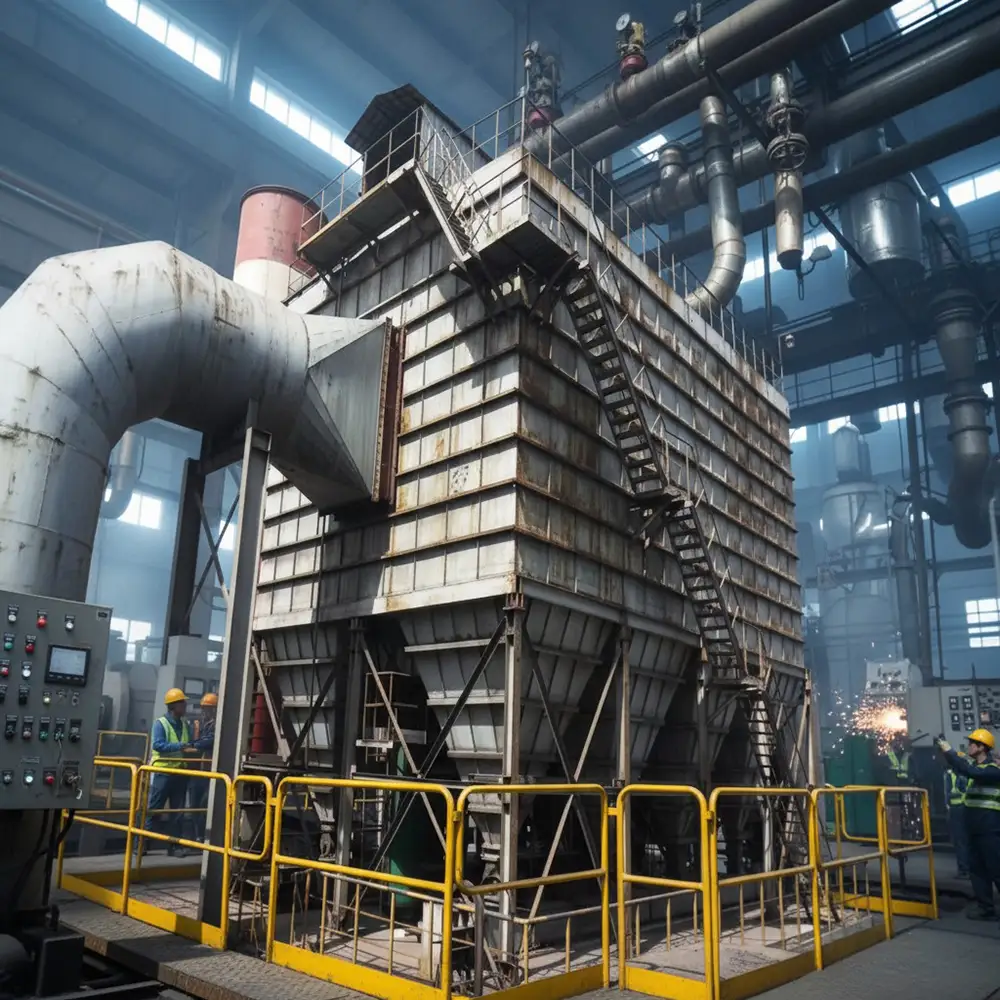
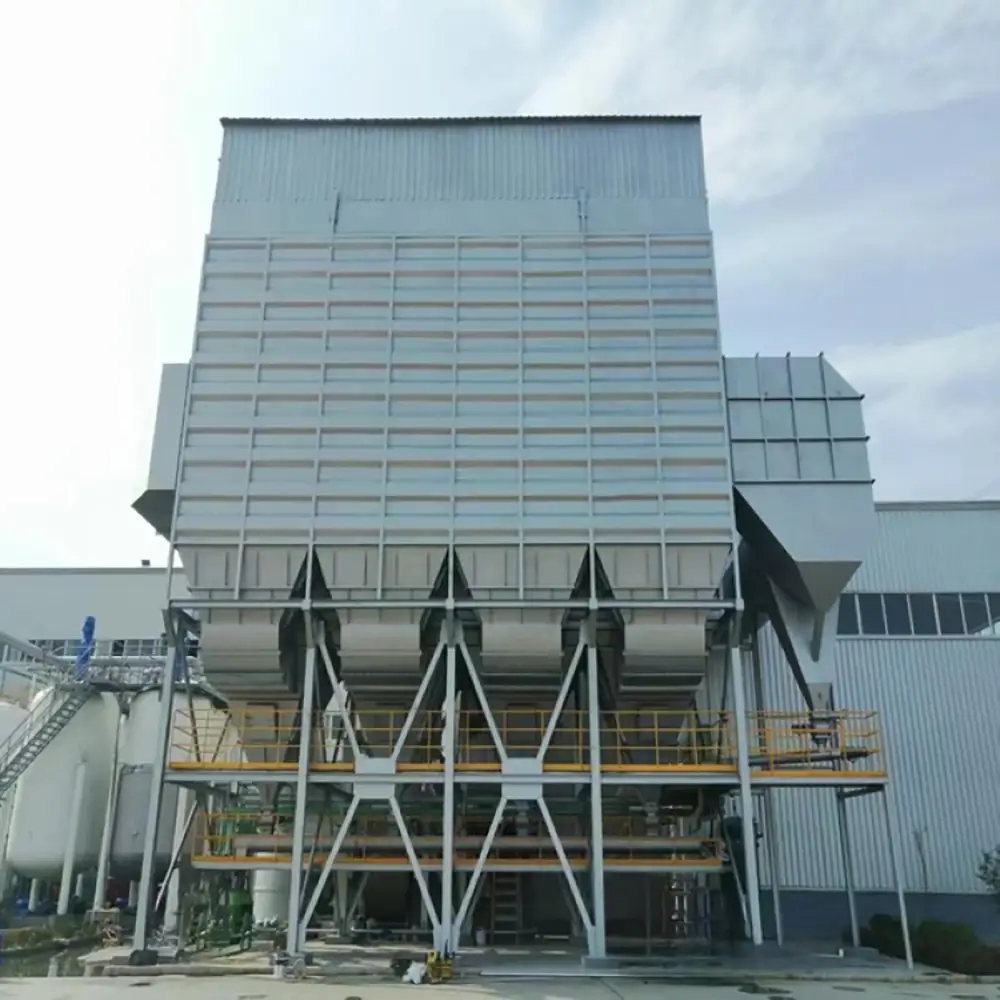
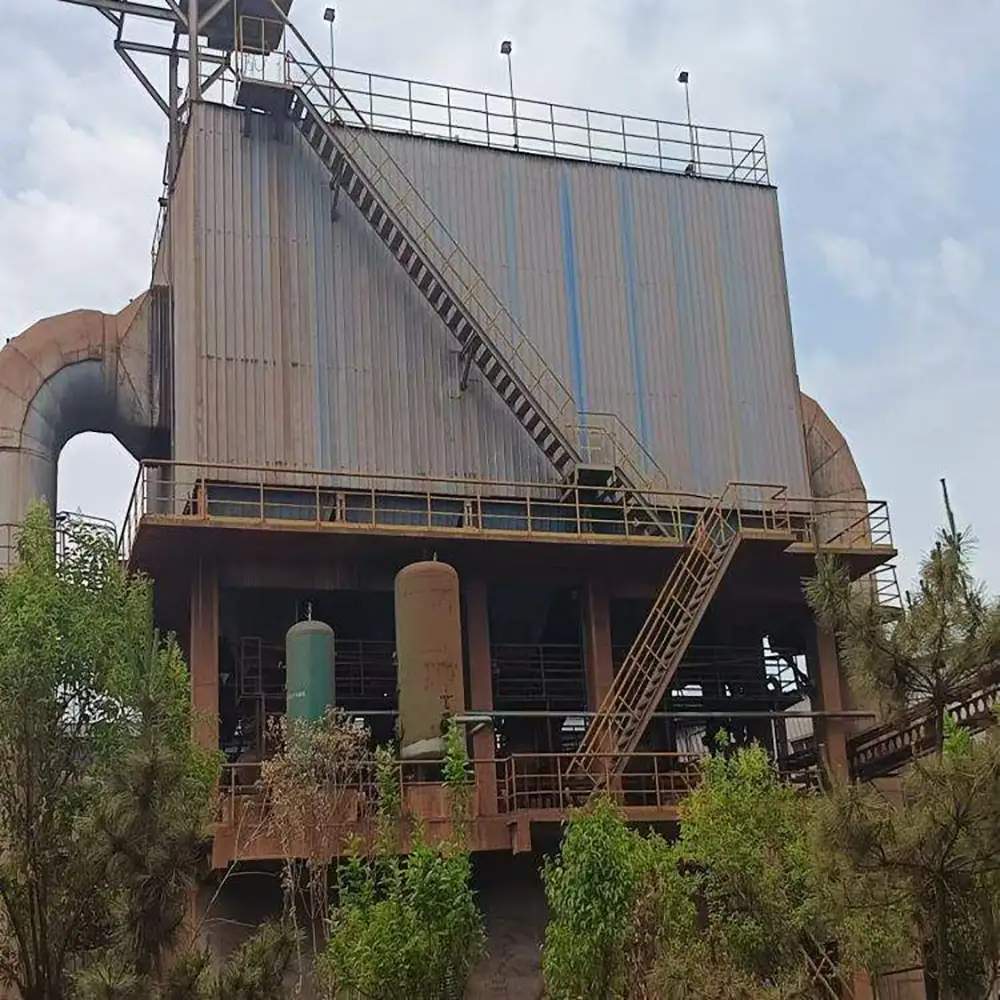
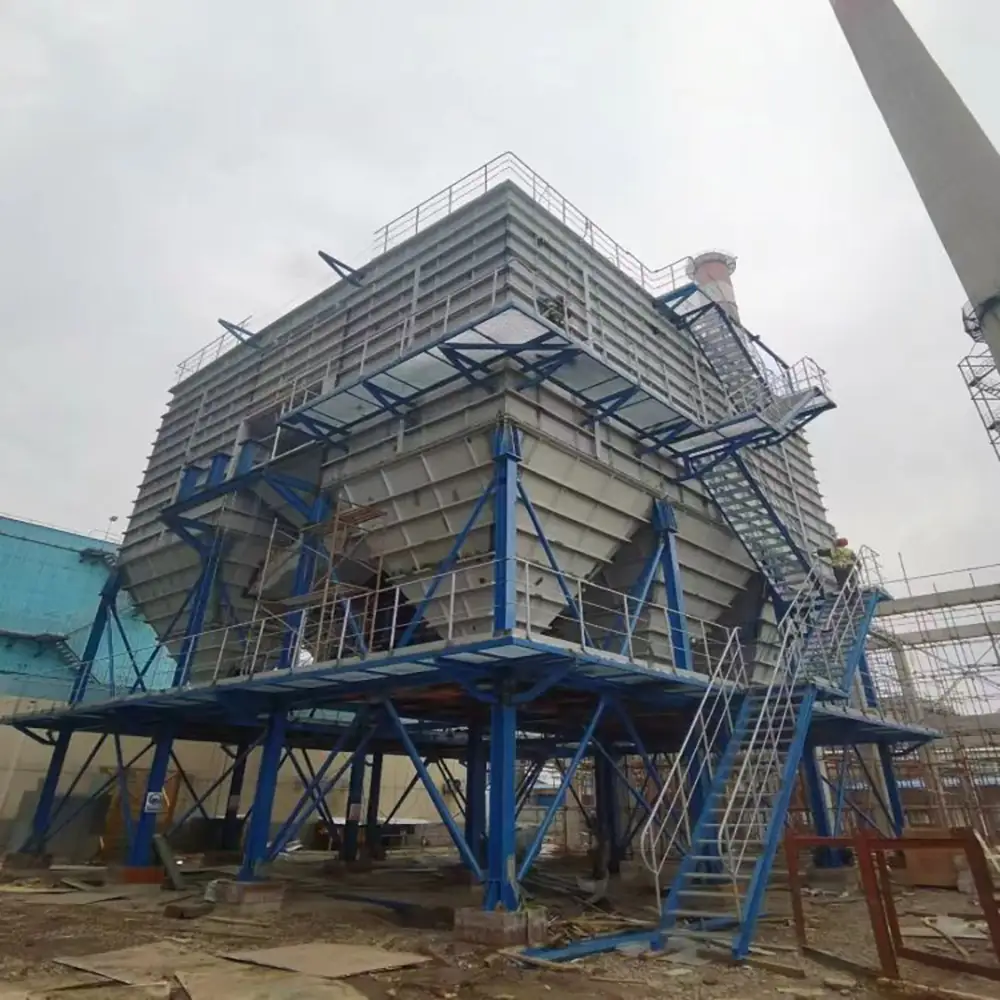
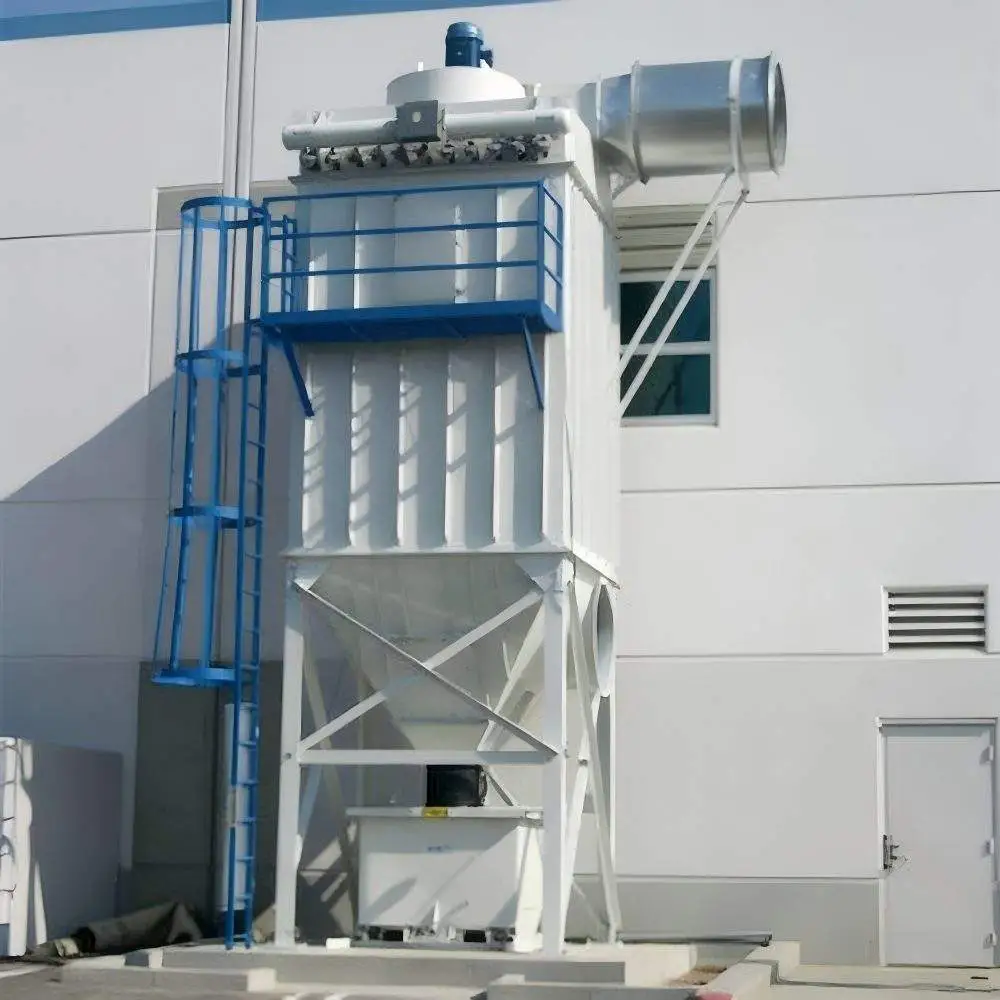
A cement dust collector is an industrial air pollution control device that separates dust particles from process air or exhaust gas. In cement plants, baghouse filtration is widely used because it can collect fine particulate matter from different production processes.
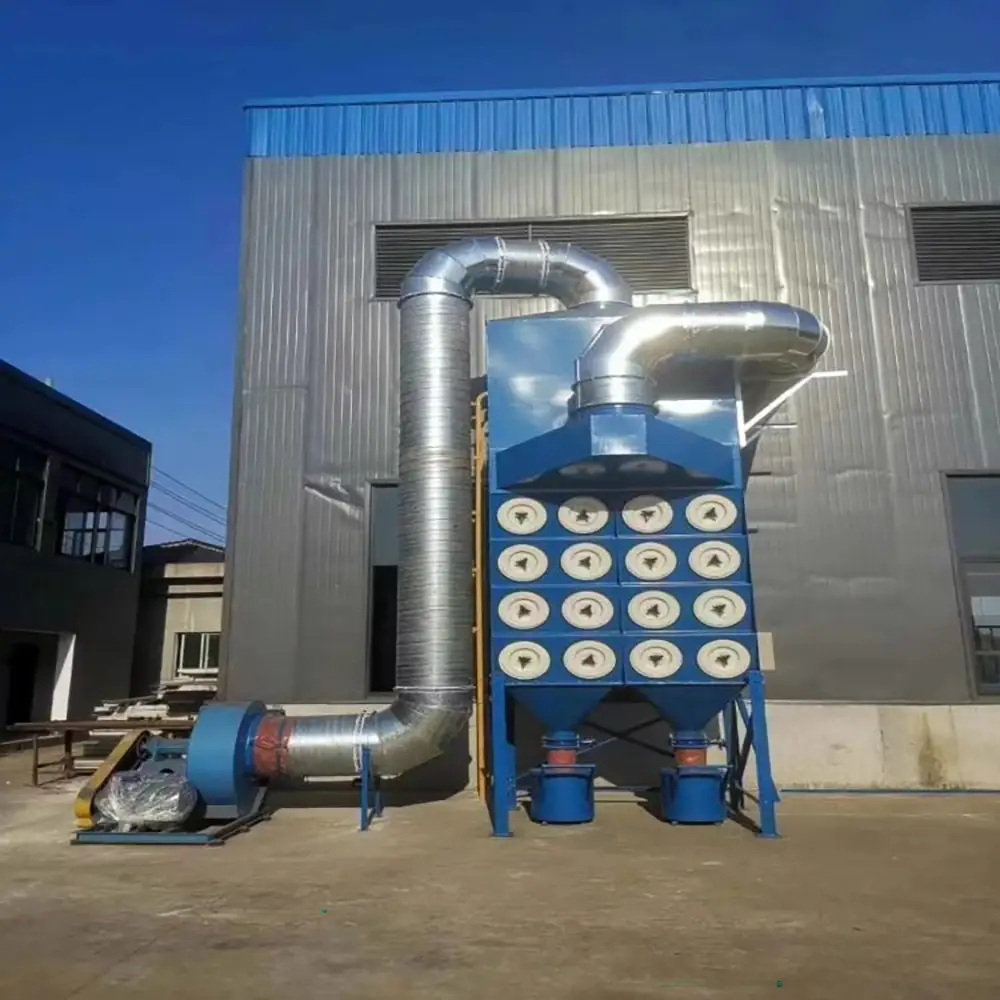
A typical bag dust collector consists of filter bags, filter cages, a housing, an inlet and outlet, a dust hopper, a discharge device, and a cleaning system. Dust-laden air enters the collector, where particles are retained on the surface of the filter media while filtered air passes through.
As dust accumulates, the cleaning system removes the filter cake from the bags. The collected dust falls into the hopper and can be discharged for disposal or returned to the production process where appropriate.
Depending on the application, the system may use pulse jet cleaning, mechanical shaking, or another suitable cleaning method.
3. Quality Bag Dust Collector Features
Our quality bag dust collectors can be configured with features designed for industrial operating conditions.
High-Efficiency Dust Filtration
Suitable filter media can capture fine airborne particles and support effective dust separation. Filtration performance depends on the selected fabric, operating conditions, dust characteristics, and system design.
Pulse Jet Cleaning System
Pulse jet bag filters use short bursts of compressed air to remove accumulated dust from filter bags. Automatic cleaning helps maintain airflow and reduces the need for frequent manual maintenance.
Durable Filter Media
Filter bags are available in different materials according to operating temperature, moisture, chemical exposure, and dust characteristics. Common options include polyester, polypropylene, aramid, PPS, and other application-specific fabrics.
Flexible Equipment Configuration
Dust collectors can be designed in different sizes and arrangements to suit cement production lines, individual machines, and centralized extraction systems.
Continuous Industrial Operation
Appropriate equipment selection, cleaning controls, and maintenance procedures help support consistent operation in demanding industrial environments.
4. Applications in Cement Manufacturing
Cement dust collectors can be installed at various points throughout cement production and material handling.
Raw Material Crushing: Capture dust from crushers, screens, and transfer points.
Raw Material Grinding: Collect airborne particles from mills and associated conveying systems.
Cement Kilns: Filter process exhaust gas using equipment designed for the actual gas temperature and chemical conditions.
Clinker Cooling: Control dust generated during clinker handling and cooling.
Cement Storage: Extract dust from silos, pneumatic conveying systems, and storage transfer points.
Cement Packaging: Collect fine dust from filling machines, bagging lines, and loading stations.
Bulk Material Conveying: Reduce dust emissions at conveyor transfer points, elevators, and feeding equipment.
Different production stages have different filtration requirements. The collector should be selected according to the specific process rather than relying on a single standard configuration.
5. How an Industrial Baghouse Dust Collector Works
A baghouse dust collector operates through a combination of airflow, filtration, and periodic cleaning.
Step 1: Dust-Laden Air Intake
Industrial fans or process pressure move dust-containing air into the collector. The inlet arrangement helps distribute the airflow through the filtration area.
Step 2: Dust Separation
Larger particles may settle in the housing or hopper, while finer particles travel toward the filter bags. The filter media captures dust as air passes through the fabric.
Step 3: Clean Air Discharge
Filtered air passes through the clean-air chamber and exits through the outlet. The discharged air quality depends on filter selection, equipment integrity, and operating conditions.
Step 4: Automatic Filter Cleaning
In pulse jet systems, a controller activates compressed-air valves at selected intervals or according to differential pressure. The resulting pulse dislodges accumulated dust from the filter bags.
Step 5: Dust Collection and Discharge
Collected dust falls into the hopper and is removed through a rotary airlock, screw conveyor, or other suitable discharge arrangement.
Properly coordinated airflow, filtration area, cleaning frequency, and dust discharge help maintain stable system performance.
6. Dust Collectors & Air Filtration System Selection
Choosing the right industrial dust collector requires an understanding of the process and operating environment.
Important selection factors include:
Airflow Capacity: Determine the required air volume based on the number of extraction points and process conditions.
Dust Characteristics: Consider particle size, concentration, abrasiveness, moisture, and chemical composition.
Operating Temperature: Select suitable filter media and housing materials for the actual gas temperature.
Filtration Area: Calculate the required filter area using airflow and the appropriate air-to-cloth ratio.
Pressure Drop: Consider initial and operating pressure losses when selecting the fan and system layout.
Cleaning Method: Choose pulse jet or another cleaning arrangement according to the process and equipment configuration.
Installation Space: Evaluate available floor area, maintenance access, duct routing, and foundation requirements.
Dust Discharge: Select a discharge system compatible with the dust's flow characteristics and handling requirements.
For hot kiln exhaust or chemically challenging applications, specialized engineering and material selection are particularly important.
7. Benefits of Industrial Dust Collection Equipment
An appropriately designed cement dust collection system provides several operational benefits.
Cleaner Production Environment
Effective extraction reduces airborne dust around production equipment, conveying systems, and packaging operations.
Improved Equipment Protection
Controlling dust accumulation can help protect motors, electrical components, sensors, and other equipment from excessive particulate contamination.
Material Recovery
Collected cement and raw material dust may be recoverable when its composition and process conditions allow reuse.
Reduced Housekeeping Requirements
Well-positioned extraction points can reduce dust accumulation and the frequency of manual cleaning in production areas.
Support for Environmental Management
Industrial bag filters can form an important part of a plant's particulate emission control strategy. Actual compliance depends on the complete system design, operation, testing, and applicable local requirements.
8. Installation, Operation, and Maintenance
Correct installation and routine maintenance are essential for reliable dust collector operation.
Before installation, check the foundation, duct connections, access clearances, electrical supply, compressed-air availability, and dust discharge arrangement. Confirm that the airflow direction and equipment configuration match the process design.
During operation, monitor differential pressure, fan performance, compressed-air pressure, cleaning cycles, and dust discharge. Unusual pressure changes may indicate filter blockage, damaged bags, air leakage, or cleaning-system problems.
Regular maintenance should include:
Inspecting filter bags and cages for wear or damage.
Checking pulse valves, solenoids, and compressed-air lines.
Removing accumulated dust from hoppers and discharge equipment.
Inspecting seals, access doors, and duct connections.
Checking fan bearings, motors, and vibration.
Replacing filter bags according to their condition and operating life.
A planned maintenance program helps identify developing problems before they cause extended downtime.
9. Custom Cement Dust Collector and OEM Solutions
Different cement plants have different production capacities, dust loads, installation layouts, and environmental requirements. Custom dust collection solutions can be designed around the specific application.
Available configuration considerations include collector size, filtration area, filter bag material, pulse cleaning controls, hopper design, discharge equipment, access platforms, and inlet and outlet arrangements.
For OEM projects, equipment can be coordinated with existing production machinery or integrated into a complete air filtration system. Before selecting a configuration, provide the supplier with airflow requirements, dust characteristics, gas temperature, operating hours, and available installation dimensions.
Custom engineering helps align the equipment with the production process and maintenance requirements.
10. Why Choose Us?
Industrial Application Experience
We focus on industrial dust collection and air filtration requirements, including cement production, bulk material handling, and manufacturing processes.
Flexible Equipment Configurations
Different collector sizes, filtration media, cleaning methods, and dust discharge arrangements can be considered according to project requirements.
Application-Based Recommendations
We can evaluate process airflow, dust properties, operating temperature, and installation conditions to help identify suitable equipment configurations.
Custom Manufacturing Support
OEM and customized equipment options can accommodate different production lines, plant layouts, and project specifications.
Technical and After-Sales Support
Equipment documentation, installation coordination, operation guidance, and maintenance recommendations can help customers manage the system throughout its service life.
Solutions for Different Industries
In addition to cement plants, industrial dust collectors and filtration equipment can serve applications in mining, metallurgy, building materials, chemical processing, and other dust-generating industries.
5. FAQs
Q1: What Is a Cement Dust Collector Used For?
A cement dust collector captures airborne dust generated during crushing, grinding, conveying, kiln processing, storage, and packaging. It helps control particulate emissions and reduce dust accumulation around production equipment.
Q2: What Is the Difference Between a Bag Filter and a Cartridge Dust Collector?
A bag filter uses fabric filter bags and is commonly applied in larger industrial systems and processes with substantial dust loads. Cartridge collectors use pleated filter elements that provide a large filtration surface in a compact space. The suitable type depends on dust characteristics, airflow, temperature, and maintenance requirements.
Q3: How Does a Pulse Jet Bag Dust Collector Work?
A pulse jet baghouse uses compressed-air pulses to remove accumulated dust from the filter bags. A control system activates the pulse valves according to a programmed sequence or differential-pressure settings, helping maintain filtration performance.
Q4: Which Filter Bag Material Is Suitable for Cement Dust?
Polyester may be suitable for many moderate-temperature applications. PPS, aramid, and other specialized materials may be considered where temperature, moisture, or chemical conditions require them. The correct choice depends on actual operating conditions and dust composition.
Q5: How Do I Calculate the Required Dust Collector Capacity?
Start by determining the total required airflow from the extraction points and process requirements. Then consider dust concentration, air-to-cloth ratio, temperature, pressure drop, and cleaning method. Final sizing should be confirmed through engineering calculations.
Q6: How Often Should Dust Collector Filter Bags Be Replaced?
There is no universal replacement interval. Filter bag life depends on operating temperature, dust abrasiveness, chemical exposure, cleaning frequency, and installation quality. Differential pressure, visible emissions, and bag inspection results can help determine replacement needs.
Q7: Can a Cement Dust Collector Be Customized?
Yes. Industrial dust collectors can be configured according to airflow, filtration area, filter media, cleaning method, dust discharge system, and available installation space. Customization should be based on the actual process requirements.
Q8: Can Collected Cement Dust Be Reused?
In some applications, collected dust can be returned to the production process if its composition and quality meet the plant's requirements. Reuse depends on material characteristics, contamination risks, and process specifications.
Q9: What Information Is Needed to Request a Quote?
Useful information includes required airflow, dust type, dust concentration, gas temperature, operating hours, filtration requirements, installation dimensions, power supply, and the preferred dust discharge method. Existing equipment drawings and process descriptions can also help.
Q10: Are Cement Dust Collectors Suitable for Other Industries?
Yes. Depending on the design and filter media, bag dust collectors can be used in mining, metallurgy, chemical processing, woodworking, food processing, and other industrial applications. Each application requires an appropriate equipment configuration.
Prev:
Dust Remover System, Dust Reduction System, Dust Removal
Next:Sorry, no information
TAG:
Dust Removal Equipment,
Industrial Air Pollution Control,
Industrial Dust Collector,
Industrial Dust Filtration,
Dust Extraction Equipment,
Cement Dust Collector,
High Efficiency Dust Collector,
Baghouse Dust Collector,
Industrial Air Filtration,
Dust Collection System,
Bag Filter Dust Collector,
Pulse Jet Dust Collector,
Quality Bag Dust Collector,
Dust Collectors & Air Filtration,
Cement Plant Dust Collector,
Cement Dust Extraction System,
Pulse Jet Bag Filter,
Industrial Baghouse Filter,
Cement Factory Dust Collector,
Cement Kiln Dust Collector,
Baghouse Filter System,
Industrial Filter Bags,
Cement Production Dust Control,
Industrial Dust Control System,
Air Filtration Equipment,
Industrial Bag Filter System,
Industrial Exhaust Filtration,
Related Category:
Cement Dust Collector,Bag Dust Collector, Dust Collectors, Air Filtration China, suppliers, manufacturers, factory, customized, wholesale, quotation, made in China