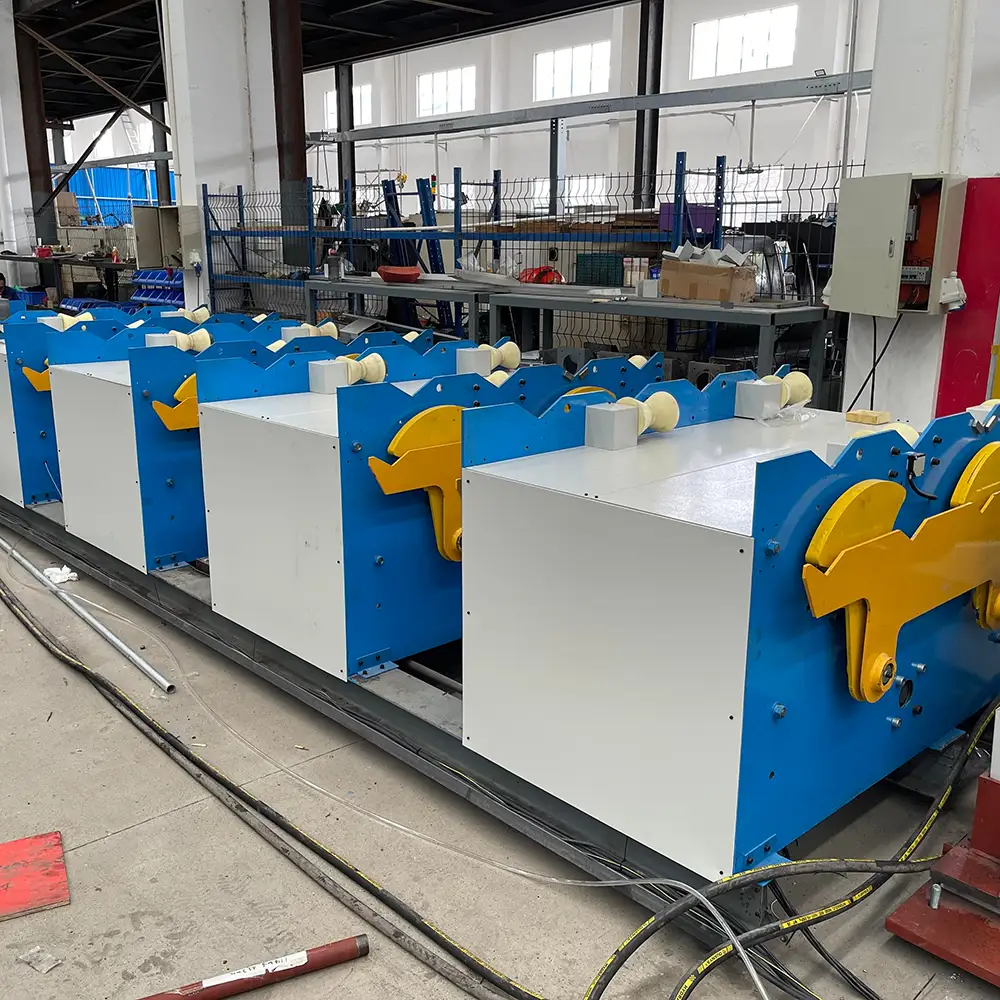
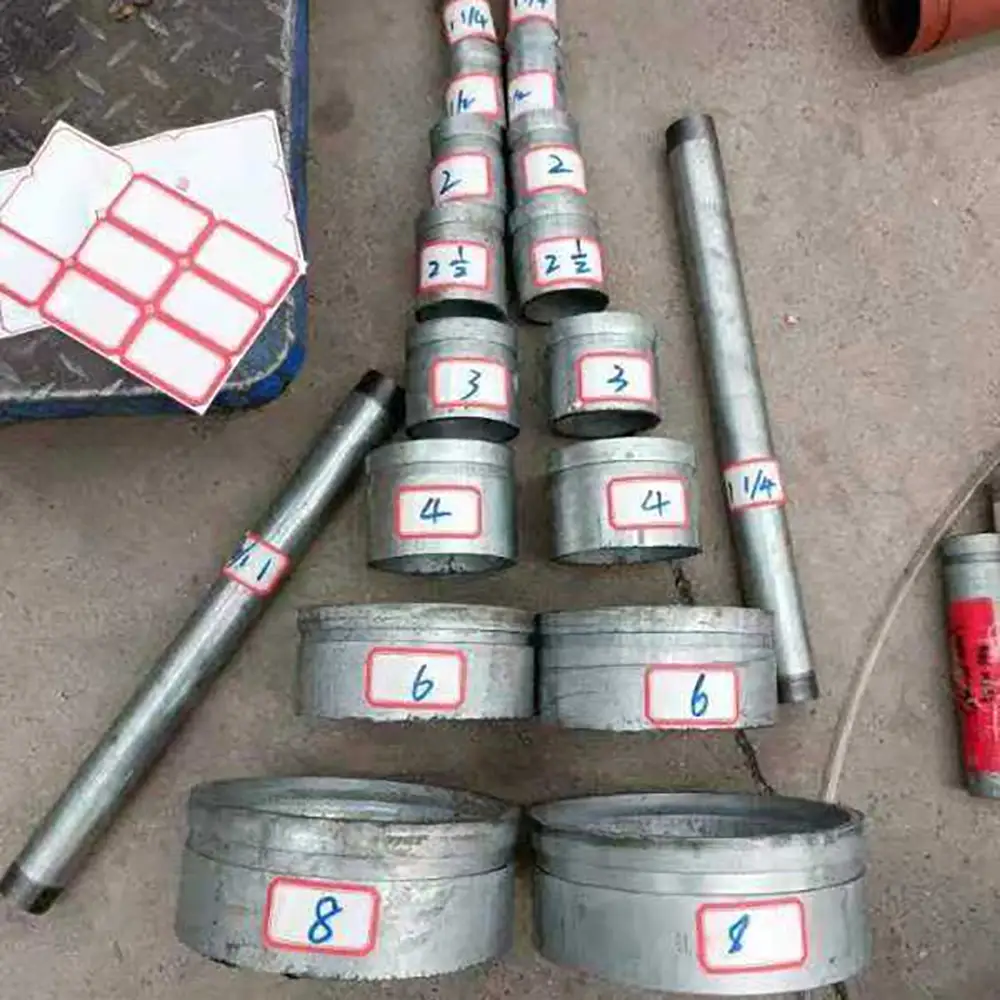
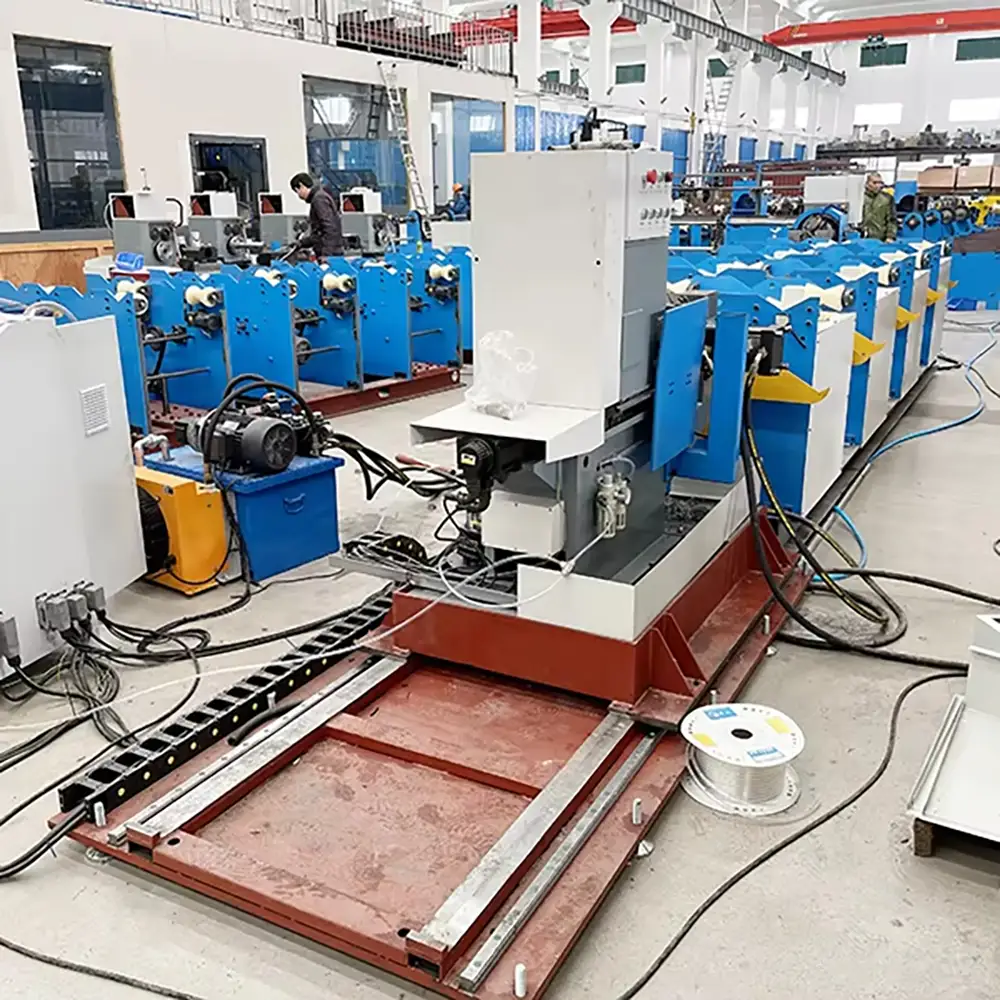
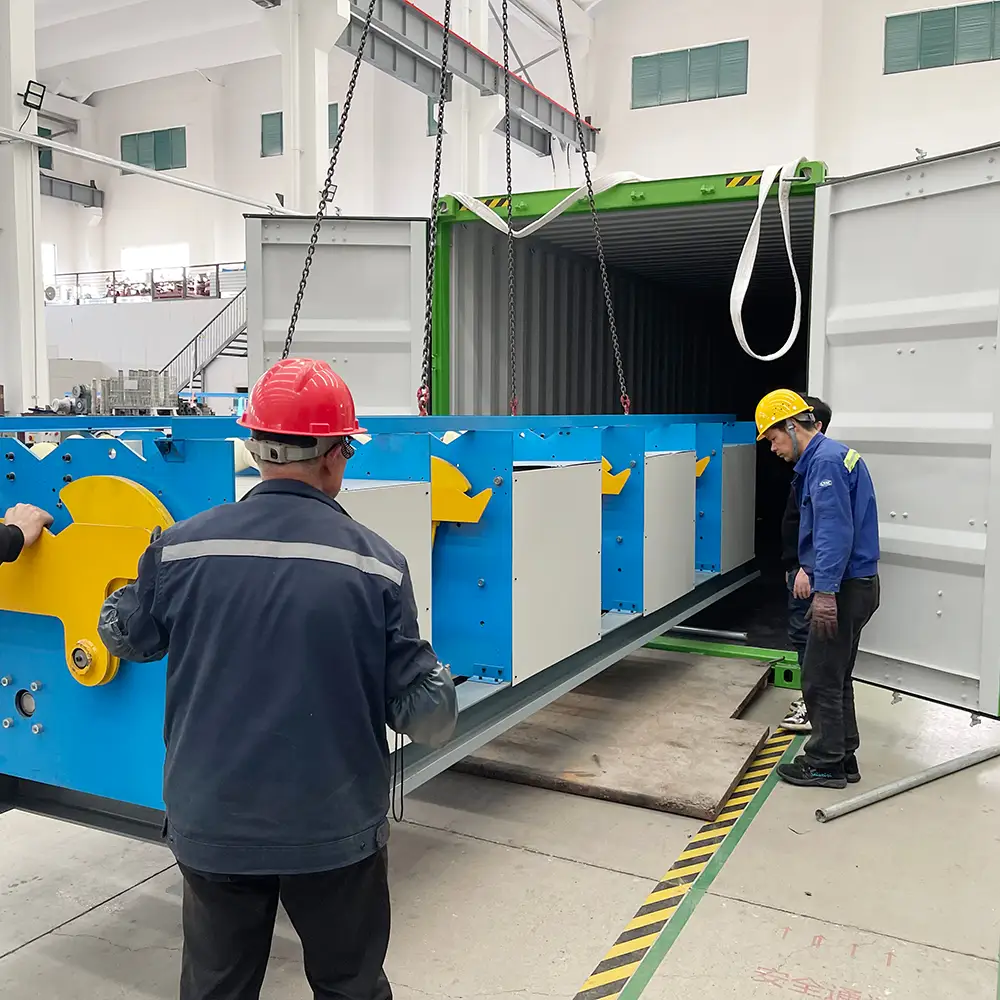
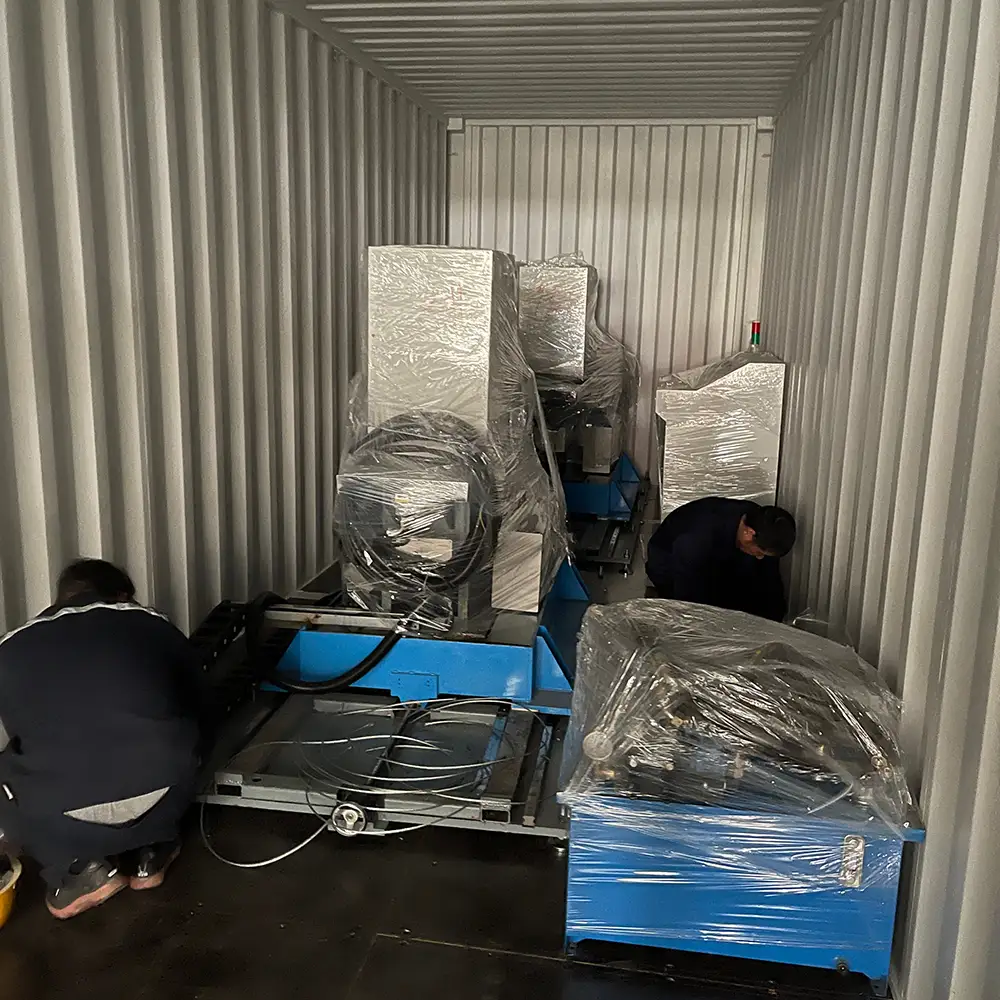
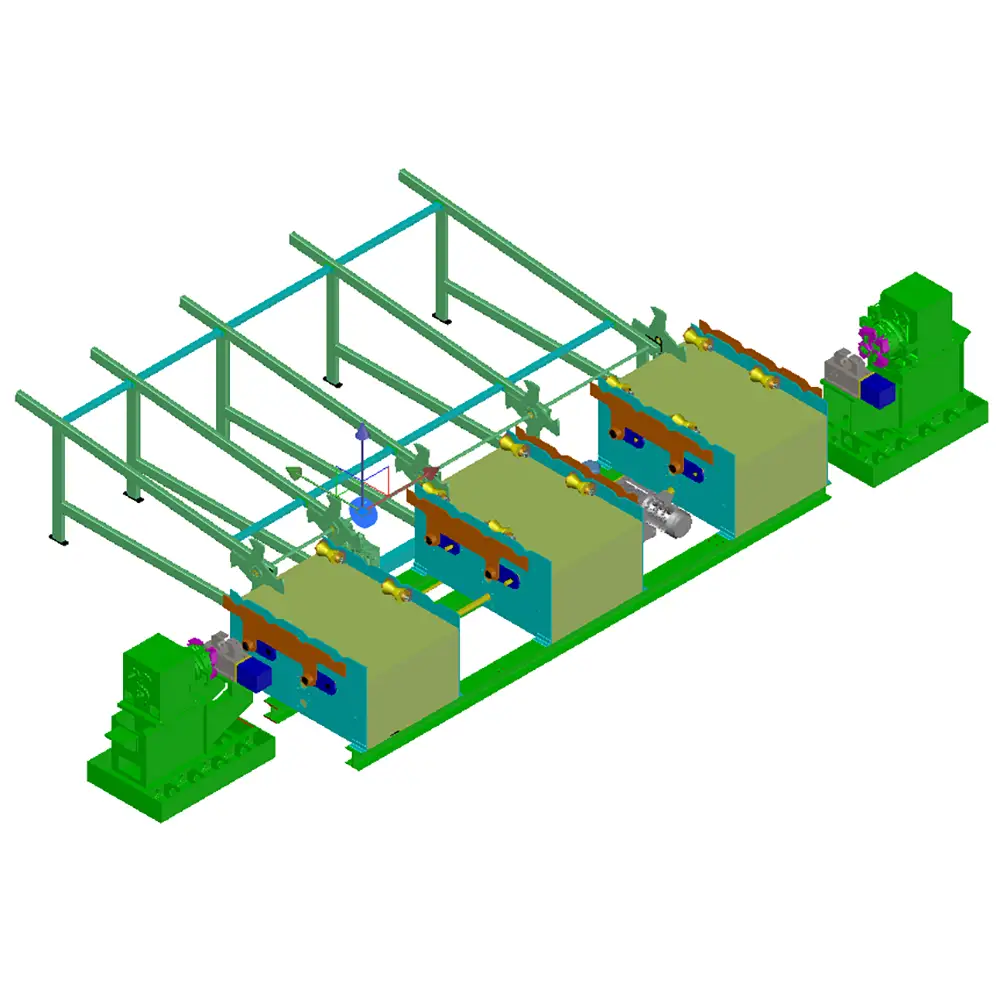
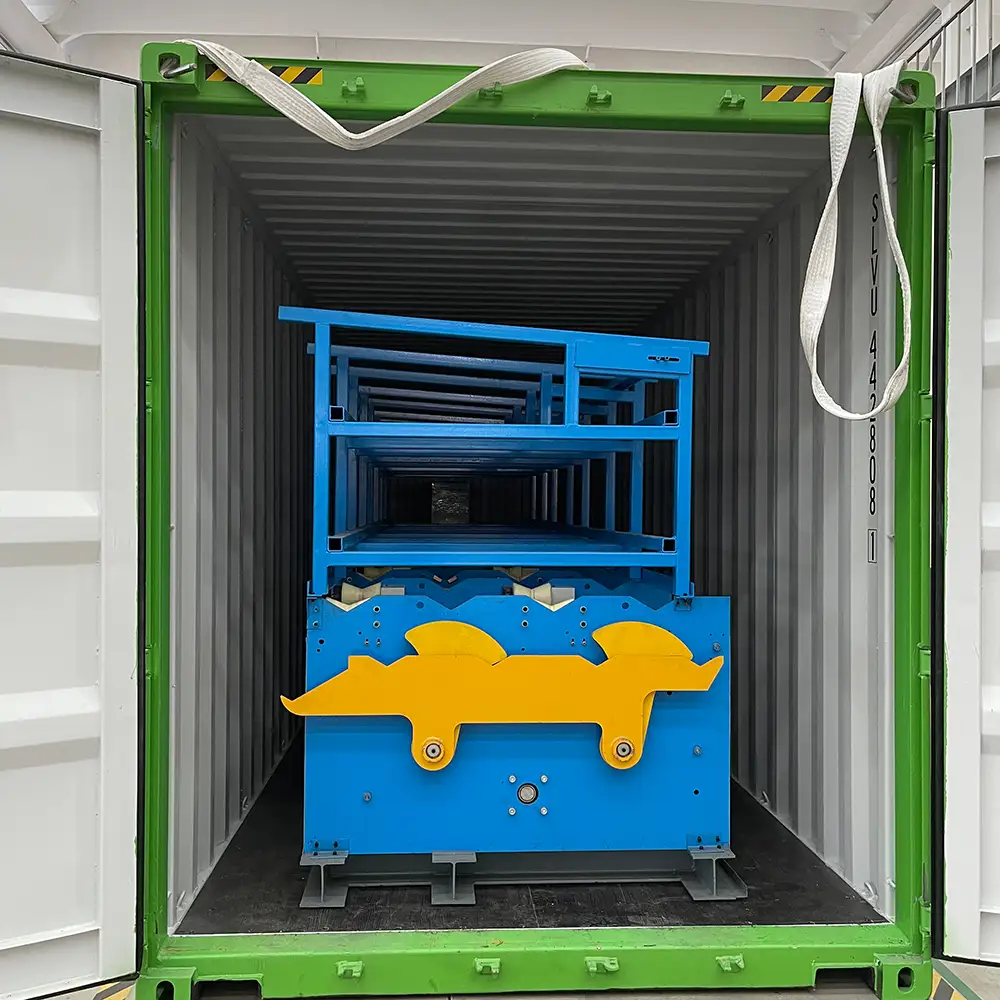
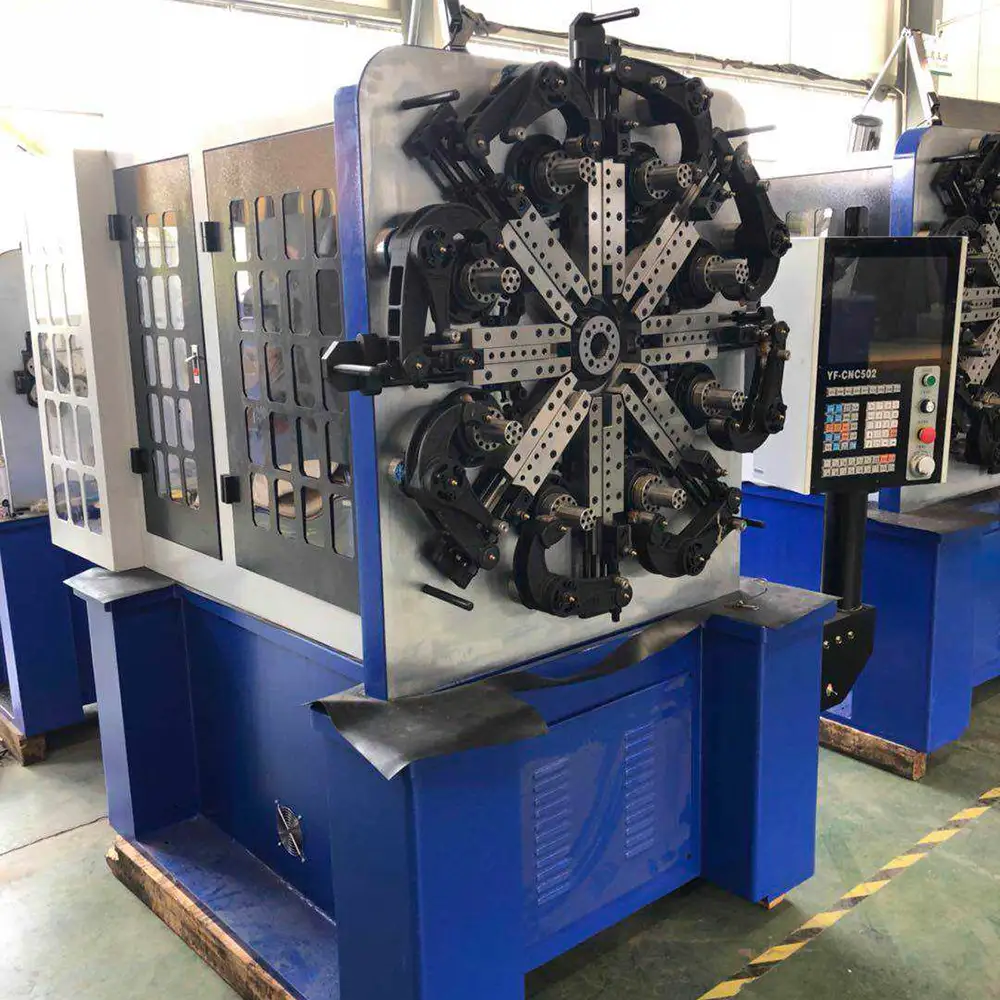
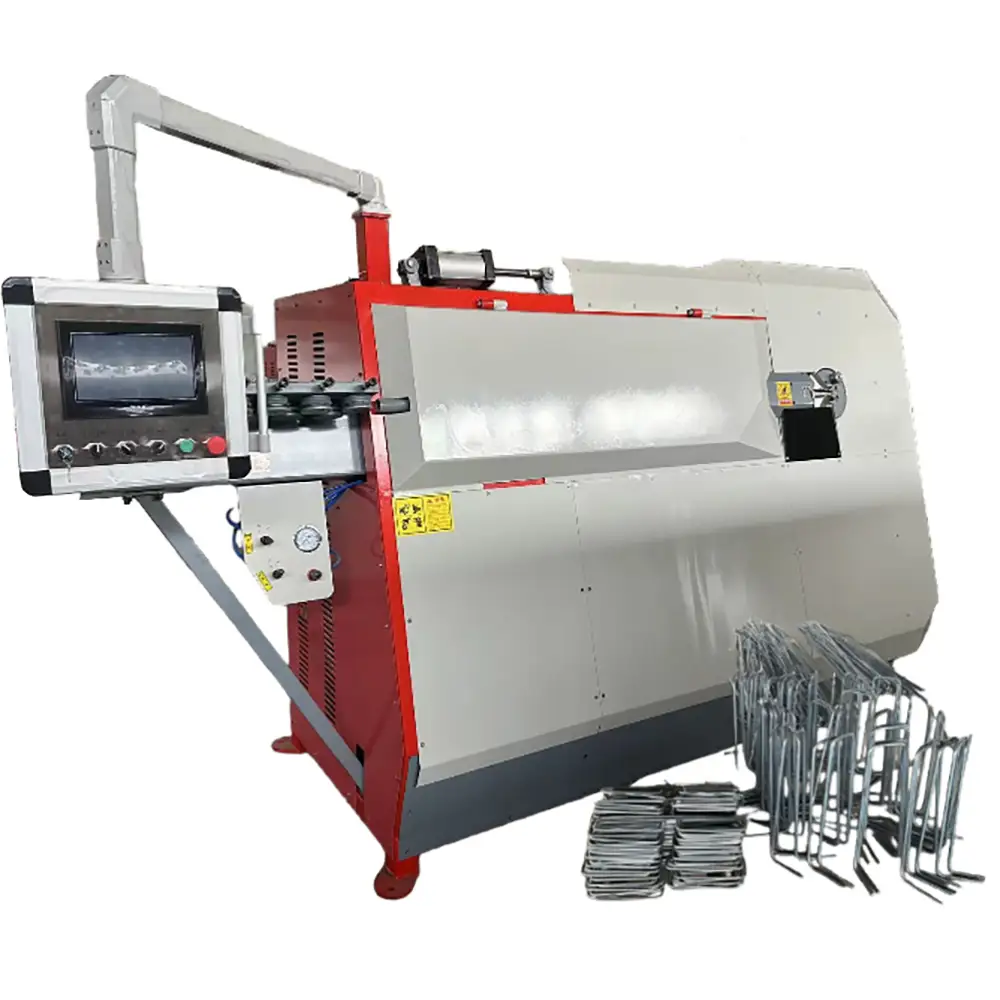
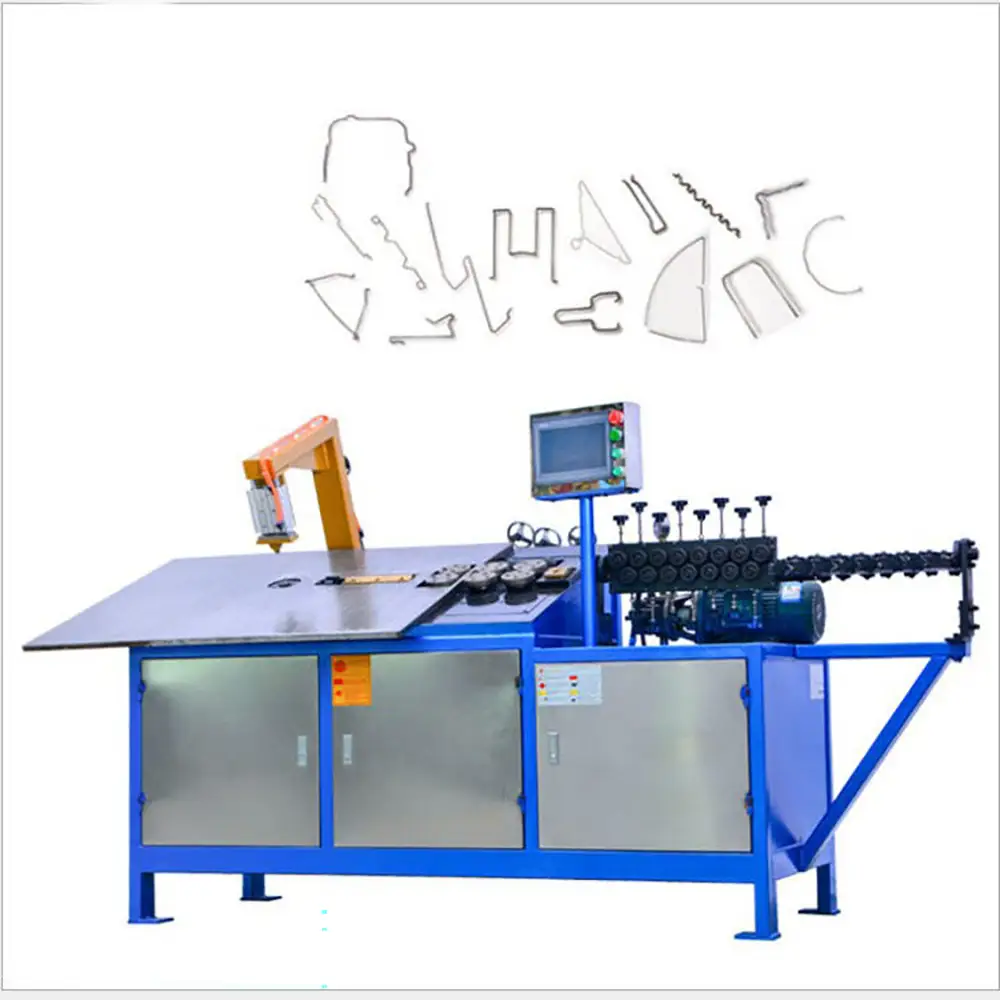
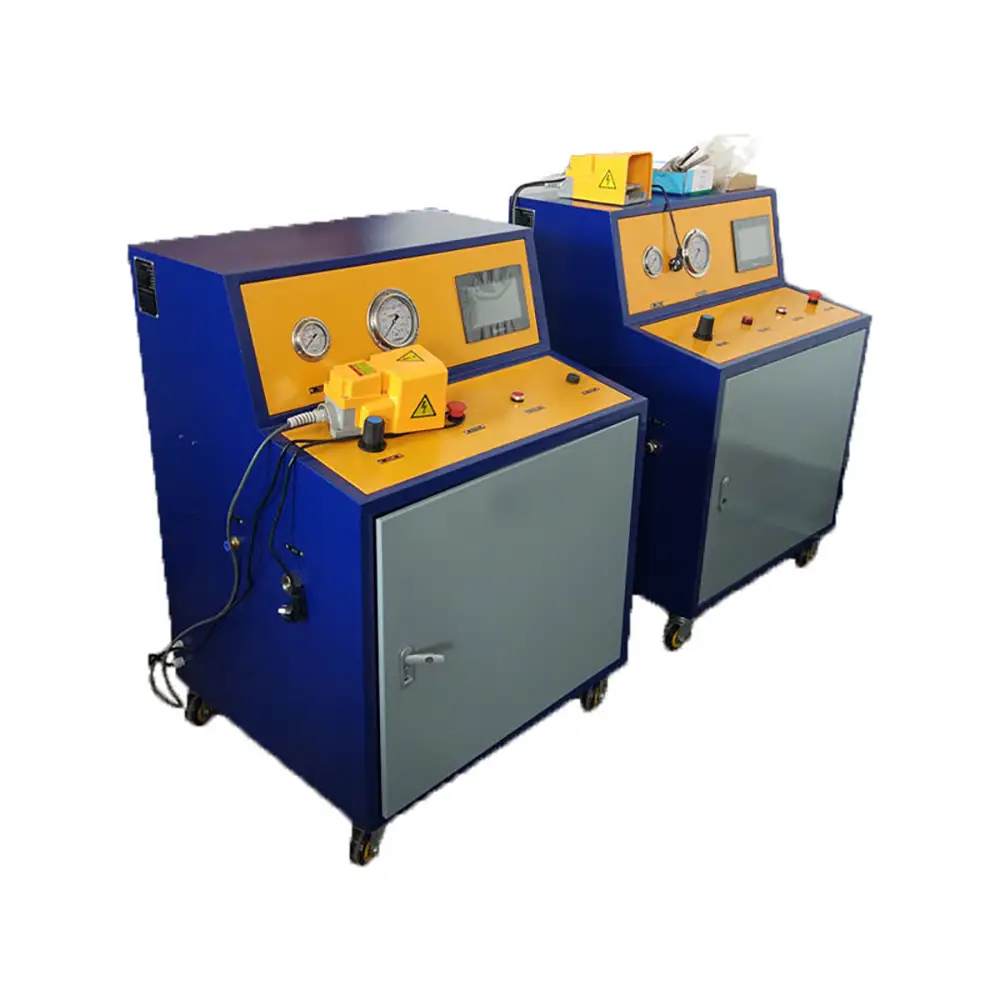
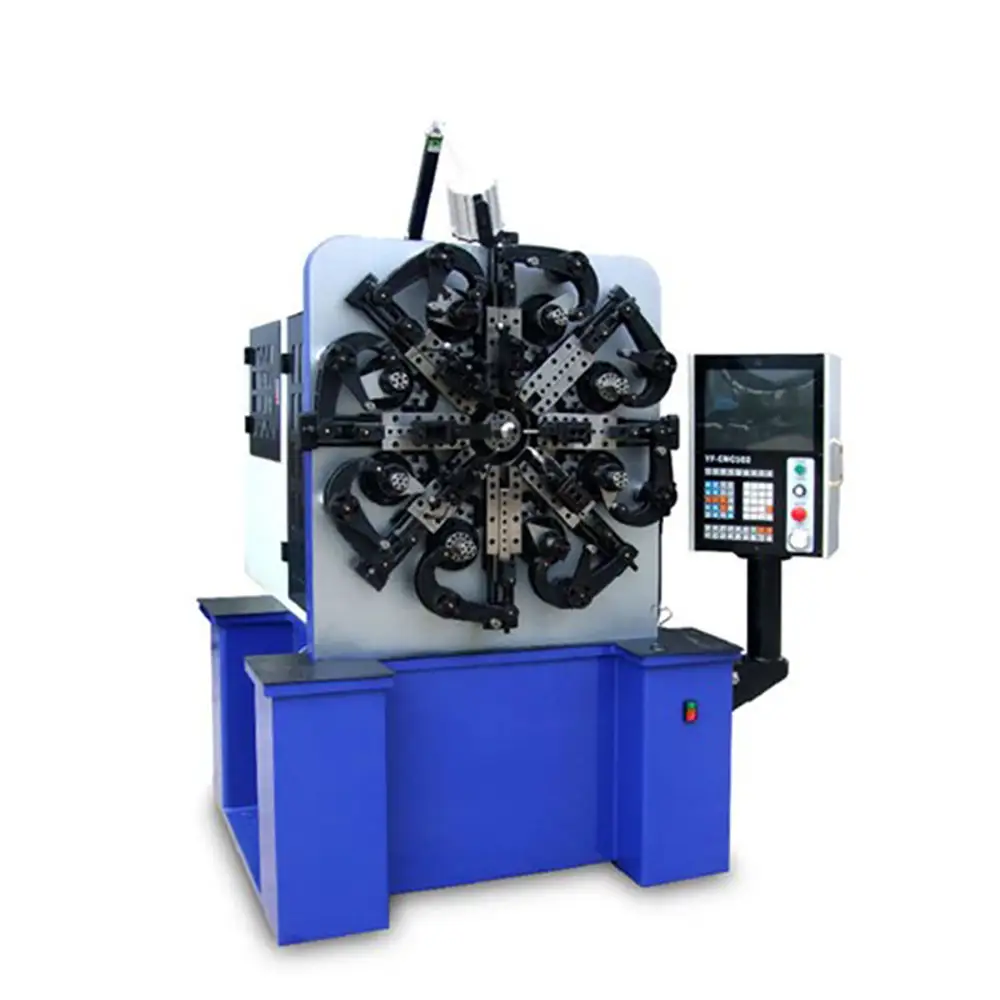
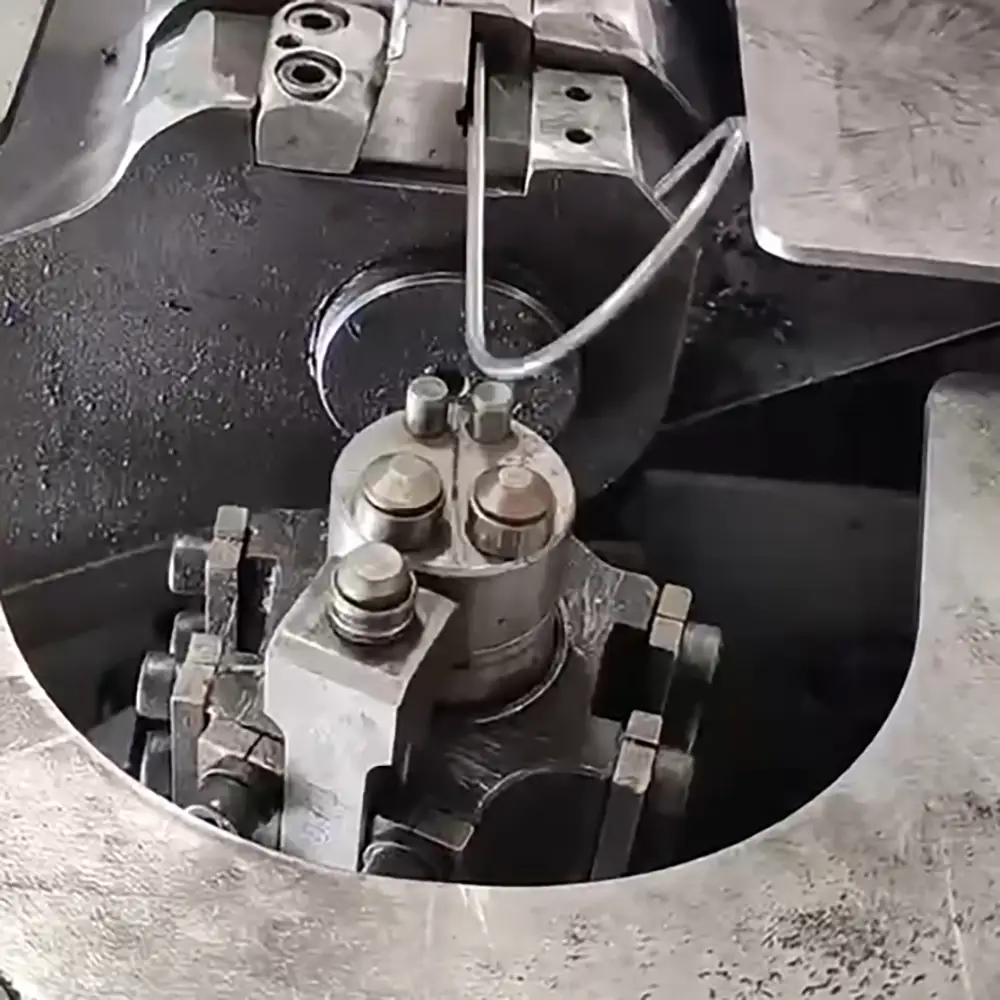
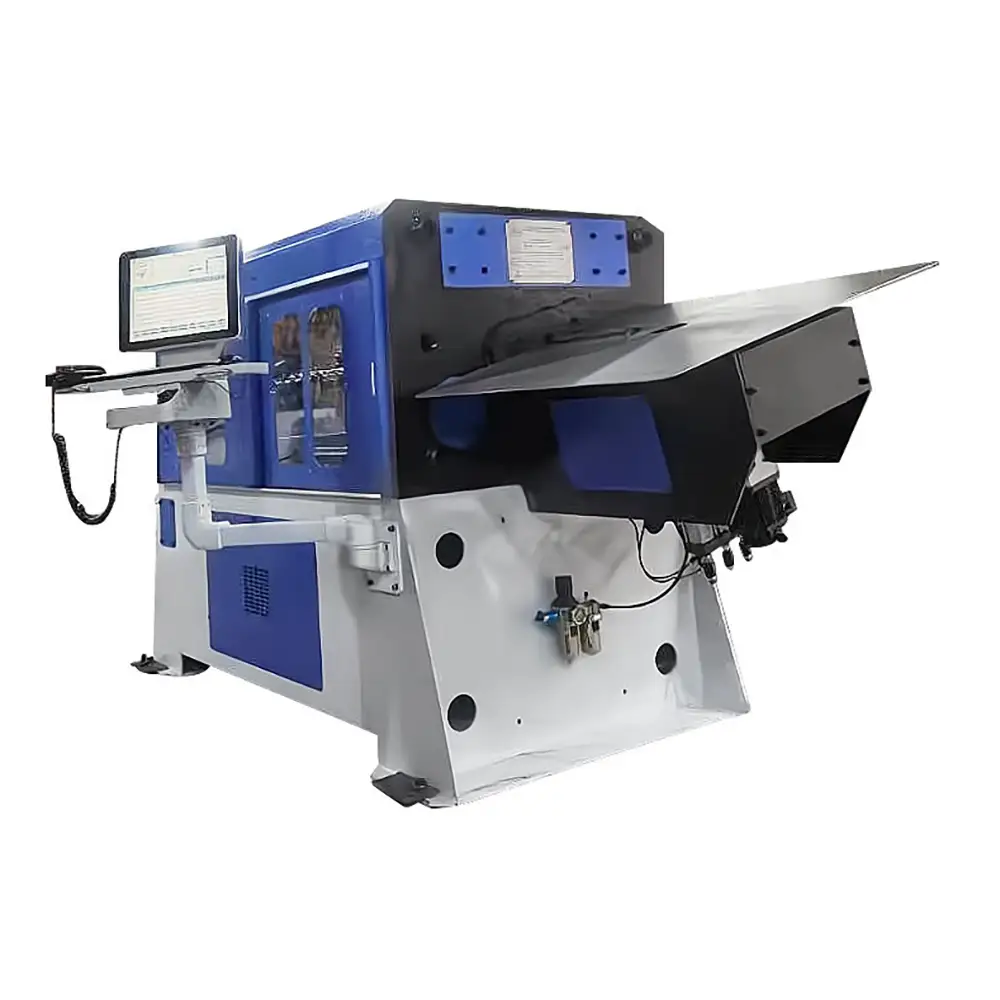
High Precision Threading: Ensures precise and uniform threads for better performance.
Stainless Steel Construction: Durable and resistant to corrosion for long-lasting use.
Efficient Operation: Automates the threading process for time-saving and accuracy.
User-Friendly Controls: Easy to operate with multiple control buttons.
Carbon Steel Compatibility: Suitable for various carbon steel fire tubes.
Automatic End Threading Machine for Stainless Steel, Carbon Steel and Fire Tubes
The Automatic End Threading Machine is an industrial tube and pipe processing machine designed to efficiently produce threads on the ends of stainless steel tubes, carbon steel pipes, fire tubes, and other compatible metal tubular workpieces. It provides a practical solution for manufacturers that require consistent and repeatable pipe-end threading for fittings, connections, assembly, and downstream fabrication.
Threading is an important operation in the production of pipes and tubes used in construction, fire protection, plumbing, HVAC, mechanical systems, industrial equipment, and fluid-handling applications. A properly formed thread allows tubes or pipes to connect securely with threaded fittings and components.
Compared with manual pipe threading tools, an automatic end threading machine can improve production efficiency and reduce repetitive operator work. It is particularly suitable for manufacturers processing batches of similar tube or pipe components.
Automatic Tube End Threading
The primary function of the machine is to create a threaded section at the end of a metal tube or pipe. The workpiece is positioned and secured before the threading operation begins. The machine then performs the required cutting or forming operation according to the selected tooling and process parameters.
Automatic operation can help improve repeatability between workpieces. This is especially useful when a manufacturer needs to produce large quantities of threaded tubes with consistent thread dimensions.
The exact threading method, tube diameter range, thread specifications, cycle time, and automation level depend on the machine model and tooling configuration.
Stainless Steel Tube Threading
Stainless steel tubes are widely used in applications where corrosion resistance and durability are important. They are found in industrial piping systems, equipment manufacturing, food processing, chemical-related applications, fire protection systems, and architectural installations.
Threading stainless steel requires suitable cutting tools and controlled machining conditions. Proper tooling selection helps reduce excessive tool wear and improves thread quality.
The machine can be configured for compatible stainless steel tubes according to their diameter, wall thickness, material grade, and required thread specification.
Carbon Steel Pipe Threading
Carbon steel pipes are commonly used in construction, industrial piping, fire protection, water systems, mechanical equipment, and structural applications.
The Automatic End Threading Machine can be used to process compatible carbon steel pipes and create threaded ends for connection with fittings, couplings, valves, and other components.
Carbon steel generally offers good machinability, but cutting conditions still need to be matched to the pipe specification and tooling. Proper workpiece clamping is also important for maintaining accurate thread geometry.
Fire Tube and Fire Protection Applications
Fire protection systems frequently use metal pipes and tubes that require threaded ends for connection with fittings and other piping components.
The machine can support compatible fire tube or fire protection pipe processing where threaded connections are part of the system design.
Threaded tube production may be used for components such as:
Fire protection piping
Sprinkler system pipes
Fire pump connections
Coupling assemblies
Threaded pipe sections
Industrial fire safety systems
The actual thread specification must be selected according to the applicable engineering requirements and customer specifications.
Industrial Pipe Threading Process
A typical production workflow may include:
Cutting the tube or pipe to the required length.
Removing burrs from the cut end.
Positioning the workpiece.
Securing the pipe with the appropriate clamping system.
Installing the required threading tool.
Setting the processing parameters.
Starting the automatic threading cycle.
Inspecting the finished thread.
Cleaning the workpiece and removing chips.
The exact sequence can vary depending on the machine configuration and threading technology.
Proper preparation of the tube end is important. Uneven cutting, excessive burrs, contamination, or incorrect positioning can affect the final thread quality.
Tube and Pipe End Processing
End threading is one of several common tube-end processing operations used in metal fabrication.
Depending on the production line, threaded tube ends may be processed after cutting and before additional operations such as bending, flaring, deburring, coating, or assembly.
An automatic threading machine can help manufacturers establish a dedicated and repeatable production stage for threaded tube components.
For factories producing large quantities of pipes with similar specifications, automation can reduce the amount of manual handling required between workpieces.
Thread Quality and Accuracy
Thread quality is important because threaded pipe connections depend on proper engagement between mating components.
Factors that can affect thread quality include:
Pipe material
Tube diameter
Wall thickness
Tool condition
Thread specification
Cutting speed
Feed rate
Workpiece alignment
Clamping stability
Lubrication or cutting fluid
Regular inspection of the threaded section can help identify dimensional variation, damaged threads, incomplete threads, or excessive burrs.
For production applications, manufacturers should establish suitable processing parameters through sample testing and inspection before full-scale production.
Suitable Tube Materials
The machine is primarily intended for compatible metal tubes and pipes, including stainless steel and carbon steel.
Depending on the specific configuration and tooling, other metal materials may also be suitable.
When requesting machine specifications, buyers should provide the exact tube material, material grade if applicable, outside diameter, wall thickness, tube length, and required thread standard.
This information allows the machine and tooling to be matched more accurately to the application.
Applications Across Multiple Industries
Fire Protection
Threaded pipes are widely used in fire sprinkler and fire protection systems where threaded connections are specified.
Plumbing
Metal pipes with threaded ends can be used with fittings, valves, couplings, and other plumbing components.
HVAC
Tube and pipe threading may be required for selected heating, ventilation, and air-conditioning equipment and installation systems.
Industrial Piping
Factories producing industrial piping components can use automatic threading equipment for compatible pipe sizes and materials.
Mechanical Equipment
Threaded tubes may be incorporated into machinery, fluid systems, equipment frames, and other industrial assemblies.
Construction
Construction-related piping applications often require standardized threaded connections for installation and maintenance.
Production Efficiency
Automatic operation can provide significant workflow advantages for manufacturers producing repeated tube and pipe components.
Instead of relying entirely on manual threading tools, operators can use a dedicated machine to establish a more standardized production process.
Potential advantages include:
Reduced repetitive manual labor
Improved production consistency
Faster batch processing
More standardized thread dimensions
Easier production planning
Reduced operator dependency
Better integration with tube processing lines
Actual production capacity depends on tube dimensions, thread type, machine configuration, operator workflow, and processing requirements.
Tooling and Thread Standards
Threading tooling should be selected according to the required thread profile and pipe specification. Different markets and applications may use different thread standards.
Buyers should clearly specify the required thread type when ordering the machine. This may include the relevant pipe thread standard, diameter, pitch, thread length, and other dimensional requirements.
Custom tooling may be considered for specialized applications depending on the machine design.
Maintenance
Regular maintenance helps maintain reliable threading performance. Operators should keep the workholding system, tooling area, and machine surfaces clean and free from excessive metal chips.
Threading tools should be inspected regularly for wear. Damaged or worn tools can produce poor thread quality and increase production costs.
Lubrication and cutting-fluid requirements should follow the manufacturer's recommendations for the specific machine and material being processed.
Why Choose Us
Automatic End Threading
Designed for efficient and repeatable threading of compatible tube and pipe ends.
Multiple Metal Materials
Suitable for stainless steel, carbon steel, and other compatible metal tubes.
Fire Tube Applications
Supports production requirements for compatible fire protection pipe components.
Industrial Production Design
Suitable for factories, tube manufacturers, pipe processors, and fabrication companies.
Consistent Thread Quality
Controlled machining helps improve repeatability between production batches.
Reduced Manual Labor
Automatic operation reduces repetitive manual threading work.
Flexible Tooling
Threading tools can be selected according to tube dimensions and required thread specifications.
Wide Application Range
Suitable for fire protection, plumbing, HVAC, construction, industrial piping, and mechanical applications.
B2B Manufacturing Solution
Suitable for manufacturers, distributors, engineering companies, and international buyers.
Application-Based Support
Machine selection can be matched to material, pipe size, wall thickness, thread standard, and production volume.
Frequently Asked Questions
1. What is an automatic end threading machine?
It is a machine designed to create threads on the ends of compatible metal tubes or pipes for connection with threaded fittings, couplings, valves, and other components.
2. Can it thread stainless steel tubes?
Yes. Stainless steel tube threading is one of the intended applications when the machine is equipped with suitable tooling.
3. Can it process carbon steel pipes?
Yes. Compatible carbon steel pipes can be threaded according to the machine's specified diameter and tooling range.
4. Is it suitable for fire protection pipes?
Yes. It can be used for compatible fire protection or fire tube applications where threaded pipe connections are required.
5. What tube sizes can the machine process?
The applicable diameter range depends on the specific model and tooling configuration. Buyers should provide the tube outside diameter and wall thickness for confirmation.
6. What thread standards can be produced?
The available thread standards depend on the machine design and tooling. Buyers should specify the required thread type, diameter, pitch, and thread length when ordering.
7. Is the threading process automatic?
The machine is designed for automatic end threading, although the actual level of automation depends on the specific configuration and production setup.
8. Can it thread both ends of a pipe?
This depends on the machine configuration and production workflow. Some systems may process one end at a time, while specialized configurations can support additional end-processing requirements.
9. Can the machine process different materials?
Yes. Stainless steel and carbon steel are typical materials. Other materials should be confirmed based on machine capability and tooling.
10. How can thread quality be maintained?
Proper tube preparation, stable clamping, suitable tooling, correct cutting parameters, and regular tool inspection are important for maintaining consistent thread quality.
11. Does the machine require cutting fluid?
The requirement depends on the threading method, material, tooling, and machine design. Follow the manufacturer's recommended cutting and lubrication procedures.
12. Can the machine be integrated into a production line?
Yes, depending on the machine configuration. It can be incorporated into workflows involving tube cutting, deburring, bending, forming, coating, and assembly.
13. Can customized tooling be supplied?
Customized tooling may be available depending on the required tube dimensions, thread profile, material, and machine configuration. Buyers should provide detailed technical requirements for evaluation.
Prev:
3D Wire Bending Machine for Horticultural Flower Pot Holders
Next:
Multi-Metal Tube Flaring Machine 380V 6kW for Copper Aluminum Stainless Steel
TAG:
Pipe End Processing Machine,
Tube End Processing Machine,
Tube End Forming Machine,
Pipe End Forming Machine,
Pipe Threading Machine,
Tube Threading Machine,
Metal Tube Threading Machine,
Automatic Metal Tube Processing Machine,
Industrial Tube Processing Machine,
Stainless Steel Threading Machine,
Carbon Steel Threading Machine,
Carbon Steel Pipe Threading Machine,
Pipe Threading Equipment,
Pipe Thread Cutting Machine,
Precision Pipe Threading Machine,
Metal Pipe Threading Machine,
Stainless Steel Tube Threading Machine,
Stainless Steel Pipe Threading Machine,
Plumbing Pipe Threading Machine,
Industrial Pipe Threading Machine,
Pipe End Threading Machine,
Industrial Pipe Threading Equipment,
Steel Pipe Threading Machine,
Fire Protection Pipe Threading Machine,
Fire Sprinkler Pipe Threading Machine,
Automatic Steel Pipe Threading Machine,
Automatic Pipe Threading Machine,
Automatic Pipe Threading Equipment,
Metal Pipe Threading Equipment,
Automatic Tube Threading Machine,
Related Category:
Automatic End Threading Machine, Tube End Threading Machine, Pipe Threading Machine China, suppliers, manufacturers, factory, customized, wholesale, quotation, made in China