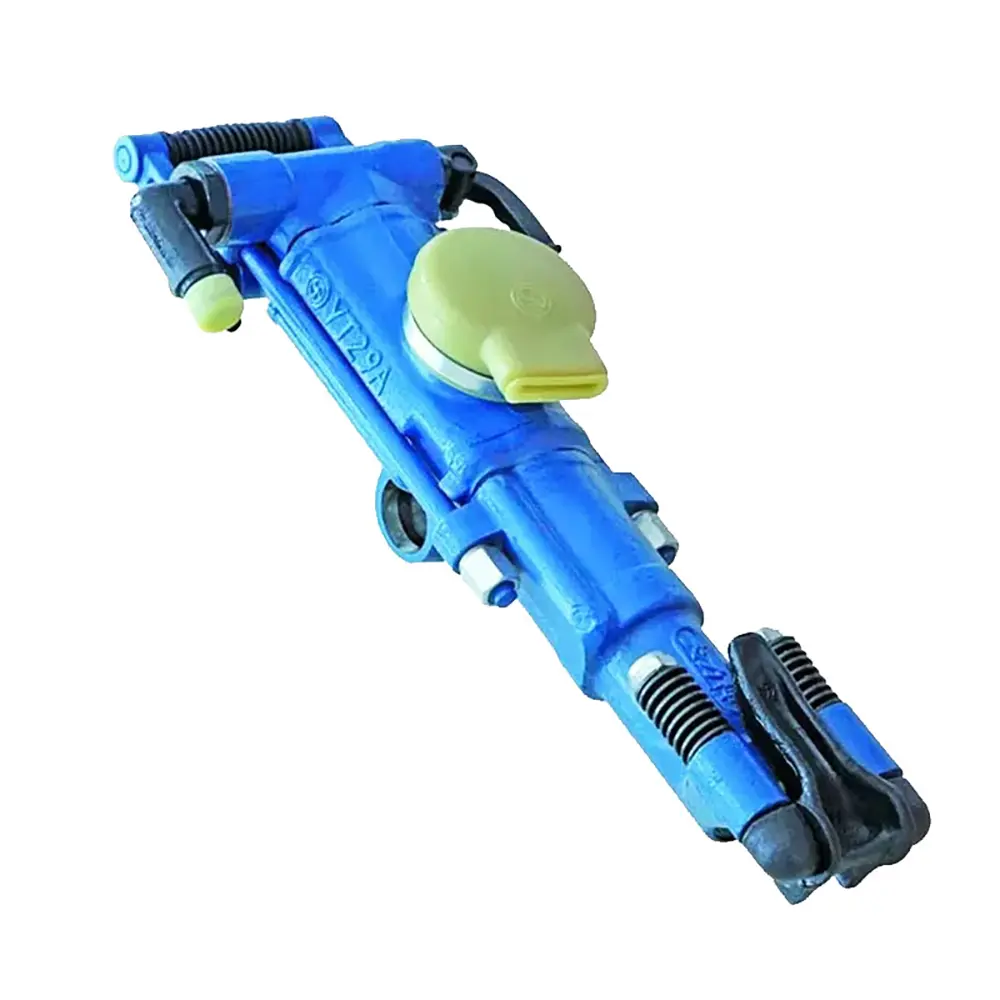
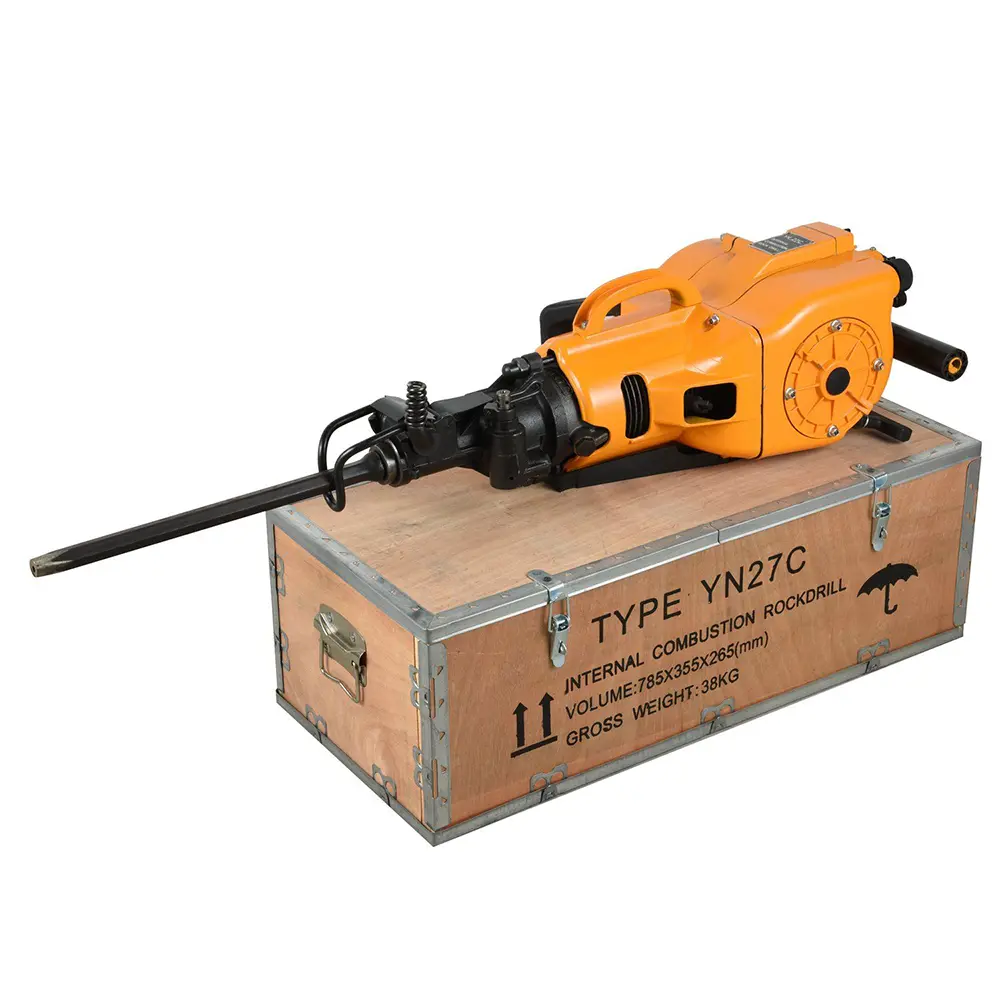
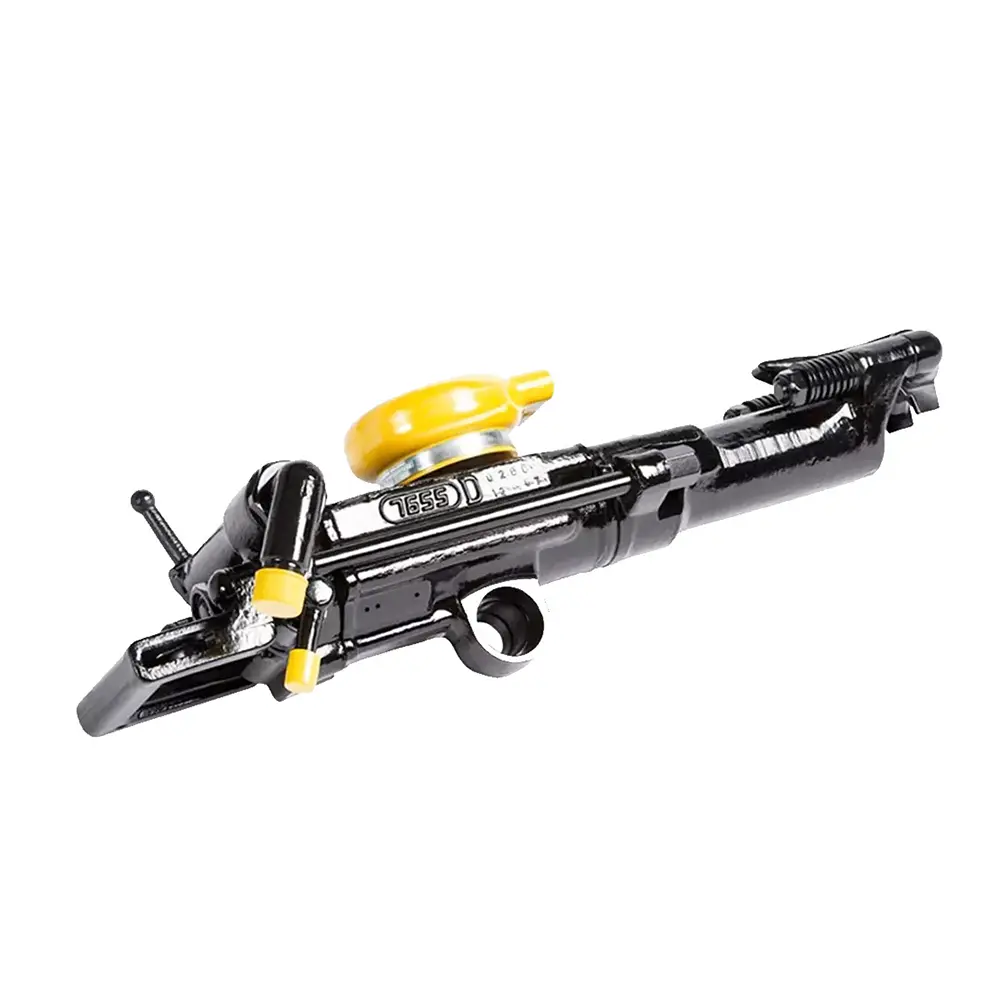
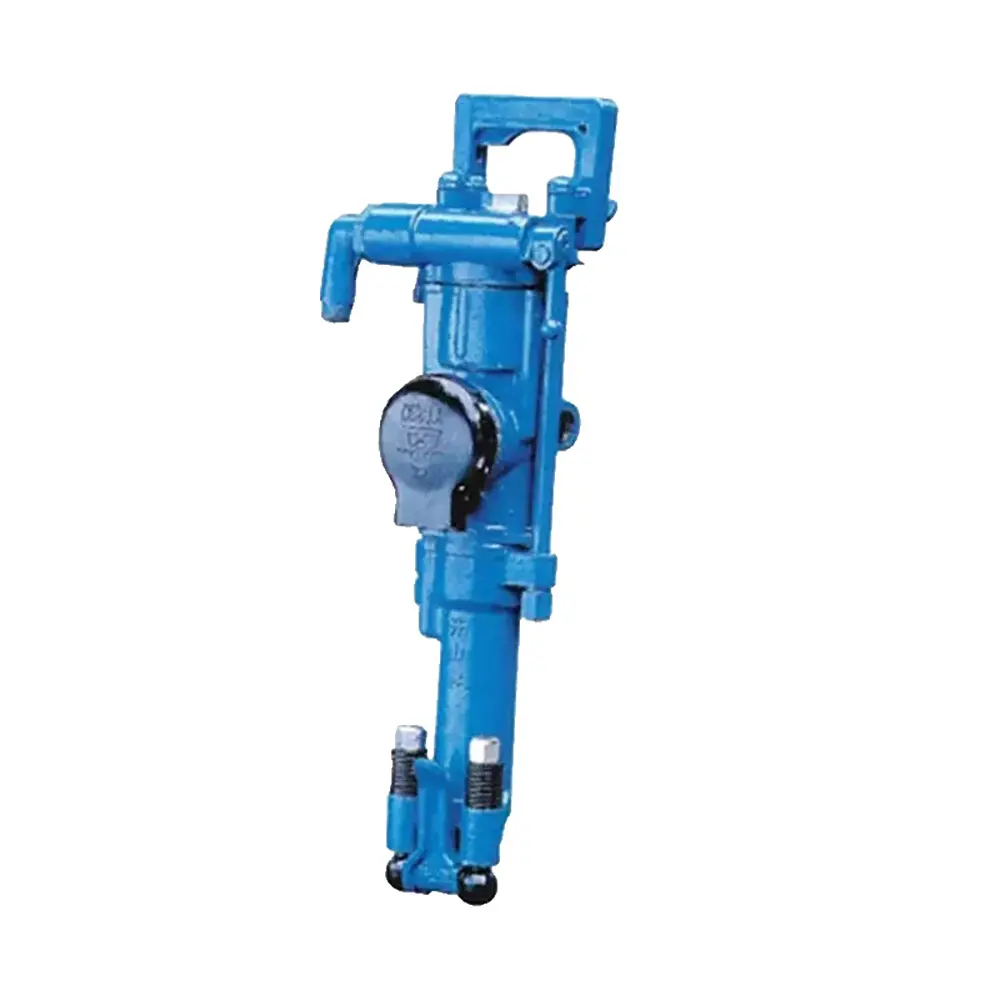
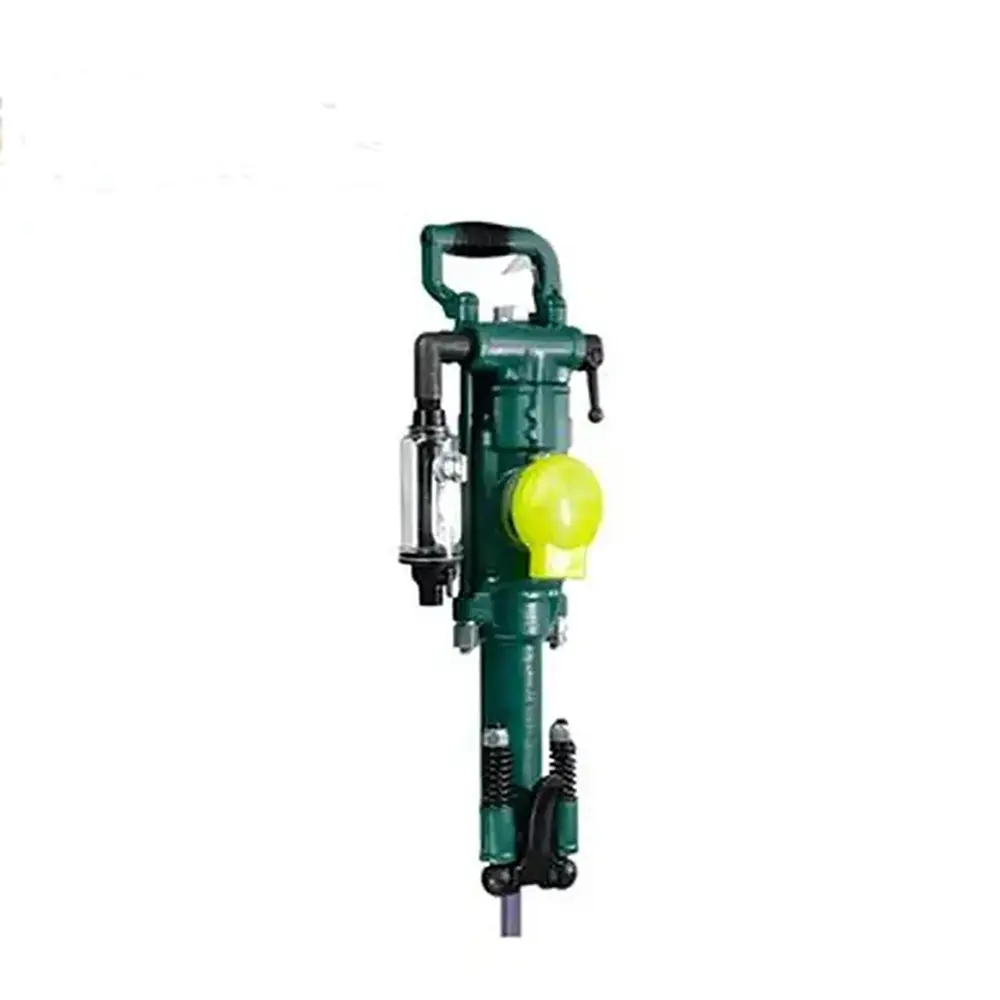
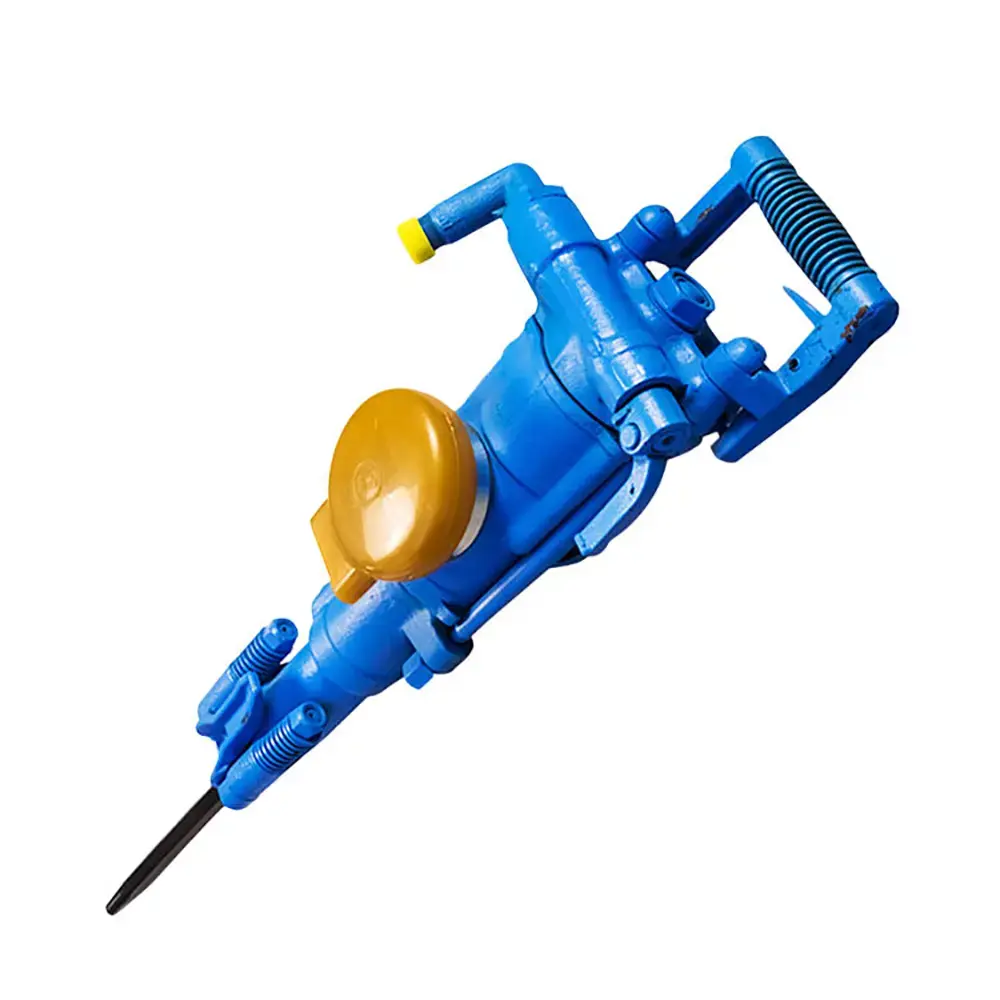
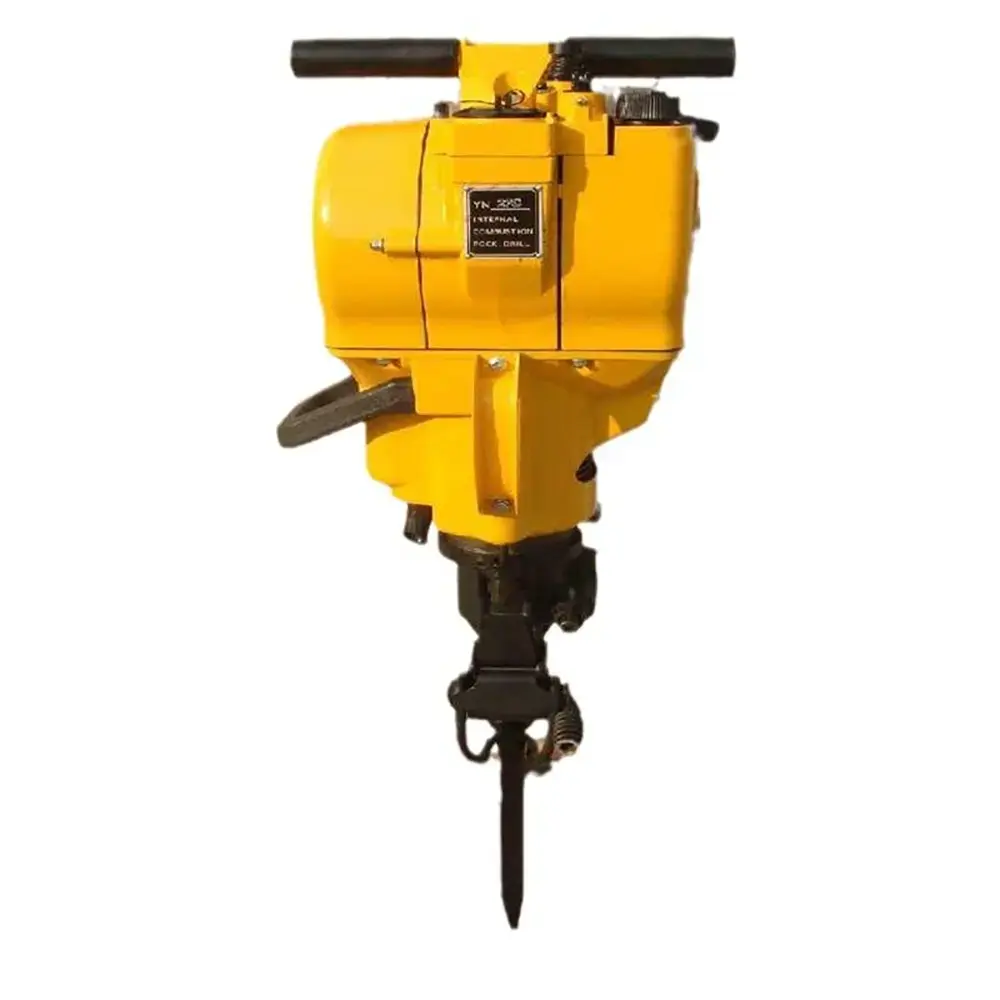
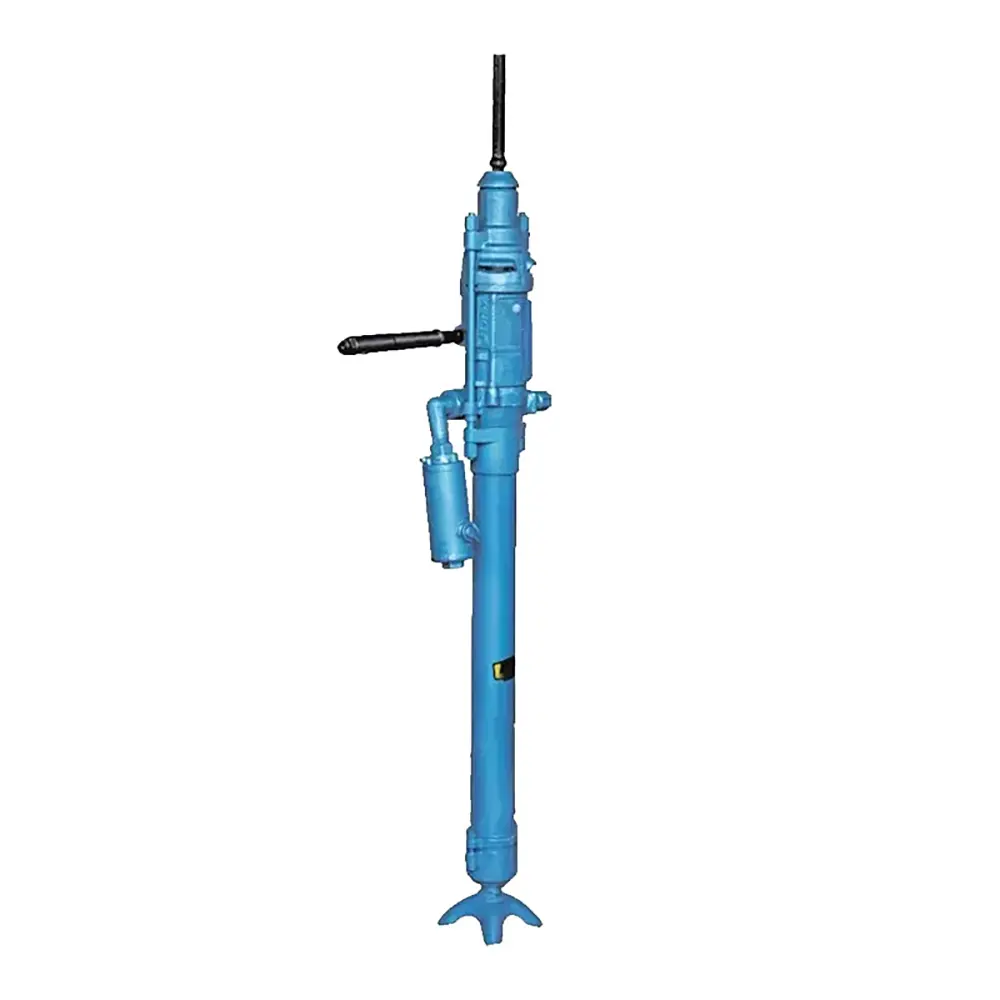
YT29 Rock Drill is a kind of high efficiency air leg rock drill machine.
It is mainly used for blasting holes and other drilling works in a quarries, railway construction, water conservancy construction and national defense project facility.
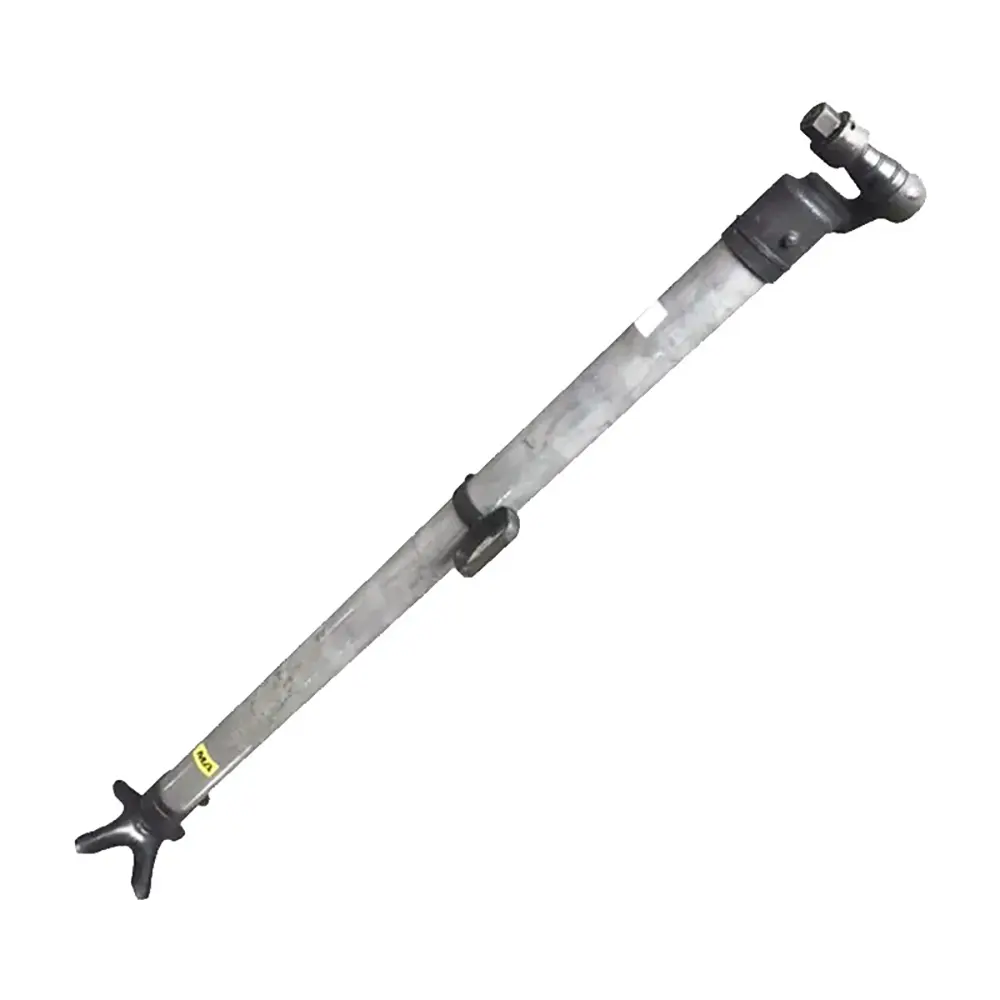
When it is matched with Model FY250 Oil reservoir and Model FT160A or FT160B Air-leg , pusher leg YT29 for mining blasting hole is suitable for wet drilling under various of rocks at aclinic and incline orientation,it can also use in the trolley without Air-leg.
Rock Drill
Professional Rock Drilling Equipment For Mining, Quarrying And Construction
A Rock Drill is one of the most important pieces of equipment in mining, quarrying, tunneling, geological exploration, and civil engineering industries. Designed to break and penetrate hard rock formations, rock drills use percussion and rotary drilling technology to create blast holes, anchor holes, exploration holes, and construction boreholes.
Modern rock drills combine powerful impact energy, efficient rotation systems, durable materials, and advanced engineering to maximize drilling productivity while minimizing operational costs.
Whether used in underground mines, open-pit quarries, tunnel construction projects, or foundation engineering, rock drills provide reliable performance under the most demanding working conditions.
What Is A Rock Drill?
A rock drill is a specialized drilling machine that breaks rock through repeated high-energy impacts combined with rotational movement.
The drill bit strikes the rock surface thousands of times per minute while rotating continuously, creating efficient penetration into hard formations.
Rock drills are commonly powered by:
Compressed air
Hydraulic systems
Electric motors
Hydraulic-pneumatic combinations
Depending on the application, different types of rock drills are available to meet varying drilling requirements.
How Does A Rock Drill Work?
The basic operating principle of a rock drill involves transferring impact energy from a piston to a drill steel and drill bit.
Working Process
Step 1: Power Generation
Compressed air or hydraulic pressure drives the internal piston.
Step 2: Percussion Action
The piston repeatedly strikes the drill shank.
Step 3: Energy Transfer
Impact energy transfers through the drill steel to the drill bit.
Step 4: Rock Breaking
The drill bit crushes and fractures the rock.
Step 5: Rotation
The drill rod rotates after each impact to distribute energy evenly.
Step 6: Debris Removal
Compressed air or water removes drilling dust and cuttings from the hole.
This process creates fast and efficient rock penetration.
Main Types Of Rock Drills
Pneumatic Rock Drill
Pneumatic rock drills use compressed air as the power source.
Advantages
Reliable operation
Simple maintenance
Suitable for underground mining
Cost-effective
Applications
Mining
Quarrying
Tunnel excavation
Construction projects
Hydraulic Rock Drill
Hydraulic rock drills use hydraulic oil pressure to generate impact force.
Advantages
Higher drilling efficiency
Lower energy consumption
Reduced noise
Increased productivity
Applications
Modern drilling rigs
Jumbo drilling machines
Underground mining equipment
Jack Hammer Rock Drill
Portable rock drills commonly used for demolition and construction.
Suitable For
Concrete breaking
Pavement removal
Road maintenance
Light excavation
Air Leg Rock Drill
Equipped with an air-powered support leg.
Advantages
Reduced operator fatigue
Better drilling stability
Higher productivity
Widely used in underground mining.
Stoper Rock Drill
Designed specifically for upward drilling applications.
Suitable For
Roof bolting
Raise development
Shaft excavation
Tunnel support installation
Key Components Of A Rock Drill
Drill Body
Provides structural support and houses internal components.
Piston
Generates percussion energy.
Valve System
Controls air or hydraulic flow.
Rotation Mechanism
Rotates the drill steel during operation.
Drill Steel
Transfers impact energy to the drill bit.
Drill Bit
Directly contacts and breaks the rock.
Lubrication System
Reduces wear and extends equipment life.
Benefits Of Using A Professional Rock Drill
High Drilling Speed
Powerful impact energy improves penetration rates.
Excellent Rock Breaking Performance
Suitable for medium-hard and hard rock formations.
Improved Productivity
Reduces drilling time and increases output.
Reliable Operation
Designed for continuous industrial use.
Reduced Labor Requirements
Modern designs improve operator comfort.
Long Service Life
Durable components withstand harsh working conditions.
Applications Of Rock Drills
Mining Industry
Rock drills are widely used in:
Underground mining
Open-pit mining
Ore extraction
Production drilling
Quarry Operations
Suitable for:
Granite quarrying
Limestone mining
Marble extraction
Aggregate production
Tunnel Construction
Used for:
Tunnel excavation
Support installation
Rock reinforcement
Underground infrastructure
Construction Industry
Applications include:
Foundation drilling
Anchor hole drilling
Slope stabilization
Road construction
Geological Exploration
Rock drills help create exploration holes for:
Mineral prospecting
Geotechnical investigation
Soil analysis
Resource evaluation
Choosing The Right Rock Drill
Selecting the proper rock drill depends on several factors.
Rock Hardness
Harder formations require higher impact energy.
Hole Diameter
Different drill sizes support different hole diameters.
Drilling Depth
Deep drilling requires higher power output.
Working Environment
Consider:
Underground conditions
Surface drilling requirements
Temperature
Dust levels
Power Source Availability
Choose between:
Pneumatic systems
Hydraulic systems
Electric systems
Maintenance Tips For Rock Drills
Proper maintenance helps maximize service life.
Daily Inspection
Check:
Air hoses
Connections
Fasteners
Drill steel
Lubrication
Maintain proper lubrication to reduce wear.
Cleaning
Remove dirt and debris after operation.
Replace Worn Components
Replace drill bits and worn parts promptly.
Follow Operating Guidelines
Proper operation prevents unnecessary damage.
Why Rock Drills Are Essential In Modern Mining
Modern mining operations depend heavily on drilling productivity.
Rock drills provide:
Accurate hole placement
Efficient blasting preparation
Faster excavation
Improved safety
Reduced operating costs
Without reliable rock drilling equipment, mining productivity would be significantly reduced.
Why Choose Us
Professional Drilling Equipment Manufacturer
We specialize in:
Rock drills
DTH drilling rigs
Mining equipment
Quarry machinery
Construction drilling tools
Strict Quality Control
Every machine undergoes comprehensive testing before shipment.
Factory Direct Supply
We offer competitive pricing and dependable product quality.
OEM & ODM Services
Customized solutions are available according to customer requirements.
Global Export Experience
Our drilling equipment serves customers across mining, quarrying, tunneling, and construction industries worldwide.
Professional Technical Support
We provide:
Product recommendations
Installation guidance
Maintenance training
Technical consultation
Reliable Spare Parts Supply
Fast spare parts availability minimizes downtime.
FAQs
1. What is a rock drill used for?
A rock drill is used for drilling holes in rock formations for mining, blasting, tunneling, quarrying, and construction.
2. What are the main types of rock drills?
The most common types are pneumatic, hydraulic, air leg, stoper, and jack hammer rock drills.
3. What power source does a pneumatic rock drill use?
It uses compressed air as its primary power source.
4. Are rock drills suitable for hard rock?
Yes. Professional rock drills are specifically designed for medium-hard and hard rock formations.
5. What industries use rock drills?
Mining, quarrying, construction, tunneling, geological exploration, and infrastructure development.
6. What is an air leg rock drill?
An air leg rock drill uses a pneumatic support leg to improve drilling stability and reduce operator fatigue.
7. What is a stoper drill?
A stoper drill is designed for upward drilling applications such as roof bolting and raise development.
8. How can drilling efficiency be improved?
Using the correct drill bit, maintaining proper lubrication, and matching equipment to rock conditions can improve efficiency.
9. Can rock drills be customized?
Yes. OEM and ODM customization services are available.
10. Do you provide spare parts and technical support?
Yes. We provide comprehensive after-sales support and spare parts supply.
Prev:
YT28 Rock Drill
Next:
YSP45 Upward Rock Drill
TAG:
Hydraulic Drilling Equipment,
Rock Drilling Machine,
Hydraulic Rock Drill,
Mining Rock Drill,
Quarry Rock Drill,
Rock Excavation Equipment,
Geological Drilling Equipment,
Construction Rock Drill,
Hand Held Rock Drill,
Rock Breaking Machine,
Pneumatic Rock Drill,
Underground Rock Drill,
Air Leg Rock Drill,
Underground Mining Equipment,
Hard Rock Drilling Machine,
Jack Hammer Drill,
Blast Hole Drill,
Pneumatic Drill Machine,
Anchor Hole Drill,
Tunnel Rock Drill,
Rock Drill,
Drilling Equipment,
Mining Drill Machine,
Stoper Rock Drill,
Related Category:
Rock Drill,Pneumatic Rock Drill,Hydraulic Rock Drill,Mining Rock Drill China, suppliers, manufacturers, factory, customized, wholesale, quotation, made in China