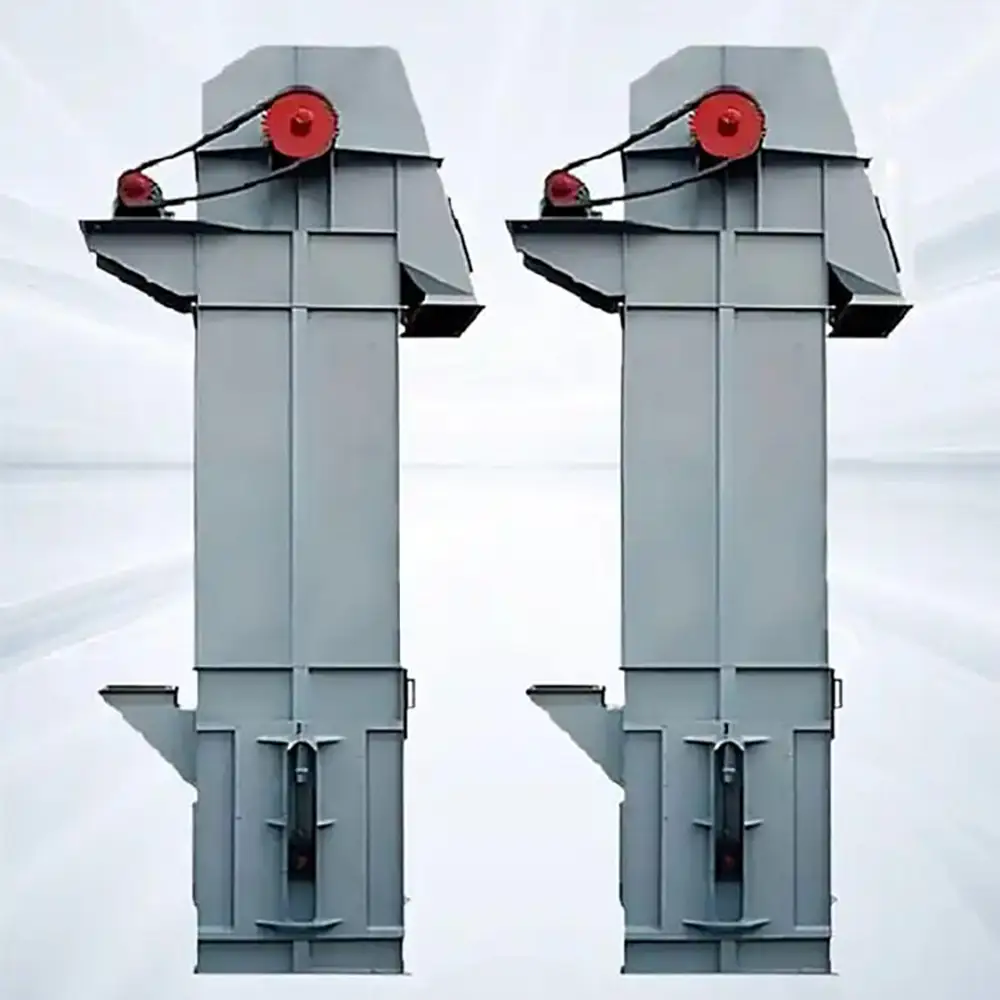
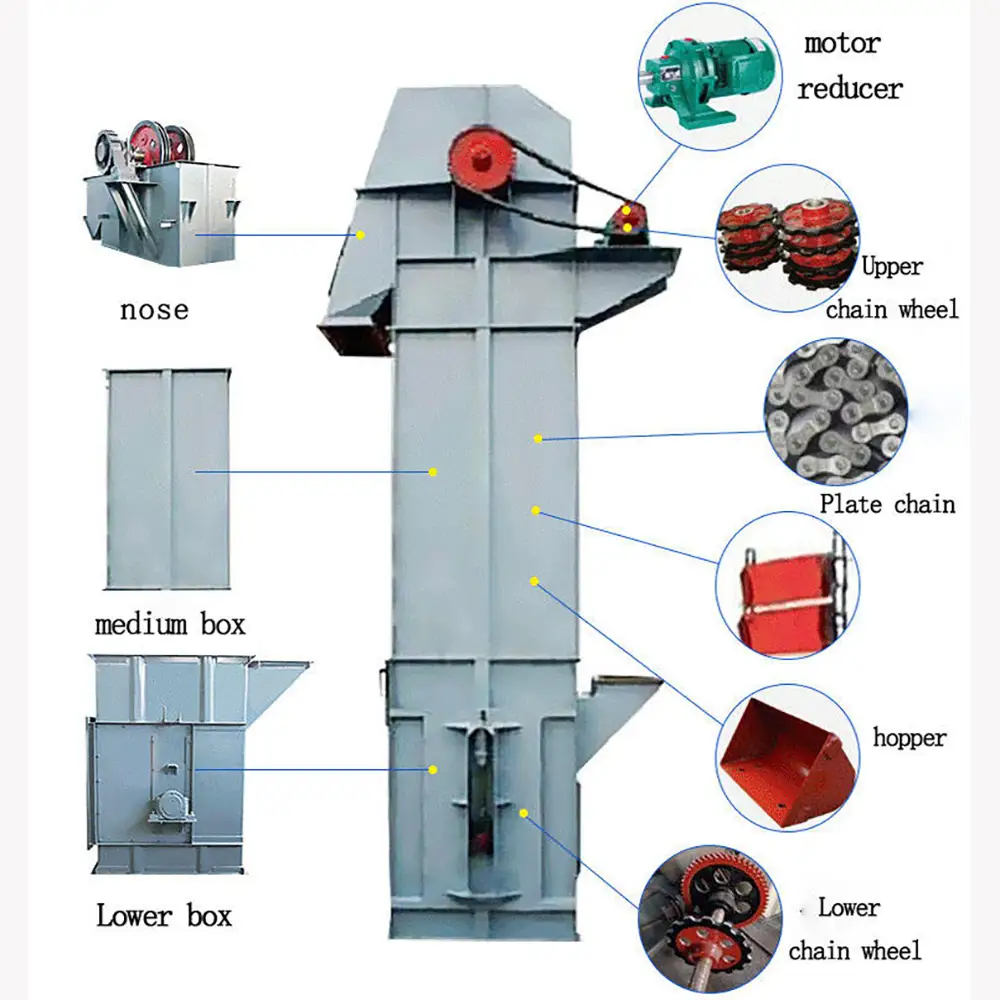
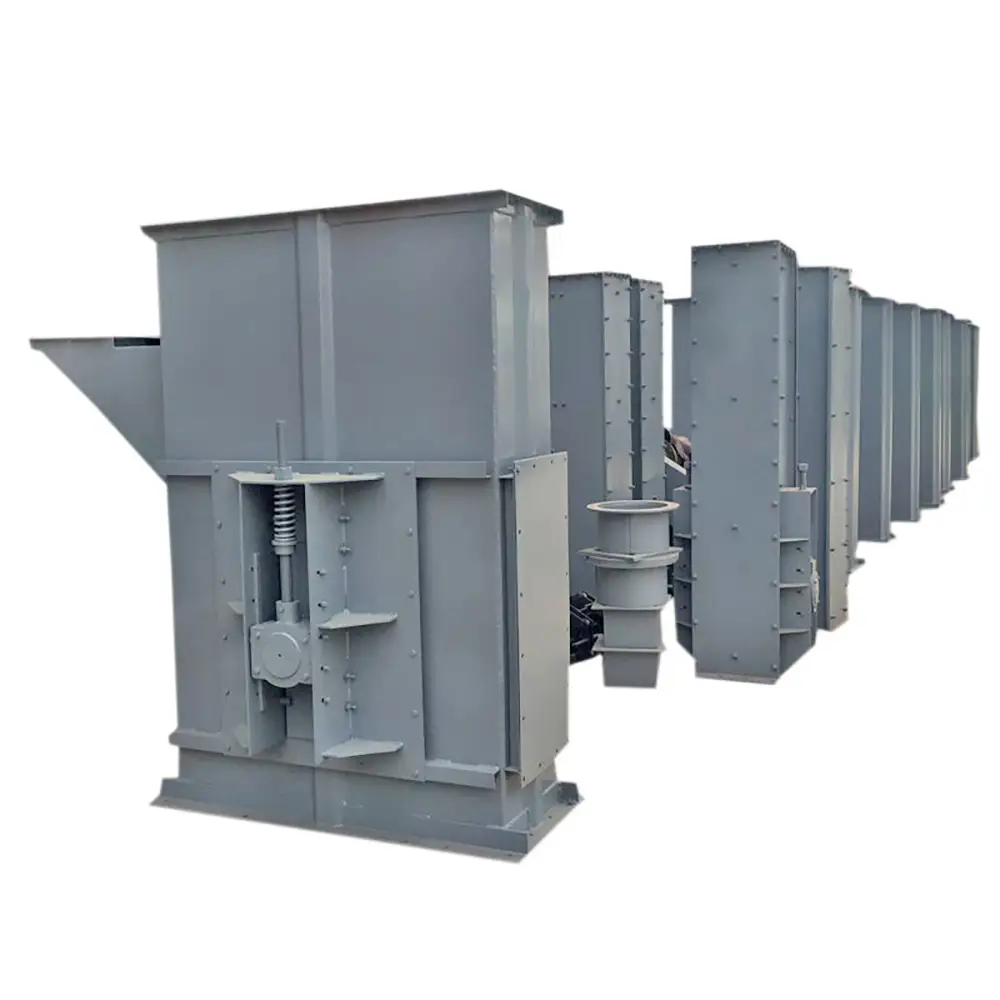
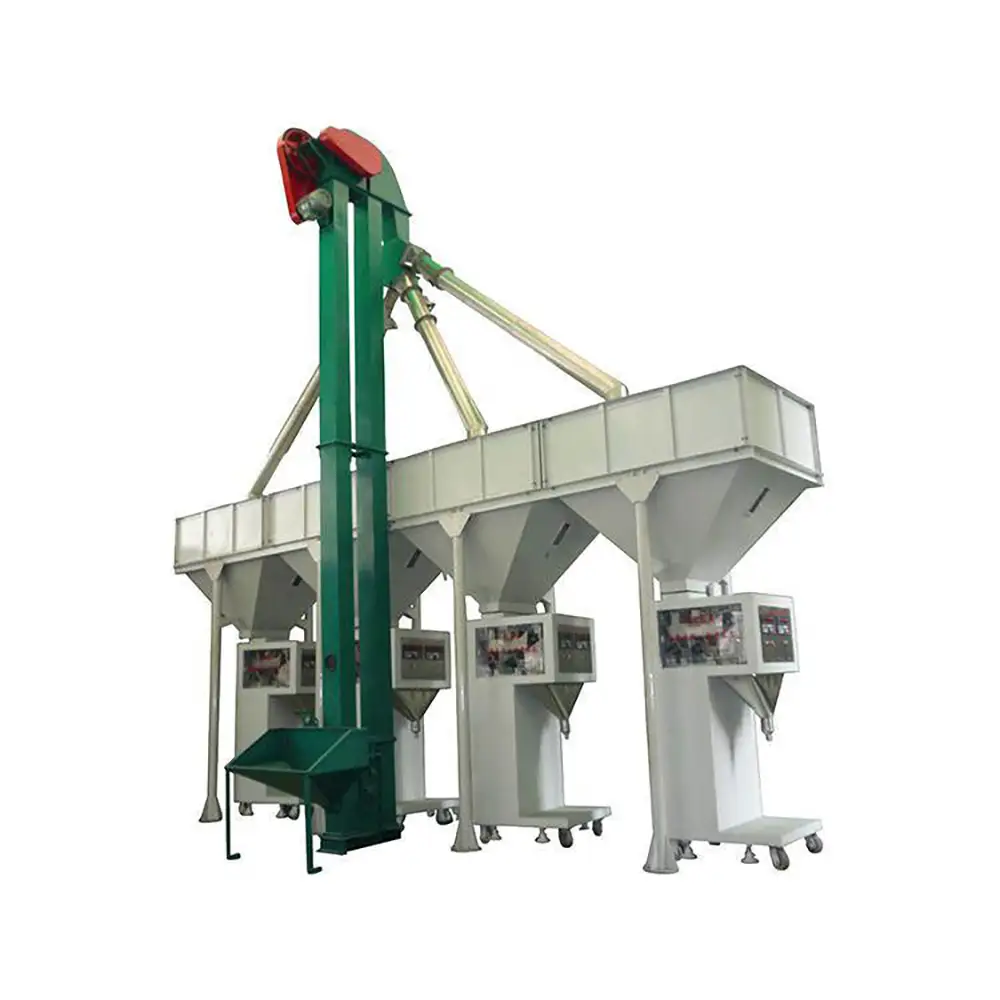
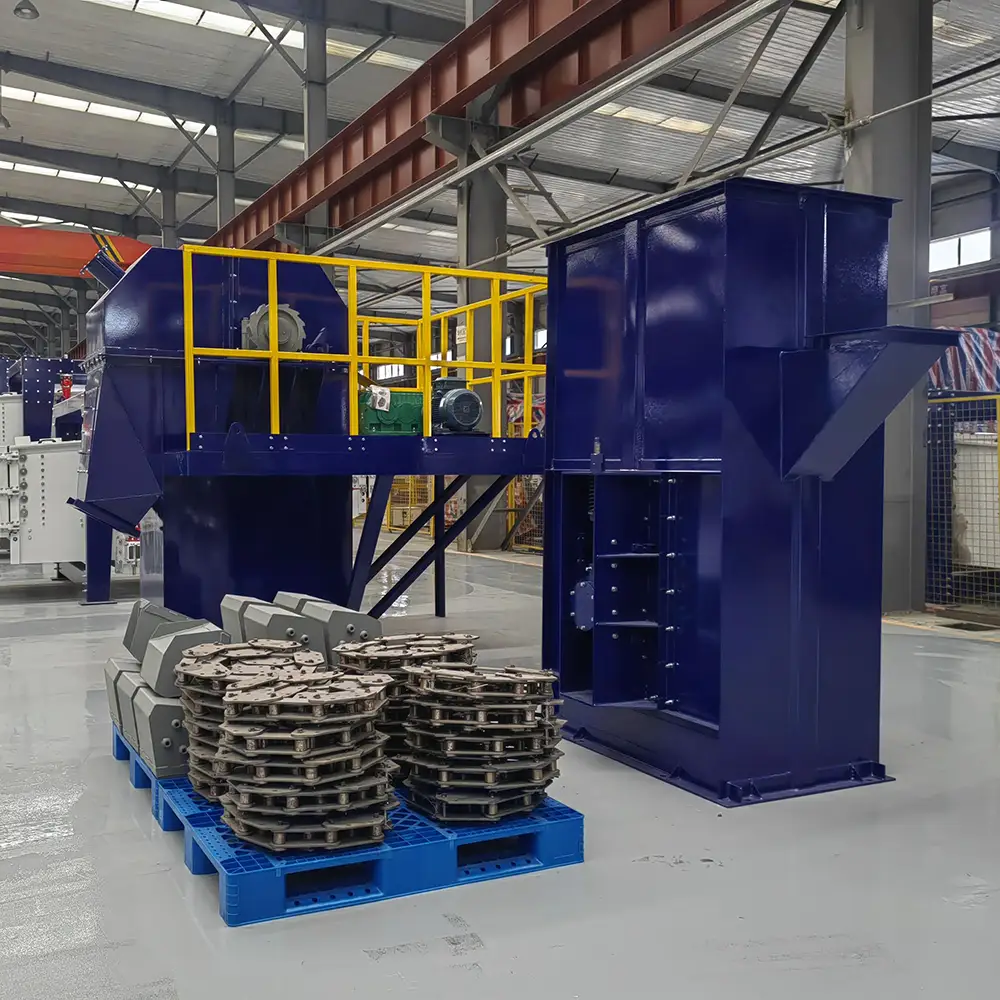
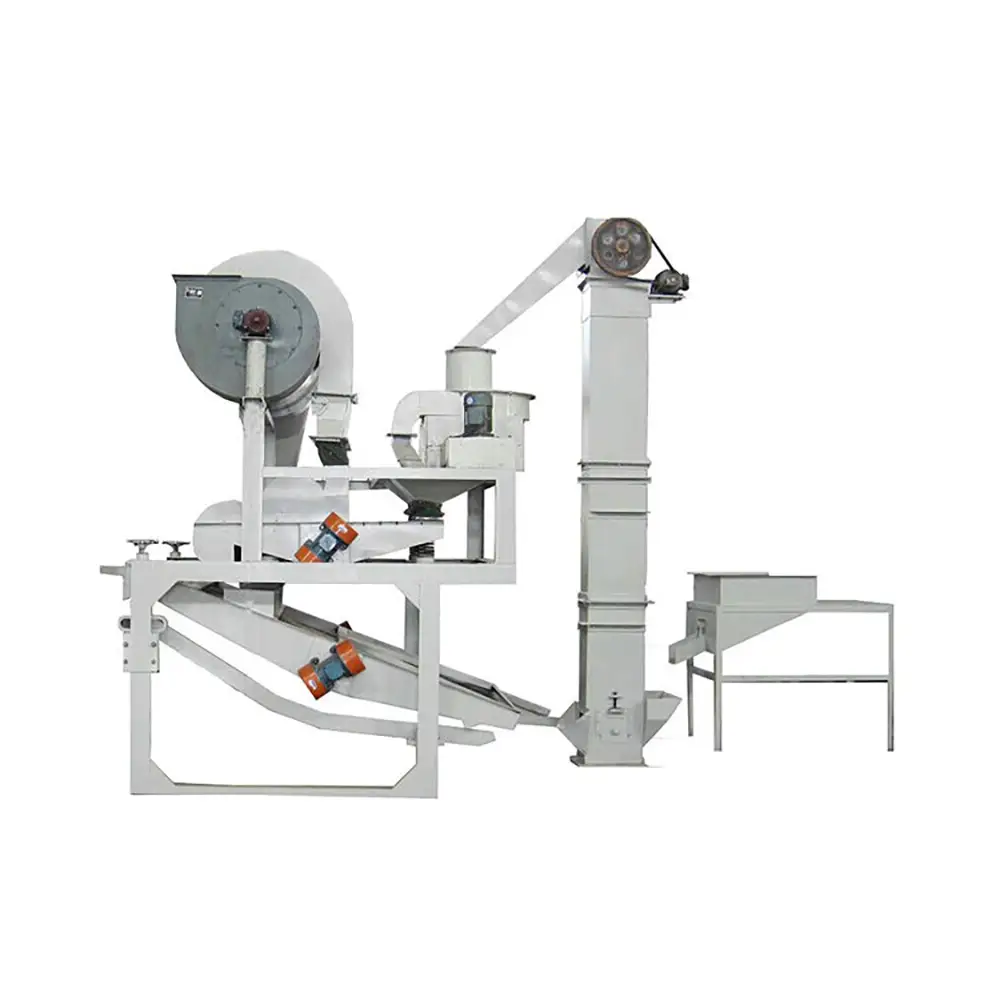
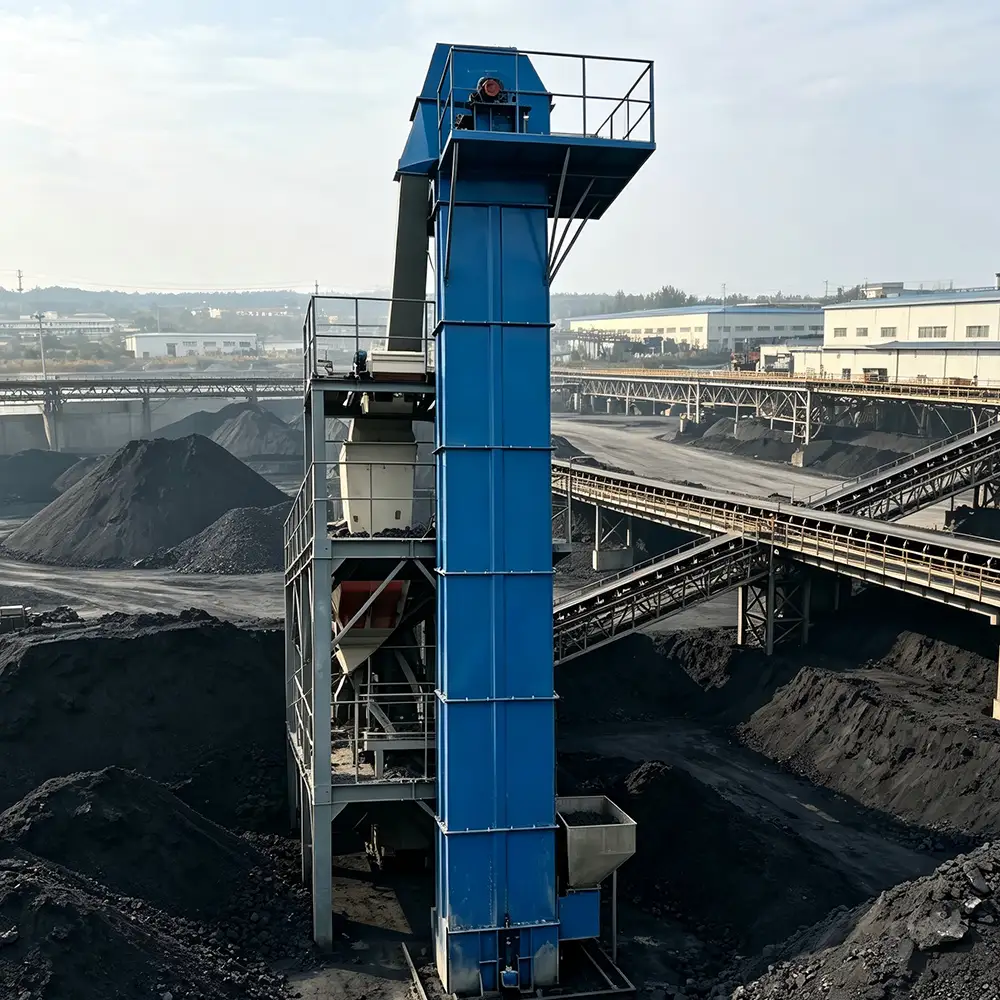
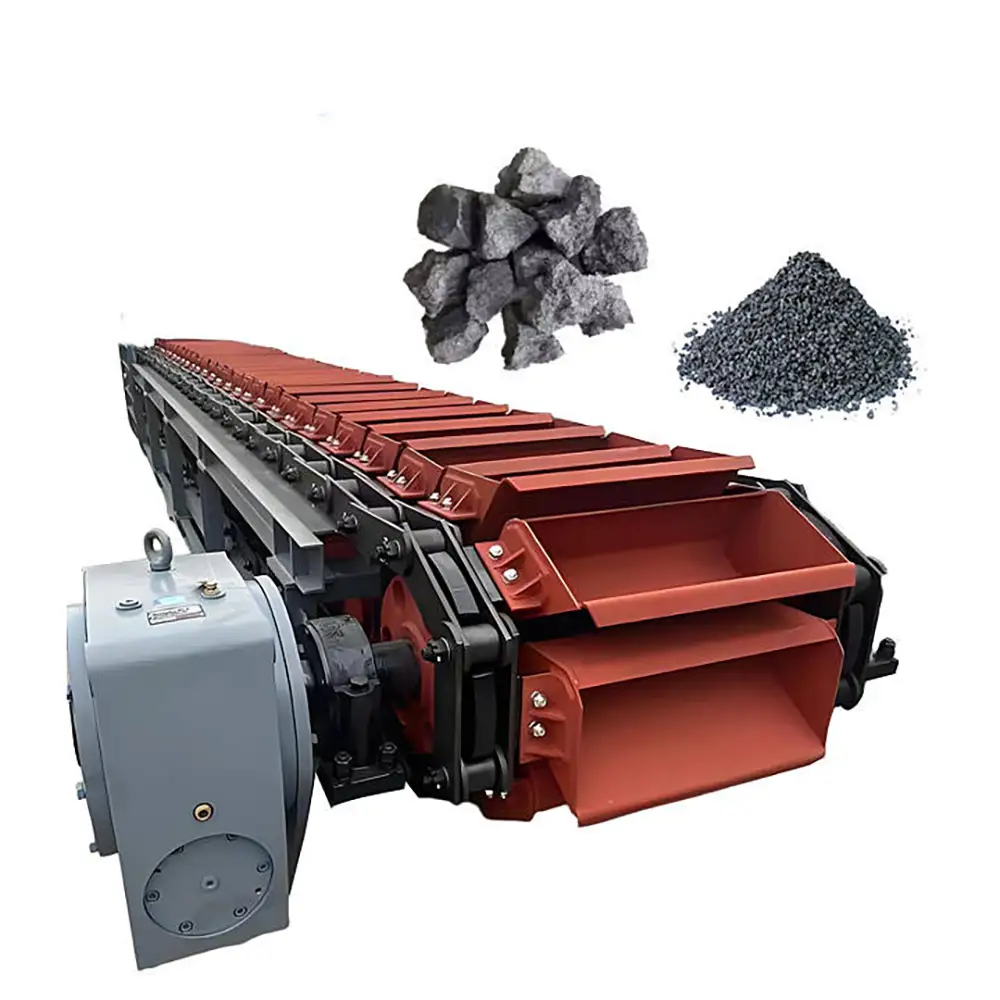
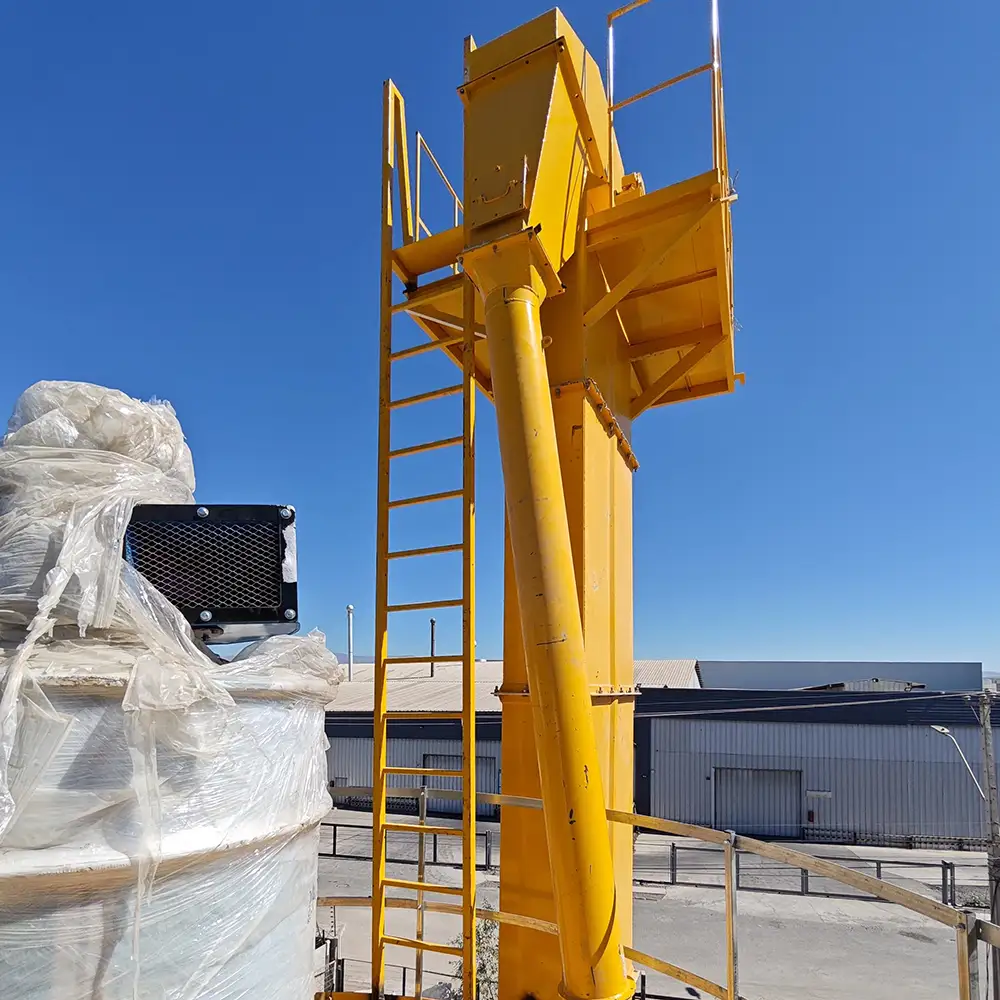
TD bucket elevator is composed of the running part (hopper with traction tape), with the upper section of drive rollers, tension rollers with the lower part of section, intermediate casing, drives, reverse brake rigging, etc. It is suitable for transport bulk density p <1.5m3 powder, granular and small particle bulk materials upward, such as coal, sand, coke at the end, cement, broken ore. The machine is characterized by rapid centrifugal discharge and use the rubber conveyor belt as traction members. The temperature of transported material must not exceed 600ºC, such as when using heat resistant rubber is no more than 2000ºC. It is not suitable for the block and resistance of materials.
Technical parameter:
|
Model No. |
TD160 |
TD250 |
TD315 |
TD400 |
|
Hopper form |
Q |
h |
zD |
Sd |
Q |
h |
zD |
Sd |
Q |
h |
zD |
Sd |
Q |
h |
zD |
Sd |
|
Conveying capacity (m3/h) |
5.4 |
9.6 |
9.6 |
16 |
12 |
22 |
23 |
35 |
17 |
30 |
25 |
40 |
24 |
46 |
41 |
66 |
|
Hopper width (mm) |
160 |
250 |
315 |
400 |
|
Hopper volume (L) |
0.5 |
0.9 |
4.2 |
1.9 |
1.3 |
2.2 |
3.0 |
4.6 |
2 |
3.6 |
3.8 |
5.8 |
3.1 |
3.1 |
5.9 |
9.4 |
|
Distance between hopper (mm) |
280 |
350 |
360 |
450 |
400 |
500 |
480 |
560 |
|
Belt width (mm) |
200 |
300 |
400 |
500 |
|
Hopper speed (m/s) |
1.4 |
1.6 |
1.6 |
1.8 |
|
Max.size of block material (mm) |
25 |
35 |
45 |
55 |
|
Model No. |
TD500 |
TD630 |
D160 |
D250 |
D350 |
D450 |
|
Hopper form |
Q |
h |
zD |
Sd |
h |
zD |
Sd |
Q |
S |
Q |
S |
Q |
S |
Q |
S |
|
Conveying capacity (m3/h) |
38 |
70 |
58 |
92 |
85 |
89 |
142 |
4.7 |
8 |
18 |
22 |
25 |
42 |
50 |
72 |
|
Hopper width (mm) |
500 |
630 |
160 |
250 |
350 |
450 |
|
Hopper volume (L) |
4.8 |
9 |
9.3 |
15 |
14 |
14.6 |
23.5 |
0.65 |
1.1 |
2.6 |
3.2 |
7 |
7.8 |
14.5 |
15 |
|
Distance between hopper (mm) |
500 |
625 |
710 |
500 |
500 |
500 |
500 |
|
Belt width (mm) |
600 |
700 |
200 |
300 |
400 |
500 |
|
Hopper speed (m/s) |
1.8 |
2 |
1 |
1.25 |
1.25 |
1.25 |
TD Bucket Elevator
The TD Bucket Elevator is a vertical bulk material conveying machine designed to lift powders, granules, pellets, and other dry bulk materials to elevated heights. Also known as a Vertical Bucket Elevator, Bucket Elevator Conveyor, or Bucket Hoist Equipment, it provides an efficient solution when production lines require continuous vertical material transportation.
Compared with conventional horizontal conveying systems, a bucket elevator uses a series of buckets attached to a belt or chain to lift materials vertically. The compact vertical structure makes it suitable for plants and facilities where floor space is limited but significant lifting height is required.
TD Bucket Elevators are widely used in cement plants, mining, metallurgy, grain processing, fertilizer production, chemical plants, feed mills, power plants, agricultural processing, and other bulk material handling applications.
What Is a TD Bucket Elevator?
A TD Bucket Elevator is a continuous vertical conveying system consisting primarily of an elevator head, boot section, vertical casing, buckets, belt or traction components, drive assembly, tensioning mechanism, and inlet and discharge sections.
Material enters the elevator through the feed inlet and is collected by the moving buckets. The buckets travel upward inside the enclosed elevator casing and discharge the material at the top through centrifugal or controlled discharge, depending on the equipment configuration.
The vertical lifting design allows bulk material to be transferred between different elevations without requiring a long horizontal conveyor layout.
Main Components of TD Bucket Elevator
A complete TD Bucket Elevator typically consists of:
Elevator Head
Elevator Boot
Vertical Casing
Conveyor Belt or Traction Belt
Elevator Buckets
Drive Motor
Gear Reducer
Drive Pulley
Tail Pulley
Tensioning Device
Feed Inlet
Discharge Chute
Inspection Doors
Safety Protection Devices
The structure and component specifications can be selected according to conveying height, material properties, capacity, operating environment, and installation requirements.
How Does a Vertical Bucket Elevator Work?
The working principle of a vertical bucket elevator is based on continuous bucket lifting.
Bulk material enters through the lower feeding section and is captured by buckets mounted to the moving belt or traction system. The drive motor rotates the head pulley, causing the belt and buckets to travel upward.
As the buckets reach the top section, they pass around the head pulley. The material is released from the buckets and directed through the discharge outlet into the next processing or conveying stage.
The empty buckets then travel downward inside the elevator casing and return to the loading position, creating a continuous conveying cycle.
This design allows the TD Bucket Elevator to provide stable vertical transportation while minimizing the horizontal footprint of the material handling system.
Vertical Bucket Elevator Hoist Equipment
The Vertical Bucket Elevator Hoist Equipment is particularly useful when bulk materials need to be raised several meters or more between different processing stages.
A bucket elevator can connect:
Ground-Level Hoppers to Storage Silos
Crushers to Screens
Grinding Systems to Storage Bins
Raw Material Storage to Processing Lines
Cement Production Equipment to Silos
Grain Receiving Systems to Processing Equipment
Packaging Systems to Elevated Storage
Bulk Material Feeders to Production Lines
The enclosed elevator casing helps control material flow and can reduce material spillage during vertical transportation.
Applications of TD Bucket Elevator
Cement and Building Materials
TD Bucket Elevators are commonly used to vertically transport cement, limestone powder, clinker-related materials, gypsum, fly ash, and other building materials. They can connect grinding, storage, mixing, and packing systems.
Mining and Mineral Processing
Mining and mineral processing facilities can use bucket elevators for transporting ore particles, mineral powders, sand, gravel, and other processed materials. Wear-resistant components can be considered for abrasive materials.
Grain and Agricultural Processing
Bucket elevators are widely used for grain, corn, wheat, rice, seeds, feed ingredients, and other agricultural products. The vertical configuration is useful in grain storage and processing facilities where materials must be transferred between different elevations.
Fertilizer Industry
Fertilizer granules and powders can be lifted between storage, screening, blending, and packaging equipment.
Coal and Power Plants
Bucket elevators can transport coal, ash, fly ash, and other dry bulk materials in industrial power and energy facilities.
Chemical Industry
Powders, pellets, granules, and other bulk chemical products can be vertically conveyed when the equipment is designed with suitable construction materials and sealing.
Feed and Food Processing
Depending on hygiene and material requirements, bucket elevators can be designed for animal feed, grains, seeds, and other agricultural or food-processing materials.
Key Advantages of TD Bucket Elevator
1. Efficient Vertical Conveying
The bucket lifting principle allows bulk materials to be transported vertically over significant heights while maintaining a relatively small installation footprint.
2. Compact Layout
The vertical structure reduces the floor area required compared with long inclined or horizontal conveying systems.
3. Continuous Material Handling
Buckets continuously collect, lift, and discharge material, making the equipment suitable for automated production lines.
4. Enclosed Conveying
The vertical casing helps contain material during transportation and can reduce dust and spillage when properly sealed.
5. Wide Material Compatibility
TD Bucket Elevators can be designed for powders, granules, pellets, grain, cement, coal, minerals, fertilizer, and many other bulk solids.
6. Customizable Capacity
Bucket size, belt speed, bucket spacing, drive power, elevator height, and other parameters can be selected according to required throughput.
7. Easy System Integration
The equipment can connect with screw conveyors, belt conveyors, hoppers, silos, crushers, screens, feeders, mixers, and packing systems.
8. Industrial Construction
Properly selected belts, buckets, bearings, pulleys, casings, and drive components can provide reliable operation in demanding industrial environments.
How to Select the Right TD Bucket Elevator
Before purchasing a TD Bucket Elevator, several technical parameters should be considered.
Material Characteristics: Provide material name, particle size, bulk density, moisture, temperature, abrasiveness, and flowability.
Required Capacity: Specify the required conveying capacity in tons per hour or cubic meters per hour.
Lifting Height: The vertical distance between the feed point and discharge point determines the overall elevator height.
Bucket Type: Bucket size and shape should correspond to the material and required conveying capacity.
Belt Speed: Appropriate belt speed depends on material characteristics, discharge method, and elevator configuration.
Drive Power: Motor and gearbox specifications should be selected according to capacity, lifting height, material density, and operating conditions.
Construction Material: Carbon steel is suitable for many general industrial applications. Stainless steel or specialized materials can be considered for corrosive, food, or hygienic applications.
Maintenance and Safe Operation
Routine maintenance is important for maintaining reliable bucket elevator performance.
Operators should regularly inspect the belt, buckets, bearings, pulleys, drive system, casing, fasteners, and tensioning mechanism. Loose or damaged buckets should be repaired or replaced promptly.
Material buildup inside the boot section should be checked because excessive accumulation can affect bucket loading and elevator performance.
The belt tension should remain within the manufacturer's recommended range. Excessive tension can accelerate component wear, while insufficient tension can cause belt slippage.
Safety guards, inspection doors, emergency stop systems, and other protective components should remain correctly installed during operation. Electrical power should be isolated before maintenance.
OEM and Custom TD Bucket Elevator
As an experienced Bucket Elevator Manufacturer and Factory, we provide customized vertical conveying solutions for industrial bulk material handling projects.
Customization can include elevator height, conveying capacity, bucket volume, bucket spacing, belt specifications, casing dimensions, motor power, gearbox, inlet and discharge configuration, inspection doors, dust-control structure, support frame, and corrosion-resistant or wear-resistant construction.
OEM services are available for distributors, engineering companies, cement plants, mining companies, grain-processing facilities, fertilizer manufacturers, feed mills, and other industrial users.
Why Choose Us?
Professional TD Bucket Elevator Manufacturer
Industrial Vertical Bucket Elevator Solutions
Customized Lifting Height and Conveying Capacity
Durable Bucket and Belt Components
Carbon Steel and Stainless Steel Options
Suitable for Powder and Granular Materials
Complete Bulk Material Handling Solutions
OEM and Custom Manufacturing Available
Engineering and Technical Support
Export-Oriented B2B Service
We focus on designing practical vertical conveying systems based on material characteristics, required capacity, lifting height, plant layout, and operating conditions. From individual bucket elevator machines to complete bulk material handling systems, customized solutions can be developed for different industries and production environments.
FAQs
1. What is a TD Bucket Elevator?
A TD Bucket Elevator is a vertical conveying machine that uses buckets attached to a belt or traction system to continuously lift bulk materials from a lower elevation to a higher discharge point.
2. What materials can a TD Bucket Elevator handle?
It can handle cement, grain, coal, fertilizer, minerals, sand, pellets, fly ash, feed materials, powders, and many other dry bulk materials.
3. What is the difference between a bucket elevator and a belt conveyor?
A belt conveyor primarily transports materials horizontally or along a relatively low incline, while a bucket elevator is specifically designed to lift materials vertically.
4. Can a TD Bucket Elevator handle cement?
Yes. TD Bucket Elevators can be designed for cement and cement-related materials, provided the bucket, belt, casing, sealing, and drive system are properly selected.
5. Can the lifting height be customized?
Yes. The overall elevator height can be customized according to the distance between the feeding and discharge points.
6. What determines bucket elevator capacity?
Capacity is affected by bucket volume, bucket spacing, belt speed, material density, loading efficiency, and elevator configuration.
7. Can the bucket elevator handle abrasive materials?
Yes. For abrasive materials such as minerals, sand, and certain cement-related products, wear-resistant components and appropriate structural materials can be specified.
8. Is a bucket elevator suitable for grain?
Yes. Bucket elevators are widely used in grain storage, grain processing, feed mills, and agricultural material handling systems.
9. What information is needed for a bucket elevator quotation?
Important information includes material type, capacity, bulk density, particle size, moisture, lifting height, feeding and discharge positions, power requirements, and installation conditions.
10. Do you provide OEM TD Bucket Elevator equipment?
Yes. OEM and customized TD Bucket Elevator manufacturing is available for industrial users, distributors, engineering contractors, and bulk material handling projects.
Prev:
TH Mining Bucket Elevator, Bucket Conveyor Elevator With Wheels
Next:Sorry, no information
TAG:
Bulk Material Handling Equipment,
Industrial Material Handling Equipment,
Coal Bucket Elevator,
Mining Bucket Elevator,
Bucket Hoist Conveyor,
Bucket Hoist Equipment,
Bulk Material Bucket Elevator,
Cement Bucket Elevator,
Cement Bucket Conveyor,
Vertical Bucket Conveyor,
Chain Bucket Elevator,
Continuous Bucket Elevator,
Grain Bucket Elevator,
Fertilizer Bucket Elevator,
Fly Ash Bucket Elevator,
Heavy Duty Bucket Elevator,
Vertical Bucket Elevator,
Vertical Bucket Elevator Machine,
Industrial Bucket Elevator,
Belt Bucket Elevator,
Vertical Bucket Elevator Equipment,
Automatic Bucket Elevator,
Heavy Duty Bucket Hoist,
Vertical Conveyor Equipment,
Bucket Conveyor System,
Industrial Hoisting Equipment,
Bucket Elevator Conveyor,
Vertical Bucket Elevator Hoist,
Bucket Elevator Hoist Equipment,
Bucket Elevator Machine,
Related Category:
TD Bucket Elevator,Vertical Bucket Elevator,Vertical Bucket Elevator Hoist,Bucket Elevator Hoist Equipment China, suppliers, manufacturers, factory, customized, wholesale, quotation, made in China