Screw conveyor
Crusher, jaw crusher, conveyor, stone crusher, jaw crushers, stone jaw crusher, crushing machine, limestone crusher, granite crusher, screw conveyor
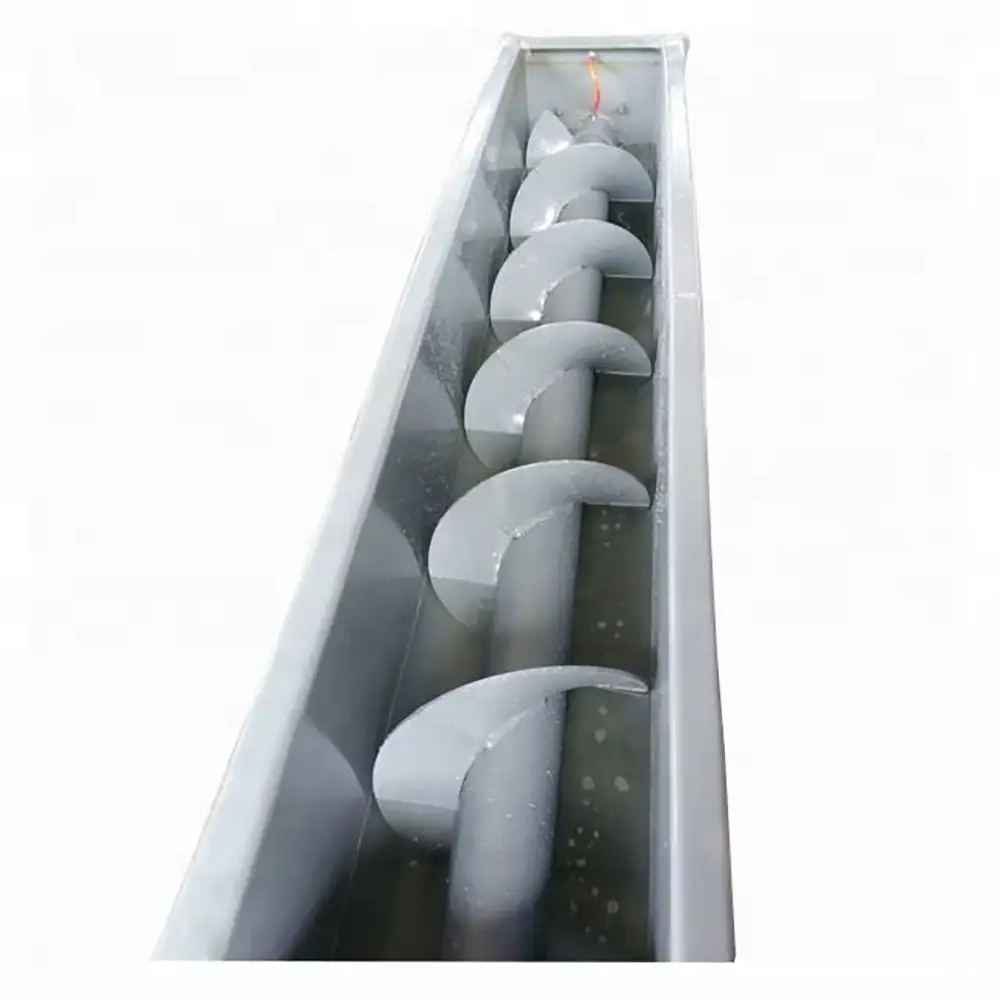
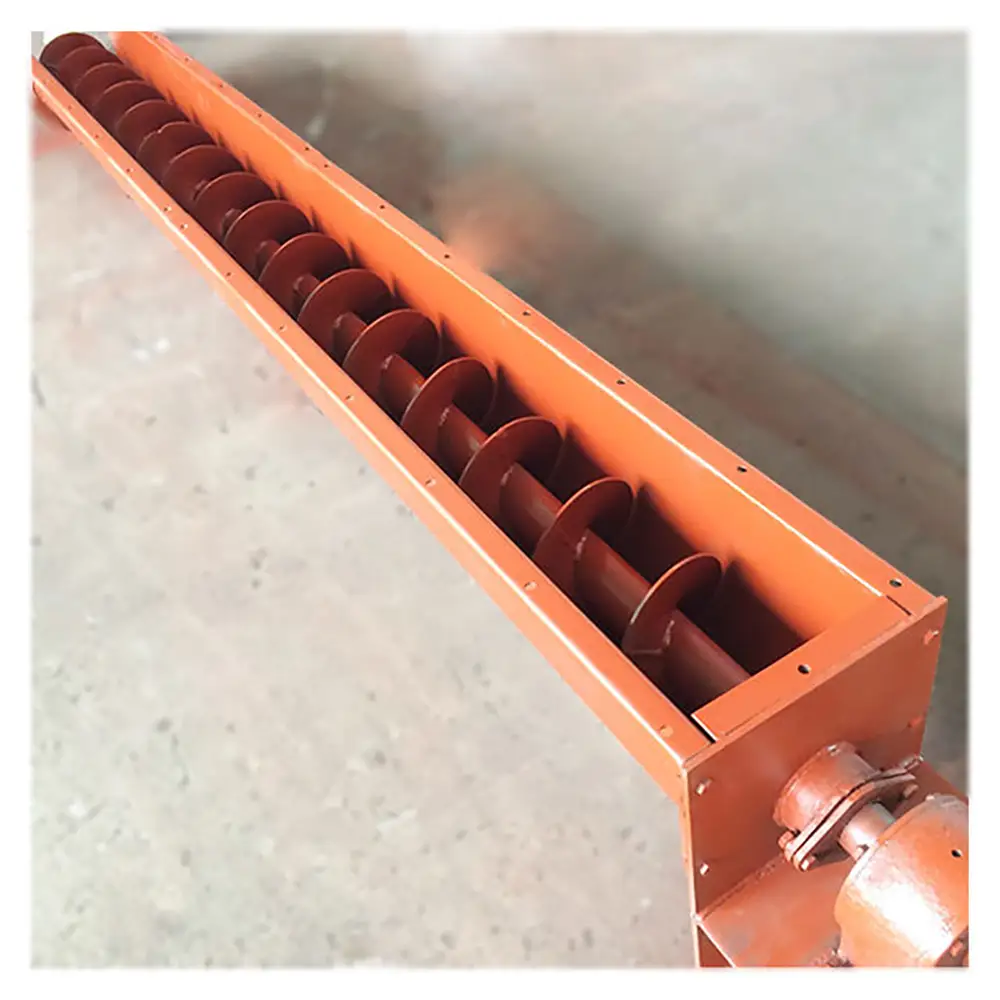
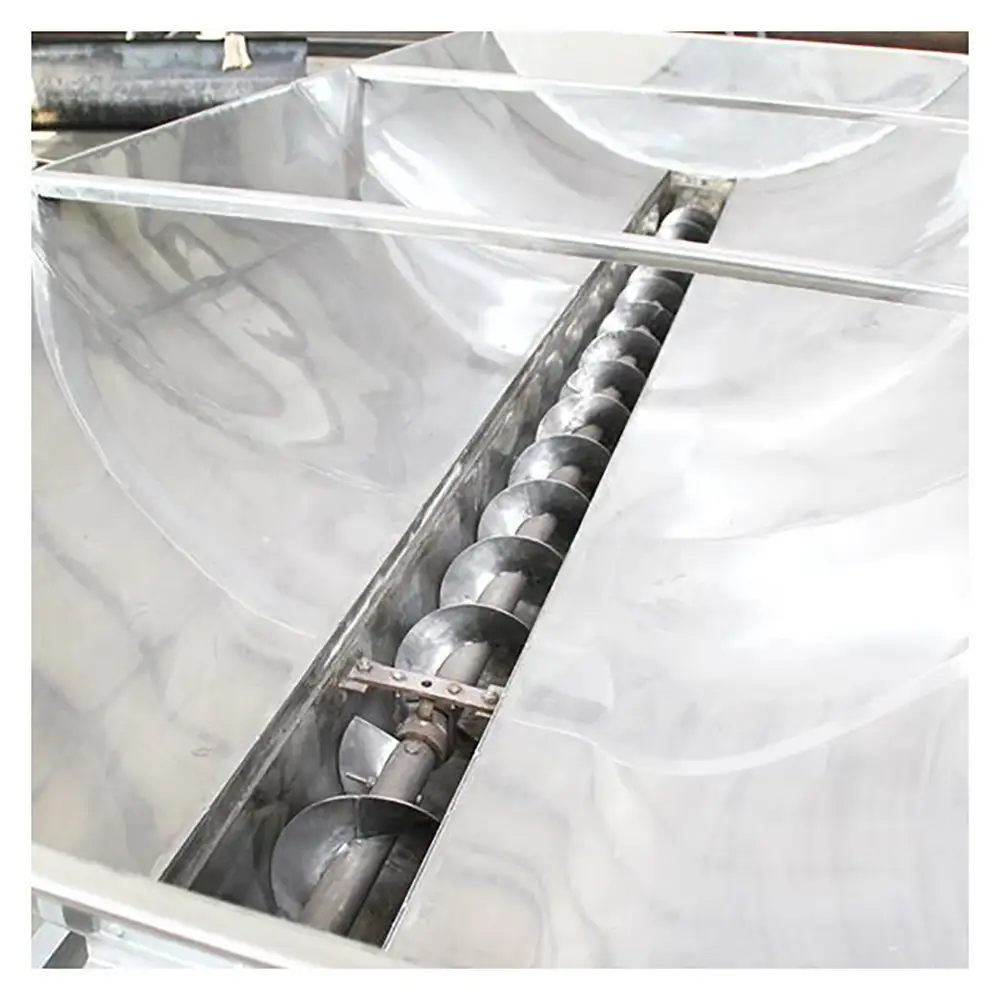
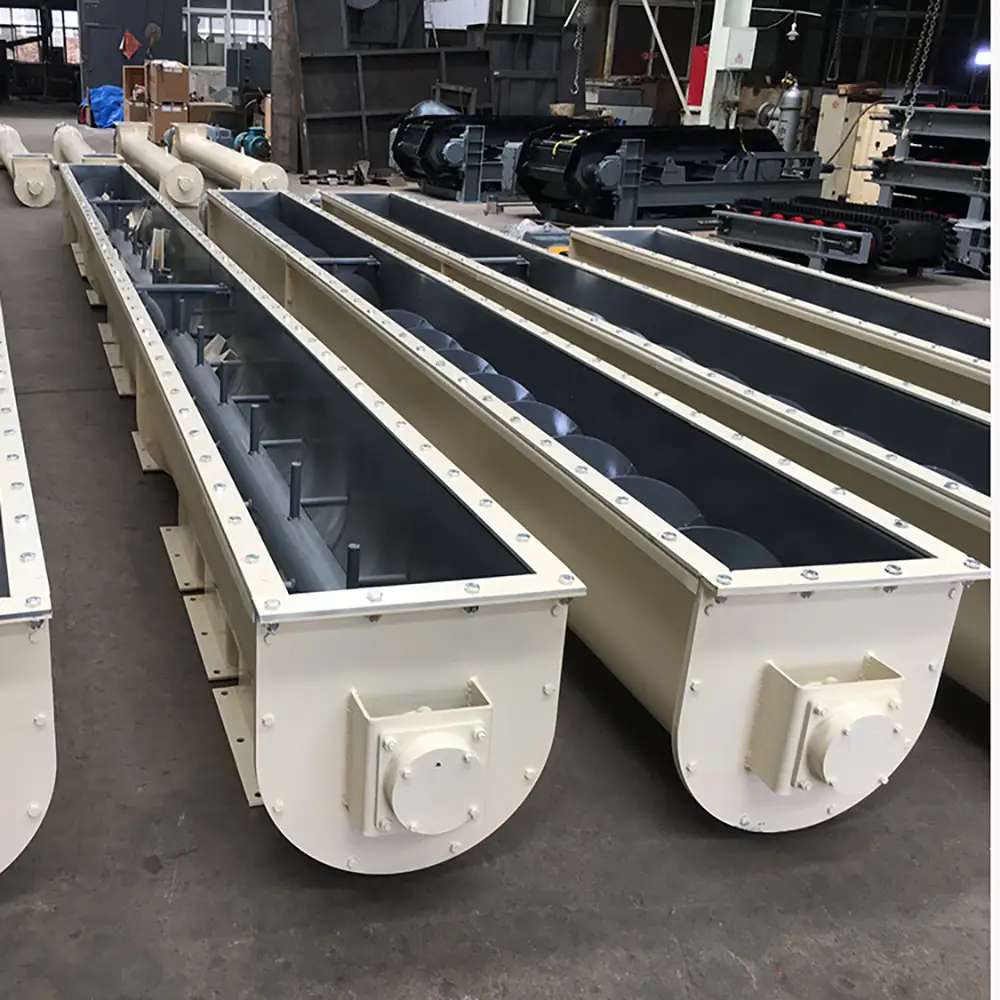
LS type screw conveyer adopt DIN15231-1986 standard, and its design and manufacture are in conformity with JB/T7679-45 LS Type Screw Conveyer professional standard. It is U shape trough with its screw diameter of 100-1250 mm, include 11 models, which are divided into single drive type and dual drive type. The overall length of single drive type screw conveyer amounts to 35 m, among which overall length of LS1000 and LS1250 are 30 m. Hanging bearing in the middle of screw conveyer adopt rolling type and sliding type exchangeable structures, which shows small resistance, superior tightness and good abrasion performance.
Classification:
1. By driving means of screw conveyer:
C1 type: Screw conveyer is less than 35 m long, single end droved.
C2 type: Screw conveyer is over 35 m long, double end droved.
2. By style of helical blade:
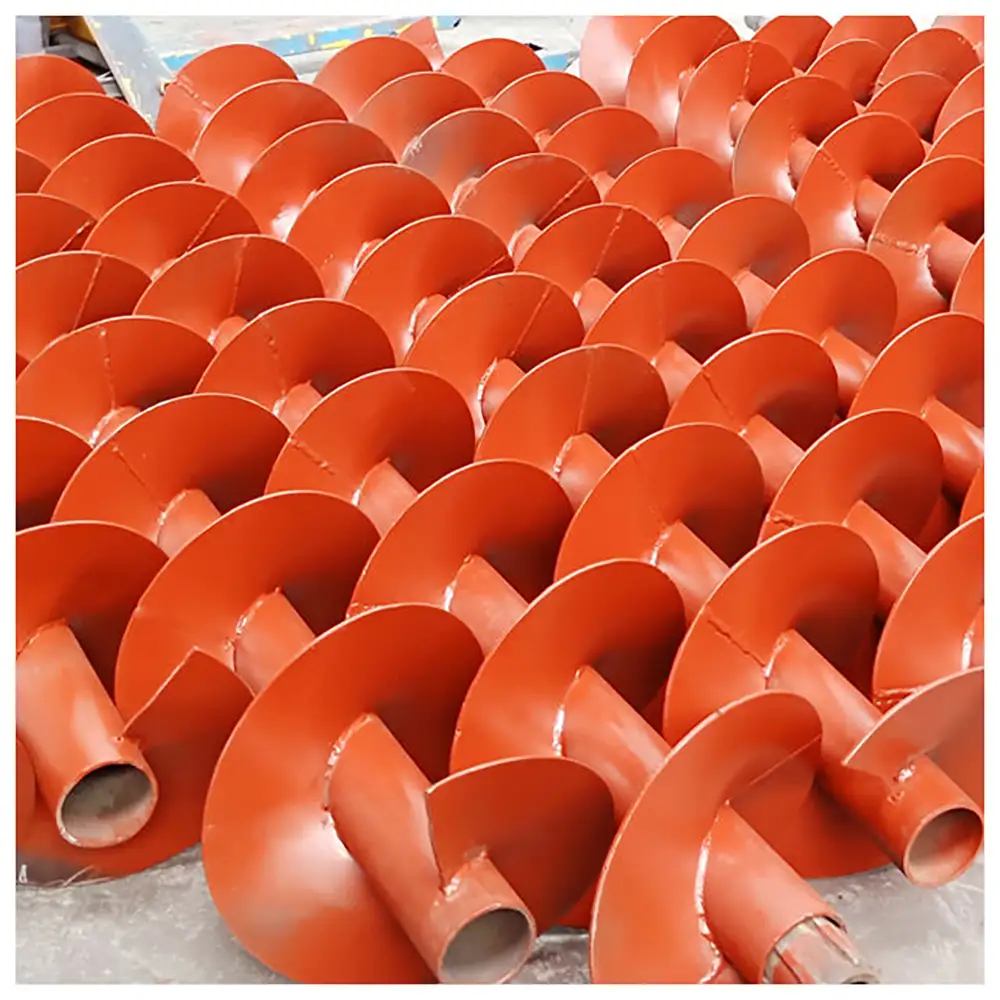
S type: Solid helical blade.
D type: Belt helical blade.
J type: Palm type helical blade.
3. By type of hanging bearing in the middle of screw conveyer:
M1 type: Rolling hanging bearing. It shows features of good tightness, long service time of hanging bearing and conveying material of less than 80º C, and usually used in areas where it is difficult for refueling, free from refueling, or polluted to material by oil.
M2 type: Sliding hanging bearing. Usually used in conveying high temperature(t>80º C)or liquid material.
|
Model |
LS100 |
LS160 |
LS200 |
LS250 |
LS315 |
LS400 |
LS500 |
LS630 |
LS800 |
LS1000 |
LS1250 |
|
Screw diameter (mm) |
100 |
160 |
200 |
250 |
315 |
400 |
500 |
630 |
800 |
1000 |
1250 |
|
Screw distance(mm) |
100 |
160 |
200 |
250 |
315 |
355 |
400 |
450 |
500 |
560 |
630 |
|
Technical data |
n |
140 |
112 |
100 |
90 |
80 |
71 |
63 |
50 |
40 |
32 |
25 |
|
Q |
2.2 |
8 |
14 |
24 |
34 |
64 |
100 |
145 |
208 |
300 |
388 |
|
n |
112 |
90 |
80 |
71 |
63 |
56 |
50 |
40 |
32 |
25 |
20 |
|
Q |
1.7 |
7 |
12 |
20 |
26 |
52 |
80 |
116 |
165 |
230 |
320 |
|
n |
90 |
71 |
63 |
56 |
50 |
45 |
40 |
32 |
25 |
20 |
16 |
|
Q |
1.4 |
6 |
10 |
16 |
21 |
41 |
64 |
94 |
130 |
180 |
260 |
|
n |
71 |
50 |
50 |
45 |
40 |
36 |
32 |
25 |
20 |
16 |
13 |
|
Q |
1.1 |
4 |
7 |
13 |
16 |
34 |
52 |
80 |
110 |
150 |
200 |
Screw Conveyor
The Screw Conveyor is a continuous mechanical conveying machine designed to transport powders, granules, pellets, and other bulk materials through a controlled conveying path. Also commonly called an Auger Conveyor or Helical Screw Conveyor, it uses a rotating screw flight mounted on a shaft to move material from the inlet to the discharge point.
Screw conveyors are widely used in cement plants, mining, agriculture, chemical processing, food production, power plants, fertilizer manufacturing, waste treatment, and general industrial material handling. Their relatively compact structure, enclosed conveying design, and ability to handle a broad range of bulk materials make them an important component of many automated production systems.
Depending on the application, screw conveyors can be configured for horizontal, inclined, or certain vertical conveying requirements. Different screw diameters, lengths, flight designs, rotational speeds, drive systems, and housing materials can be selected according to the conveyed material and required capacity.
As an experienced Screw Conveyor manufacturer and supplier, we provide standard and customized screw conveyor equipment for individual applications, production lines, and bulk material handling projects.
What Is a Screw Conveyor?
A Screw Conveyor is a mechanical conveyor that uses a rotating helical screw, also called an auger or screw flight, to move bulk materials through a trough or tubular housing.
The screw flight rotates around a central shaft. As bulk material enters the conveyor, the rotating flight pushes the material forward along the conveying housing.
Unlike belt conveyors, screw conveyors do not require a continuous belt. Their enclosed design makes them particularly suitable for powders and fine materials that may generate dust during transportation.
Depending on the screw design and material characteristics, the conveyor can perform not only conveying but also controlled feeding, mixing, cooling, heating, or material conditioning.
Main Components
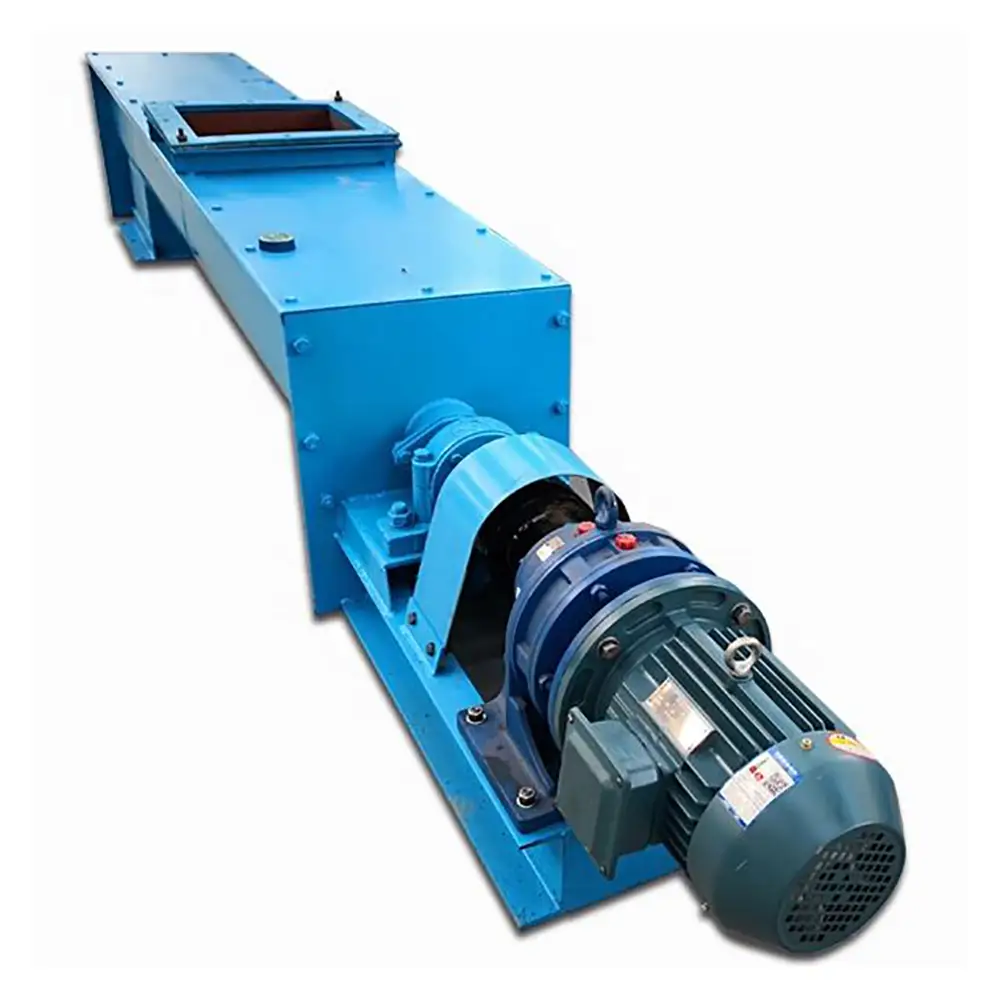
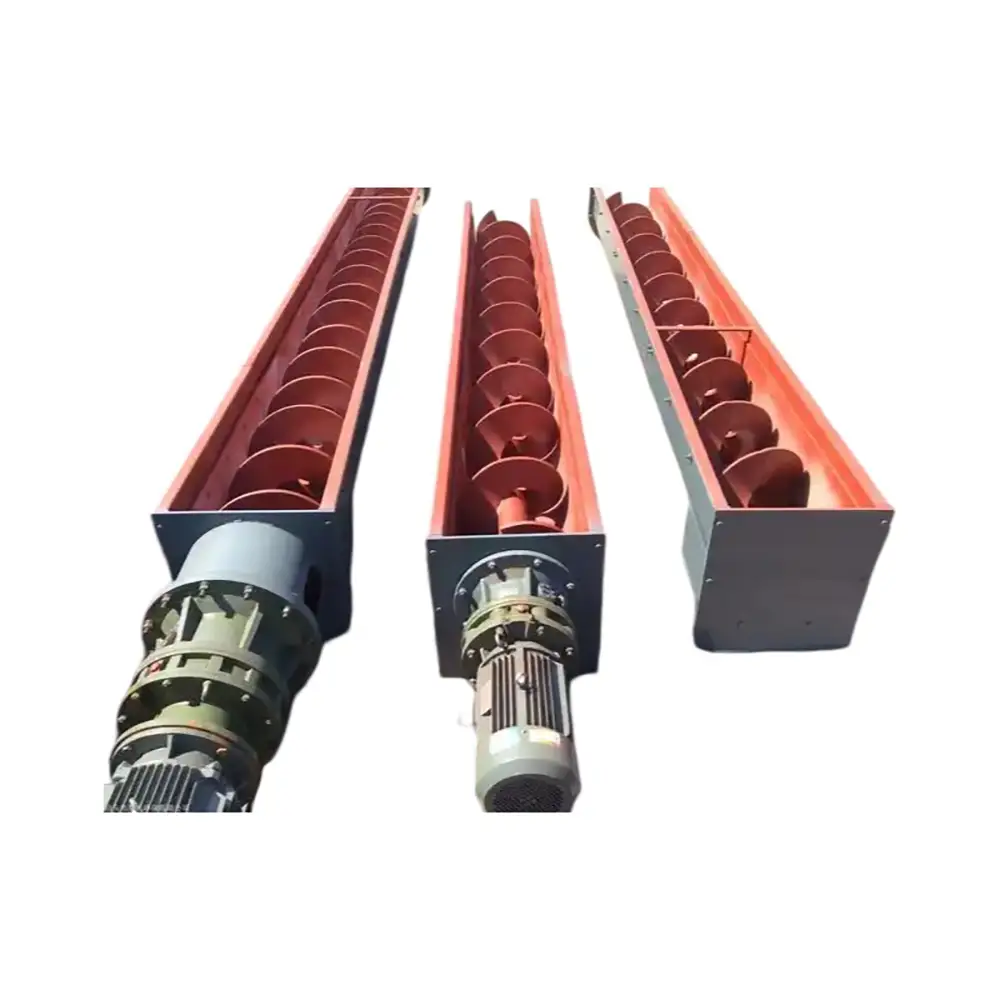
A typical industrial Screw Conveyor consists of:
Screw Shaft
Helical Screw Flight
Conveyor Trough or Tube
Drive Motor
Gear Reducer
Coupling
End Bearings
Intermediate Hangers
Inlet
Discharge Outlet
Inspection Cover
Supporting Frame
The screw flight is the primary conveying component. Its diameter, pitch, thickness, and configuration can be selected according to the material and operating requirements.
The shaft supports the screw flight and transfers rotational force from the drive system.
For longer conveyors, intermediate hanger bearings may be used to support the shaft and maintain stable rotation.
How Does a Screw Conveyor Work?
The operating principle is simple and efficient.
Bulk material enters through the inlet and falls into the conveyor trough or tube. The electric motor drives the gearbox, which rotates the screw shaft.
As the helical flight rotates, it continuously pushes the material along the conveyor housing.
The material moves forward according to the direction of screw rotation and flight configuration. When it reaches the discharge opening, it exits the conveyor and enters the next stage of the production process.
The conveying speed and capacity can be influenced by screw diameter, screw pitch, rotational speed, material density, filling rate, and conveyor inclination.
This makes screw conveyors suitable for both continuous transportation and controlled material feeding.
Horizontal Screw Conveyor
The Horizontal Screw Conveyor is one of the most common configurations.
It is used to move bulk materials from one location to another along a relatively level conveying path. Horizontal screw conveyors are commonly installed beneath storage bins, silos, hoppers, mixers, crushers, grinding equipment, and production machines.
Typical materials include cement, fly ash, coal, grain, fertilizer, powders, pellets, minerals, and industrial residues.
Inclined Screw Conveyor
An Inclined Screw Conveyor transports materials upward at an angle.
As the inclination increases, conveying efficiency can change depending on the material characteristics, screw design, speed, and filling rate. Therefore, the conveyor should be properly designed according to the required elevation and throughput.
Inclined screw conveyors are useful when production equipment is installed at different heights or when materials need to be lifted between processing stages.
Applications of Screw Conveyor
Cement Industry
Screw conveyors are widely used for cement powder, fly ash, limestone powder, gypsum, cement raw materials, and other dry bulk materials.
They can transfer material from silos and hoppers to mixers, packing systems, weighing equipment, and other processing machinery.
Mining and Mineral Processing
Screw conveyors can handle certain mineral powders, concentrates, granular materials, and industrial residues.
For abrasive materials, wear-resistant screw flights and liners can be selected.
Agriculture and Grain Handling
The equipment can transport grain, seeds, feed, fertilizer, and other agricultural bulk materials.
Chemical Industry
Screw conveyors can move powders, granules, additives, and chemical raw materials through controlled production processes.
Material-contact components should be selected according to chemical compatibility.
Food Processing
With appropriate hygienic construction and material selection, screw conveyors can be used for flour, starch, grains, sugar, powders, and other food ingredients.
Power Plants
Screw conveyors can transport fly ash, coal-related materials, and other dry residues in suitable material handling systems.
Waste and Recycling
The conveyor can move selected industrial waste, powder residues, shredded materials, and recyclable bulk products.
Key Advantages
Enclosed Conveying
The enclosed trough or tube helps reduce dust dispersion and material spillage during transportation.
Compact Structure
Screw conveyors generally require relatively little installation space compared with some other conveying systems.
Continuous Material Flow
The rotating screw provides continuous material movement and can support automated production processes.
Controlled Feeding
By controlling screw speed, the equipment can provide relatively consistent material feeding to downstream machinery.
Wide Material Compatibility
Screw conveyors can handle many powders, granules, pellets, and bulk solids.
Multiple Configurations
Horizontal, inclined, tubular, trough-type, shafted, and other configurations can be selected according to the application.
Easy System Integration
The conveyor can connect with silos, hoppers, feeders, mixers, crushers, mills, elevators, packing machines, and other equipment.
Customizable Design
Screw diameter, length, pitch, motor power, housing, inlet, outlet, and other parameters can be customized.
How to Select the Right Screw Conveyor
The first consideration is the material characteristics.
Material density, particle size, moisture content, temperature, abrasiveness, flowability, and tendency to stick or bridge should be evaluated.
The required capacity is another important parameter. The conveyor should be sized according to the required tons per hour or volumetric flow rate.
Next, determine the conveying length and installation angle. Longer conveyors may require intermediate hanger bearings and different drive configurations.
The required screw diameter and speed depend on the material and throughput. A larger screw can generally provide greater conveying volume, but final selection should be based on the complete operating conditions.
For abrasive materials, wear-resistant flights and liners may be necessary. For corrosive materials, suitable stainless steel or protective materials may be considered.
Maintenance and Operation
Regular maintenance is essential for stable screw conveyor performance.
Operators should inspect the screw flight, shaft, bearings, gearbox, motor, couplings, housing, and support structure at scheduled intervals.
Bearings and other components should be lubricated according to the manufacturer's recommendations.
Material buildup inside the conveyor should be monitored, particularly when handling wet, sticky, or cohesive materials.
The screw should be checked for excessive wear, deformation, or abnormal movement. For abrasive applications, the flight thickness and conveyor liner should be inspected regularly.
Operators should also monitor motor load and gearbox temperature. Unusual noise, vibration, overheating, or reduced conveying capacity may indicate a mechanical or material-flow problem.
Before maintenance, cleaning, or inspection, the conveyor should be stopped and isolated from its power supply according to appropriate industrial safety procedures.
OEM and Custom Screw Conveyor Solutions
Different industries require different conveying configurations. We provide OEM and customized Screw Conveyor solutions based on material characteristics, required capacity, conveying distance, plant layout, and operating environment.
Customization can include:
Screw Diameter
Screw Length
Screw Pitch
Flight Thickness
Shaft Diameter
Motor Power
Gearbox Configuration
Tubular or Trough Housing
Stainless Steel Construction
Wear-Resistant Lining
Multiple Inlets and Outlets
Horizontal or Inclined Installation
For cement and mining applications, heavy-duty construction and wear-resistant components can be selected.
For food and chemical applications, appropriate material-contact surfaces and hygienic or corrosion-resistant construction can be considered.
Why Choose Us?
Professional Screw Conveyor Manufacturing: We provide industrial screw conveyor equipment for a wide range of bulk material applications.
Wide Material Compatibility: Solutions are available for powders, granules, cement, coal, ash, fertilizer, grain, minerals, and other bulk solids.
Custom Engineering: Screw diameter, length, pitch, speed, drive system, and housing can be configured according to application requirements.
Durable Components: Appropriate shafts, flights, bearings, gearboxes, and wear-resistant parts can be selected for demanding applications.
Complete Material Handling Solutions: Screw conveyors can be integrated with hoppers, silos, feeders, mixers, mills, elevators, and packing systems.
OEM Service: Customized equipment is available for distributors, engineering companies, system integrators, and industrial end users.
International B2B Support: We provide technical communication and equipment configuration support for overseas customers.
FAQs
1. What is a Screw Conveyor?
A Screw Conveyor is a mechanical conveying machine that uses a rotating helical screw flight to transport powders, granules, pellets, and other bulk materials.
2. What is another name for a Screw Conveyor?
Common terms include Auger Conveyor, Helical Screw Conveyor, Screw Conveyor Machine, Screw Conveyor System, and Industrial Screw Conveyor.
3. What materials can a Screw Conveyor handle?
It can be configured for cement, fly ash, coal, fertilizer, grain, powders, pellets, minerals, chemical materials, and many other bulk solids.
4. Can a Screw Conveyor handle cement?
Yes. Screw conveyors are widely used for transporting cement powder and other cement-related dry bulk materials.
5. Can it be used for coal and ash?
Yes. Properly designed screw conveyors can be used for suitable coal, fly ash, and other dry bulk material handling applications.
6. What is the difference between a Screw Conveyor and an Auger Conveyor?
In industrial conveying terminology, the two terms are often used interchangeably. Both generally describe a rotating helical screw used to move bulk material.
7. Can a Screw Conveyor be inclined?
Yes. Screw conveyors can be installed at an incline, but capacity and power requirements should be evaluated according to the conveying angle and material characteristics.
8. Can the screw conveyor length be customized?
Yes. Conveyor length, diameter, pitch, shaft size, motor power, housing, inlet, and discharge configuration can be customized.
9. Can a Screw Conveyor be used as a feeder?
Yes. With appropriate screw design and speed control, a screw conveyor can also provide controlled feeding to downstream equipment.
10. Do you provide OEM Screw Conveyor equipment?
Yes. We provide OEM and custom screw conveyor systems based on material characteristics, capacity, layout, operating conditions, and customer specifications.
Prev:
U Type Screw Conveyor
Next:Sorry, no information
TAG:
Bulk Material Handling Conveyor,
Bulk Material Conveyor,
Screw Feeder,
Cement Screw Conveyor,
Screw Conveyor,
Industrial Screw Conveyor,
Screw Conveyor Machine,
Automatic Screw Conveyor,
Continuous Screw Conveyor,
Auger Feeder,
Industrial Screw Feeder,
Auger Conveyor,
Heavy Duty Screw Conveyor,
Material Handling Equipment,
Coal Screw Conveyor,
Fly Ash Screw Conveyor,
Fertilizer Screw Conveyor,
Grain Screw Conveyor,
Cement Conveyor Machine,
Industrial Material Handling Conveyor,
Ash Screw Conveyor,
Mineral Screw Conveyor,
Powder Conveyor,
Granular Material Conveyor,
Powder Material Conveyor,
Shafted Screw Conveyor,
Horizontal Screw Conveyor,
Helical Screw Conveyor,
Inclined Screw Conveyor,
Industrial Auger Conveyor,
Related Category:
Screw Conveyor,Industrial Screw Conveyor,Screw Conveyor Machine,Screw Conveyor Equipment China, suppliers, manufacturers, factory, customized, wholesale, quotation, made in China