Knit Fabric Open Width Scouring and Bleaching Mercerizing Printing Dyeing Machine
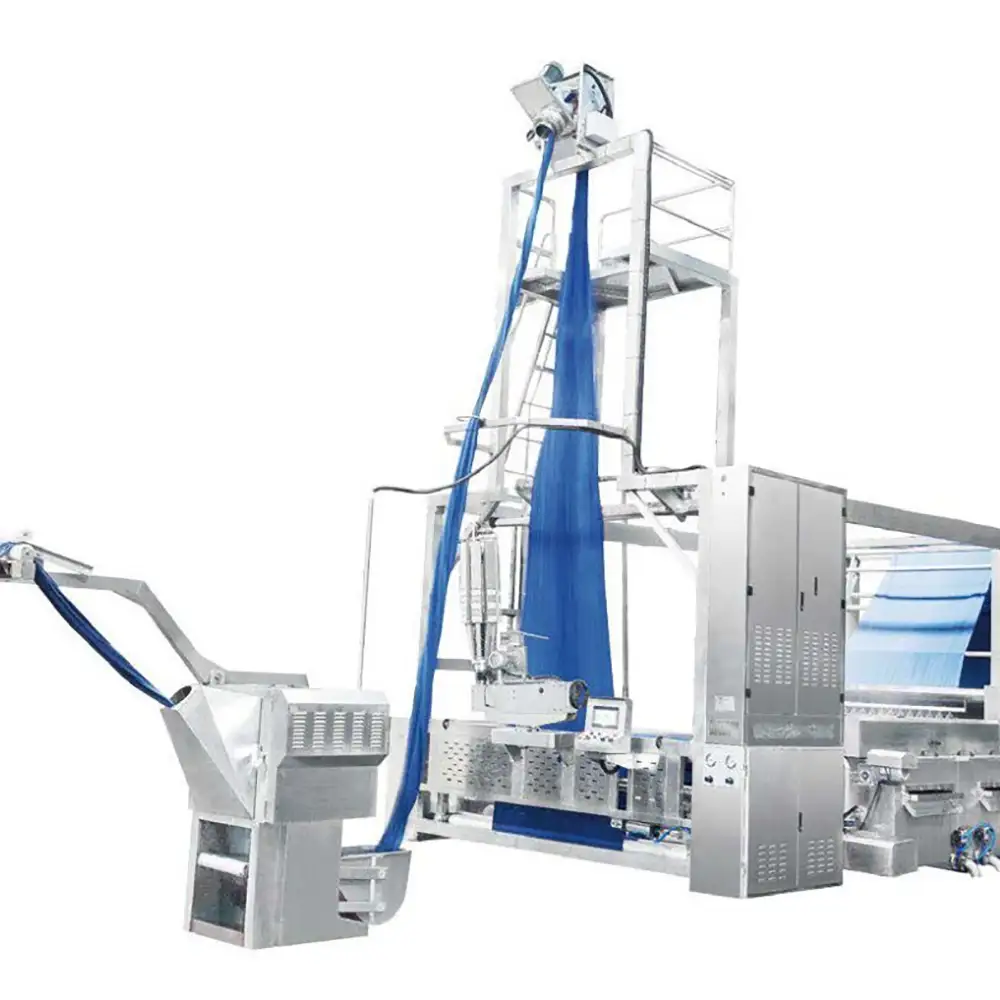
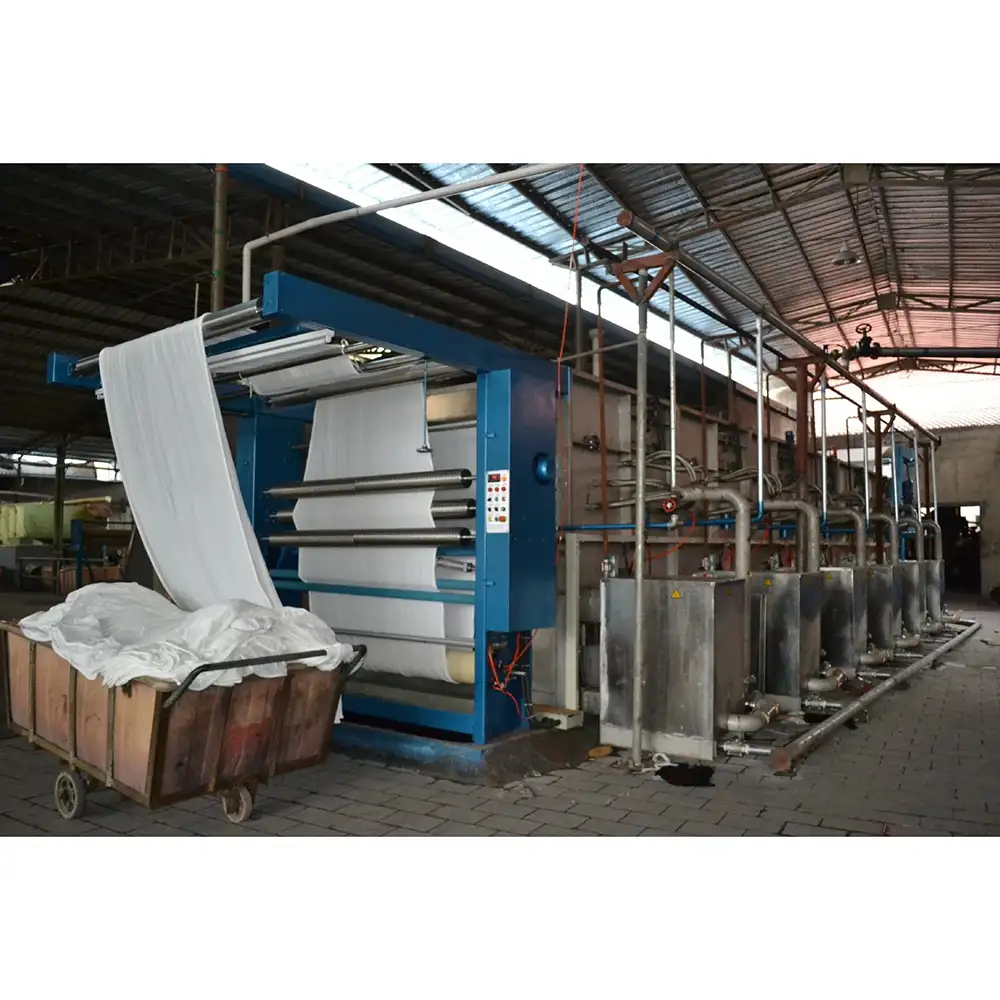
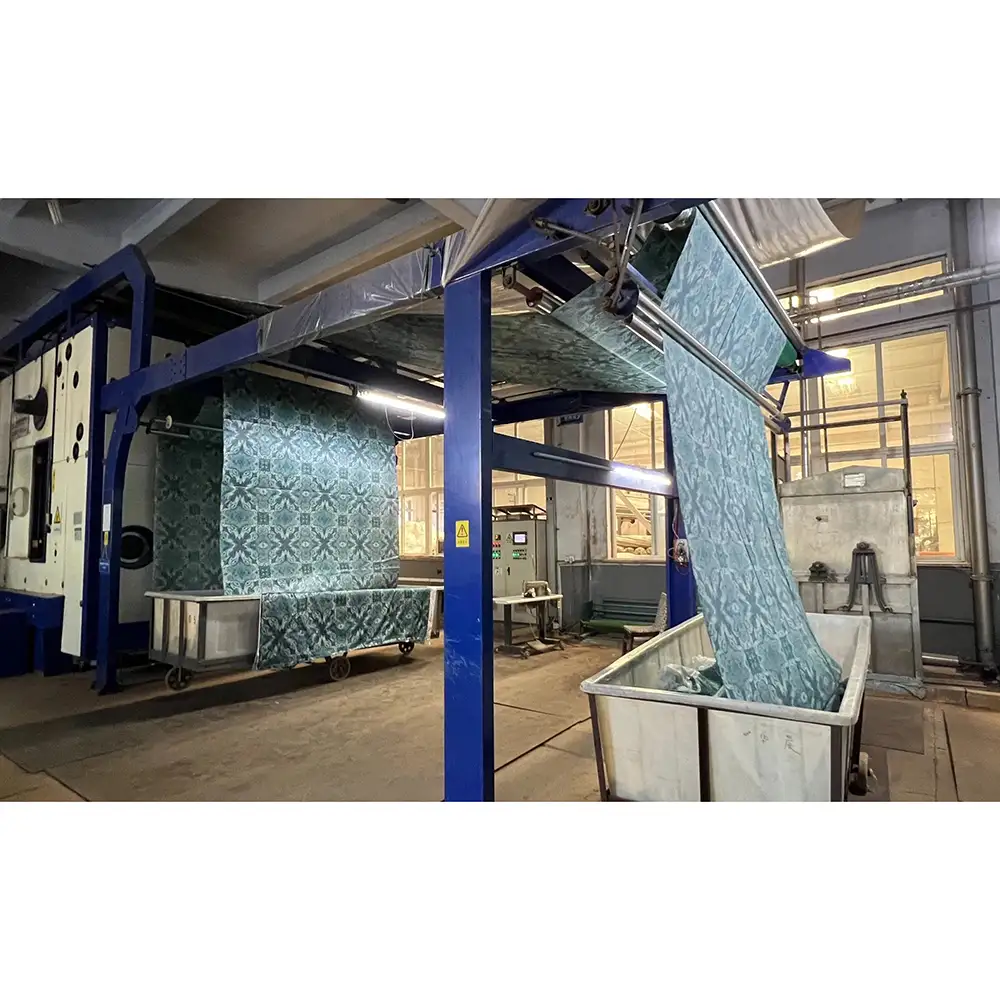
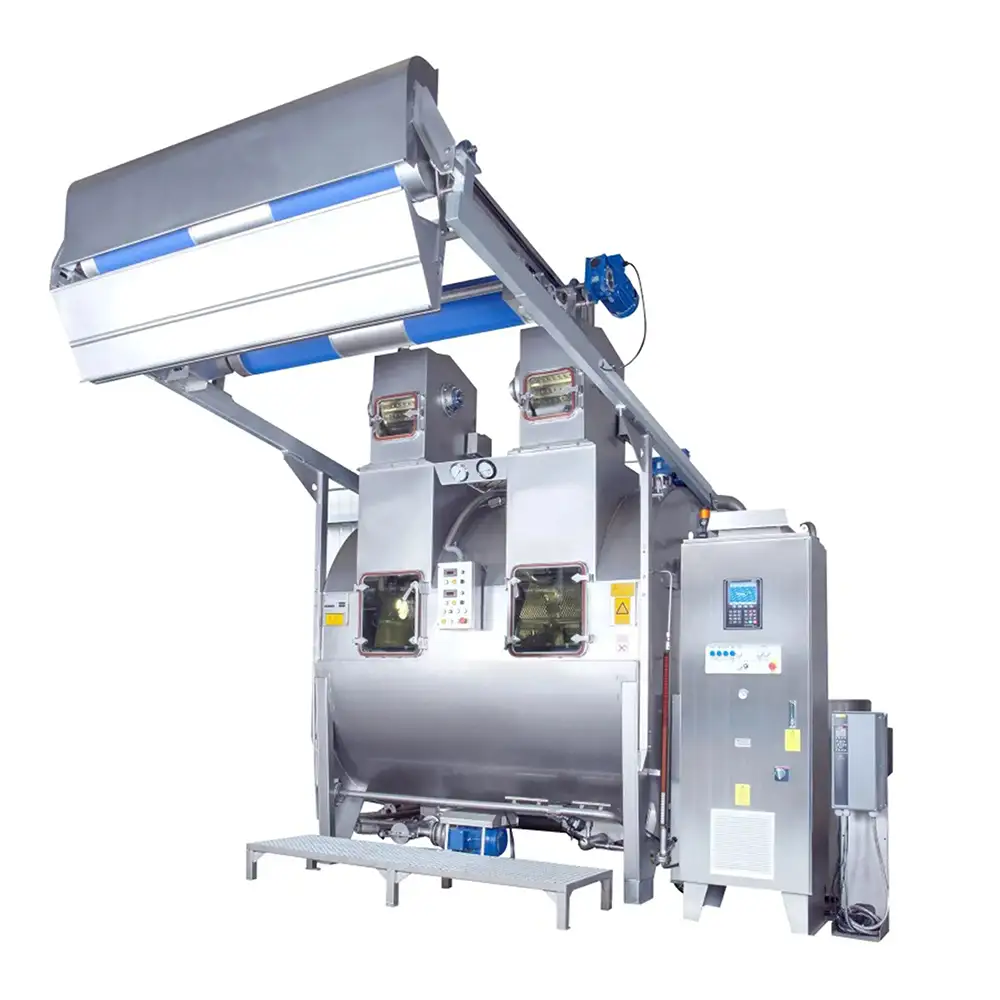
The Knit Fabric Open Width Scouring and Bleaching Mercerizing Printing Dyeing Machine is an integrated textile processing solution designed for continuous treatment of knitted fabrics in open-width form. It combines key textile preparation and finishing processes, including scouring, bleaching, mercerizing, printing, and dyeing, helping textile manufacturers improve fabric quality, production efficiency, and process consistency.
Knitted fabrics often require careful handling because of their stretchability, softness, dimensional characteristics, and sensitivity to tension. Processing fabric in open width helps reduce rope-form wrinkles and provides a more controlled fabric path for pretreatment, dyeing, printing, and finishing operations.
The machine is suitable for textile mills, fabric dyeing plants, garment textile suppliers, home textile producers, and other facilities requiring efficient open-width knit fabric processing.
Open Width Knit Fabric Processing
The open-width configuration allows knitted fabric to be processed in a flat, continuous condition rather than in rope form. This can improve fabric handling and help minimize creasing during wet processing.
A controlled fabric feeding and spreading system guides the material through different treatment sections while maintaining appropriate fabric width and tension. This is especially useful for knitted fabrics that are prone to stretching or deformation.
Open-width processing can also improve treatment uniformity by providing better access to the fabric surface during scouring, bleaching, mercerizing, dyeing, and other chemical processes.
|
Model NO. |
WZSS-PD005 |
Handling method |
physicochemical treatment |
|
Usage |
Knit fabric |
Trademark |
|
|
Types |
Package, Compact, Small, Mini |
Applications |
Industrial, Municipal, Domestic, Medical, Ship |
|
Craft |
Flocculation sedimentation method |
Features |
Water Clarification, Filtration, Purification |
|
Service Life |
20 Years |
Operation |
Automatic |
|
Steel Plate Thickness |
>8mm |
Function |
Remove Suspended solids |
|
Voltage |
220V/ 380V/ Customerized |
Installation Type |
Onground |
|
Colour |
Grey/Silver/Blue/Balck/Customerized |
Use for |
Minerals, printing, chemicals, heavy metals, coal mining, stone processing |
|
Material |
Carbon Steel, Stain Steel, FRP, PE, PP |
Certificate |
SGS, ISO |
|
Transport Package |
Container Standard Packing |
Specification |
Carbon steel anti-corrosion |
|
Production Capacity |
1000 Sets/Year |
Origin |
China |
Scouring and Bleaching
Scouring is an important pretreatment step for removing oils, waxes, dirt, sizing residues, and other impurities from textile fibers. Effective scouring improves fabric wettability and prepares the material for subsequent bleaching and dyeing.
The bleaching section helps improve fabric whiteness and remove natural coloring substances or residual impurities. Controlled chemical concentration, temperature, processing time, and fabric speed are important for achieving uniform bleaching results.
For knitted fabrics, stable fabric transportation is particularly important because excessive tension can affect fabric dimensions and handle.
Mercerizing Process
Mercerizing is a valuable textile finishing process that can improve fabric appearance, dye affinity, smoothness, luster, and dimensional stability when suitable cotton or cellulose-based fabrics are processed under appropriate conditions.
The mercerizing machine section can provide controlled treatment conditions for fabrics that require improved surface characteristics and enhanced dye uptake.
Depending on fabric composition and production requirements, process parameters such as chemical concentration, fabric tension, temperature, and treatment time can be adjusted.
Mercerization is particularly useful for premium cotton knit fabrics where color depth, surface appearance, and dimensional stability are important.
Continuous Printing and Dyeing
The machine can be incorporated into textile printing and dyeing processes for different knitted fabric products. Continuous fabric movement supports efficient production and helps maintain consistent treatment conditions.
The dyeing process can be configured according to fabric composition, color requirements, dye type, production speed, and desired color depth. Proper control of dye concentration, temperature, fabric speed, and chemical dosing helps improve shade consistency.
For printed textiles, the system can be connected with suitable printing equipment according to the desired pattern, printing method, and production configuration.
Fabric Width and Tension Control
Maintaining stable fabric width is critical during open-width textile processing. Uneven tension may cause fabric distortion, edge curling, width variation, or other quality problems.
The machine can incorporate fabric spreading, guiding, tension control, and width adjustment systems to help maintain stable material movement.
These systems are particularly valuable when processing stretchable knit fabrics, where improper mechanical handling may negatively affect finished fabric dimensions.
Integrated Textile Pretreatment and Finishing
Combining multiple textile processes within one production line can help reduce unnecessary material handling and improve workflow efficiency.
A typical processing sequence may include fabric feeding, opening and spreading, scouring, washing, bleaching, rinsing, mercerizing, washing, dyeing or printing, drying, and subsequent finishing.
The exact configuration can be adjusted according to fabric material, production capacity, chemical process, and final product requirements.
This integrated approach is suitable for textile factories that want to improve process continuity and reduce manual transfer between individual machines.
Energy and Resource Efficiency
Modern textile processing equipment places increasing emphasis on water, steam, electricity, chemicals, and production efficiency.
Optimized washing sections, controlled chemical dosing, efficient heating, and suitable liquid circulation can help reduce unnecessary resource consumption. Heat recovery or water recycling systems may also be incorporated where appropriate.
Reducing water and energy consumption can help lower operating costs while supporting more sustainable textile production.
Applications
The Knit Fabric Open Width Scouring and Bleaching Mercerizing Printing Dyeing Machine can be used for a wide range of textile applications, including:
Cotton Knit Fabric
Jersey Fabric
Rib Knit Fabric
Interlock Fabric
Blended Knit Fabric
Apparel Fabric
Home Textile Fabric
Fashion Textile
Dyed Knit Fabric
Printed Knit Fabric
The actual process configuration should be selected according to fiber composition, fabric weight, width, stretchability, color requirements, and desired finishing effects.
Easy Operation and Maintenance
The machine can be equipped with centralized controls for monitoring fabric speed, temperature, chemical dosing, liquid levels, tension, and other important parameters.
Operators can adjust processing conditions according to different fabric types and production requirements. Regular inspection of rollers, pumps, valves, heating components, fabric guides, sensors, and chemical circulation systems helps maintain stable performance.
Routine cleaning is also important because textile chemicals, dyes, fibers, and residues may accumulate in processing sections over time.
Why Choose Us
Choosing an integrated open-width textile processing machine can help textile producers improve production consistency while simplifying fabric pretreatment and finishing operations.
Our solutions focus on:
Open-Width Processing: Designed for continuous processing of knitted fabric in open width.
Integrated Functions: Scouring, bleaching, mercerizing, printing, and dyeing can be combined according to production requirements.
Stable Fabric Handling: Fabric spreading and tension control help reduce wrinkles and deformation.
Uniform Treatment: Controlled chemical, temperature, speed, and washing parameters support consistent results.
Flexible Configuration: Suitable for different knit fabrics, production capacities, and finishing requirements.
Improved Dyeing Performance: Pretreatment and mercerization can improve fabric preparation and dye affinity.
Efficient Production: Continuous operation helps reduce unnecessary fabric handling.
Practical Maintenance: Key processing components are accessible for inspection, cleaning, and servicing.
Frequently Asked Questions
1. What is an open-width fabric processing machine?
It is textile equipment designed to process fabric in a flat, open-width condition instead of rope form, making it suitable for continuous pretreatment, dyeing, printing, and finishing.
2. Can this machine process knitted fabric?
Yes. It is specifically designed for open-width processing of knit fabrics, including cotton and suitable blended fabrics.
3. What is the purpose of scouring?
Scouring removes oils, waxes, dirt, and other impurities from fabric and improves wettability before bleaching, dyeing, printing, or finishing.
4. Why is bleaching used?
Bleaching improves fabric whiteness and removes natural pigments and residual impurities to prepare the fabric for subsequent color processing.
5. What does mercerizing do to cotton fabric?
Mercerizing can improve luster, smoothness, dye affinity, appearance, and dimensional stability when suitable cotton or cellulose-based fabrics are processed correctly.
6. Can the machine perform dyeing and printing?
Yes. The production line can be configured for fabric dyeing, printing, or both depending on the required process and downstream equipment.
7. Is it suitable for stretch knit fabrics?
It can be suitable for many stretchable knit fabrics when the machine is correctly configured with appropriate fabric tension, spreading, and guiding systems.
8. Can fabric width be controlled?
Yes. Open-width fabric processing lines can incorporate spreading, guiding, width adjustment, and tension-control systems.
9. Can the machine reduce water consumption?
The overall water consumption depends on the process configuration, but optimized washing, chemical dosing, circulation, and water-reuse solutions can help reduce resource consumption.
10. What information is required to select the machine?
Important information includes fabric type, fiber composition, fabric width, fabric weight, production capacity, dyeing requirements, bleaching process, mercerizing requirements, and desired finished fabric properties.
Prev:Sorry, no information
Next:
Fixed Colouring Blue and Chromatic Throw Away Stoving Wax Printed Cloth Machine
TAG:
Cotton Knit Fabric Dyeing,
Knitted Fabric Dyeing,
Knitted Fabric Processing,
Knitted Fabric Finishing,
Knitted Fabric Bleaching,
Knitted Fabric Scouring,
Knitted Fabric Mercerizing,
Knitted Fabric Printing,
Fabric Pretreatment Machine,
Textile Wet Processing Machine,
Textile Wet Processing Equipment,
Wet Processing Machine,
Wet Processing Equipment,
Textile Chemical Processing Machine,
Fabric Chemical Processing Equipment,
Textile Washing Machine,
Fabric Washing Equipment,
Industrial Fabric Dyeing System,
Industrial Textile Dyeing System,
Textile Finishing Machine,
Fabric Finishing Machine,
Textile Finishing Equipment,
Fabric Finishing Equipment,
Continuous Textile Processing Machine,
Continuous Fabric Processing Equipment,
Knitwear Processing Machine,
Knitwear Dyeing Machine,
Knitwear Finishing Equipment,
Jersey Fabric Dyeing Machine,
Cotton Knit Fabric Machine,
Related Category:
Knit Fabric Open Width Machine, Open Width Scouring Machine, Fabric Bleaching Machine, Mercerizing Machine, Knit Fabric China, suppliers, manufacturers, factory, customized, wholesale, quotation, made in China