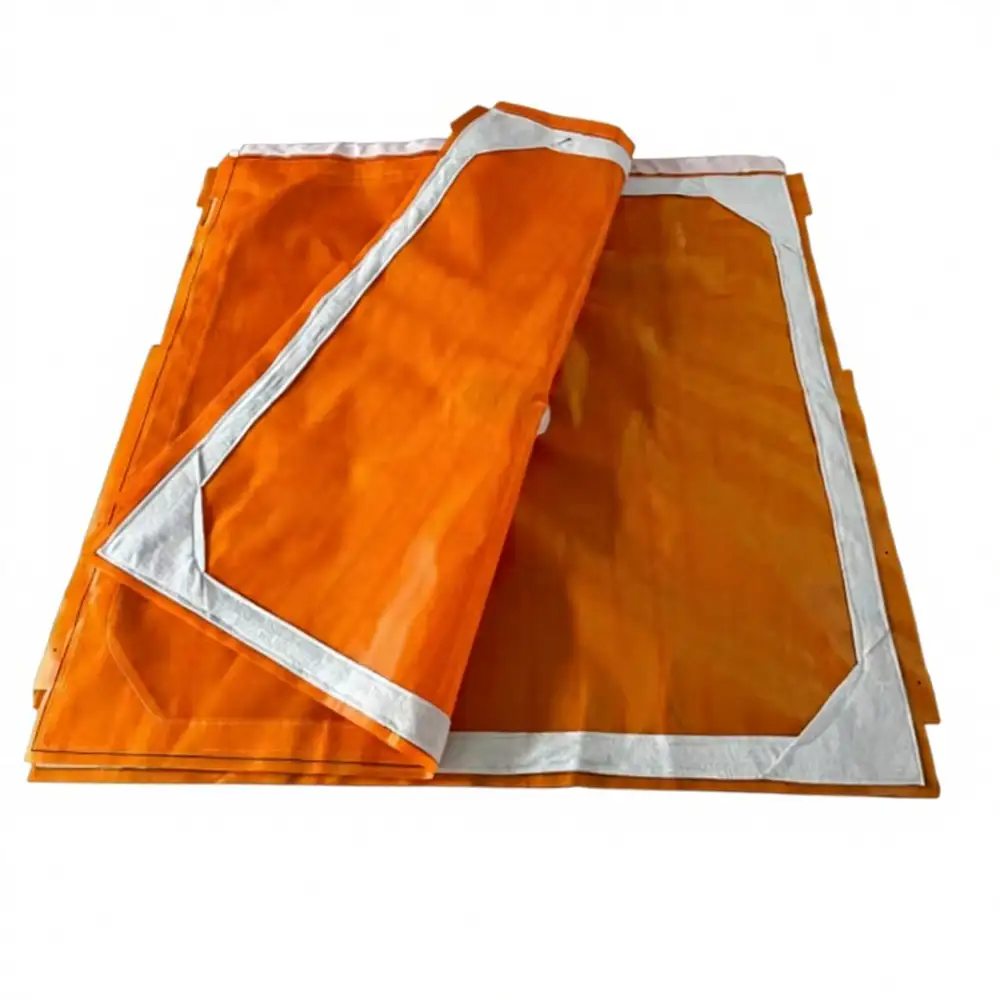
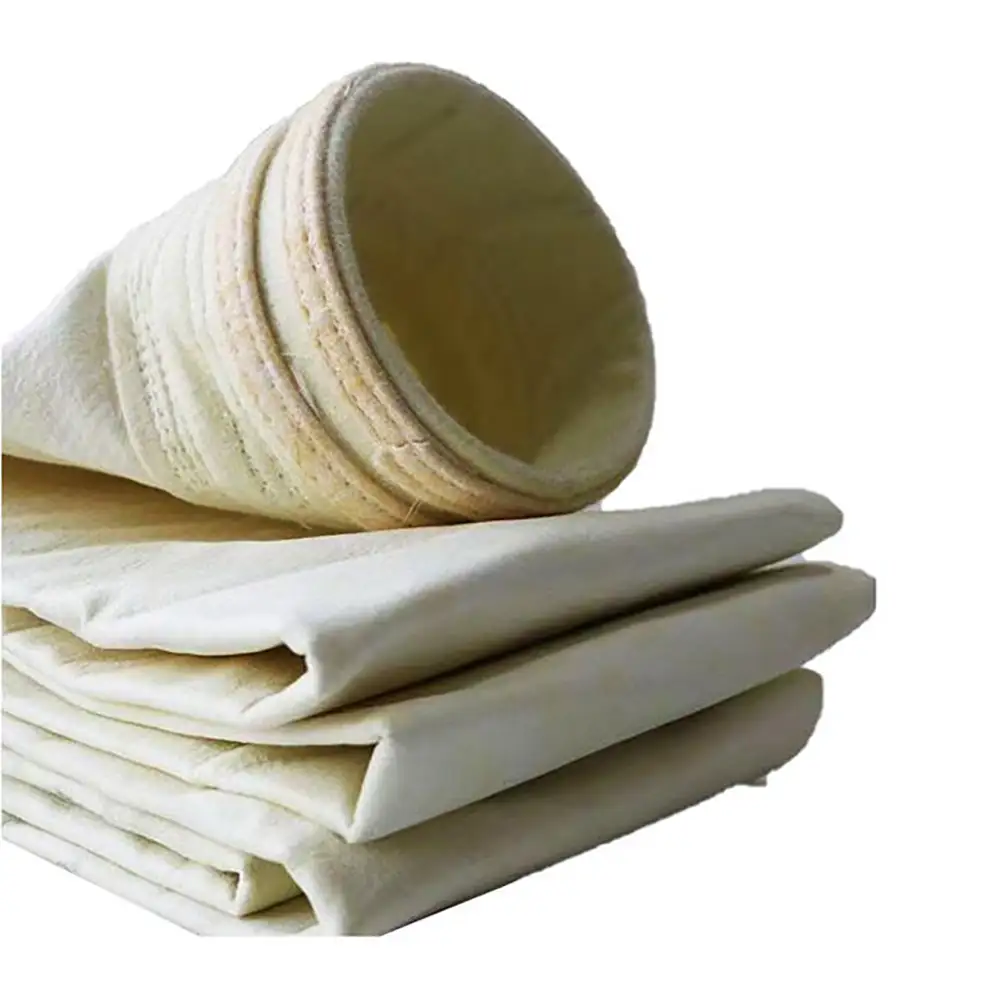
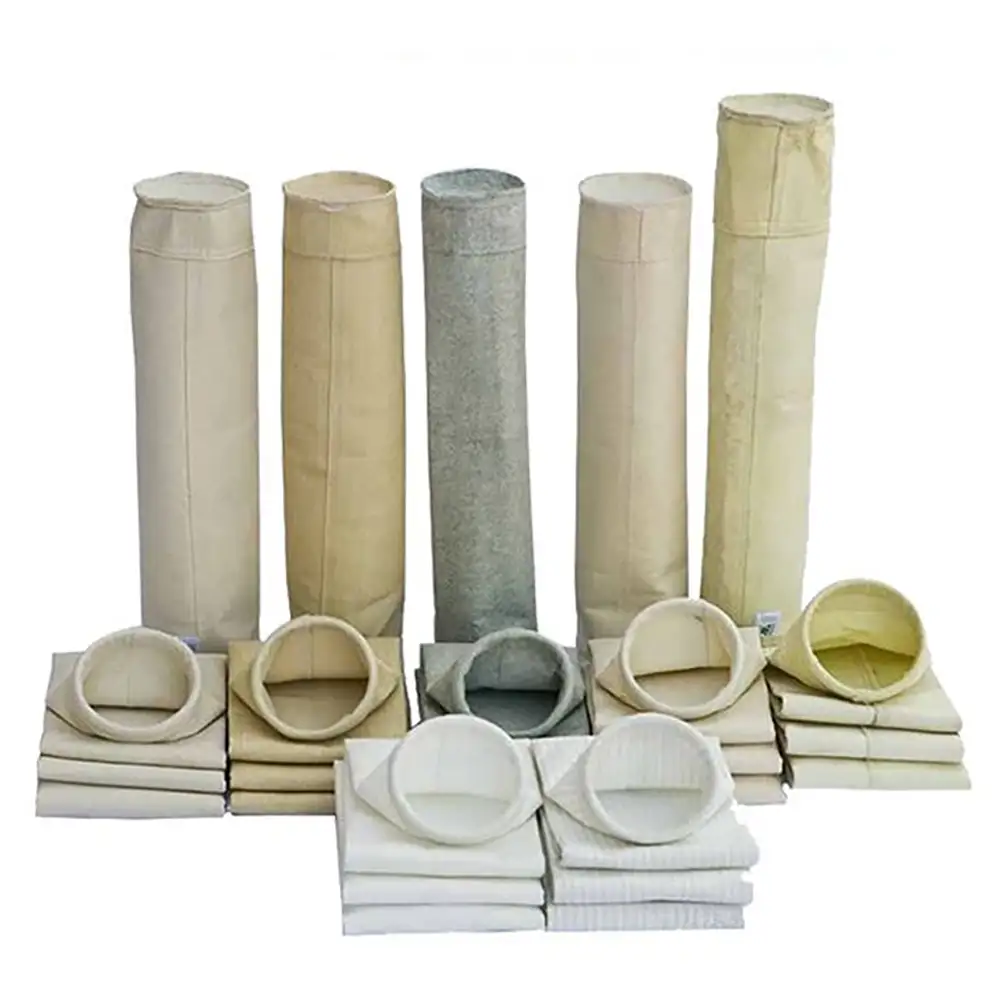
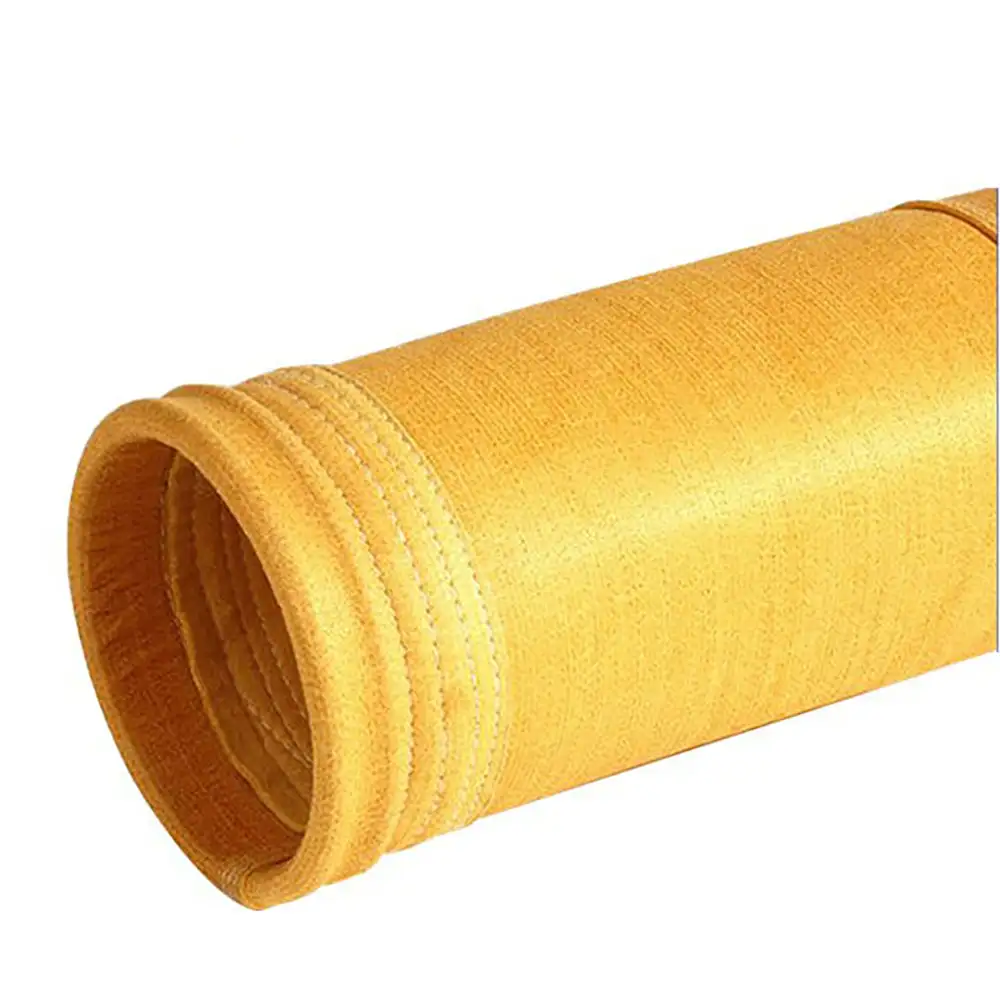
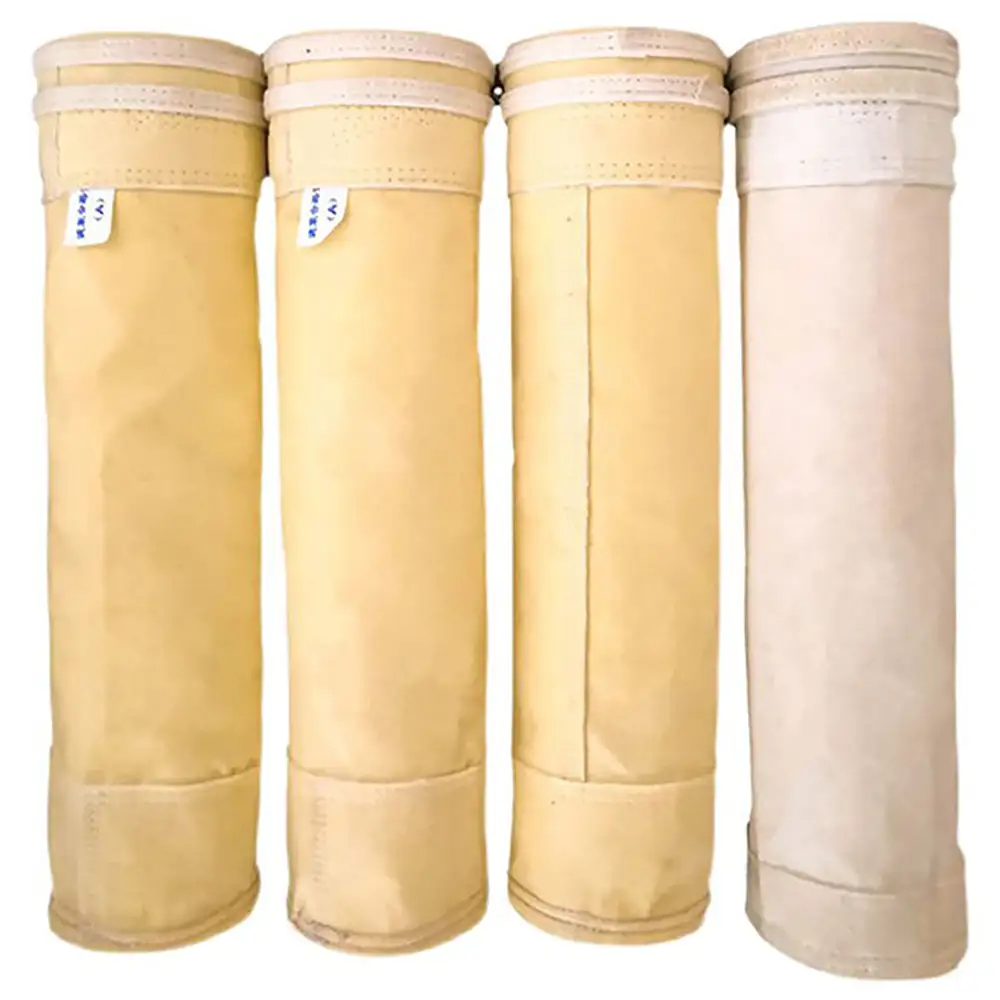
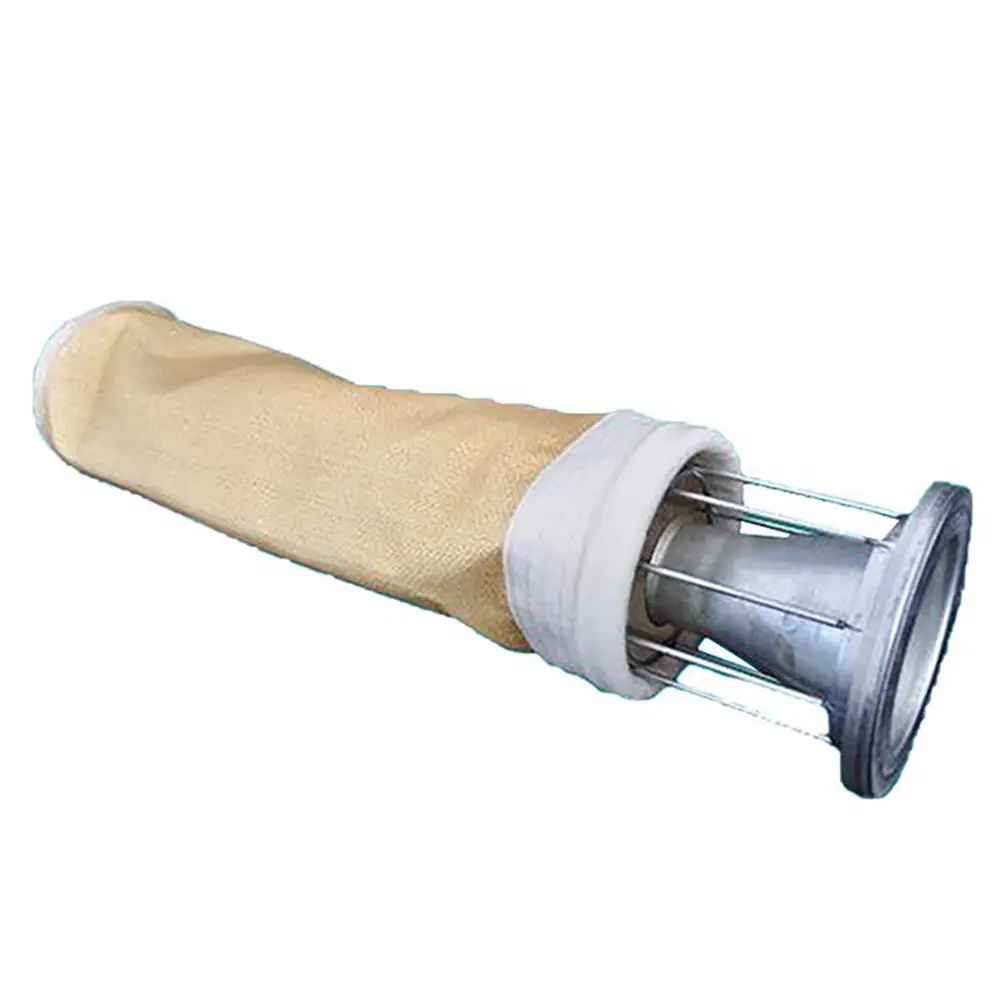
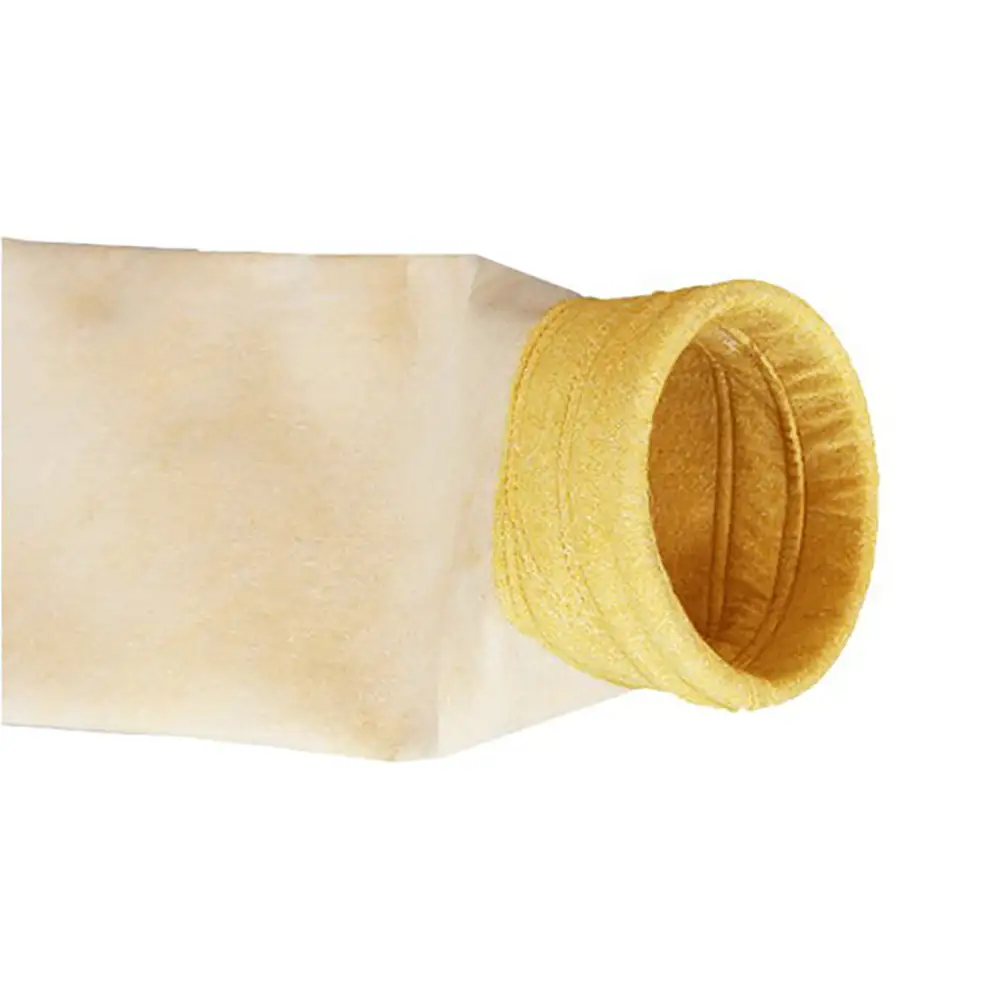
Filter Press Cloth are widely used in industrial field of petroleum, electric power,iron and steel, automobile, shipbuilding, aviation, electronics, chemicals,tobacco, cement, rubber, wood, ceramics, food, pharmaceutical, water treatment etc
Other application of 20 30 40 50 60 70 80 100 micron nylon filter mesh 1, Coarse dust pre-filtration of air conditioning ventilation system 2. Nylon filter mesh fabric with acid and alkali resistant ventilation and filtration place 3, the use of refrigeration and air conditioning products and equipment 4. Air purifiers and air purification treatment equipment, etc. 5, The project dustproof initial effect filtration
Filter Press Cloth is a critical filtration component used in filter press systems for solid-liquid separation. Installed between filter plates, the cloth acts as the filtration medium: liquid passes through the woven or specially engineered fabric while suspended solids are retained to form a filter cake. The correct cloth design directly affects filtrate clarity, filtration speed, cake formation, cake release, washing performance, and overall filter press productivity.
A filter press cloth can be manufactured from polypropylene (PP), polyester (PET), nylon/polyamide, cotton, PTFE, and other specialized materials. Available constructions include monofilament, multifilament, woven, and other engineered filtration fabrics. Micron ratings, weave patterns, fabric weight, thickness, permeability, and plate configuration can be selected according to the slurry and filtration objective.
What Is Filter Press Cloth?
Filter press cloth is a specially manufactured filtration fabric designed to fit filter press plates. During the filtration cycle, slurry is pumped into the press under pressure. The liquid phase passes through the filter cloth and drainage channels in the plates, while solid particles accumulate on the cloth surface and gradually form a filter cake.
The cloth therefore performs two important functions:
Retaining suspended solids
Allowing filtrate to pass through efficiently
A properly selected cloth should provide an appropriate balance between particle retention, filtrate flow, mechanical strength, cake release, chemical resistance, and service life.
Filter press cloths can be manufactured in different configurations, including center-feed, corner-feed, gasketed, non-gasketed, and custom-cut designs to match different filter plate arrangements.
Filter Press Cloth Materials
Polypropylene Filter Press Cloth
Polypropylene (PP) is one of the most widely used filter cloth materials. It provides good chemical resistance and is suitable for many industrial, wastewater, chemical, mineral processing, and sludge dewatering applications.
PP cloth is commonly selected where resistance to acids and alkalis, economical operation, and easy cleaning are important. Temperature limitations depend on the exact fabric construction and operating conditions.
Polyester Filter Press Cloth
Polyester (PET) provides good dimensional stability and is widely used in industrial filtration. It can be suitable for applications requiring higher temperature capability than standard polypropylene, subject to the specific cloth construction.
PET filter cloth is used in wastewater, chemical processing, mining, food, pharmaceutical, and general industrial filtration.
Nylon Filter Press Cloth
Nylon or polyamide filter cloth provides good mechanical strength and flexibility. It can be selected for applications where a combination of strength, flexibility, and filtration performance is required.
PTFE Filter Cloth
PTFE is used for more demanding chemical or temperature environments where conventional synthetic fabrics may not provide the required resistance. It is generally a specialized option rather than a standard-purpose filter cloth.
Cotton Filter Cloth
Cotton can be used for selected filtration applications where its particular material characteristics are suitable. The operating temperature, chemical compatibility, cleaning process, and required service life should be evaluated before selection.
Filter Cloth Micron Rating
Filter cloth micron rating is an important specification describing the approximate filtration opening or particle retention capability of a filtration medium. Available ratings vary significantly depending on material, weave, yarn diameter, and construction. Commercial filter press cloth products may cover fine to relatively coarse filtration ranges.
A finer micron rating generally provides greater retention of small particles, but it does not automatically mean better overall filtration performance.
For example:
Fine Micron Rating: Higher particle retention and potentially clearer filtrate, but greater filtration resistance may reduce flow.
Medium Micron Rating: A balance between filtrate clarity and throughput for many general industrial slurries.
Coarser Micron Rating: Higher permeability and flow can be useful when larger particles dominate the slurry.
The correct rating should therefore be selected based on particle-size distribution, slurry concentration, desired filtrate clarity, pressure, cycle time, and cake characteristics rather than micron number alone.
Micron Rating vs Mesh Count
Micron rating and mesh count should not be treated as interchangeable specifications.
Mesh count describes the number of openings or threads within a defined length of fabric, while micron rating relates more directly to the filtration opening or particle retention capability.
Two filter fabrics can have a similar mesh count but different filtration performance because yarn diameter, weave construction, thread shape, and fabric finishing can change the actual opening.
For this reason, buyers should provide both the required filtration target and existing filter cloth information whenever possible.
Filter Press Cloth Weave Patterns
The weave structure influences filtration flow, particle retention, mechanical strength, and cake release.
Plain Weave
Plain weave provides a relatively tight and stable structure and can be suitable when fine particle retention is important.
Twill Weave
Twill weave can provide a balance between filtration permeability, strength, and cake release. It is commonly considered for medium-duty industrial filtration applications.
Satin Weave
Satin constructions can provide a smoother cloth surface and good cake-release characteristics, which can be valuable when filter cake adhesion is a concern.
Monofilament Filter Cloth
Monofilament yarns create a relatively smooth surface and can offer good cake release and cleaning characteristics.
Multifilament Filter Cloth
Multifilament construction can provide different particle retention and filtration characteristics because multiple smaller fibers form the yarn structure.
The appropriate construction depends on the slurry and required filtration performance.
Filter Press Cloth for Different Filter Presses
Filter cloth must be accurately matched to the filter plate.
Common applications include:
Chamber Filter Press
Recessed Chamber Filter Press
Plate and Frame Filter Press
Membrane Filter Press
Automatic Filter Press
Industrial Sludge Filter Press
Cloth dimensions, feed opening, drainage area, attachment points, gasket configuration, and plate thickness should all be considered.
A poorly matched cloth can cause leakage, bypass, premature wear, poor cake formation, or installation problems.
Filter Press Cloth Applications
Filter press cloth is widely used for industrial solid-liquid separation in:
Wastewater Treatment
Filter cloth is used for sludge dewatering in municipal and industrial wastewater treatment systems. Proper cloth selection can help produce a manageable filter cake while allowing efficient filtrate drainage.
Mining and Mineral Processing
Mining applications may involve high solids concentration and abrasive particles. Strong filter cloth with suitable wear resistance and particle retention is often required.
Chemical Processing
Chemical filtration requires careful material compatibility. PP, PET, PTFE, nylon, and other materials can be selected according to the chemical environment.
Food and Beverage
Filter cloth can be used for selected food-processing filtration applications. Where direct food contact is involved, the exact material and compliance documentation should be verified.
Pharmaceutical Processing
Pharmaceutical filtration may require controlled filtration performance, suitable cleanliness, chemical compatibility, and traceable materials.
Cement and Industrial Slurries
Filter presses can be used to separate water from mineral, cement-related, and other industrial slurries.
How to Select the Correct Filter Press Cloth
When ordering filter press cloth, provide as much process information as possible.
Important specifications include:
Filter Press Type
Filter Plate Size
Cloth Length and Width
Feed Opening Diameter
Center Feed or Corner Feed
Gasketed or Non-Gasketed Construction
Filter Cloth Material
Micron Rating
Mesh or Weave Type
Monofilament or Multifilament
Fabric Weight
Cloth Thickness
Slurry Type
Particle Size
Filtration Pressure
Operating Temperature
Chemical Conditions
Desired Cake Release Characteristics
Matching the cloth to the actual slurry is more reliable than selecting a filter cloth solely according to nominal micron rating.
Filter Press Cloth Maintenance
Regular cloth maintenance can improve filtration consistency and service life.
After filtration, inspect the cloth for tears, blocked pores, excessive blinding, chemical damage, edge wear, and deformation. Cake should be removed according to the filter press manufacturer's recommended discharge procedure.
Cloth washing may be required when particles accumulate within the fabric structure. The cleaning method should be compatible with the cloth material and process residue.
For example, aggressive chemicals or excessive cleaning pressure can damage a fabric even when the material itself has good chemical resistance.
Correct cloth installation is equally important. Wrinkles, misalignment, blocked feed openings, or improperly fitted gasket areas can reduce filtration performance and create leakage.
Custom Filter Press Cloth Manufacturing
Filter press cloth can be customized according to filter plate dimensions and process requirements.
Available customization may include:
Custom Plate Sizes
Center-Feed Openings
Corner-Feed Openings
Gasketed Edges
Non-Gasketed Edges
Reinforced Eyelets
Neck or Barrel Sections
Custom Stitching
Welded Construction
Different Micron Ratings
Different Weave Patterns
Special Material Combinations
Custom fabrication is particularly useful when replacing an existing cloth because the manufacturer can reproduce the original dimensions and attachment configuration.
Why Choose Us
We provide application-focused Filter Press Cloth and Micron-Rated Filtering Mesh solutions for industrial solid-liquid separation.
Multiple Filter Media Materials: PP, PET, nylon, cotton, PTFE, and specialized constructions depending on application requirements.
Wide Micron Selection: Fine, medium, and coarse filtration options can be selected according to particle size and filtrate requirements.
Multiple Weave Patterns: Plain, twill, satin, monofilament, and multifilament constructions are available.
Custom Plate Compatibility: Cloth dimensions, feed openings, gasket configurations, and attachment details can be manufactured to match filter presses.
Industrial Applications: Suitable for wastewater, mining, chemicals, food, pharmaceuticals, minerals, cement, and general process filtration.
Application-Based Selection: Cloth selection can consider slurry particle size, pressure, temperature, chemical compatibility, flow rate, and cake-release requirements.
OEM & Replacement Supply: Suitable for filter press manufacturers, system integrators, distributors, maintenance departments, and industrial end users.
FAQs
1. What is filter press cloth?
Filter press cloth is a filtration fabric installed on filter press plates to separate solid particles from liquid. It retains solids to form a filter cake while allowing filtrate to pass through.
2. What materials are used for filter press cloth?
Common materials include polypropylene, polyester, nylon, cotton, and PTFE. Material selection depends on chemical compatibility, temperature, mechanical requirements, and filtration conditions.
3. What does filter cloth micron rating mean?
Micron rating indicates the approximate filtration opening or particle-retention capability of the cloth. The actual performance also depends on weave, yarn construction, material, permeability, and slurry characteristics.
4. Is micron rating the same as mesh count?
No. Mesh count describes the fabric's thread/opening count over a defined length, while micron rating describes filtration opening or retention characteristics. They should not be treated as direct equivalents.
5. Does a smaller micron rating always provide better filtration?
Not necessarily. A finer rating may improve fine-particle retention, but it can also increase filtration resistance and reduce flow or cause faster blinding. The best selection balances clarity, flow, cycle time, and cake formation.
6. What is the difference between monofilament and multifilament filter cloth?
Monofilament cloth uses single-strand yarns and generally provides a smoother surface and good cake release. Multifilament cloth uses yarns made from multiple fibers and can provide different retention and permeability characteristics.
7. Which filter cloth is suitable for wastewater sludge?
PP and polyester are common starting materials for wastewater and sludge filtration, but the correct cloth depends on sludge particle size, concentration, pressure, temperature, desired cake dryness, and filtrate clarity.
8. Can filter press cloth be customized?
Yes. Filter cloth can be customized according to plate dimensions, feed opening, gasket style, attachment configuration, micron rating, weave, material, and other process requirements.
9. How often should filter press cloth be replaced?
There is no universal replacement interval. Cloth life depends on slurry abrasiveness, chemical exposure, pressure, cleaning frequency, washing method, cycle frequency, and mechanical handling. Replacement is generally considered when filtration performance or cloth integrity has deteriorated.
10. What information should I provide when ordering filter press cloth?
Provide filter press type, plate size, cloth dimensions, feed opening, material, micron rating, weave, slurry type, particle size, filtration pressure, temperature, chemical conditions, and whether the cloth is gasketed or non-gasketed.
Filter Press Cloth,Filter Press Filter Cloth,Filter Cloth Micron Rating,Filtering Mesh,Filter Mesh Cloth China, suppliers, manufacturers, factory, customized, wholesale, quotation, made in China