As an emerging energy source, biogas is increasingly widely used. my country's environmental protection standards strictly stipulate that when using biogas energy, the H2S content in biogas gas shall not exceed 20mg/m3. Whether in industrial or civil gas, H2S must be removed as much as possible.
When biogas is produced from anaerobic fermentation equipment, especially when fermented at medium or high temperatures, it carries a large amount of H2S. Since there is still a large amount of water vapor in biogas, the water and H2S in biogas work together to accelerate the corrosion and blockage of metal pipes, valves and flow meters. In addition, SO2 generated after H2S combustion combines with water vapor in the combustion products to form sulfurous acid, which corrodes the metal surface of the equipment and also causes pollution to the atmospheric environment and affects human health. Therefore, before using biogas, H2S must be removed.
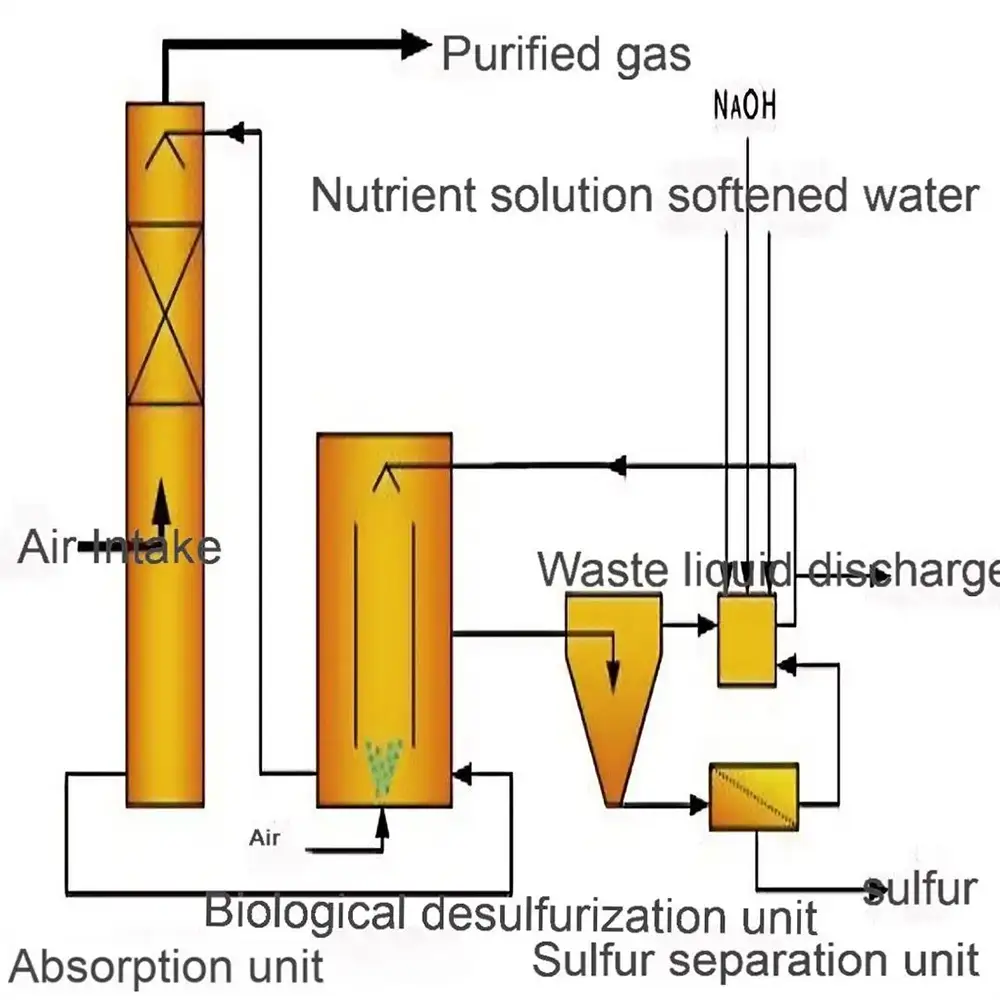
Common biogas desulfurization methods in the industry include: dry desulfurization, wet desulfurization, biological desulfurization and other desulfurization methods.
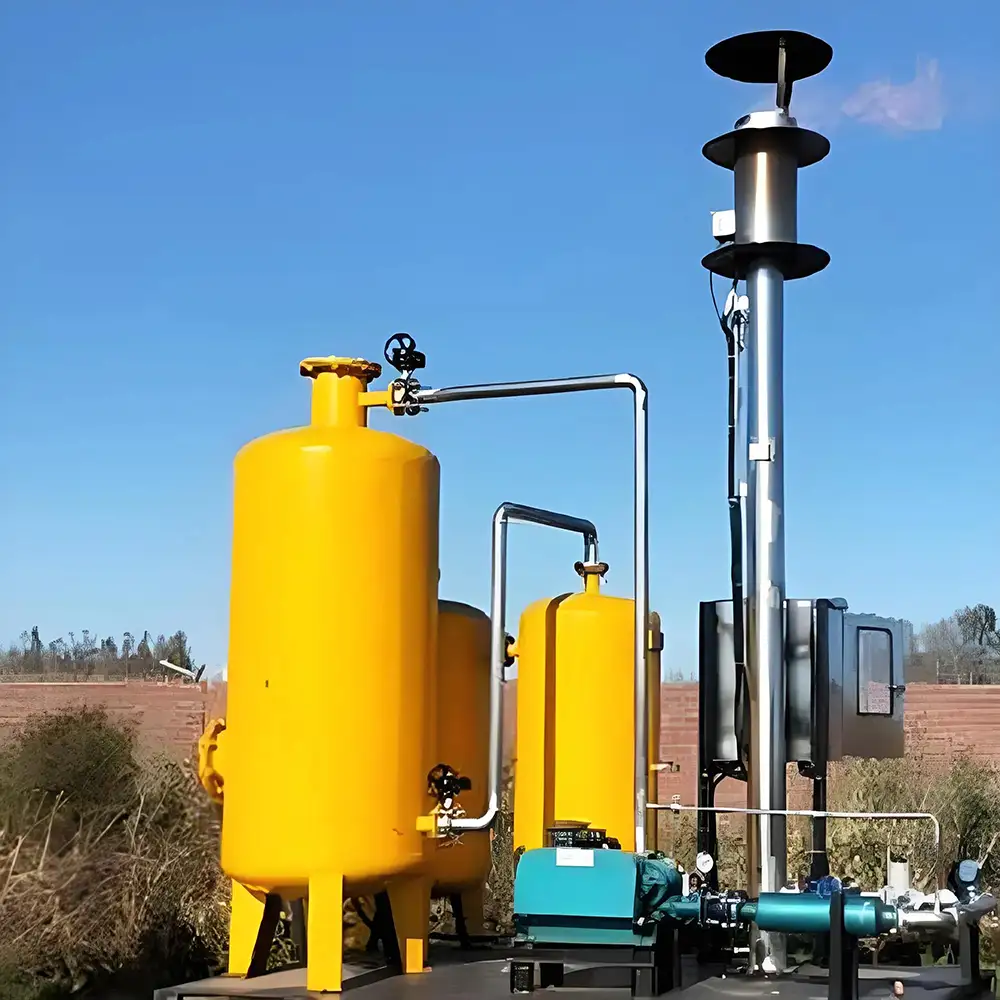
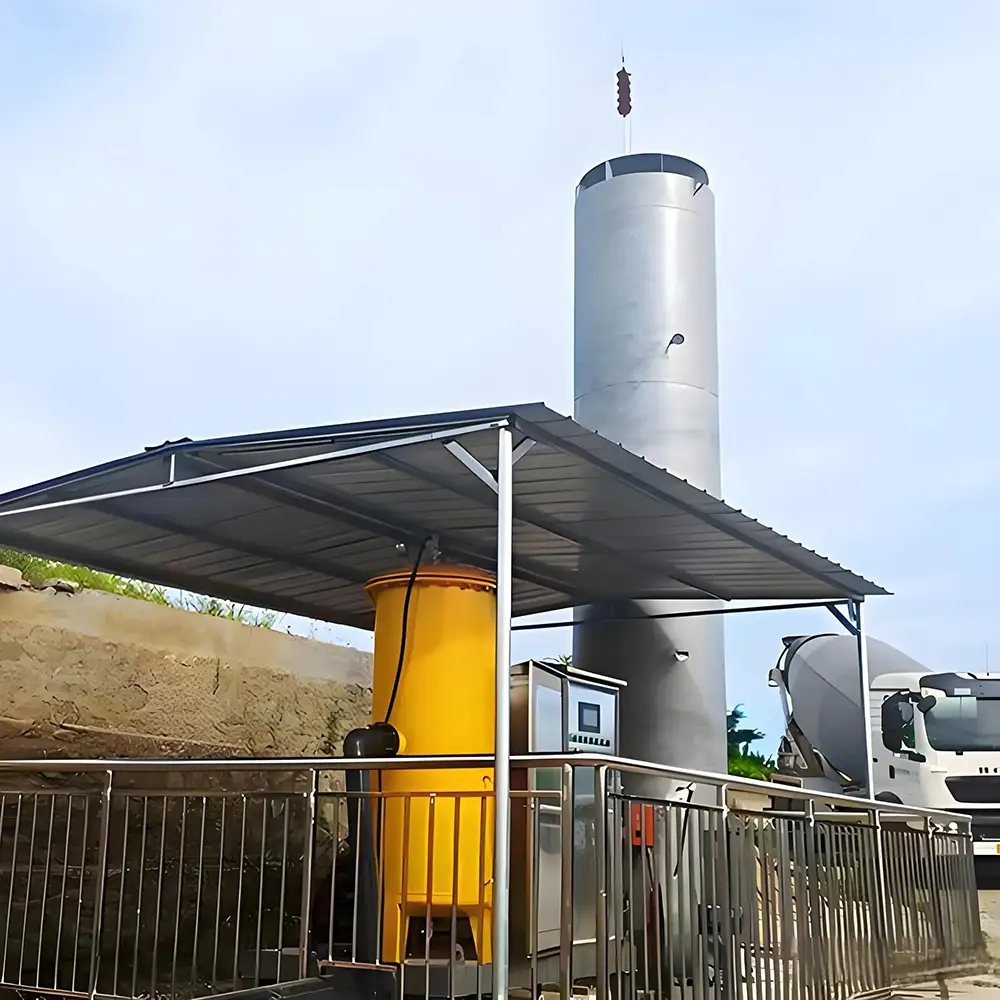
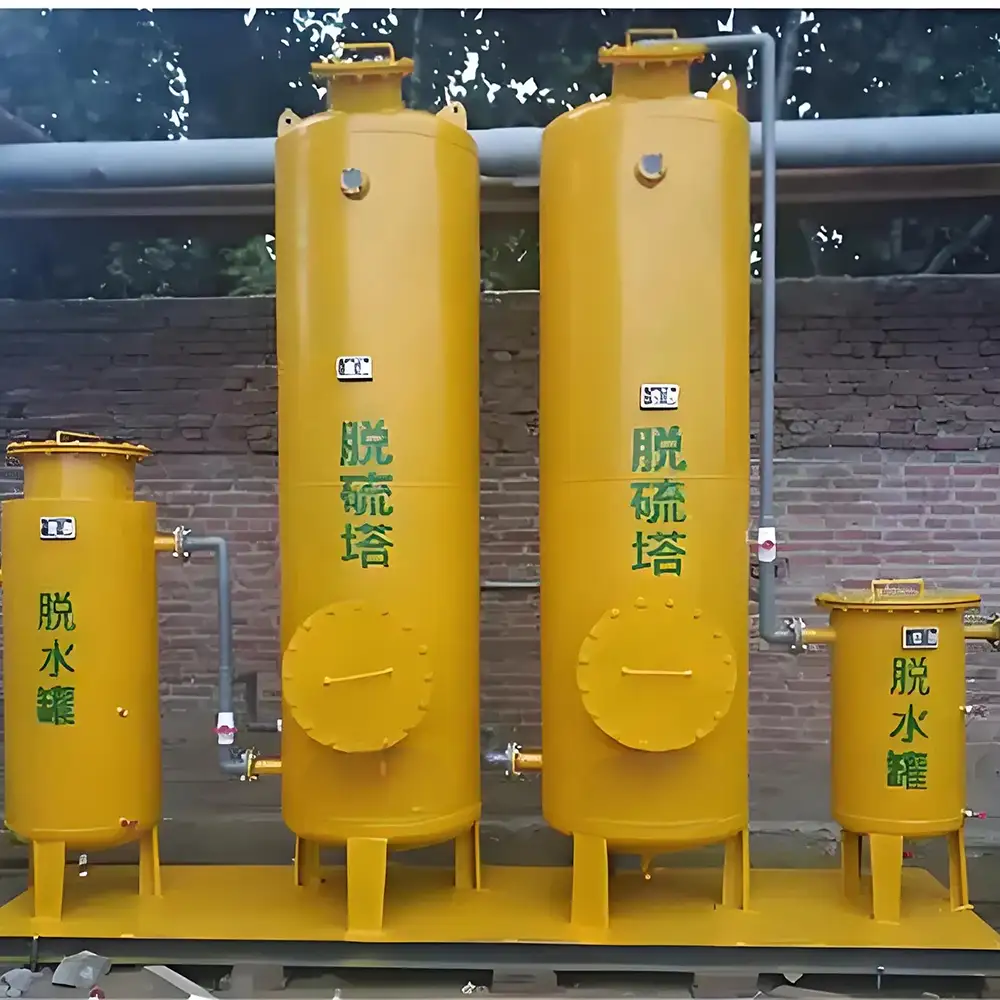
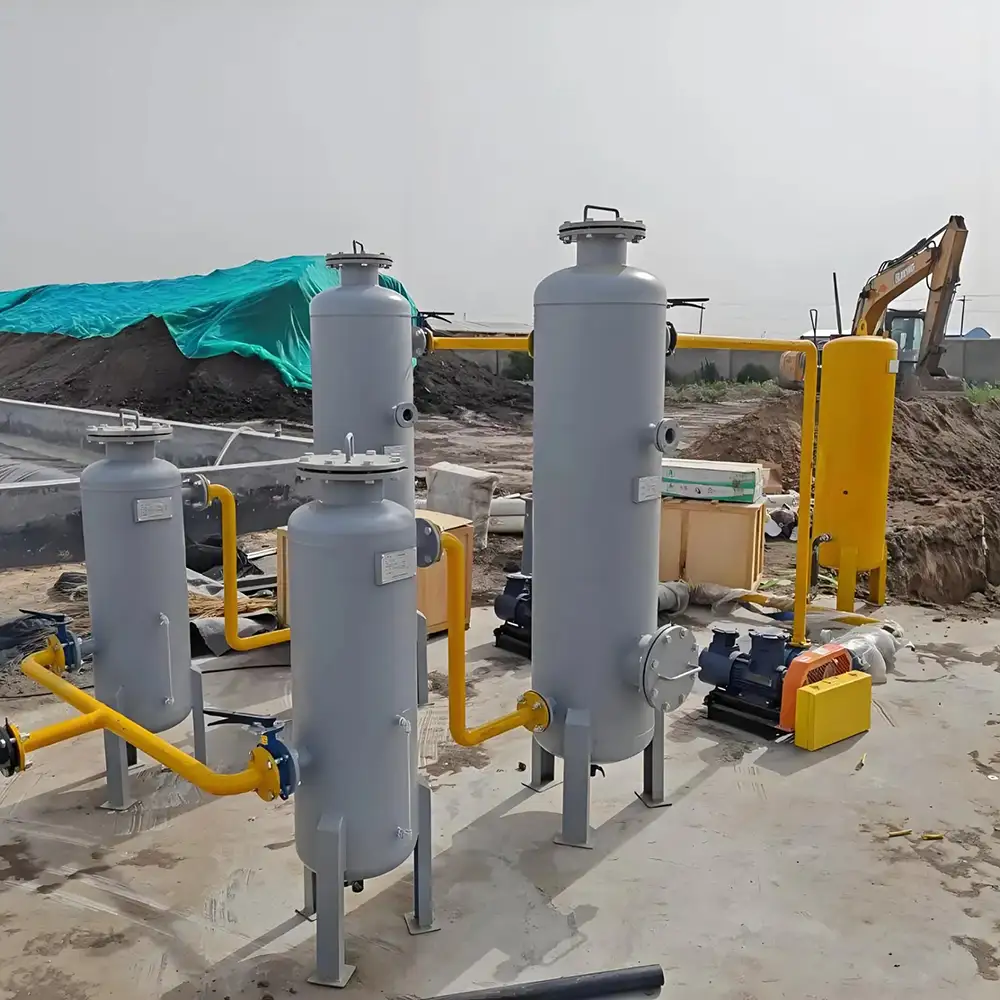
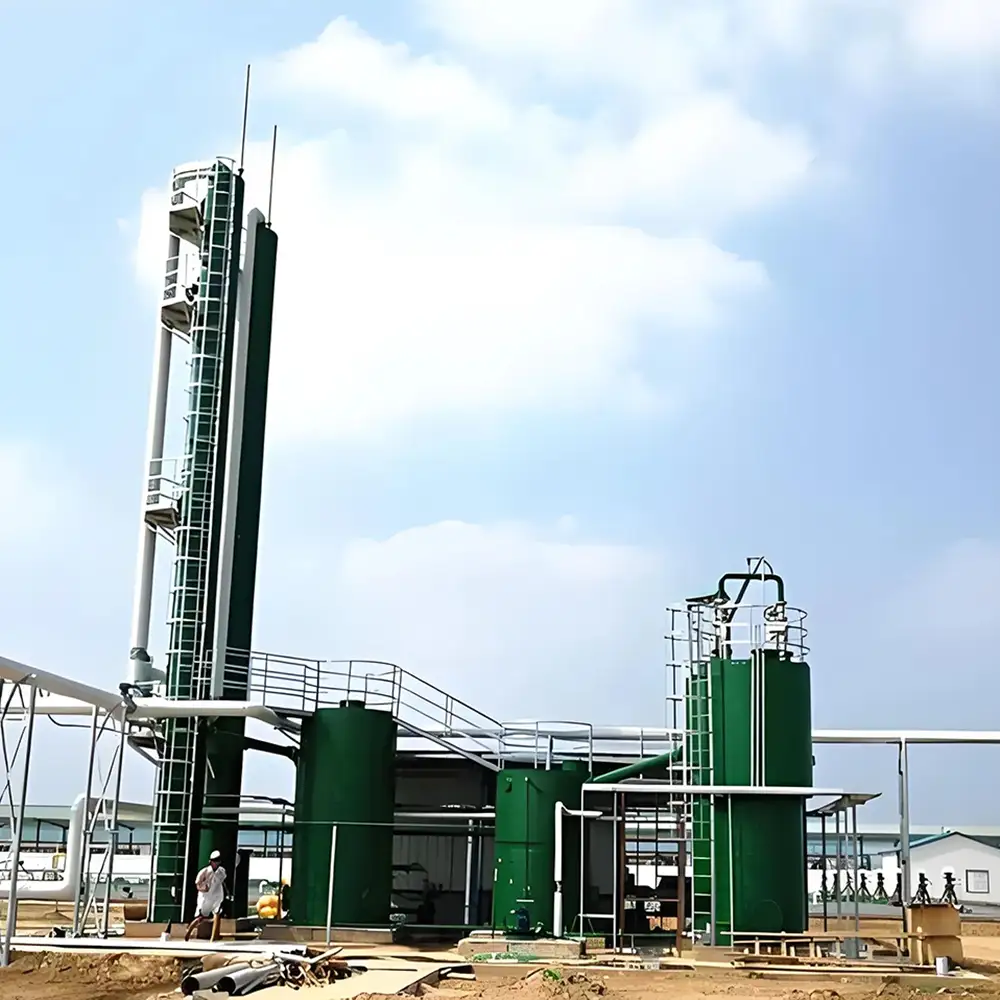
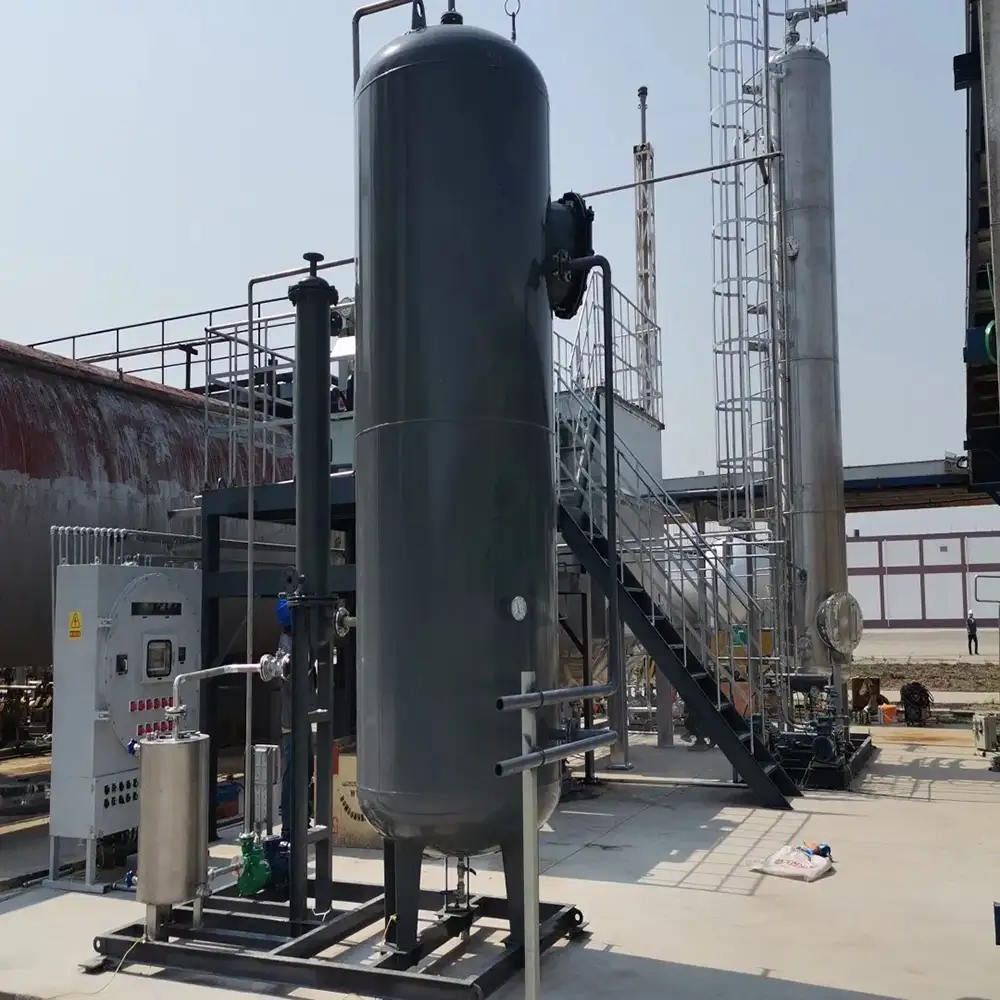
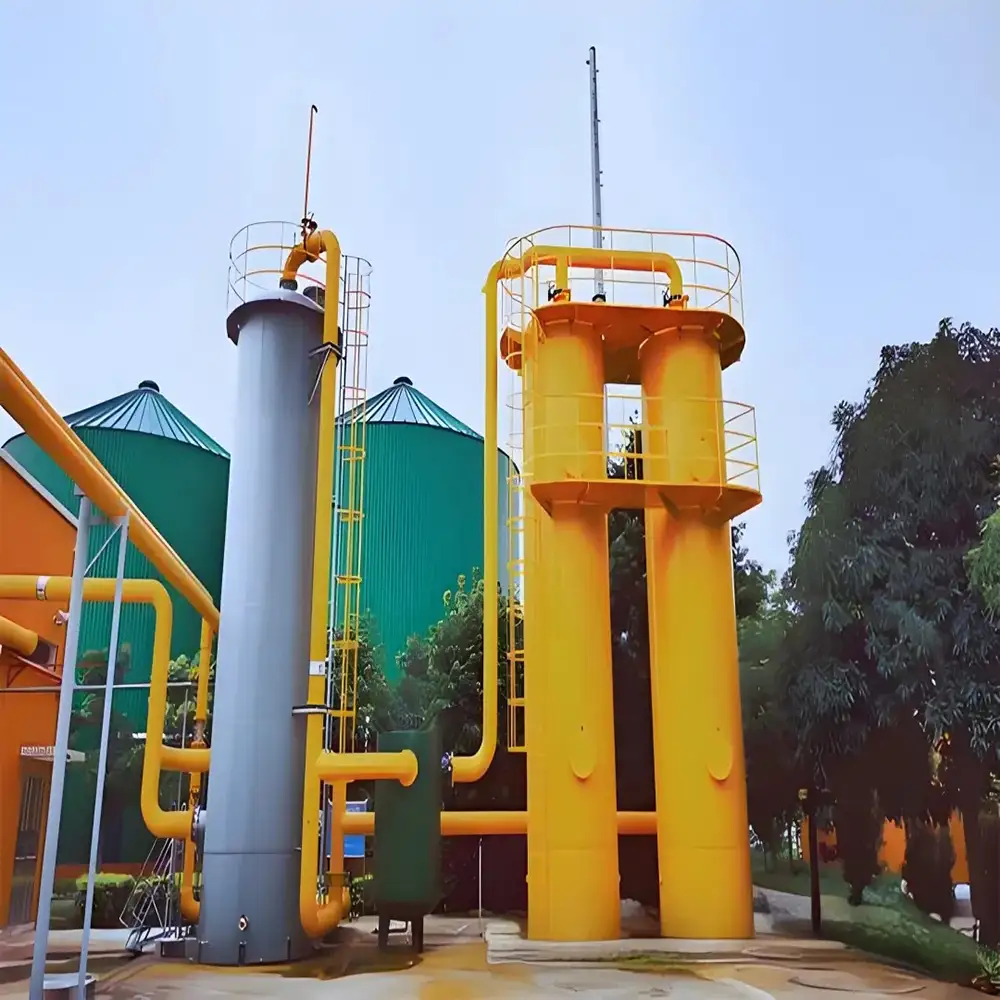
The Biogas Desulfurization and Dehydration Biogas Purification system is designed to improve raw biogas quality by reducing hydrogen sulfide, moisture, and other gas impurities before the biogas enters downstream utilization equipment. It provides an important gas-conditioning stage for anaerobic digestion systems, wastewater treatment plants, livestock farms, agricultural biogas projects, food-processing facilities, and industrial organic waste treatment applications.
Biogas is produced when biodegradable organic materials are decomposed under oxygen-free conditions. Typical feedstocks include livestock manure, agricultural residues, food waste, wastewater sludge, and other organic materials. The resulting gas normally contains methane and carbon dioxide, together with varying levels of water vapor, hydrogen sulfide, and other contaminants.
Although methane provides the useful energy content of biogas, raw gas quality can vary significantly from one project to another. Moisture and hydrogen sulfide can create operational challenges for pipelines, valves, gas engines, boilers, compressors, and other downstream equipment. Proper purification and conditioning can therefore be an important part of a complete biogas utilization system.
Biogas Desulfurization
Hydrogen sulfide, commonly referred to as H₂S, is one of the key contaminants that needs to be considered in biogas treatment.
H₂S concentration depends on the feedstock, anaerobic digestion process, biological conditions, temperature, and other operating factors. Some organic waste streams can produce biogas with relatively high H₂S levels.
Hydrogen sulfide can be corrosive under suitable conditions and can affect gas engines, boilers, pipelines, valves, and other equipment. It can also create undesirable conditions when biogas is burned.
The Biogas Desulfurization stage is designed to reduce H₂S concentration to a level suitable for the intended downstream application.
Different desulfurization technologies can be considered according to the gas flow rate, inlet H₂S concentration, pressure, temperature, required outlet concentration, and operating conditions.
Biogas Dehydration
Raw biogas typically contains substantial moisture because anaerobic digestion occurs in a wet environment.
When warm biogas moves through a pipeline and cools, water vapor may condense. Condensed water can accumulate at low points in gas pipelines, valves, tanks, and other equipment.
Excess moisture can contribute to corrosion, interfere with gas flow, and create maintenance problems.
The Biogas Dehydration stage helps control water vapor and remove condensed moisture from the gas stream.
Depending on the system configuration, dehydration may use cooling and condensation, gas-liquid separation, demisting, drainage, or other moisture-control methods.
The appropriate dehydration process should be selected according to gas temperature, pressure, flow rate, moisture content, and required outlet gas quality.
Biogas Purification Process
Biogas purification is not necessarily a single treatment step. It can consist of several processes selected according to the final gas application.
For basic fuel conditioning, desulfurization and dehydration may be important. Other applications may require additional filtration, siloxane removal, carbon dioxide reduction, compression, or upgrading.
For this reason, the purification system should be designed according to the actual gas analysis and downstream equipment specifications.
A gas engine, boiler, biogas upgrading system, and biomethane application can each have different gas-quality requirements.
H₂S Removal For Biogas Engines
Biogas engines can be sensitive to fuel contaminants. Hydrogen sulfide and moisture may affect engine components, lubrication systems, exhaust systems, and other parts depending on concentration and operating conditions.
Reducing H₂S before the gas enters the engine can therefore form part of an overall fuel-conditioning strategy.
The required H₂S concentration should be confirmed according to the engine manufacturer's fuel specifications. If the biogas contains siloxanes, particulates, or other contaminants, additional treatment may be required.
Moisture Removal And Gas Pipeline Protection
Moisture control is important throughout the biogas transportation system.
As biogas travels from the digester to storage and utilization equipment, temperature changes can cause condensation. Proper dehydration and drainage can help reduce the accumulation of water in pipelines.
Pipeline design also matters. Pipe slope, low-point drainage, material selection, pressure, temperature, and installation layout should be considered together with the gas purification equipment.
Anaerobic Digestion Gas Treatment
Anaerobic digestion is widely used to process organic materials while recovering methane-rich biogas.
The purification equipment can be installed downstream of the digester gas collection system.
The gas can pass through desulfurization and dehydration stages before entering a gas holder, generator, boiler, upgrading system, or other utilization equipment.
The treatment sequence and equipment selection should depend on the raw gas characteristics and the required outlet quality.
Wastewater Treatment Applications
Wastewater treatment plants may generate biogas from anaerobic digestion of organic sludge.
Depending on the wastewater source and treatment process, the gas can contain moisture and hydrogen sulfide that require control before utilization.
A biogas purification system can condition the gas before it is supplied to a generator, boiler, flare, or other downstream system.
For wastewater projects, the gas treatment design should consider H₂S concentration, moisture, methane content, gas flow, temperature, pressure, and expected operating hours.
Livestock And Agricultural Biogas
Livestock manure is a common feedstock for anaerobic digestion. Farms can use digestion systems to process manure while recovering biogas.
The methane-rich gas can potentially be used for electricity generation, heating, or other energy applications.
Because manure-derived biogas can contain hydrogen sulfide and moisture, purification is an important consideration before the gas is supplied to sensitive equipment.
The treatment system can be integrated with farm digesters, gas storage, pipelines, generators, and other energy equipment.
Food Waste And Organic Waste Treatment
Food-processing waste and other organic waste streams can also generate biogas through anaerobic digestion.
Gas composition varies according to feedstock and digestion conditions. Certain waste streams may produce higher H₂S levels or contain additional contaminants.
Gas analysis is therefore recommended before selecting the purification process.
The desulfurization and dehydration equipment can be integrated into a broader organic waste-to-energy system.
Flexible Biogas Purification Configuration
There is no single purification configuration that is suitable for every biogas project.
Important design parameters include gas flow rate, methane concentration, H₂S concentration, moisture level, gas temperature, gas pressure, operating hours, and downstream application.
For example, a generator fuel-conditioning system may require a different purification level from a system designed for biomethane upgrading.
Additional filtration or purification stages can be considered when the gas contains siloxanes, particulates, or other contaminants.
Gas Quality Monitoring
Monitoring gas quality is important for maintaining stable purification performance.
Operators may monitor H₂S concentration, methane concentration, moisture, gas pressure, temperature, and gas flow.
Comparing inlet and outlet gas conditions can help determine whether the treatment system is operating as expected.
Regular monitoring can also help identify changes in raw biogas quality caused by changes in feedstock, digestion conditions, or plant operation.
Maintenance And Operation
Routine maintenance helps maintain stable gas treatment.
Depending on the selected technology, maintenance may include checking desulfurization media or reagents, drainage systems, filters, valves, seals, pressure indicators, pipelines, and gas-quality monitoring equipment.
The maintenance frequency depends on gas composition, treatment load, operating hours, and system design.
Any H₂S-containing gas system should also be operated with appropriate gas detection, ventilation, personal protection, and safety procedures.
Industrial B2B Biogas Treatment
The Biogas Desulfurization and Dehydration Biogas Purification solution can be used in a variety of industrial and commercial projects.
Potential applications include wastewater treatment plants, livestock farms, agricultural digesters, food-processing plants, organic waste treatment facilities, municipal waste projects, and biogas power generation systems.
For international B2B customers, providing raw biogas analysis and downstream equipment specifications allows the purification configuration to be evaluated more accurately.
Key Features
Biogas Desulfurization
Biogas Dehydration
Hydrogen Sulfide Removal
Moisture Removal
Biogas Purification And Conditioning
Anaerobic Digestion Gas Treatment
Wastewater Biogas Treatment
Gas Engine Fuel Conditioning
Biogas Pipeline Moisture Control
Flexible Industrial Gas Treatment
Main Applications
Biogas Plants
Anaerobic Digestion Systems
Wastewater Treatment Plants
Livestock Farms
Agricultural Biogas Projects
Food Waste Treatment
Organic Waste Treatment
Food Processing Facilities
Biogas Power Generation
Biogas Boiler Fuel Systems
FAQs
1. What Is Biogas Desulfurization And Dehydration?
It is a gas-conditioning process that reduces hydrogen sulfide and moisture in biogas before the gas enters downstream utilization equipment.
2. Why Does Biogas Need Desulfurization?
Raw biogas may contain hydrogen sulfide. Reducing H₂S can help lower its potential impact on gas engines, boilers, pipelines, valves, and other equipment.
3. Why Does Biogas Need Dehydration?
Biogas contains water vapor. Cooling during gas transportation can cause condensation. Dehydration helps reduce excess moisture and related problems.
4. Can The System Be Used Before A Biogas Generator?
Yes. Desulfurization and dehydration can form part of the gas-conditioning system before a compatible biogas generator. The required outlet gas quality should follow the engine specifications.
5. Can It Be Used For Wastewater Biogas?
Yes. The system can be integrated with anaerobic digestion processes at wastewater treatment facilities where biogas is recovered from organic sludge.
6. Can It Treat Livestock Manure Biogas?
Yes. It can be considered for livestock and agricultural anaerobic digestion projects where manure-derived biogas is used for energy recovery.
7. Does It Remove All Biogas Impurities?
No. Desulfurization and dehydration primarily address H₂S and moisture. Additional treatment may be required for siloxanes, particulates, carbon dioxide, or other contaminants.
8. How Is The Desulfurization Process Selected?
Selection depends on inlet H₂S concentration, gas flow, pressure, temperature, required outlet concentration, treatment technology, and operating conditions.
9. How Is The Dehydration Process Selected?
Important factors include gas flow, moisture content, temperature, pressure, condensation conditions, and required outlet gas quality.
10. What Information Is Required For A Biogas Purification Project?
Customers should provide gas flow, methane concentration, H₂S concentration, moisture condition, gas pressure, temperature, required gas quality, and the intended downstream application.
Why Choose Us
Integrated Biogas Purification
We provide practical biogas treatment solutions combining desulfurization, dehydration, filtration, and related gas-conditioning processes according to project requirements.
H₂S And Moisture Control
The system focuses on two important raw biogas contaminants—hydrogen sulfide and moisture—to help prepare gas for compatible downstream equipment.
Multiple Feedstock Applications
Our solutions can be evaluated for biogas generated from wastewater sludge, livestock manure, agricultural waste, food waste, and other biodegradable organic materials.
Downstream Equipment Protection
Proper gas conditioning can help reduce the potential impact of H₂S and moisture on compatible engines, boilers, pipelines, valves, and other equipment.
Application-Based Configuration
We consider gas composition, flow rate, H₂S level, moisture, pressure, temperature, and downstream gas-quality requirements when evaluating a suitable purification process.
International Support
We support overseas customers with technical communication, equipment configuration, documentation, export packaging, shipping coordination, installation guidance, and after-sales technical assistance.
Prev:Sorry, no information
Next:
Biogas Purification, Desulfurization and Dehydration Tank
TAG:
Biogas Plant Equipment,
Biogas Treatment Equipment,
Biogas Power Generation Equipment,
Biogas Cleaning System,
Wastewater Biogas Treatment,
Livestock Biogas Equipment,
Agricultural Biogas Equipment,
Industrial Biogas Treatment,
Anaerobic Digestion Gas Treatment,
Anaerobic Digestion Gas Purification,
Biogas Gas Dryer,
Biogas H2S Scrubber,
Biogas Moisture Separator,
Biogas Purification Tank,
Biogas Gas Scrubber,
Biogas Dehydration Tank,
Biogas Desulfurization Tank,
Biogas Gas Treatment System,
Biogas Conditioning Equipment,
Biogas Gas Cleaning Equipment,
Biogas Purification Equipment,
Biogas Dehydration Equipment,
Biogas H2S Removal Equipment,
Biogas Hydrogen Sulfide Removal,
Biogas Moisture Removal Equipment,
Biogas Desulfurization Equipment,
Biogas Desulfurization,
Biogas Dehydration,
Biogas Purification,
Related Category:
Biogas Desulfurization, Biogas Dehydration, Biogas Purification, Biogas Purification Equipment, Biogas Desulfurization E China, suppliers, manufacturers, factory, customized, wholesale, quotation, made in China